Complete Guide to Keeping Degus | Sociality, Diet, and Temperature Management
A complete guide that thoroughly explains the social considerations necessary for degu care, proper diet, temperature management, and cage environment.
Key Takeaways
A complete guide that thoroughly explains the social considerations necessary for degu care, proper diet, temperature management, and cage environment.
Related Species
What Kind of Animal are Degus? Understanding Their High Sociality
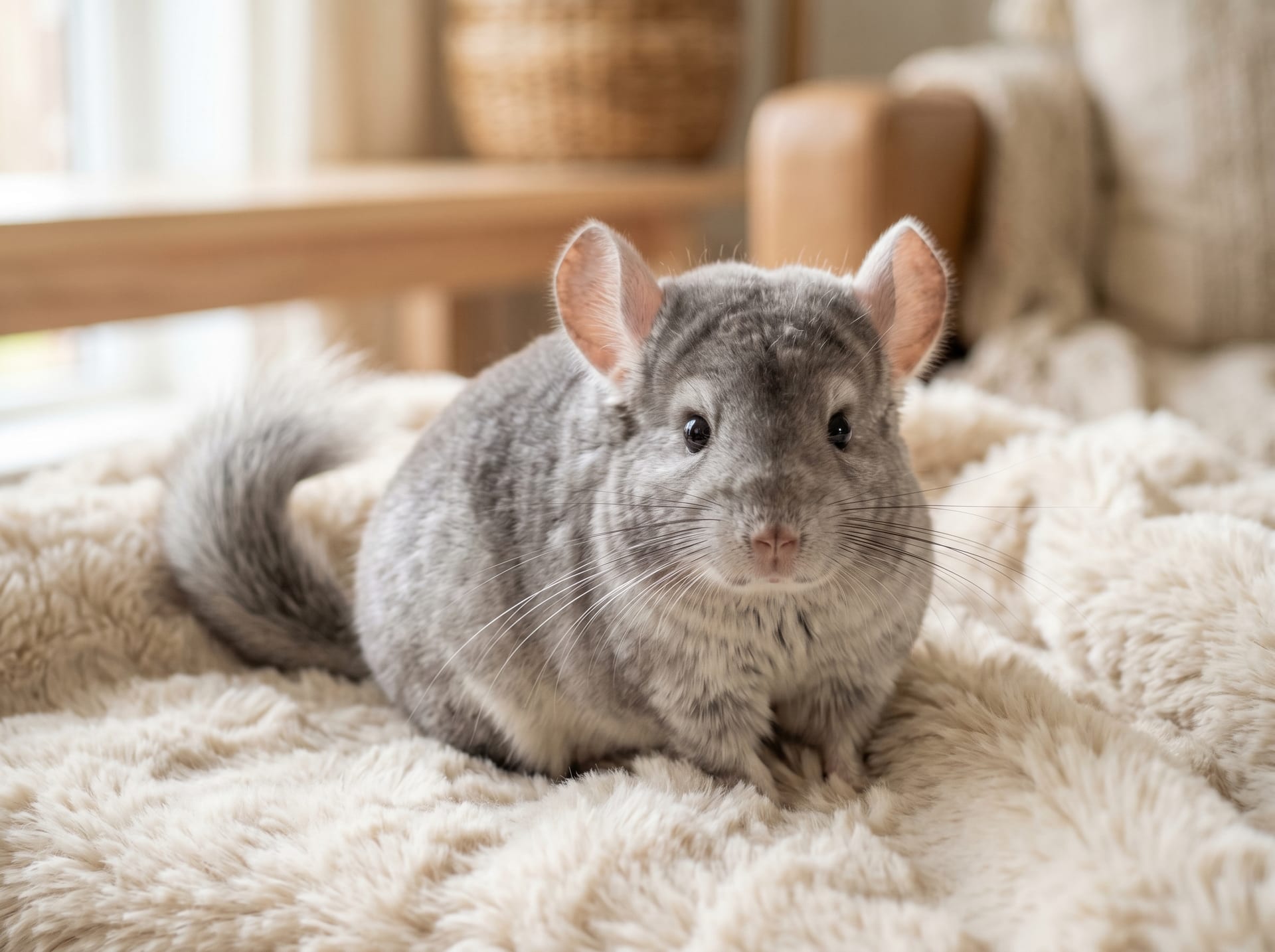
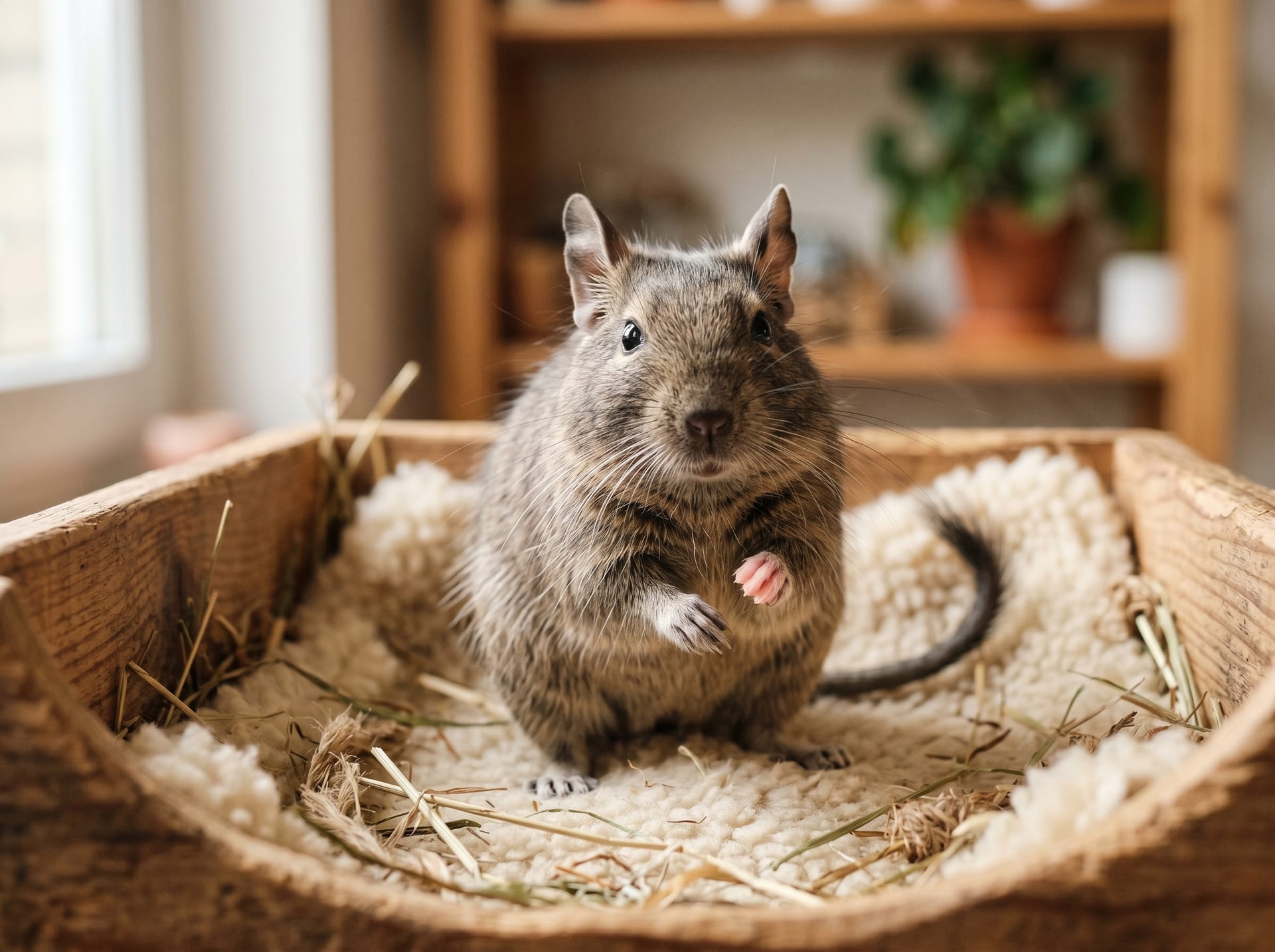
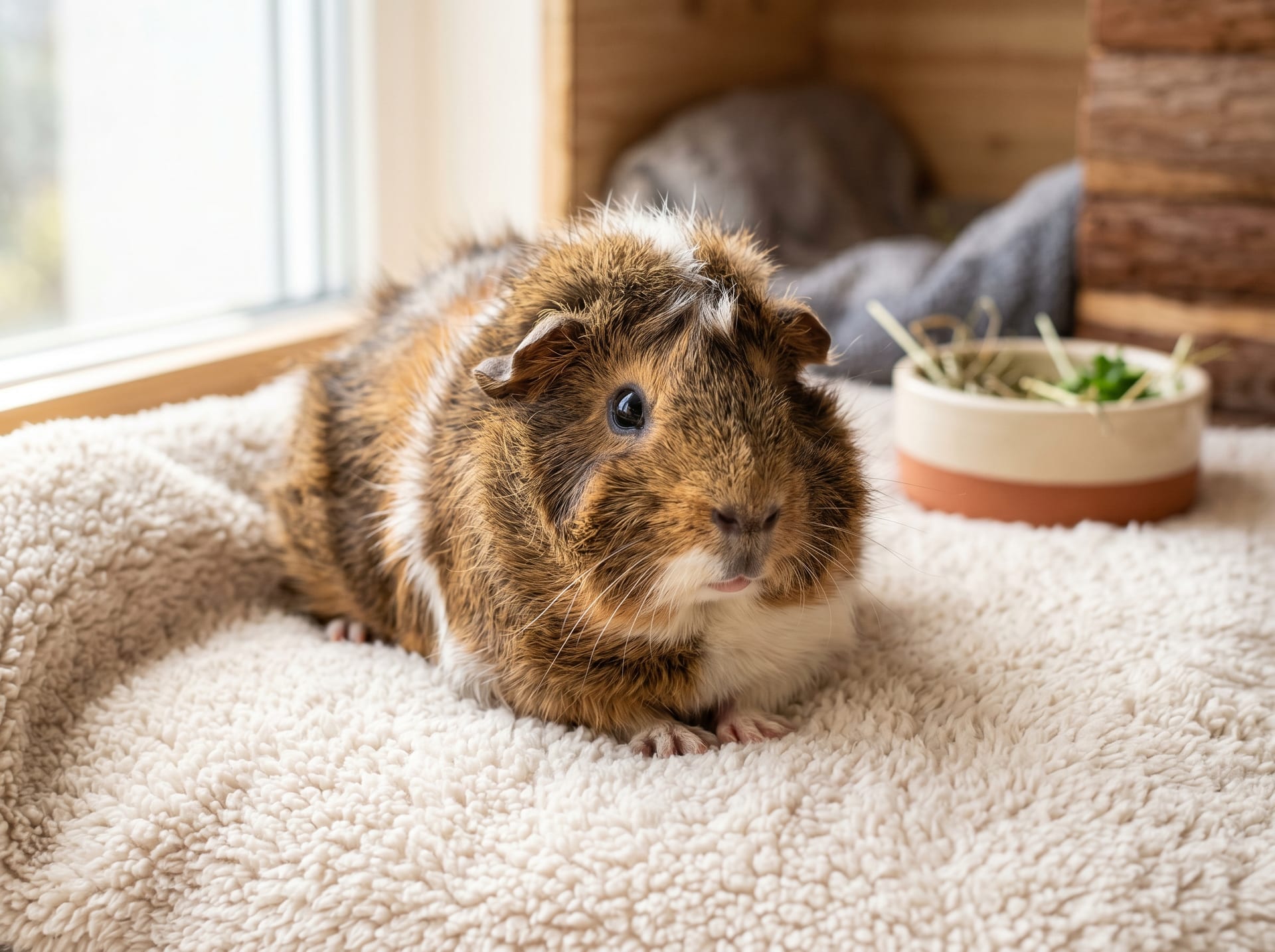
Degus are rodents native to the Andes Mountains of Chile and are highly social animals that live in groups of 10 to 100 individuals in the wild. Their vision, hearing, and sense of smell are all well-developed, and more than 15 types of vocalizations for communication among group members have been identified. Though sometimes called "South American squirrels," they are classified closer to guinea pigs, and their intelligence is significantly higher than that of hamsters.
This sociality is the most fundamental prerequisite for degu care. Solitary housing exposes them to chronic stress, leading to weakened immunity, poor coat condition, and self-injurious behavior (hair plucking, tail biting). Keeping two or more degus is recommended whenever possible, in same-sex pairs or neutered/spayed pairs. As long as co-housed individuals do not fight, sharing a cage significantly improves psychological stability.
They also tame to humans quickly, with most individuals becoming hand-tame within 3 to 4 weeks of daily voice contact and hand-feeding treats. Rather than forcing them, waiting for them to come out of the cage on their own is the foundation of trust-building.
Cage and Layout Design
Degus are highly active and enjoy three-dimensional movement. The recommended cage size is 60cm wide × 45cm deep × 80cm tall or larger, with metal bird-cage style or dedicated degu cages being suitable. Plastic materials are difficult to use for interior fixtures as they will be chewed.
The key points for layout are as follows.
- Exercise wheel: A quiet type with 28-30cm diameter. Small wheels are not suitable due to spinal stress.
- Nesting box: Wood is best. Place one per degu as a guideline to provide a hiding spot.
- Chew wood and branches: Untreated natural wood such as apple, walnut, or willow. Essential for both tooth wear and psychological enrichment.
- Sand bath container: Use chinchilla sand and perform 3-4 times per week. Indispensable for clean coat and oil gland management.
- Shelves and hammocks: Providing multiple climbing routes in the vertical direction increases activity.
Bedding should be paper chip or loofah material, and conifer chips such as cedar or cypress should be avoided due to volatile compounds that negatively affect the respiratory system. Complete weekly bedding changes and daily removal of soiled areas are the basic hygiene standard.
Diet Management | Keep Diabetes Risk in Mind
Degus, unlike hamsters, have a constitution that is notably poor at metabolizing sugar. With low insulin secretion ability, continuously feeding fruit, sweet vegetables, or commercial treats containing sugar easily leads to diabetes. This is the most important nutritional management point in degu care.
Primary diet: Timothy hay (first cutting) should be provided unlimited. It is necessary for fiber intake and tooth wear, and should be available at all times.
Supplementary diet: Specialized pellets at 5-8g per degu daily. Choose degu-specific pellets that contain no glucose or sucrose. Chinchilla pellets can be substituted, but hamster or guinea pig pellets cannot be used due to high sugar content.
Treats should be limited to low-sugar options and given no more than 2-3 times per week. Recommended treats are as follows.
- Dried rosehip (vitamin C supplementation)
- Dried dandelion leaves
- Barley or oats (small amounts)
- Fresh vegetables such as mizuna or parsley (low-sugar varieties)
Fruits (including apple and blueberry) should be limited to once or twice per month, one bite or less if given at all. Sunflower seeds should also be avoided due to high fat content. Fresh water should be changed daily and supplied continuously via a bottle-type waterer.
Temperature and Humidity Management | Recreating Their Andes Habitat
The Andes Mountains of Chile, the degu's native habitat, have a cool, low-humidity climate year-round. The ideal captive environment closely mirrors these conditions, with an optimal temperature of 18-24°C and humidity of 40-60%.
Japan's summers (over 30°C) are a life-threatening environment for degus. Heat stroke symptoms appear as "lethargy and immobility, mouth breathing, and stumbling," and delayed discovery can result in death within hours. Air conditioning to maintain room temperature is essential from June to September, and a plan must account for care during power outages and absences.
Care is also needed in winter to avoid excessive heating; temperatures above 25°C exceed their thermoregulatory capacity. If using a heater, limit it to a heat panel (warming approximately one-third of the cage floor) and ensure escape routes are available. Since degus do not hibernate, extremely low temperatures (10°C or below) are also dangerous.
Humidity control is important from the rainy season through summer; humidity exceeding 60% reduces sand bathing effectiveness and increases the risk of skin disease. Use a dehumidifier or air conditioning on dry mode. Strongly recommended is keeping a temperature-humidity meter permanently stationed near the cage and making daily checks a habit.
Health Management and Common Illnesses
Degus have an average lifespan of 5-8 years, with some individuals living close to 10 years with proper care. The key points for regular health checks are as follows.
- Body weight: Measure once per week. Appropriate weight for adults is 170-300g (varies by individual). Sudden weight gain or loss is a sign of illness.
- Teeth: Malocclusion (teeth not meeting properly) is common in degus. If you notice decreased appetite, drooling, or weight loss, seek veterinary care promptly.
- Eyes: Cloudiness or eye discharge is a sign of eye disease or systemic illness.
- Nails: Overgrown nails can catch and cause injury. Check approximately once per month.
Early signs of diabetes are increased drinking and urination with weight loss. If noticed, immediately have a blood glucose test at an animal hospital that handles exotic animals. If left untreated, it can develop into cataracts and neuropathy, significantly reducing quality of life.
Because veterinary clinics experienced with degu care are limited, it is important to research and list nearby exotic animal clinics before starting care. Making annual health checkups a routine habit leads to early disease detection.
Before You Begin Keeping Degus
Degus are animals that require time and knowledge to care for properly. The following must be confirmed before starting care.
Source selection: Obtain healthy individuals from a reputable breeder or specialty shop. Since degus have limited commercial availability, careful evaluation of their condition is essential. Individuals that are 8 weeks or older with fully opened eyes and active movement are a good indicator of health.
Preparing for two or more: As previously mentioned, solitary housing has significant drawbacks. Plan your budget and cage size to accommodate two degus from the start.
Long-term commitment: Consider whether you can maintain responsibility commensurate with their 5-8 year lifespan. Consideration must include travel, moving, and potential lifestyle changes.
Cost estimation: Initial expenses (cage and supplies) of approximately ¥30,000-50,000, with monthly expenses (timothy hay, pellets, bedding, sand) of approximately ¥3,000-5,000. Veterinary expenses are separate.
With proper environment and care, degus become affectionate companions and thrive as captivating animals. Maintaining the three pillars of sociality, diet, and temperature forms the foundation for long-term health and a fulfilling care experience.
Taming and Communication
Degus are animals that communicate through vocalizations. The main vocalizations have the following meanings.
- Chee-chee (high-pitched): Alert, excitement, vocalization
- Pooey: Discontent, anger
- Coo-coo-coo: Calling to companions, contentment
Once trust is established with their owner, degus will respond to their name and may perch on a shoulder. Start slowly by hand-feeding small amounts of food (hay and sugar-free herbs) to build this relationship.
Enrichment Using Their Intelligence
Degus are highly intelligent and become bored and stressed without appropriate mental stimulation.
- Foraging feeding: Hide pellets in towels or paper and have them search for and eat them.
- Puzzle feeders: Toys that require manipulation to extract food.
- Gradual room exploration: Floor time in a playpen (15-30 minutes daily).
- Training: Hand-training, name recognition, and clicker training are all achievable.