Rabbit Care Guide: Choosing Breeds, Cages, and Feeding Basics | ブリちょく
Small Animals| ✍️ BreederDirect Editorial
Rabbit Care Guide: Choosing Breeds, Cages, and Feeding Basics
For those starting rabbit care: Explore popular breeds like Netherland Dwarfs and Holland Lops, how to choose cages, and the basics of hay diets with pellets and vegetables.
Key Takeaways
For those starting rabbit care: Explore popular breeds like Netherland Dwarfs and Holland Lops, how to choose cages, and the basics of hay diets with pellets and vegetables.
What to Know Before Welcoming a Rabbit Home
Rabbits have become increasingly popular pets in recent years because they produce almost no noise, making them easy to keep in apartment buildings. Despite their compact size, they have distinct personalities and, once accustomed to their owners, will show affectionate behavior—snuggling up and approaching you willingly. With proper care and diet management, it's not uncommon for rabbits to live with you for over 10 years.
✍️
BreederDirect Editorial
The BreederDirect editorial team specializes in care information for animals, covering veterinary care and breeding to deliver beginner-friendly guides.
Find Small Animals on BreederDirect
Buy directly from verified breeders
Browse Related Listings
Find Small Animals listings related to this article on BreederDirect. Buy directly from verified breeders.
Related Tools
Related Articles
Browse by Category
🪸Coral
🐠Marine Fish
🐟Tropical Fish
🐡Goldfish
🐟Medaka
🦎Reptiles
Share
However, unlike dogs or cats, rabbits are sensitive and delicate animals prone to stress. Sudden temperature changes, loud noises, or improper diet can be life-threatening. To ensure your rabbit lives a long and healthy life, it's important to build a solid foundation of knowledge before bringing one home.
---
Popular Breeds and How to Choose
There are many rabbit breeds, each with differences not just in appearance but also in temperament and ease of care. Choosing a breed that fits your lifestyle is the first step toward a long and happy life together.
Netherland Dwarf
Weight: 0.9–1.1 kg (one of the smallest breeds for home care)
Appearance: Adorably compact with short ears
Temperament: Active and curious; loves to play
Ease of care: Moderate. Requires ample space and daily out-of-cage playtime ("room hopping") due to high energy levels
Holland Lop
Weight: 1.5–2 kg
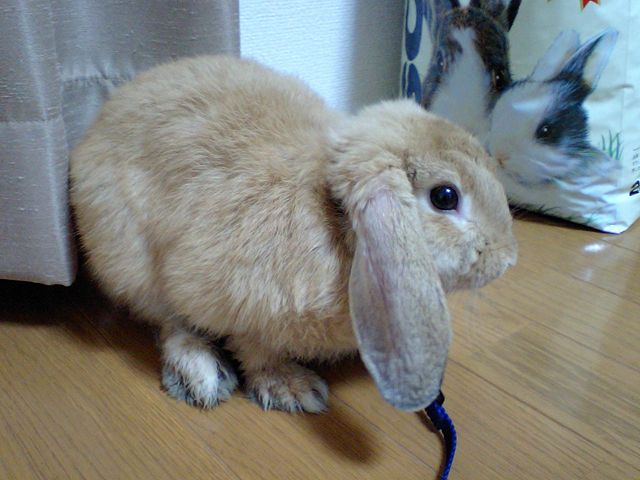
Appearance: Distinctive silhouette with ears drooping flat against the sides of the face
Temperament: Gentle, affectionate, and readily accustomed to being held
Ease of care: Low to moderate. Beginner-friendly and popular with families
Ease of care: Low. Short coat requires minimal grooming effort
Since breeds differ in bone structure and constitution, it's recommended to ask breeders or pet shops specifically about the individual rabbit's temperament before purchasing.
---
Setting Up a Cage and Living Environment
For your rabbit, the cage is "a safe home of their own." Your choice of size and materials directly impacts their daily health and emotional stability.
Tips for Choosing a Cage
Size: Aim for a space at least three times the rabbit's body length. Too small causes stress and insufficient exercise
Flooring: A metal grated bottom is hygienic and easy to manage. However, prolonged exposure can strain the feet, so laying a mat on part of the floor is reassuring
Height: Ensure sufficient height so the rabbit's head doesn't hit the top when standing on hind legs
Water dispenser and litter box: Choose fixed types that are easy to keep clean
Location and Temperature Control
Rabbits are extremely heat-sensitive; the risk of heat stroke increases above 28°C. The ideal room temperature is 18–24°C—use heating and cooling as needed to maintain consistency. Avoid direct sunlight and places where air conditioning air blows directly.
Room Hopping
Out-of-cage exercise ("room hopping") should be about 1–2 hours per day. Remove cords and houseplants that could be dangerous if chewed, and set up a fence to prevent escapes.
---
Feeding Basics and Important Notes
Diet management is one of the most important aspects of rabbit care for supporting their health. Since their digestive system is delicate, understand clearly which foods are safe and which are not.
Main Food: Hay
Hay is the center of a rabbit's diet and contains abundant fiber that promotes digestive movement.
Timothy hay (1st cutting): High in fiber and helps with tooth wear. The most recommended hay
Feeding amount: Provide unlimited hay at all times. Keep it in constant supply
Importance: Insufficient hay increases the risk of hairballs, digestive disorders, and tooth misalignment
Secondary Food: Pellets
Feed twice daily, roughly 3–5% of body weight
Choose low-calorie, high-fiber options (preferably with minimal additives)
Use growth-formula pellets until 6 months of age, then switch to maintenance formula
Treats: Vegetables and Fruits
Safe options: Bok choy, Chinese cabbage, parsley, shiso, small amounts of apple (remove seeds)
Unsafe options: Onions, leeks, potato sprouts, chocolate, avocado, and other toxic foods
Fruits: High in sugar, so limit to once or twice weekly in small amounts
Change diet gradually over 1–2 weeks rather than abruptly. Sudden changes cause digestive upset.
---
Health Management and Daily Care
Daily Checking Habits
Appetite and water intake: Alert if your rabbit suddenly stops eating or drinking
Fecal appearance: Normal droppings are round and uniform. Small or sparse droppings signal digestive trouble
Behavior changes: Lethargy or weakness requires immediate veterinary attention
Regular Care
Nail trimming: Monthly or every 1–2 months. If your rabbit resists, consider professional trimming at a vet clinic
Brushing: Daily during shedding seasons (spring and fall) to prevent hairballs
Teeth check: Early detection of incisor misalignment is crucial. Check regularly
Vaccinations and Veterinary Care
Japan has no mandatory rabbit vaccines, but annual or twice-yearly health check-ups are recommended. Since few veterinarians treat rabbits, research "exotic animal care" clinics in your area beforehand.
---
Understanding Rabbit Behavior and Emotions
Rather than vocalizing emotions, rabbits express their feelings through behavior and body language.
Behavior
Meaning
Foot stomping (thumping)
Alert, discontent, anger
Binkying (jumping and twisting mid-air)
Great joy, happiness
Tooth grinding (soft, quiet clicking)
Relaxation, contentment
Tooth grinding (loud grinding)
Pain, discomfort
Nose bonks
Asking to play or for attention
Chin rubbing
Marking (scent gland under chin marks territory)
Flopping sideways
Calm, relaxed state
## br-choku's Safe and Reliable System
When welcoming a rabbit, where you purchase matters greatly. With br-choku, you can buy directly from rabbit-specialist breeders, offering several advantages:
Clear lineage and history: You can verify parents' information and the environment where the rabbit was raised
Health status understanding: Since breeders observe their rabbits daily, you can select a healthy individual
After-sale support: You can consult with the breeder about care even after purchase, giving beginners peace of mind
Pure breeds in abundance: We handle pedigree individuals, meeting the needs of breed enthusiasts
The "direct connection with a breeder" you can't get from pet shops enriches your long life together. Bring home a healthy rabbit from a trusted breeder and begin this wonderful journey with your new companion.