Professional Tips: Techniques for Raising Large Rhinoceros Beetles and Stag Beetles | ブリちょく
Insects| ✍️ BreederDirect Editorial
Professional Tips: Techniques for Raising Large Rhinoceros Beetles and Stag Beetles
Explains professional techniques for temperature control, fungal mat selection, and larval management to achieve large specimens.
Key Takeaways
Explains professional techniques for temperature control, fungal mat selection, and larval management to achieve large specimens.
Related Species
Introduction: The True Joy of Raising Large Beetles
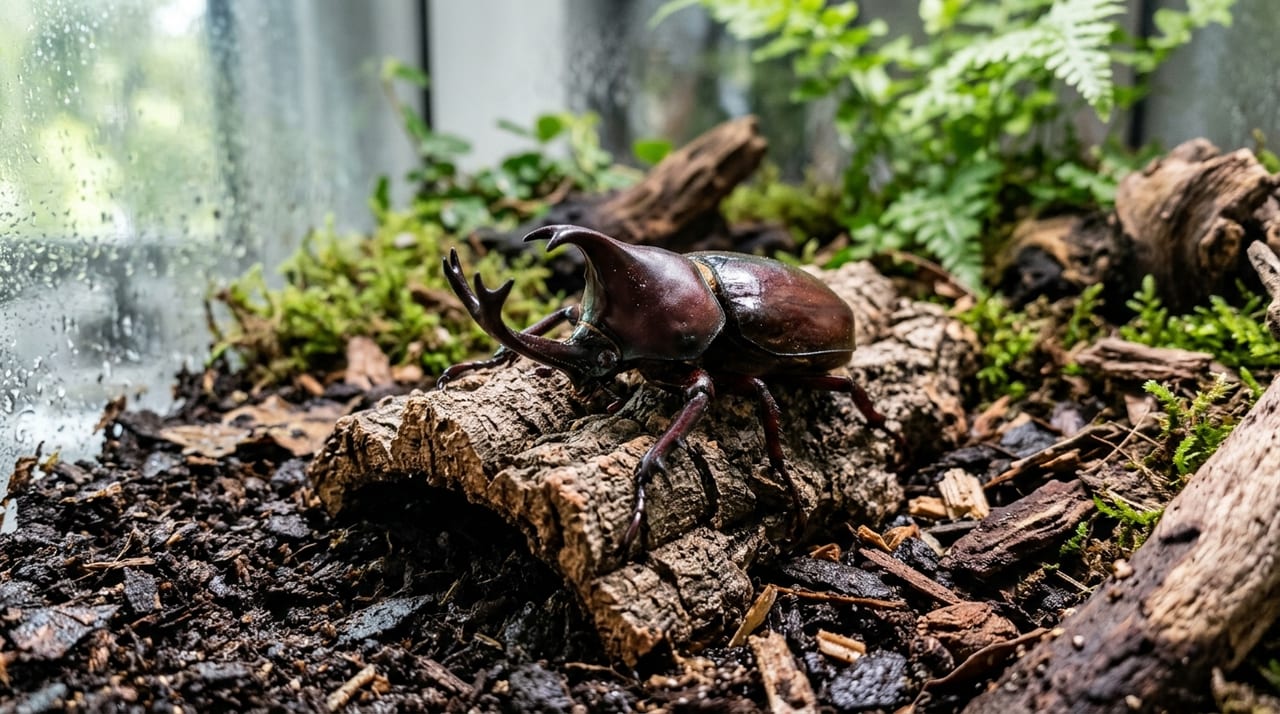
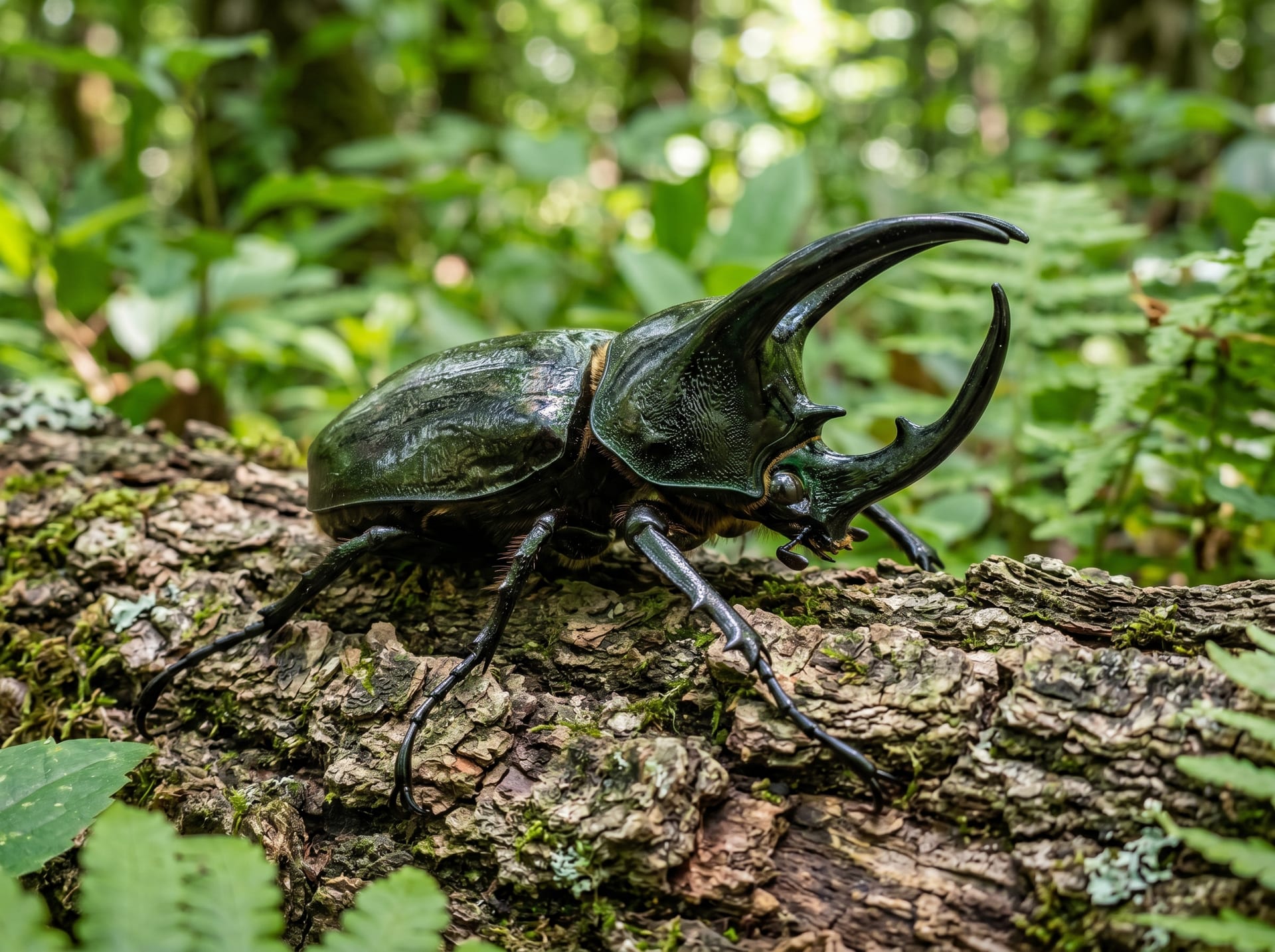
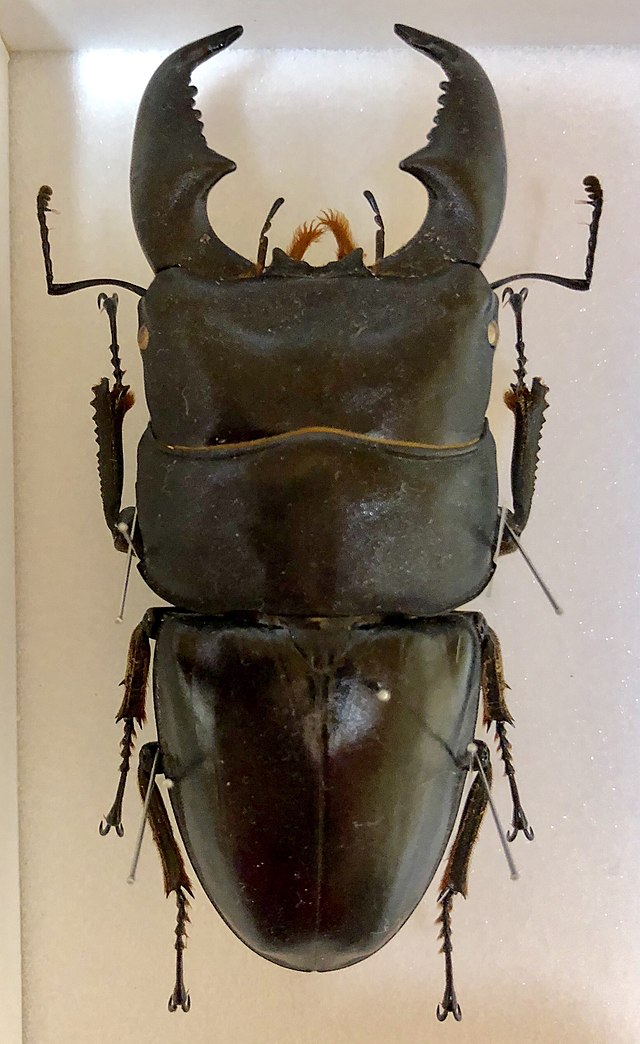
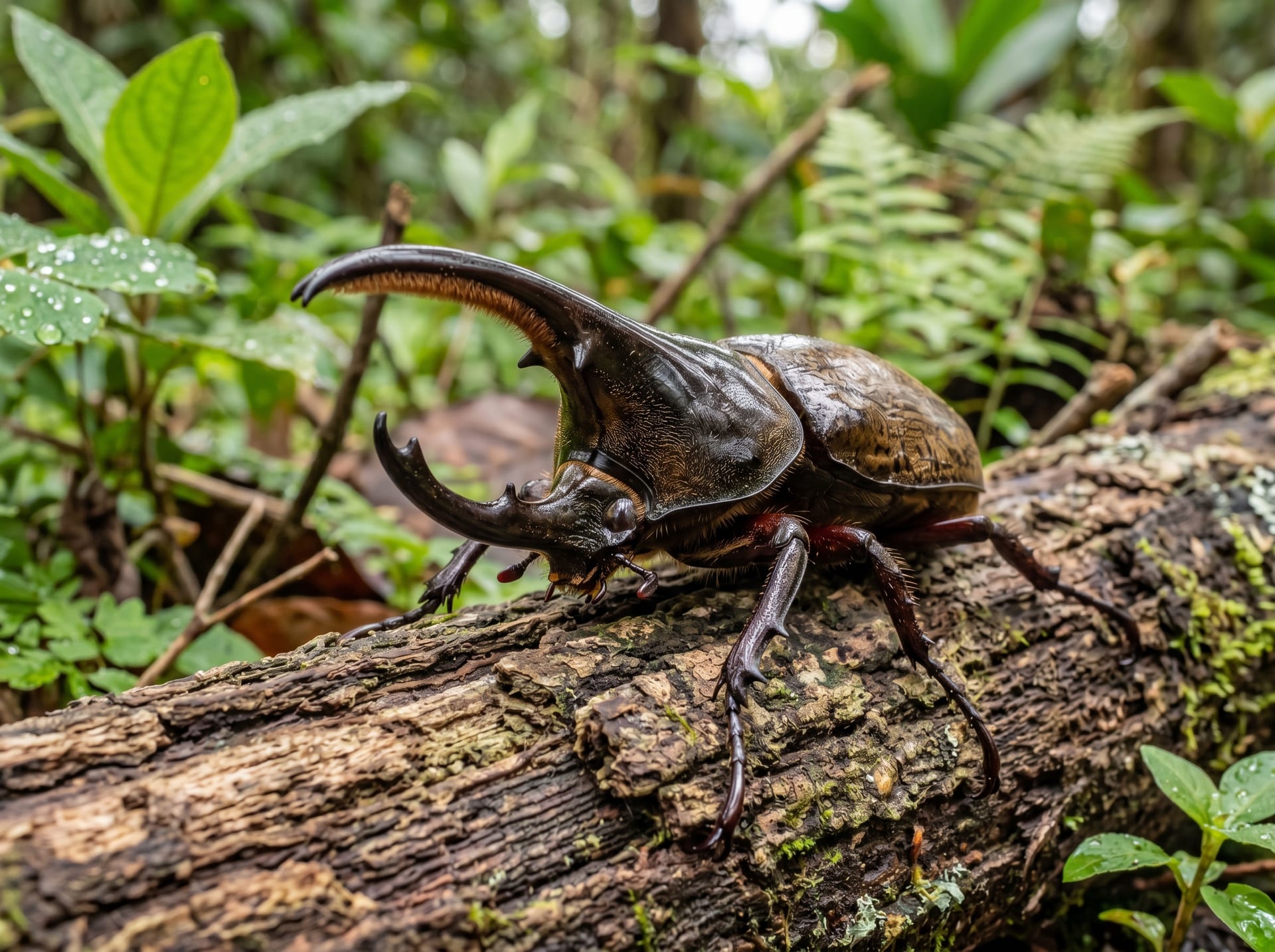
Rhinoceros beetles and stag beetles are beloved by a wide range of people, from children to adults. In particular, raising large species such as Hercules beetles and Japanese giant stag beetles has become an endless challenge for breeders pursuing larger adult sizes and beautiful specimens.
To fulfill the desire to "grow them large" and "raise beautiful adults"—it is essential to master three pillars: temperature control, diet, and bloodline. This article explains the breeding techniques for large beetles that breeders actually practice, in a way that's easy to understand even for beginners.
---
Temperature Control: The Critical Factor That Determines Success
In raising large beetles, temperature is the most critical factor directly affecting growth rate, body size, and mortality. Since the ideal temperature varies by species, it's important to first understand the climate of your species' native habitat.
Ideal Temperature Ranges for Major Species
Japanese Giant Stag Beetle (fungal mat cultivation): 20–23°C is ideal. Exceeding 25°C causes rapid fungal degradation, limiting the feeding area for larvae.
Hercules Beetle: 22–25°C. Extending the larval stage with lower temperatures is a shortcut to achieving larger size.
Japanese Rhinoceros Beetle: 20–25°C. In high-temperature environments, larval metabolism increases, making them more likely to remain small.
Practical Temperature Management Methods
Many breeders use wine chillers or small coolers for home temperature control. Since air conditioning alone causes significant temperature fluctuations, even wrapping the breeding container with a towel for insulation improves stability. Install a thermohygrometer in your breeding space and make it a habit to record readings regularly.
---
Choosing and Timing Fungal Mat Bottle Changes (Stag Beetle Edition)
✍️
BreederDirect Editorial
The BreederDirect editorial team specializes in care information for animals, covering veterinary care and breeding to deliver beginner-friendly guides.
Find Insects on BreederDirect
Buy directly from verified breeders
Browse Related Listings
Find Insects listings related to this article on BreederDirect. Buy directly from verified breeders.
In stag beetle larval rearing, fungal mat bottles serve as both "food" and "habitat." Correctly selecting the fungal type and replacement timing is the first step toward achieving large specimens.
Types of Fungal Mats and Their Uses
King Oyster Mushroom Fungal Mat: The most versatile, suitable for Japanese giant stag beetles and many other species. Recommended for beginners.
Coriolus Versicolor Fungal Mat: Effective for specific tropical species such as Tarandus shining stag beetles and Regius shining stag beetles. Works well for species that reject king oyster fungal mats.
Oyster Mushroom Fungal Mat: Suitable for broader-feeding species such as flat stag beetles and Japanese saw stag beetles.
Fungal Mat Bottle Replacement Schedule
For typical Japanese giant stag beetles, the following relay breeding is standard:
1st bottle (800ml): Introduce 2–3 weeks after hatching, at the 1st–2nd instar stage
2nd bottle (1400ml): Replace after approximately 3–4 months, when 70–80% of the fungal mat has been consumed
3rd bottle (1400ml): Further 3–4 months later, avoid replacement once pupation is approaching
The replacement guideline is "when feeding marks cover 60–70% of the entire bottle." If replacement is delayed, larvae lose weight, so monitor feeding progress regularly.
---
Choosing Substrate and Managing Moisture (Rhinoceros Beetle Edition)
Fermented substrate is essential for raising rhinoceros beetle larvae. The quality of the substrate and moisture level greatly influence larval growth.
Types of Fermented Substrate and Their Characteristics
Fully Fermented Substrate: Long-fermented with high nutritional value, ideal for large exotic species such as Hercules beetles and Caucasus beetles.
Secondary Fermented Substrate: Moderate fermentation level. Provides sufficient nutrition for Japanese rhinoceros beetles with good cost-effectiveness.
Unfermented (Light-Colored) Substrate: Suitable for egg-laying substrate and adult management, but not suitable as a larval food source.
Proper Moisture Level Adjustment
The moisture guideline is "holding it in your hand, it forms a clump that crumbles when pressed hard." If saturated to the point of dripping water, it causes oxygen depletion, bacterial growth, and fruit fly infestation. Conversely, if too dry, larvae struggle to feed and growth stalls.
Since moisture naturally evaporates from the container, open the lid every 2–3 weeks to check conditions and mist with water if it's dry.
---
Three Principles for Achieving Large Specimens
To raise large adults, it's important to follow these three principles:
1. Extend the Larval Stage as Long as Possible
Managing low temperatures suppresses metabolism, allowing larvae more time to slowly accumulate nutrition. In Hercules beetles, letting them develop over 2–3 years can produce individuals exceeding 150mm. The key to achieving large size is patience and a long-term approach.
2. Never Let Food Supply Run Out
If replacement of fungal mats or substrate is delayed, larvae become malnourished and lose weight. Once weight is lost, it cannot fully recover. Set reminders in a breeding journal or phone calendar to avoid missing replacement timing.
3. Avoid Unnecessary Stress
Frequent substrate changes and disturbances cause significant stress for larvae. Never handle them, especially around pupation. Damaging the pupation chamber can lead to malformed adults, ruining all your effort.
---
Pursuing Larger Sizes Through Bloodline Management
While refining breeding technique, managing bloodlines allows you to improve average specimen size with each generation.
Creating Large-Size Bloodlines
Record the body length and weight of emerged adults, prioritizing pairings between large individuals
Weighing pupae increases accuracy in predicting adult size
Recording breeding conditions (temperature, fungal type, substrate) allows you to verify "what worked"
Notes on Inbreeding
While line breeding (repeatedly crossing the same bloodline) is convenient for maintaining large-size bloodlines, continued inbreeding easily leads to reduced emergence rates and increased deformities. As a guideline, after 3–4 generations, introduce a different bloodline of the same species to restore genetic diversity.
---
Brichoku's Safety and Trust System
When you're ready to start serious large beetle breeding, obtaining trustworthy specimens is most important. Brichoku is a platform where you can purchase live insects directly from breeders nationwide.
All sellers are verified, registered breeders with their real names. No worry about receiving specimens from unknown sources.
Bloodline information and breeding history disclosure are encouraged, and you can ask breeders directly before purchase.
A secure payment system ensures funds are protected until the transaction is complete.
You can consult directly with breeders about care even after purchase, so beginners can start with confidence.
When both "the technique to grow them large" and "high-quality specimens" are in place, the true joy of raising large beetles begins. Please find your ideal specimens on Brichoku.