Complete Mating & Breeding Guide for Stag Beetles | From Pairing Procedures to Egg-Laying Setup
Explains pairing timing, selecting between hand-pairing and cohabitation pairing, setting up egg-laying enclosures, confirming egg-laying, and extracting larvae procedures for successful stag beetle breeding. Coverage includes major domestic and foreign species.
Key Takeaways
Explains pairing timing, selecting between hand-pairing and cohabitation pairing, setting up egg-laying enclosures, confirming egg-laying, and extracting larvae procedures for successful stag beetle breeding. Coverage includes major domestic and foreign species.
Related Species

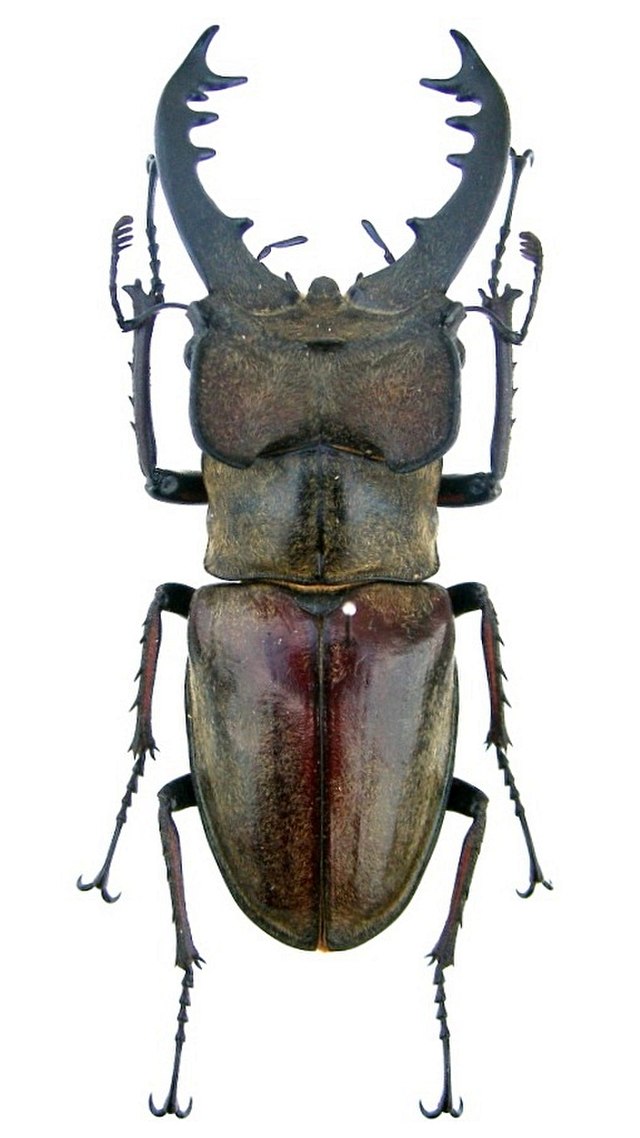
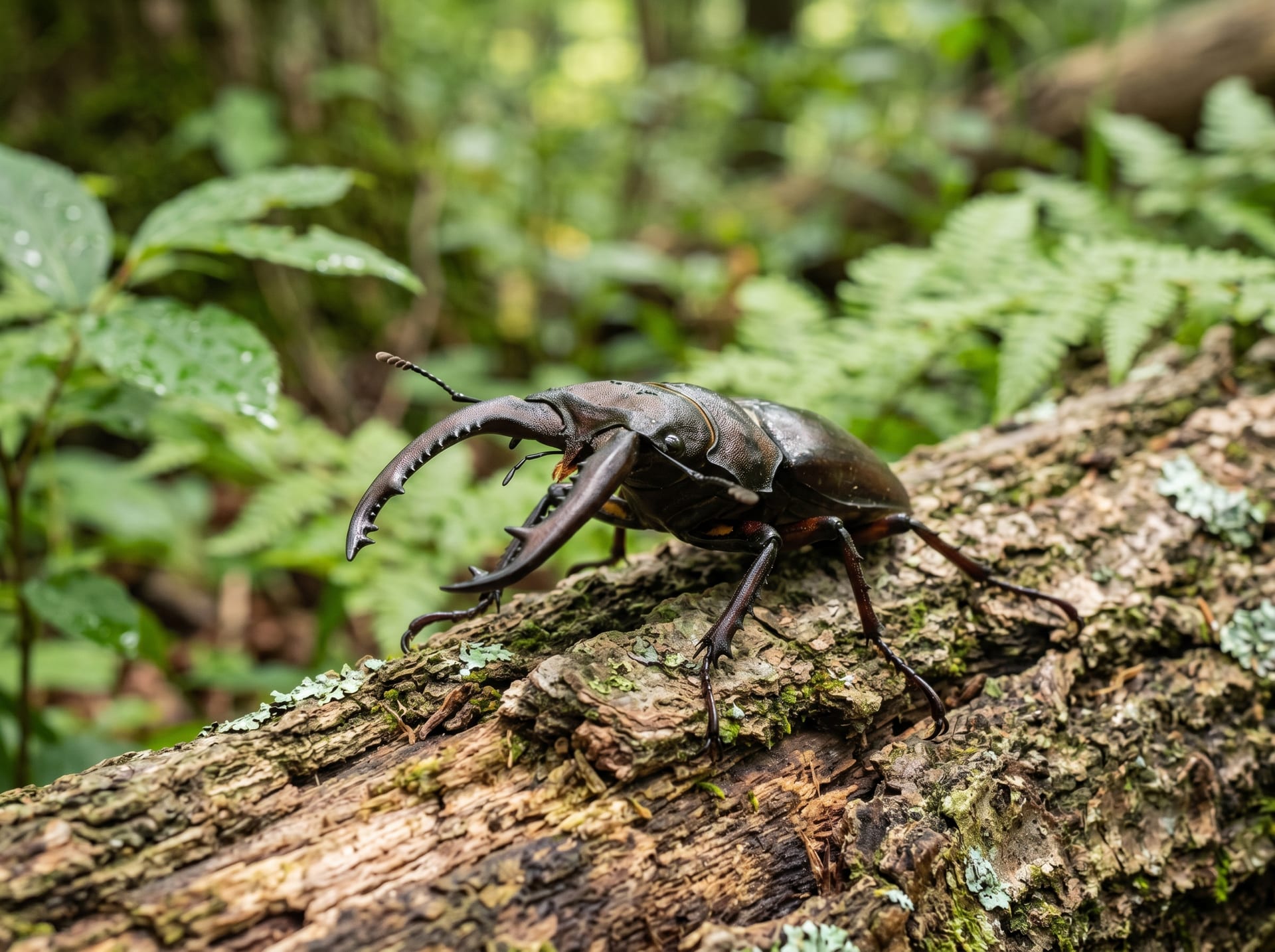

Understanding Stag Beetle Breeding Basics
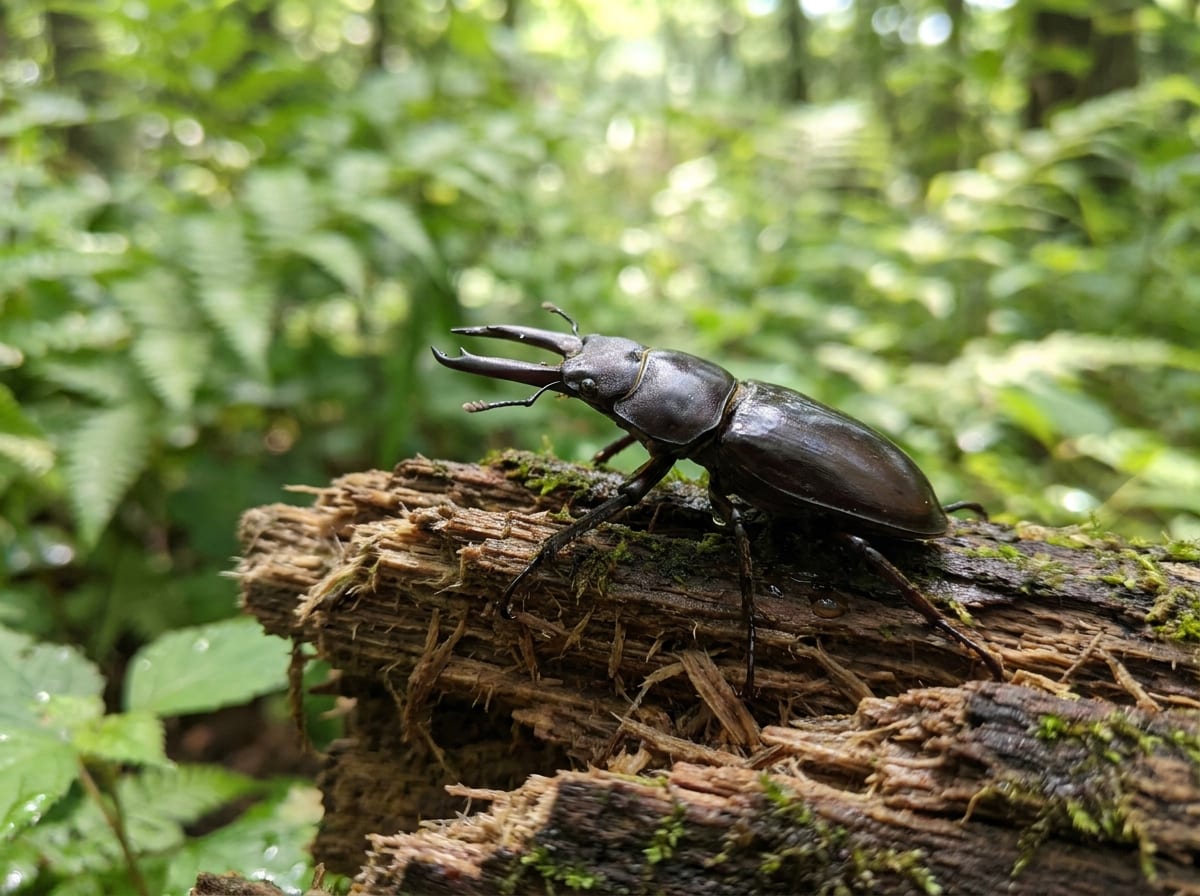
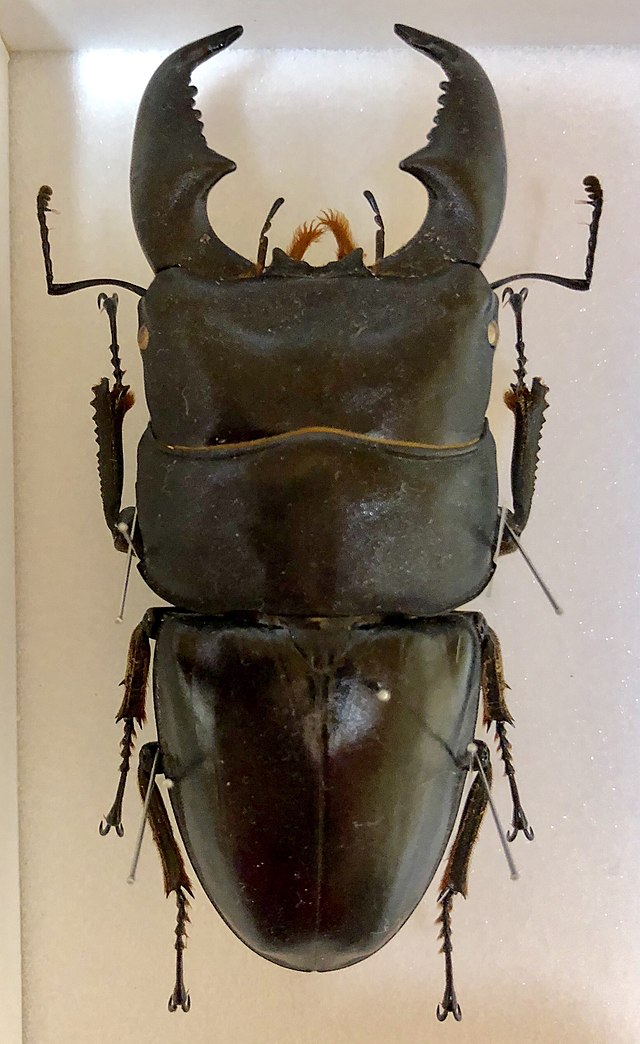
Stag beetle breeding can achieve stable results even for beginners by following proper pairing procedures and preparing appropriate egg-laying environments. Regardless of domestic or foreign species, the basic process follows four steps: "confirming maturity → pairing → setting up egg-laying enclosure → extracting larvae." This guide explains the specific methods for each step while addressing differences among major species.
Post-Emergence Feeding and Maturity Confirmation Are Critical
Stag beetles cannot breed immediately after emergence. They require post-emergence feeding (called "goshoku"), which begins immediately after emergence, and pairing must only occur after a maturation period is complete.
Post-Emergence Feeding Start and Maturity Guidelines for Major Species:
| Species | Post-Emergence Feeding Start | Maturity Complete (Ready to Pair) |
|---|---|---|
| Japanese Giant Stag Beetle | 2-3 months post-emergence | 6-12 months post-emergence |
| Flat Stag Beetle | 1-2 months post-emergence | 4-6 months post-emergence |
| Saw Stag Beetle | 6-10 months post-emergence (dormancy until next summer) | Immediately after dormancy ends |
| Rainbow Stag Beetle | 1-2 months post-emergence | 3-4 months post-emergence |
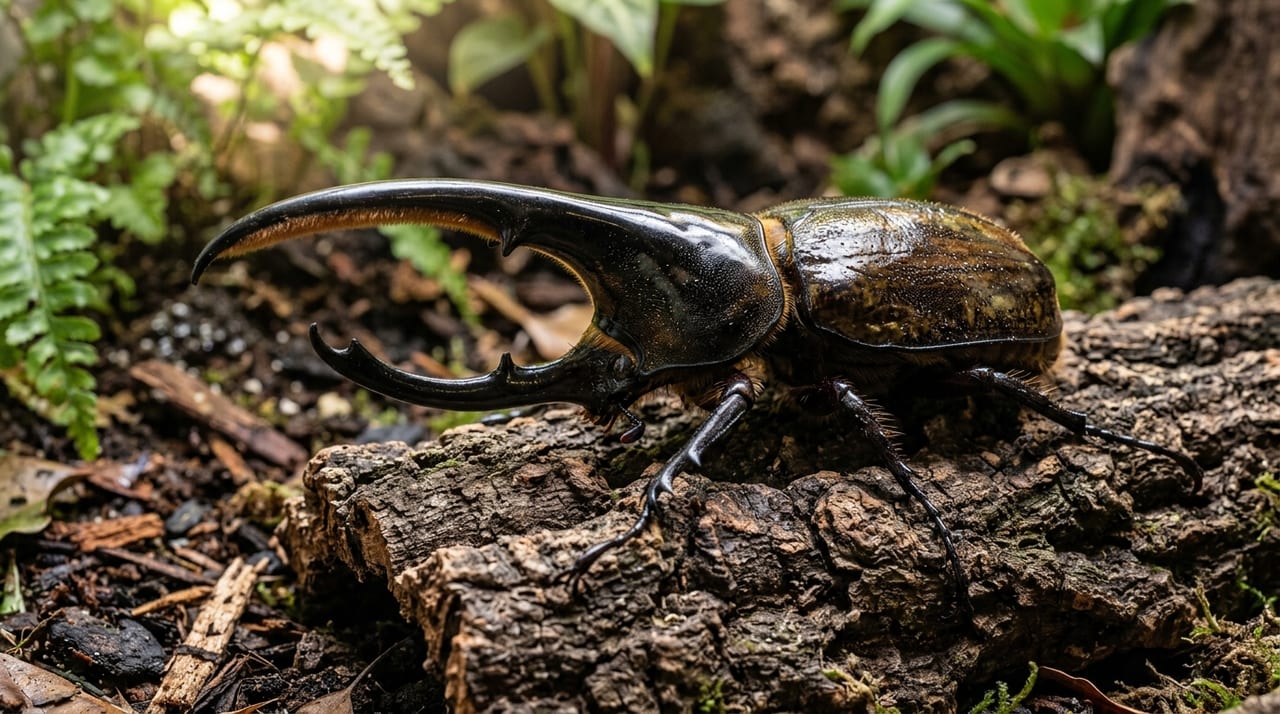
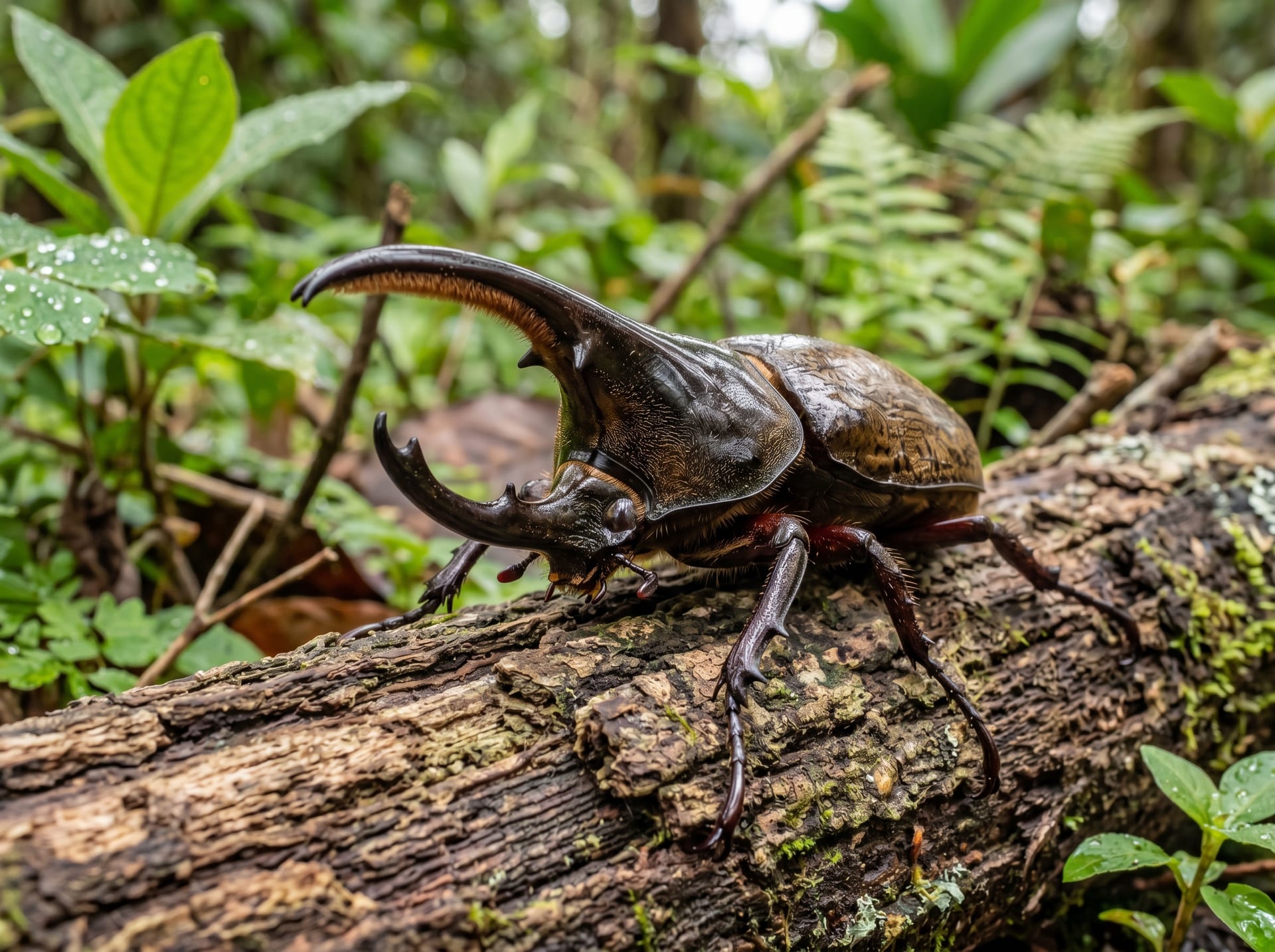
| Hercules Beetle | 2-3 months post-emergence | 4-6 months post-emergence |
Forcing immature beetles to pair risks either no egg-laying or the male attacking and injuring the female. A safe guideline is to wait at least 3 months after post-emergence feeding begins.
Two Pairing Methods
There are two pairing methods for stag beetles: cohabitation pairing and hand-pairing.
Cohabitation Pairing
This method places males and females in the same enclosure to mate naturally.
Procedure:
- Spread insect substrate thinly (3-5 cm) in a small plastic container
- Add bark or cork to prevent overturning
- Place both male and female in simultaneously and observe for 3-7 days
- Separate immediately if the male attacks the female
Important Notes:
- Flat Stag Beetles have large male mandibles and risk crushing females. Only use this method with constant supervision.
- Mating typically occurs at night.
- It is common to separate them after 1-3 days of cohabitation and move to an egg-laying setup.
Hand-Pairing
This method involves the keeper directly guiding the male's genitalia into the female's genital opening. It is effective when certain mating is desired or when males are aggressive.
Procedure:
- Fix the female with her back facing the male
- Place the male on the female's back and encourage the mating posture (mounting)
- Once genital coupling is confirmed, maintain for approximately 5-10 minutes
- After separation, move the female directly to the egg-laying setup
Hand-pairing requires practice but minimizes accident risk. It is recommended especially for aggressive large species like Flat Stag Beetles and Parawan Stag Beetles.
Setting Up Egg-Laying Enclosures
Once mating is confirmed, prepare the egg-laying setup. Stag beetles use two main egg-laying methods: wood-laying and substrate-laying, requiring different approaches based on species.
Wood-Laying Type (Japanese Giant Stag Beetles, Small Stag Beetles, Alpine Stag Beetles, etc.)
These species lay eggs on decaying wood (breeding logs).
Setup Method:
- Soak the breeding log (Castanopsis or Quercus wood) in water for 24 hours for complete hydration
- Drain excess water and air-dry in shade for half a day to one day
- Firmly compact fermented substrate 10-15 cm deep in the enclosure base
- Half-bury the breeding log (do not completely bury)
- Place damp paper towels on the container lid to maintain humidity
Substrate-Laying Type (Saw Stag Beetles, Flat Stag Beetles, Rainbow Stag Beetles, etc.)
These species lay eggs directly in fermented substrate.
Setup Method:
- Firmly compact secondary-fermented or higher substrate (15-20 cm deep)
- Lightly level the surface and add anti-tipping material
- Use containers with fruit fly barriers or lids that allow easy gas exchange
Egg-Laying Method Reference Table for Major Species:
| Species | Egg-Laying Method | Recommended Substrate |
|---|---|---|
| Japanese Giant Stag Beetle | Wood-laying (substrate-laying also possible) | Primary to secondary fermented substrate |
| Flat Stag Beetle | Substrate-laying (wood-laying for some) | Secondary fermented substrate |
| Saw Stag Beetle | Substrate-laying | Secondary to fully fermented substrate |
| Rainbow Stag Beetle | Substrate-laying | Secondary to fully fermented substrate |
| Small Stag Beetle | Wood-laying | Lightly fermented substrate |
Confirming Egg-Laying and Extracting Larvae
Leave the egg-laying setup undisturbed for approximately 4-6 weeks. If the female has laid eggs, you will notice disturbed substrate in the enclosure or gnaw marks on the breeding log.
Timing for Larval Extraction:
- Wood-laying: 5-8 weeks after egg-laying. Split the breeding log to collect larvae
- Substrate-laying: 4-6 weeks after egg-laying. Carefully remove substrate to collect eggs and larvae
Perform extraction carefully by hand or with a spoon to avoid injuring larvae. If eggs are collected, place them in small individual containers (such as small plastic cups) filled with dampened substrate.
Tips to Avoid Common Failures
Failure 1: No Egg-Laying
Main causes are ①insufficient maturity, ②temperature too low (20°C or below), ③excess or insufficient moisture in the breeding log, ④insufficient substrate fermentation. Review each condition.
Failure 2: Female Gets Injured
Males can become aggressive during cohabitation pairing. Accidents are particularly likely to occur at night, so limit cohabitation to a maximum of 3-5 days and always separate males and females before moving to the egg-laying setup.
Failure 3: Larval Cannibalism
Delayed extraction allows larger larvae to cannibalize eggs and smaller larvae. Perform extraction at the recommended timing.
Summary
Successful stag beetle breeding comes down to three key points: "confirming maturity → safe pairing → proper egg-laying setup." Stable breeding can be achieved by patiently waiting for maturity, selecting pairing methods that don't harm females, and preparing egg-laying environments suited to each species. For first-time breeding attempts, Rainbow Stag Beetles and Small Stag Beetles are recommended due to their hardiness and rapid maturation.