Oscar Fish Complete Care and Breeding Guide | How to Keep Large Cichlids Healthy and Long-Lived
Comprehensive explanation of care methods and breeding techniques for Oscar Fish, a South American large cichlid. From large tank selection, filters, water quality management, feeding, and pairing to spawning and fry rearing—all completely organized from a breeder's perspective.
Key Takeaways
Comprehensive explanation of care methods and breeding techniques for Oscar Fish, a South American large cichlid. From large tank selection, filters, water quality management, feeding, and pairing to spawning and fry rearing—all completely organized from a breeder's perspective.
Related Species
What Kind of Fish Is the Oscar Fish?
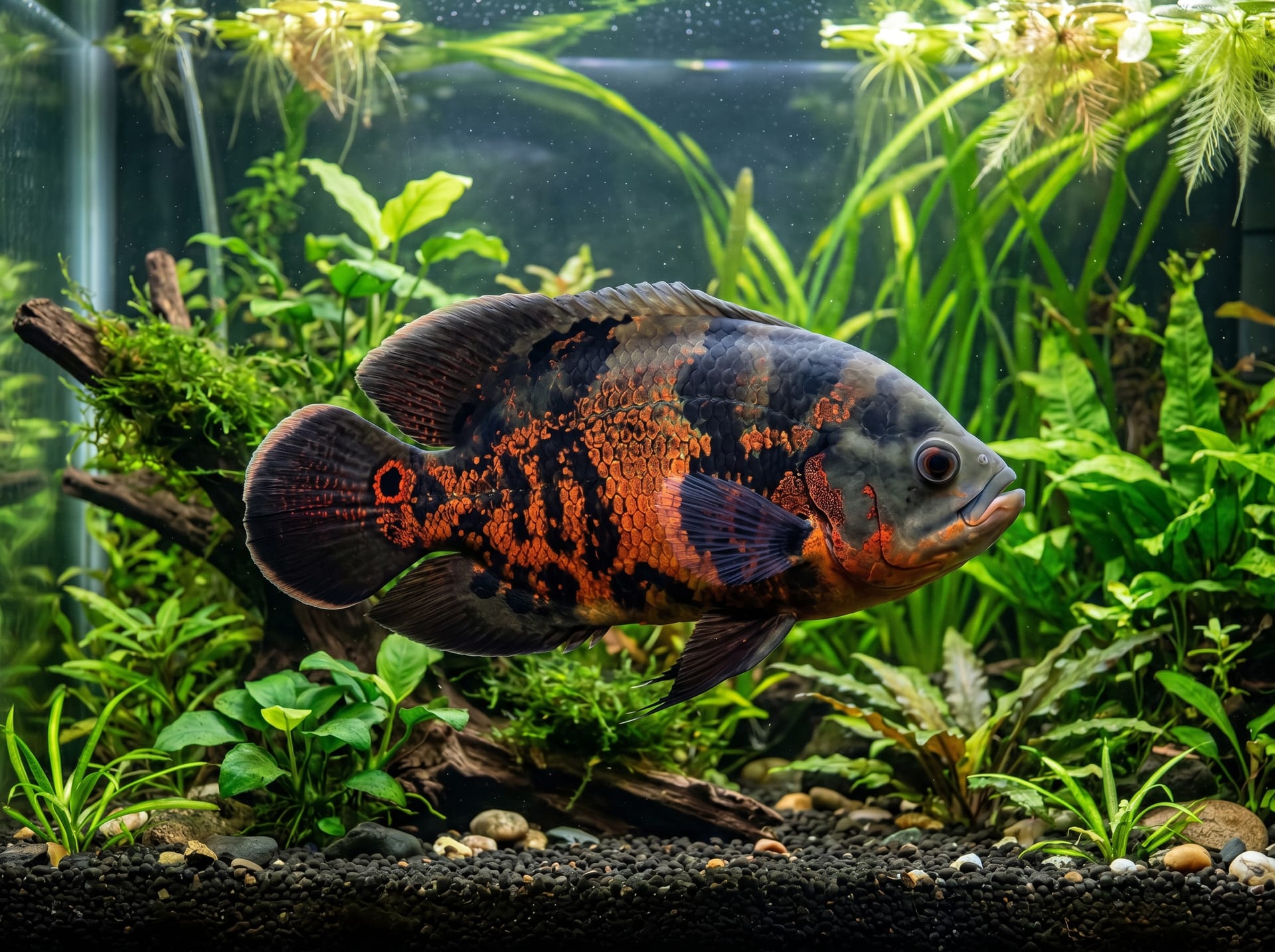
The Oscar Fish (scientific name: Astronotus ocellatus) is a large cichlid native to the Amazon Basin in South America, with adults reaching 30–40 cm in length. Its striking dark orange and black marbled pattern is beautiful, and it is sometimes called "the dog of tropical fish" due to its strong affinity for its keeper and pronounced individual personality.
It has a long history as a pet, and many selectively bred varieties exist, such as Tiger Oscar, Red Oscar, and Albino Oscar. With a lifespan of 10–15 years under proper care, it is beloved by keepers as a long-term companion.
However, because it is a large fish, it requires a spacious tank, a powerful filter, and substantial feeding. Many failures occur due to impulse buying, so this guide provides detailed explanations from basic care to breeding.
Designing the Care Environment
How to Choose Tank Size
Oscar Fish grow very quickly, often exceeding 20 cm in a single year. Assuming they will eventually reach 30–40 cm, even for solo care, prepare a minimum of 180 L (equivalent to 60×45×60 cm), ideally 300 L or more.
If you aim to breed a pair, a tank of 450–600 L is necessary. In cramped tanks, stress from territorial disputes and growth disorders become more likely.
| Care Type | Minimum Volume | Recommended Volume |
|---|---|---|
| Solo | 180 L | 250 L or more |
| Pair rearing | 350 L | 450 L or more |
| Multiple mixed habitation | 600 L | 900 L or more |
Filter System
Because Oscar Fish excrete heavily, the filtration needs processing capacity of 4–5 times the tank volume per hour or more. Ideal setups are either an upper filter combined with an external filter, or two large external filters running in parallel.
Sponge filters are effective as a supplement to biological filtration, but maintaining water quality with only a sponge filter is difficult. Activated carbon is useful for adsorbing ammonia and harmful substances, but it requires replacement every month.
Water Quality Parameters
| Parameter | Recommended Value |
|---|---|
| Water Temperature | 25–28°C |
| pH | 6.5–7.5 |
| Hardness | 5–20 dGH |
| Ammonia | 0 ppm |
| Nitrite | 0 ppm |
| Nitrate | 40 ppm or less |
Water changes should be done 1–2 times per week, at a rate of 20–30% of the tank volume. Since this species easily accumulates nitrates, frequent water changes are key to maintaining health.
Feeding Management
Staple Foods and Supplementary Foods
Oscar Fish are strongly carnivorous and in the wild consume small fish, crustaceans, and insects. The following feeds are recommended in captivity.
Staple Foods (Prepared Feeds)
- Floating or sinking pellets for large fish (8–12 mm diameter)
- Oscar-specific feeds are recommended as their protein and fat balance is optimized
Supplementary Foods (1–2 times per week)
- Frozen shrimp (with shell): effective for calcium and mineral supplementation
- Frozen crayfish: they eat them eagerly, but overfeeding causes obesity
- Goldfish fry (live food): low nutritional value and parasitic risk, so frequent use should be avoided
Caution Against Overfeeding Oscar Fish are voracious and will eat all they are given. Feed them 1–2 times daily, using as a guideline the amount they can finish within 5 minutes. Overfeeding is the primary cause of both water quality degradation and obesity.
Precautions During Care
Regarding Tank Mates
Because Oscar Fish are large carnivorous fish, any fish small enough to fit in their mouth will be eaten. Compatible tank mates are limited to fish of equal or larger size.
Examples of Compatible Tank Mates
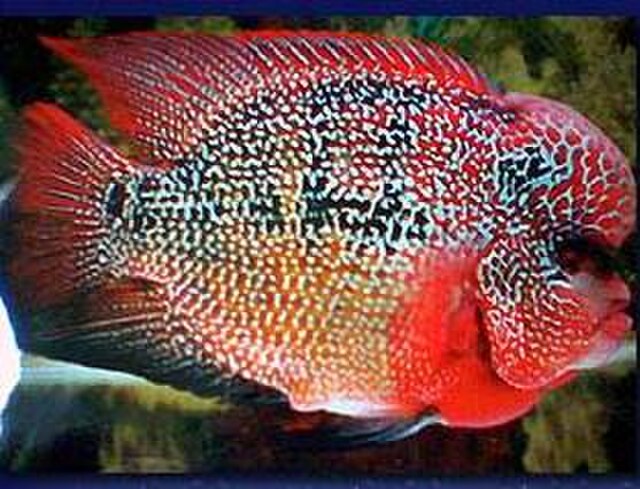
- Flowerhorn (roughly the same size)
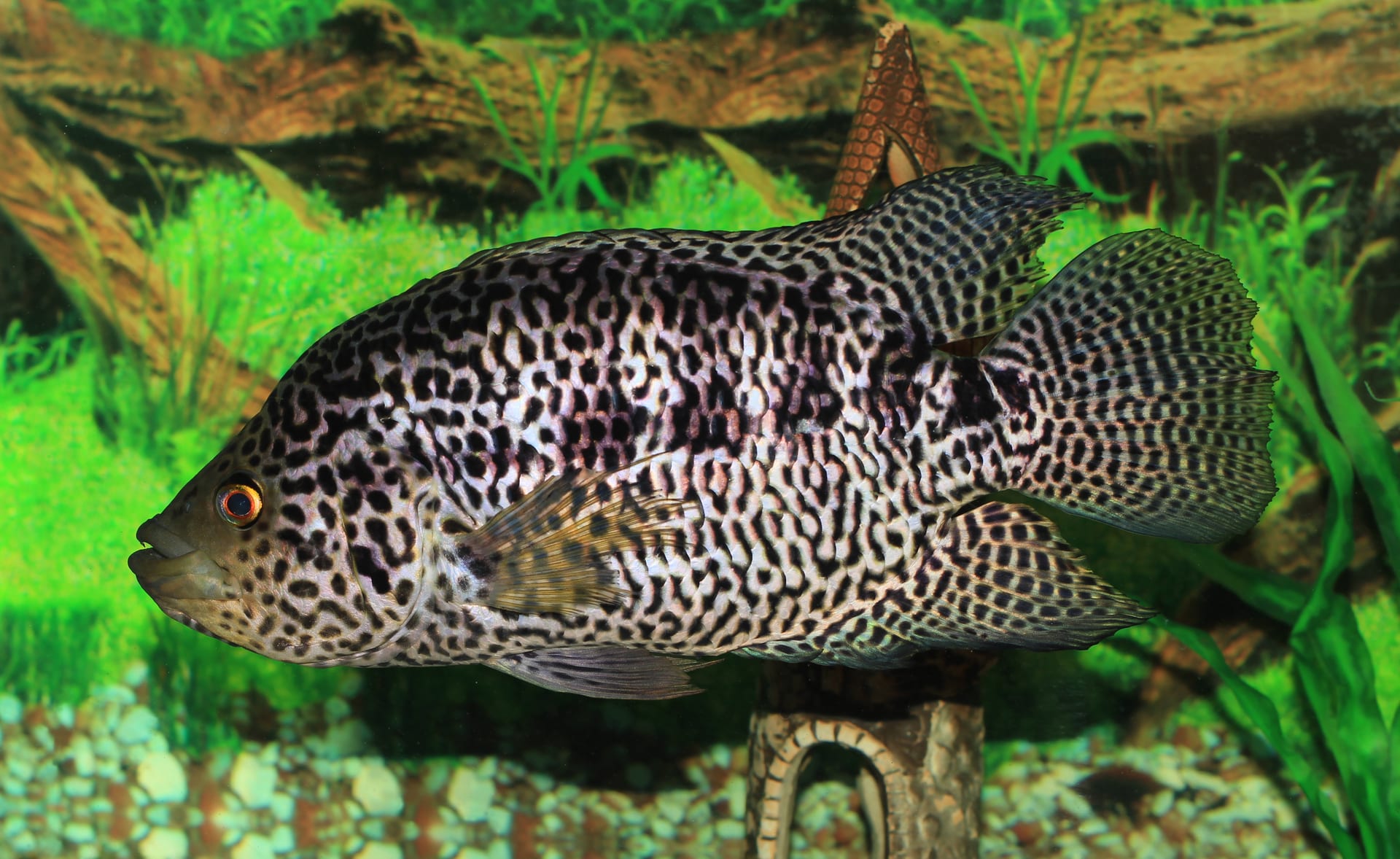
- Black Belt and Jaguar Cichlid (note their aggression)
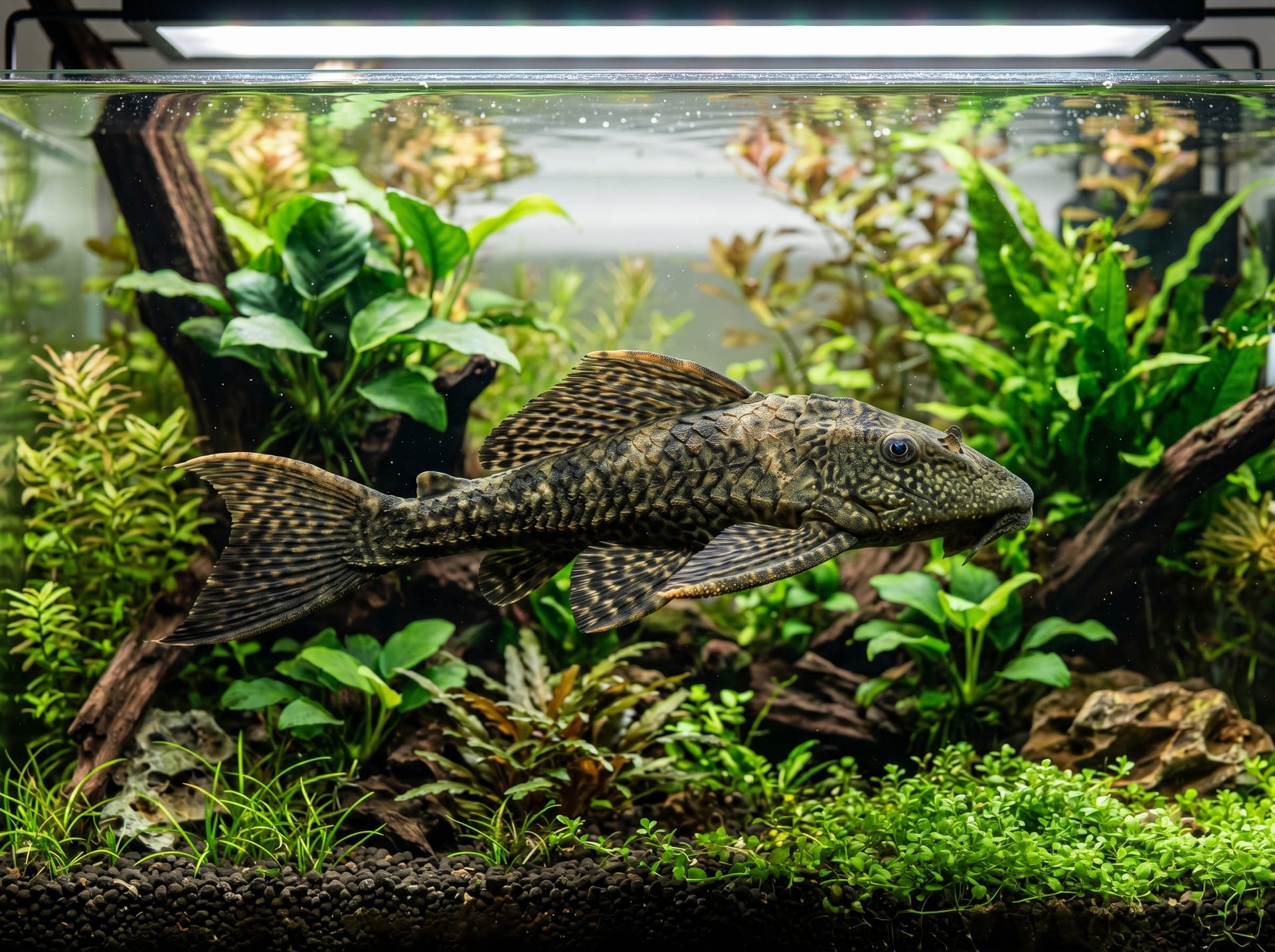
- Large Plecos: also serve a bottom-cleaning function
Incompatible Tank Mates
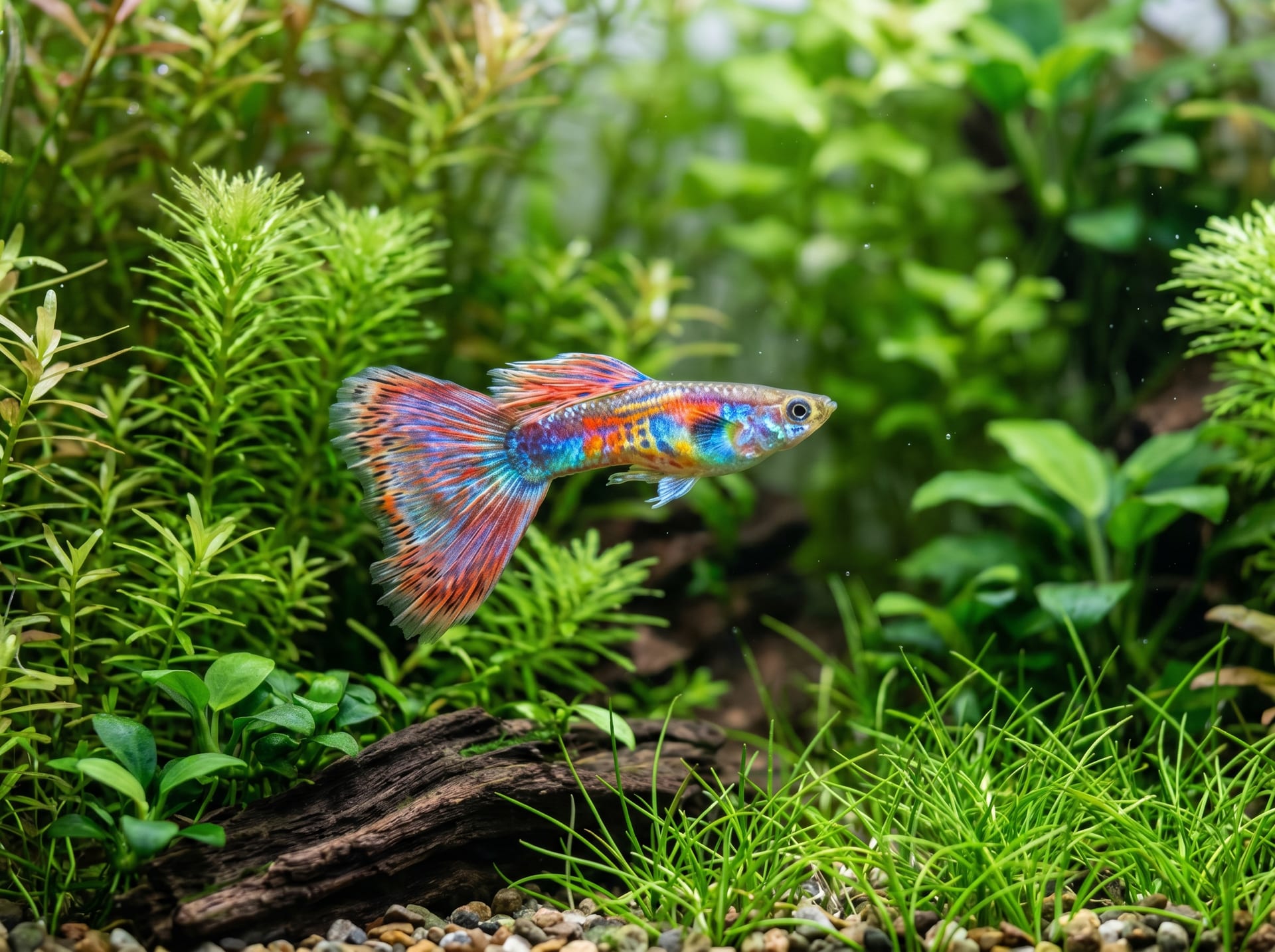
- Small fish such as Tetras and Guppies (will be eaten)
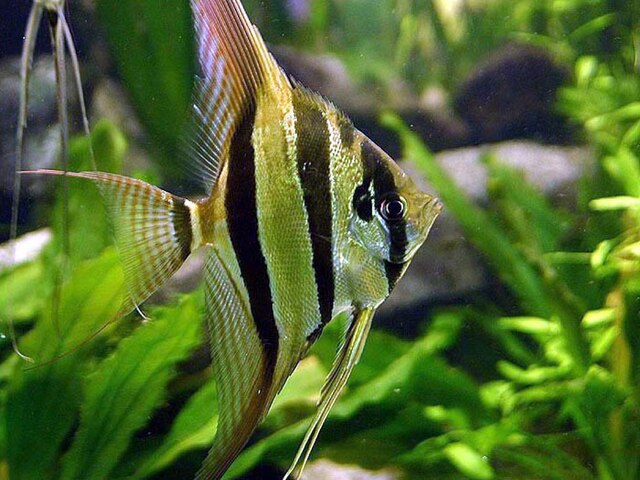
- Angelfish (they bite the fins)
- Multiple males of the same species (territorial fights cause injury)
Diseases and Prevention
Common diseases in Oscar Fish are as follows:
Hole-in-the-Head (HITH) Disease A disease where holes form on the head and body sides. Causes are believed to include poor water quality, nutritional deficiency, and excessive use of carbon-based filter media. Maintaining clean water conditions and proper activated carbon management prevent this disease.
Ich (White Spot Disease) It occurs when water temperature fluctuates suddenly or immunity drops. Raising the water temperature to 28°C and adding salt at a concentration of 0.3–0.5% improves most cases.
Bacterial Infection (Aeromonas) It causes ulcers on the body surface and raised scales. Early detection and treatment with antibacterial agents (such as Green F Gold Liquid) are effective.
Pairing and Breeding
How to Distinguish Sex
Oscar Fish lack obvious sexual dimorphism compared to females, making visual identification difficult. During breeding season, the ovipositor (females) and sperm duct (males) become visible, allowing sex determination.
A reliable method is to raise 6–8 juveniles (5–8 cm) together and let them form pairs naturally. Once a pair shows synchronized behavior, move the other individuals to a separate tank.
Pair Requirements
Guidelines for a mature breeding-ready pair:
- Age: 1 year or older, body length 20 cm or more
- Health: active and voracious
- Behavior: they perform liplocking (mouth-to-mouth contact)
Preparing for Spawning
The following environmental factors are important for inducing spawning:
- Preparing a spawning site: Keep flat stones, slate tiles, or the large tank bottom clean. Oscar Fish have strong territorial instincts and dig spawning sites on the bottom.
- Stimulation by water changes: Performing larger water changes than usual (30–40%) and slightly lowering the water temperature (1–2°C) can induce spawning.
- Improving nutritional condition: For 2–3 weeks before spawning, increase protein-rich supplementary foods to build up the parents' stamina.
Spawning and Hatching
When ready, the pair begins cleaning the bottom surface or stone surface with their mouths. This is a behavioral sign before spawning.
In a single spawn, they produce 300–2,000 eggs. Since parents guard the eggs fiercely, keep no other fish in the tank during spawning.
At a water temperature of 26–28°C, eggs hatch 2–3 days later. Newly hatched fry carry yolk sacs and cannot move independently for the first few days.
Fry Rearing
0–7 Days Old (Yolk Sac Stage) Parents guard the fry collectively. Feeding is not necessary at this stage. To avoid stressing the parents, keep water changes minimal (15% or less).
7–21 Days Old (Early Feeding Stage) Feed nauplii of brine shrimp (Artemia) 3–4 times daily. Growth is rapid, reaching nearly 1 cm in two weeks.
21 Days to 3 Months (Growth Stage)
- Gradually transition from brine shrimp to frozen copepods and then to small pellets
- Growth variation emerges, so separate larger and smaller individuals
- Perform daily water changes of 20–30% to prevent water quality deterioration
Since fry may be eaten if left with parents, it is safer to move the parents to a separate tank about 7–10 days after hatching. However, high-quality pairs have strong parenting abilities and may continue to protect the fry for extended periods.
The Path to Becoming a Breeder
To become an Oscar Fish breeder, first establish a stable breeding environment (450 L or larger breeding tank). Breeding and selecting selectively bred varieties (Tiger, Red, Albino, Super Red, etc.) offers the potential to produce valuable individuals.
Selling Oscar Fish does not require registration as a Class I animal handler under the Animal Protection and Management Law (registration is limited to mammals, birds, and reptiles). By utilizing a breeder direct-sales platform, direct sales without pet shop intermediaries are possible.
Oscar Fish are popular with strong enduring demand, and high-quality individuals are treasured by enthusiasts. Leveraging years of rearing experience, we encourage you to take on the challenge of breeding.