Mandarin Fish Care Guide | Feeding Methods and Natural Copepod Maintenance | ブリちょく
Marine Fish| ✍️ BreederDirect Editorial
Mandarin Fish Care Guide | Feeding Methods and Natural Copepod Maintenance
Explains mandarin fish care methods. Introduces natural copepod breeding maintenance, feeding methods, and appropriate aquarium environments.
Key Takeaways
Explains mandarin fish care methods. Introduces natural copepod breeding maintenance, feeding methods, and appropriate aquarium environments.
Related Species
What is the Mandarin Fish? Its Appeal and Difficulty in Keeping
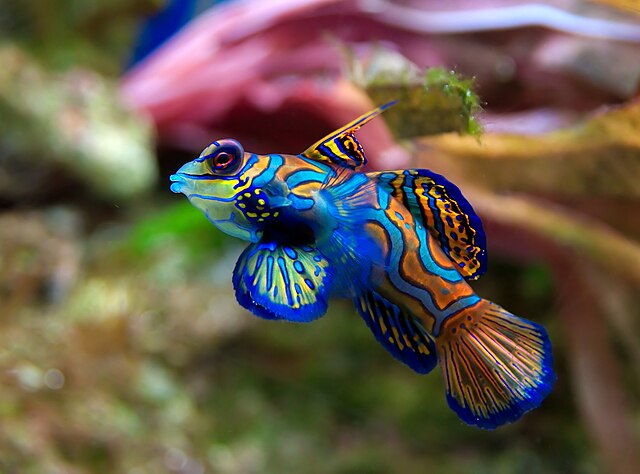
The Mandarin Fish (scientific name: Synchiropus splendidus) is one of the most beautiful species inhabiting coral reefs. Its psychedelic body coloring, with intricate combinations of blue, green, orange, and red, is so striking it's often called a "living work of art." It's also popular in aquariums, and many aquarists dreaming of keeping marine fish have once fantasized about raising one.
However, despite its beauty, the Mandarin Fish is known as one of the most difficult marine fish to keep in captivity. The primary reason is extremely picky eating habits. In nature, they primarily feed constantly on tiny crustaceans such as copepods (Copepoda) and amphipods (Amphipoda), and many individuals refuse artificial food almost entirely. Additionally, while their scaleless bodies covered in mucus are believed to offer resistance to disease, they are prone to physical injury.
The foundation of successful care lies in "solving the feeding problem." This article provides a detailed explanation of specific methods based on current care knowledge as of 2026.
---
Creating an Environment for Natural Copepod Reproduction and Maintenance
The first step in successfully keeping a Mandarin Fish is establishing an aquarium environment where copepods can naturally occur and proliferate. Rather than thinking of feeding as simply "supplying food," the key concept is "establishing a functioning ecosystem within the tank." Specific cultivation procedures are detailed in our Rotifers & Copepod Culture Guide.
Setting Up a Refugium
A refugium is an "isolated section" created within the main tank or sump. By cultivating marine algae such as Chaetomorpha and related species in this area, you create a safe breeding ground for copepods. Since predators exist in the main tank, adult and juvenile copepods that proliferate in the refugium are naturally supplied to the main tank through overflows and similar mechanisms.
Refugium lighting on a reverse photoperiod (lit while the main tank is dark) also helps stabilize pH
✍️
BreederDirect Editorial
The BreederDirect editorial team specializes in care information for animals, covering veterinary care and breeding to deliver beginner-friendly guides.
Find Marine Fish on BreederDirect
Buy directly from verified breeders
Browse Related Listings
Find Marine Fish listings related to this article on BreederDirect. Buy directly from verified breeders.
Thin out algae regularly to prevent nutrient accumulation
Aim for a refugium volume of approximately 20–30% of total sump volume
Abundant Live Rock
Porous live rock serves as habitat for copepods and other microorganisms. The larger the surface area, the more organisms can establish themselves, so place sufficient quantity relative to tank volume (approximately 0.1–0.15 kg per liter) in your aquarium. Mature live rock—cured for several months or longer after purchase—hosts richer biological diversity than newly acquired rock.
Copepod Culturing in Separate Containers
Culturing commercially available copepods (such as Tigriopus species) separately and regularly introducing them to the main tank is also effective. Fill a culture container (a 10–20 L plastic tub works fine) with seawater, provide phytoplankton as food, and they propagate relatively easily. Aim for weekly or twice-weekly additions.
Tank Size and Establishment Period
A tank measuring 90 cm or larger is recommended for Mandarin Fish care. This isn't merely a matter of swimming space—it reflects the ecosystem scale necessary to sustain copepod populations in the tank. Additionally, copepods won't stabilize unless the environment has been established for at least 6 months or longer. Patience in setting up the environment before introducing fish is the shortcut to success.
---
Steps for Acclimating to Prepared Foods
Relying solely on copepods carries high risk; transition to prepared foods is essential for long-term stable husbandry. However, acclimating Mandarin Fish to prepared foods requires patience and ingenuity.
Step 1: Start with Frozen Brine Shrimp
The most readily accepted food is frozen brine shrimp (Artemia). Since it lacks the movement of live prey, individuals may initially ignore it; however, most will gradually begin eating if you persistently offer it while creating movement with water flow.
Step 2: Mixed Feeding with Frozen Copepods
Once your Mandarin eats frozen brine shrimp, mix in frozen copepods. Frozen copepods resemble live prey in shape and size, matching what Mandarins instinctively prefer. Observe daily feeding behavior at this stage.
Step 3: Introduction of Pelletized Foods
Once feeding is stable, gradually blend in small amounts of prepared pellet food (mashed or pelleted formulations). Rather than switching abruptly, gradually increase the ratio over time. Building positive feeding experiences is key; if rejection continues, return to the previous step.
Purchasing Pre-Acclimated Individuals: An Alternative
The above process can take weeks to months, presenting a significant challenge for beginners. A practical alternative is purchasing pre-acclimated individuals. If an individual is already confirmed to eat frozen or prepared foods, the difficulty level drops substantially. We strongly recommend asking the seller before purchase: "What is it eating?" and "Has feeding been confirmed?"
---
Aquarium Environment and Water Quality Management
Mandarin Fish husbandry centers on reef tank (coral tank) setups. Maintain the following environmental parameters:
Parameter
Target Range
Temperature
24–26°C
Specific Gravity
1.023–1.025
pH
8.1–8.3
Nitrate
10 ppm or below (ideally 5 ppm or less)
Phosphate
0.03 ppm or below
Water flow should be weak to moderate. Excessive flow impedes feeding and causes energy depletion. A 5 cm layer of fine-grade aragonite sand supports microorganism colonization. Standard reef lighting is adequate, though Mandarins prefer dimmer areas, so provide ample shelter and shadowed spots among live rock.
---
Tankmates and Compatibility
Mandarin Fish are peaceful and compatible with most marine fish and corals. However, several precautions apply. Refer to our Coral Reef Fish Compatibility Guide for detailed pairings.
Never house males together: Same-sex males fight intensely, sometimes fatally. Pair keeping (one male + one female) is the standard approach.
Avoid large, aggressive fish: Their small size and slow movements make them easy targets for predation and harassment.
Watch for feeding competition: Aggressive feeders can prevent Mandarins from accessing food.
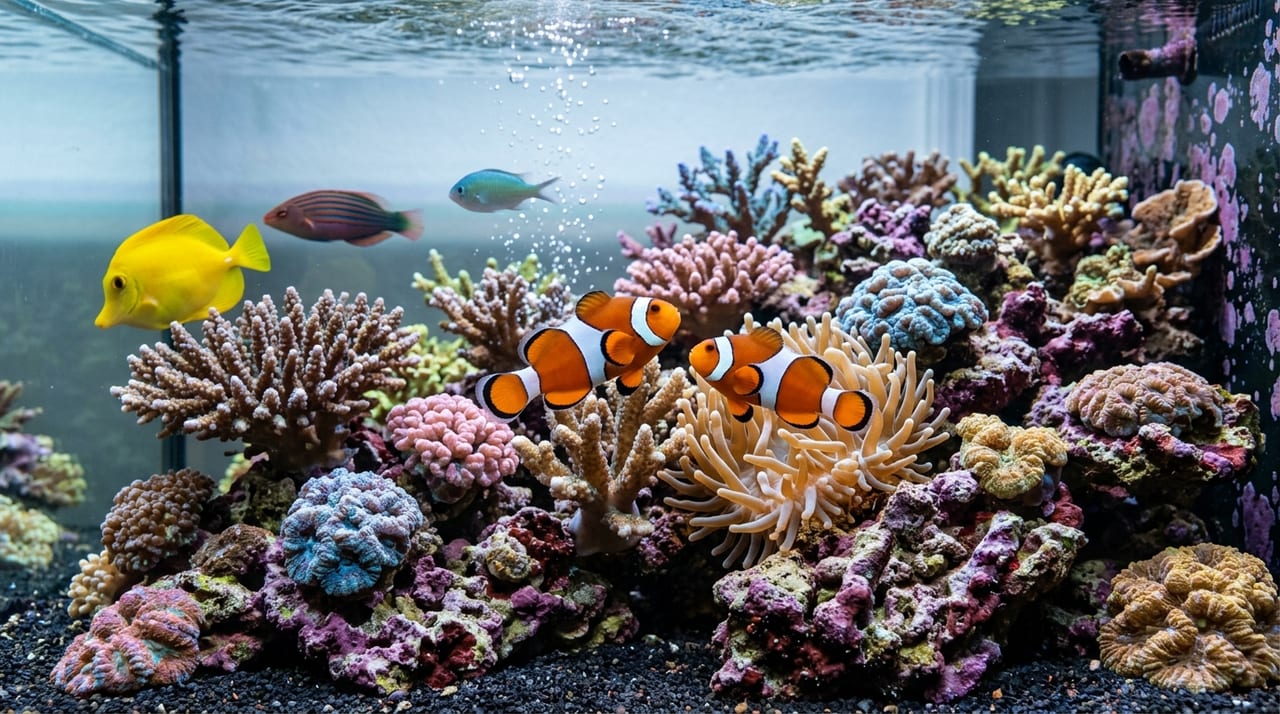
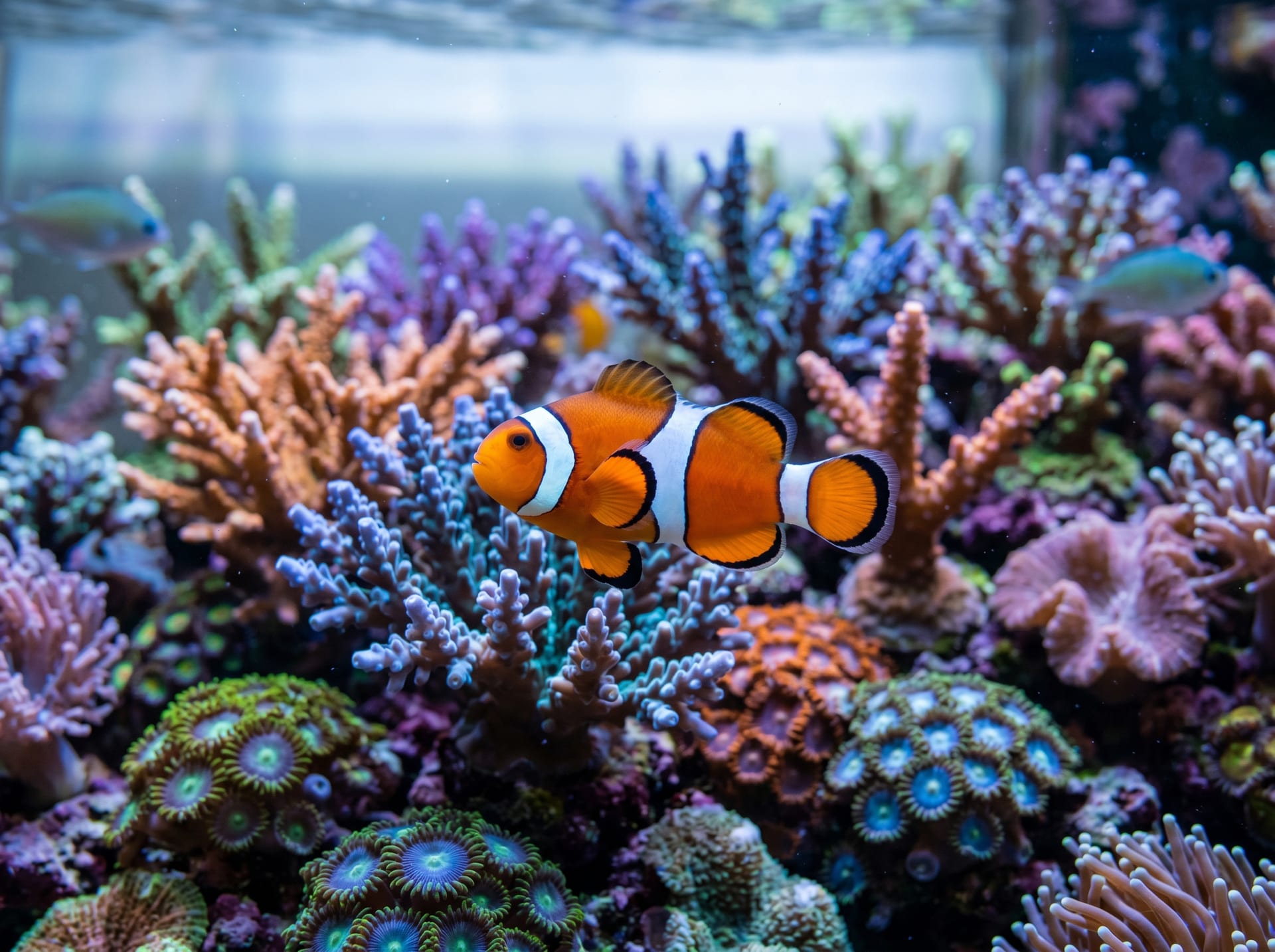
Compatible tankmates: Small goby species, small dottyback species, Ocellaris Clownfish, and other peaceful fish.
Sexual dimorphism is typically determined by examining the first dorsal spine: males have a thin, elongated tip. Breeding pairs may exhibit courtship behavior (swimming side-by-side near the surface) in the evening hours.
---
br-choku's Reliable & Safe Systems
The most reliable way to overcome the greatest challenge in Mandarin care—the "feeding problem"—is to purchase pre-acclimated individuals from a trusted breeder.
[br-choku](/) connects you directly with breeders who actively raise and breed Mandarin Fish. Bypassing retail channels means you can ask the breeder directly about individual condition, feeding status, and rearing history—the greatest advantage.
Feeding confirmation: Verify specific details like "eats frozen brine shrimp" or "accepts pellets" before purchase.
Husbandry advice: Freely ask the seller about care requirements and precautions.
Traceability: Know exactly what environment the fish was raised in.
While Mandarin Fish earn a reputation for difficulty, proper setup and a pre-acclimated individual make long-term success achievable even for beginners. Find your ideal specimen on br-choku's Marine Fish Marketplace and enjoy this mystical beauty in your home aquarium.