Individual Identification of Saltwater Fish and How to Keep Care Records | Long-term Management with Photos, Weight, and Behavior Logs
Learn methods for identifying individual saltwater fish and keeping care records for long-term husbandry. From photo-based identification and growth logs to early disease detection and breeder record management, we provide practical information for keeping your beloved fish healthy.
Key Takeaways
Learn methods for identifying individual saltwater fish and keeping care records for long-term husbandry. From photo-based identification and growth logs to early disease detection and breeder record management, we provide practical information for keeping your beloved fish healthy.
Why Individual Identification of Saltwater Fish Is Important
When keeping saltwater fish, you might notice things like "that fish seems less energetic lately" or "it's grown larger than last year." However, when keeping multiple fish or in environments with many similarly-patterned specimens, it becomes difficult to track which individual is in what condition.
Benefits of individual identification and care record-keeping:
- Early disease detection (past records make it easier to notice changes)
- Growth records double the joy of keeping fish
- Can be utilized for breeding management as a breeder
- Serves as proof in case of loss or theft
- Can individually manage feeding amounts and condition of multiple fish
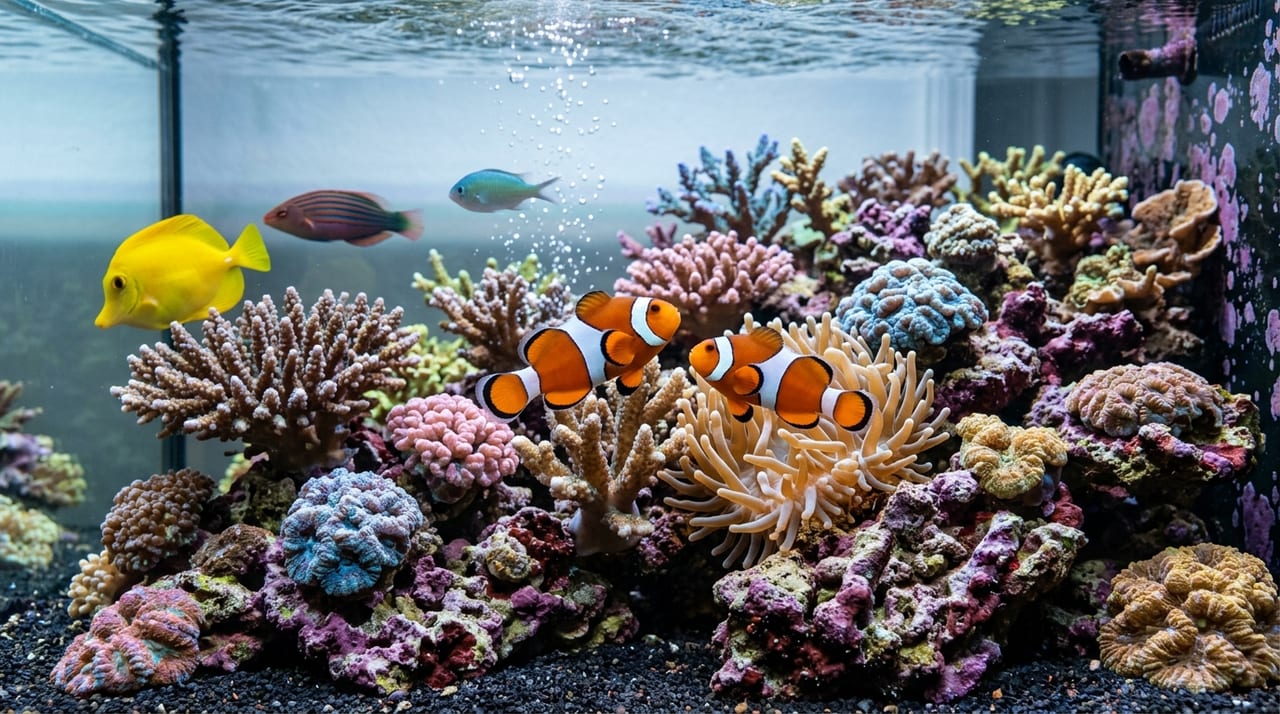
Especially when keeping multiple fish such as ocellaris clownfish, anthias, and tangs in schools, having records for each individual greatly improves health management accuracy.
---
Methods for Identifying Individual Saltwater Fish
1. Identification by Photo and Video (Most Practical)
Most saltwater fish have distinctive patterns, scars, and fin shapes. Taking regular photos with a smartphone and recording these characteristics is the most convenient method.
Photography tips:
- Shoot close to the front glass of the tank (minimize distortion through glass)
- Use only tank lighting rather than flash (prevent reflections)
- Take multiple photos of both sides, front, and tail fin
- Including a ruler or reference object makes size changes easier to see
Examples of identification points:
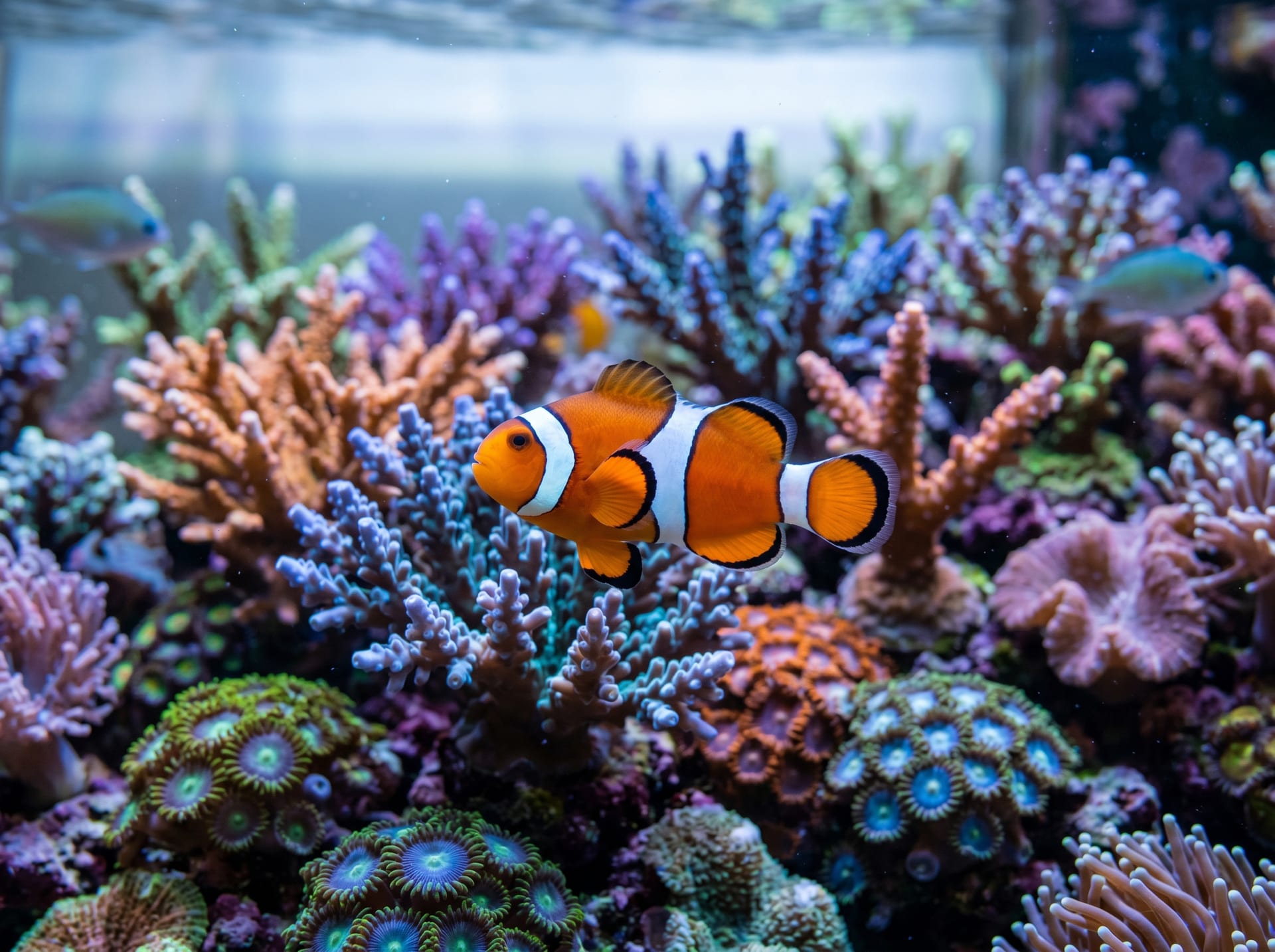
- Ocellaris clownfish: shape of white stripe outlines, pectoral fin scars
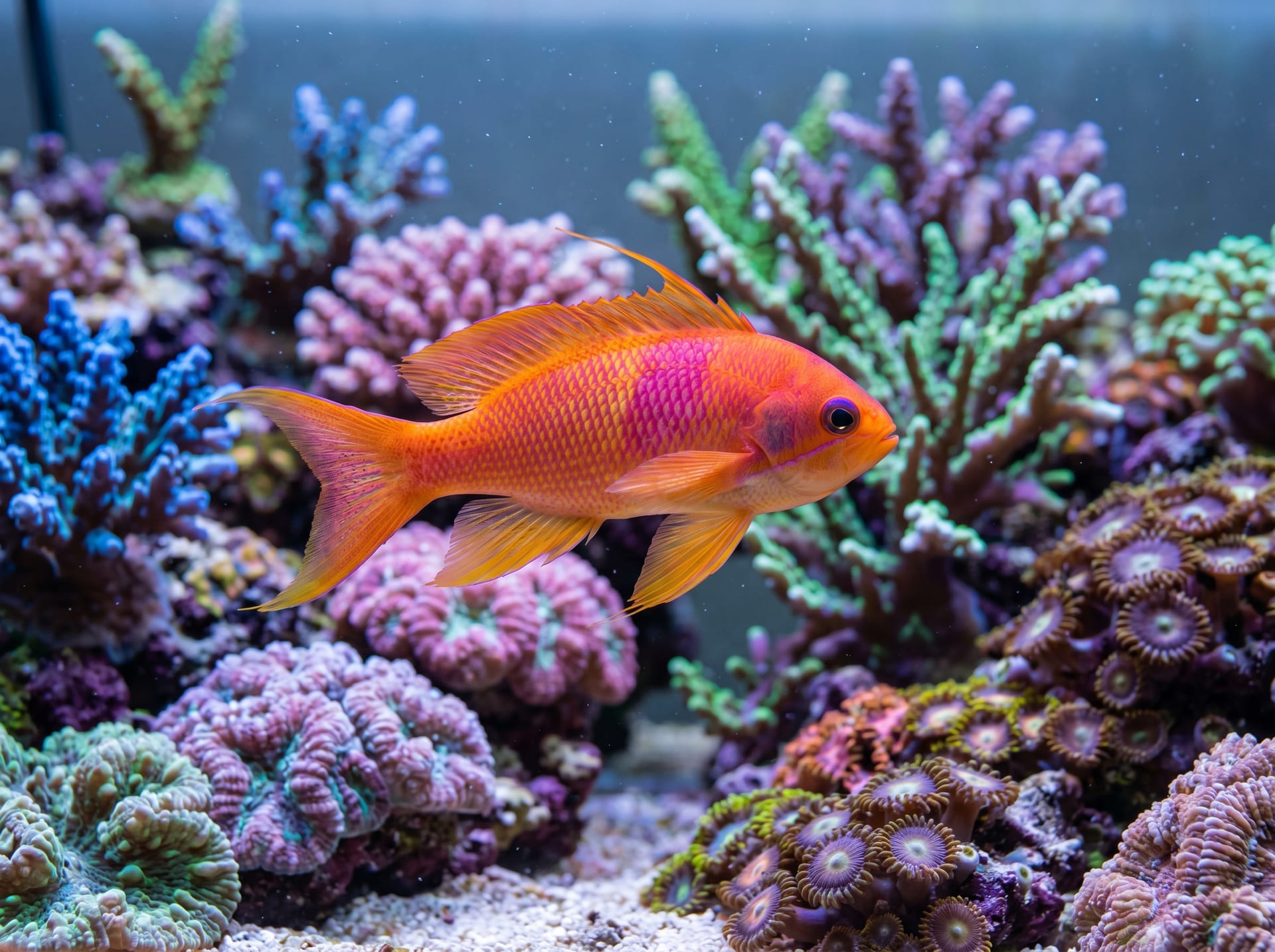
- Anthias: dorsal fin length and body spot patterns
- Yellow tang: position of tail spine and body scars
- Lionfish: number of venomous spines and pattern markings
2. Utilizing Natural Markers
Each fish has individual unique characteristics:
- Torn fins or scars (serve as identification marks if not due to illness)
- Irregular scales or scales of different colors
- Subtle differences in body spots and stripe patterns
Recording these features during initial photography allows you to confirm "this is the individual" later.
✍️
BreederDirect Editorial
The BreederDirect editorial team specializes in care information for animals, covering veterinary care and breeding to deliver beginner-friendly guides.
Find Marine Fish on BreederDirect
Buy directly from verified breeders
Browse Related Listings
Find Marine Fish listings related to this article on BreederDirect. Buy directly from verified breeders.
Related Tools
Related Articles
Browse by Category
🪸Coral
🐠Marine Fish
🐟Tropical Fish
🐡Goldfish
🐟Medaka
🦎Reptiles
Share
3. Numbering Tags (For Breeders)
For breeding purposes with multiple pairs, you can use small fish tags or marking systems. However, direct marking of saltwater fish causes significant stress, so photo-based identification is most practical for general aquarium keeping.
---
Items to Include in Care Records
Basic Profile Card (Create at Introduction)
Item
Content
Individual name/ID
Optional (example: Clownfish ①, Anthias ♂, etc.)
Species name (common/scientific)
Accurate species record
Introduction date
Date fish was acquired
Purchase source
Breeder or shop name
Introduction size
Body length (cm) estimate
Introduction photo
Both sides and front
Special notes
Scars, distinctive patterns, etc.
Daily Observation Log (Weekly to Monthly)
Date
Item
Details
〇/〇
Appearance
Good polyp extension, vibrant color
〇/〇
Feeding
Ate brine shrimp and pellets
〇/〇
Estimated length
Approximately 8 cm (↑1 cm from last month)
〇/〇
Behavior
Territorial behavior increasing
〇/〇
Abnormality
Slight spot found → disappeared next day
---
How to Keep Growth Records
How to Measure Body Length
Measuring body length in the tank is difficult, but these methods are practical:
1. Photo measurement method
Attach a reference object (ruler or scale-marked suction cup) to the tank, photograph the fish alongside it, and calculate size from the ratio.
2. Observation measurement method
Use familiar decorations or driftwood as a reference standard and estimate size visually. For example, "same size as driftwood A = 15cm."
3. Comparing fixed-point photography
Take photos at regular intervals from the same angle and location. Arranging images side-by-side makes growth changes visually clear. Organizing photos chronologically in your smartphone's photo app is convenient.
---
Recording and Utilizing Disease and Abnormality Records
Content to record:
- Discovery date and symptom details (white spot disease, cotton-like growth, excessive mucus, etc.)
- Behavioral changes (lying on bottom, unusual positioning, loss of appetite)
- Water quality data (pH, NO₃, PO₄, specific gravity, water temperature)
- Actions taken (isolation, medicated bath, water change volume and type)
- Recovery date and full recovery confirmation date
How to utilize:
Past records make cause analysis easier—for example, "last time white spot also appeared at this time of year → water temperature drop was the cause?" Detailed information can be shared with veterinarians or specialists during consultations.
---
Recommended Record-keeping Tools
Digital Management (Smartphone Use)
Photo albums
Create a "saltwater fish records" folder using iPhone's album feature or Google Photos and organize by fish—this alone provides sufficient documentation.
Spreadsheets (Google Sheets/Excel)
Create separate sheets for each individual, recording dates, observations, and photo links. Free to start and accessible from your smartphone.
Dedicated aquarium apps
Apps like "Aquarimate" or "AquaTracker" allow unified management of tank parameters, livestock lists, and maintenance records.
Analog Management (Handwritten)
Pasting photos in notebooks like Moleskine and handwriting records feels intuitive and builds attachment. Breeders often create A5-sized individual fish records and file them by species.
---
Utilizing Records as a Breeder
For those aiming to breed saltwater fish, pair records are especially important:
Essential pair record items:
- Sex determination method and confirmation date
- Pair formation date
- Spawning date, egg count, and hatching date
- Larval survival rate and growth records
- Parent fish age and breeding history
For species like ocellaris clownfish that change sex, recording which individual became female is important. Accumulating breeding records reveals patterns of success and failure, informing improvements for the next breeding cycle.
---
Summary: Record-keeping Deepens Your Bond with Your Fish
Individual identification and care record-keeping for saltwater fish doesn't need to be complicated—you can start with one photo and one memo.
3 steps you can do today:
1. Photograph all your fish (both sides and front)
2. Record introduction date, species name, and distinctive features in a spreadsheet or notebook
3. Add one-line observations about condition weekly
Through continued record-keeping, you'll develop a keen eye for noticing subtle changes in your fish. Years of records become the history of you and your beloved fish. For individuals acquired directly from breeders, add the initial purchase information to create a comprehensive care profile.