How to Acclimate Marine Fish to Artificial Food | Step-by-Step Guide
A step-by-step guide for acclimating marine fish to artificial food. We explain how to transition from frozen food and strategies for difficult-to-feed species.
Key Takeaways
A step-by-step guide for acclimating marine fish to artificial food. We explain how to transition from frozen food and strategies for difficult-to-feed species.
Related Species
One of the first challenges in keeping marine fish is getting them to eat artificial food. Most wild-caught individuals have never eaten artificial food, and transitioning from frozen food or live food requires patience and technique. Based on practical experience as of 2026, this article provides detailed steps for acclimating marine fish to artificial food and strategies for difficult-to-feed species.
Why Is Acclimation to Artificial Food Important?
If you continue raising fish solely on frozen food or live food (such as brine shrimp), nutritional imbalance, the burden of storing and managing food, and the risk of water quality deterioration increase. Artificial food (pellets and flakes) has significant advantages: nutritional balance is built in, storage is easy, and it doesn't pollute the water as much.
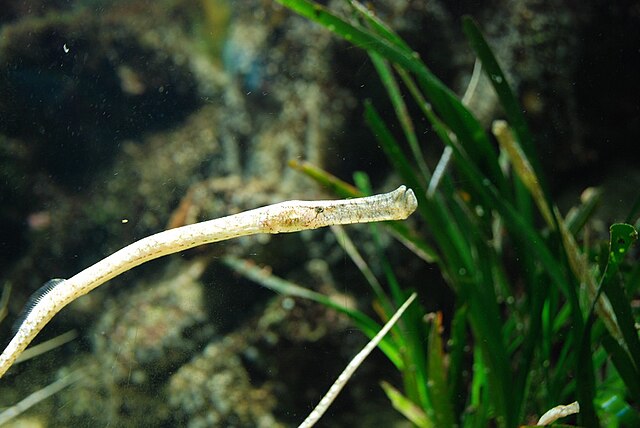
However, not all marine fish can be acclimated to artificial food. Some butterflyfishes and pipefish are extremely difficult to transition to artificial food. It's important to research the difficulty of acclimation before purchasing.
Basic Steps for Acclimation
- Step 1: First, find food that the fish will eat. It's normal for newly introduced fish to not eat for several days due to stress from environmental change. Observe for 3–5 days and first identify food that the fish will definitely eat. Most marine fish respond to brine shrimp (live or frozen). Copepods and mysid shrimp also have high palatability.
- Step 2: Transition to frozen food. Once the fish start eating live food, transition to frozen food. Thaw and offer frozen brine shrimp, frozen copepods, frozen mysid shrimp, and similar foods. For most fish, the transition to frozen food progresses relatively smoothly.
- Step 3: Mix artificial food with frozen food. This is the core part of acclimation. When thawing frozen food, mix in a small amount of artificial food crushed into powder. The strategy is to have the fish consume the artificial food together, disguised by the smell and taste of the frozen food. Start with a 9:1 ratio of frozen food to artificial food, then gradually increase the ratio of artificial food.
- Step 4: Offer artificial food alone. Once the fish become accustomed to the mixed diet, try feeding only artificial food. Start with small pellets or finely crushed flakes. If the fish don't eat, don't force it; return to the mixed diet and try again.
- Step 5: Establish a stable feeding pattern. Once the fish consistently eat artificial food, establish regular feeding 2–3 times per day. However, feeding frozen food or live food 1–2 times per week helps supplement nutritional balance and reduces stress in the fish.
Strategies for Difficult-to-Feed Species
Butterflyfishes vary greatly in difficulty depending on whether they are omnivorous species or specialist feeders. Omnivorous species can be managed with gradual transitions from frozen food, but specialist feeders that eat only coral polyps are extremely difficult to transition to artificial food.
Angelfish are a group in which many species primarily feed on sponges and can struggle with initial acclimation. A "special blend" combining frozen food and seaweed is effective. If you create a mixture by powdering pellets with a mortar, mixing frozen brine shrimp and dried seaweed, and binding it with gelatin, many angelfish will respond to it.
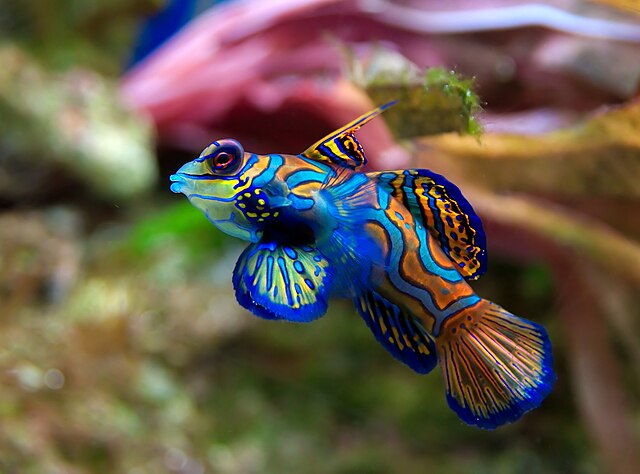
Mandarin fish primarily feed on copepods, and transitioning to artificial food is extremely difficult. In recent years, captive-bred individuals are becoming more common in distribution, and many captive-bred individuals are already acclimated to artificial food. At the time of purchase, confirm with the breeder whether the fish is already acclimated to food. Details are also explained in Mandarin Fish Care Guide.
Keys to Successful Acclimation
- Garlic extract has an appetite-stimulating effect on marine fish and is a strong ally in acclimation. If you add a few drops of garlic extract to artificial food before feeding, the fish's appetite improves dramatically.
- Fix the feeding location. This teaches the fish to recognize "food comes here." Using a target feeder (such as a dropper or dedicated feeder) to feed from the same spot is effective.
- The presence of other fish can aid acclimation. If there are fish already eating artificial food, the new fish can see them and recognize the food through a 'learning effect.'
- Using hunger is another method. If you withhold feeding for 1–2 days before offering artificial food, the fish may eat due to hunger. However, this method cannot be used on thin or weak individuals.
Strategies and Practical Techniques for Difficult-to-Feed Fish
When bringing home a fish from a shop or breeder that is not yet acclimated to artificial food, staged acclimation is necessary. Since unacclimated fish often won't eat artificial food from the start, begin with highly palatable frozen food (such as brine shrimp, mysid shrimp, copepods). Frozen food has a form and smell similar to natural prey, so most fish will eat it instinctively.
Once the fish consistently eat frozen food, mix a small amount of artificial food (flakes or pellets) into the frozen food and offer it. Start with a 9:1 ratio of frozen food to artificial food, then gradually increase the ratio of artificial food over 2–3 weeks. Once the fish actively eat artificial food, reduce the frequency of frozen food, and when they eat artificial food alone, acclimation is complete. However, for nutritional balance, it's ideal to feed frozen food or sheet algae 1–2 times per week.
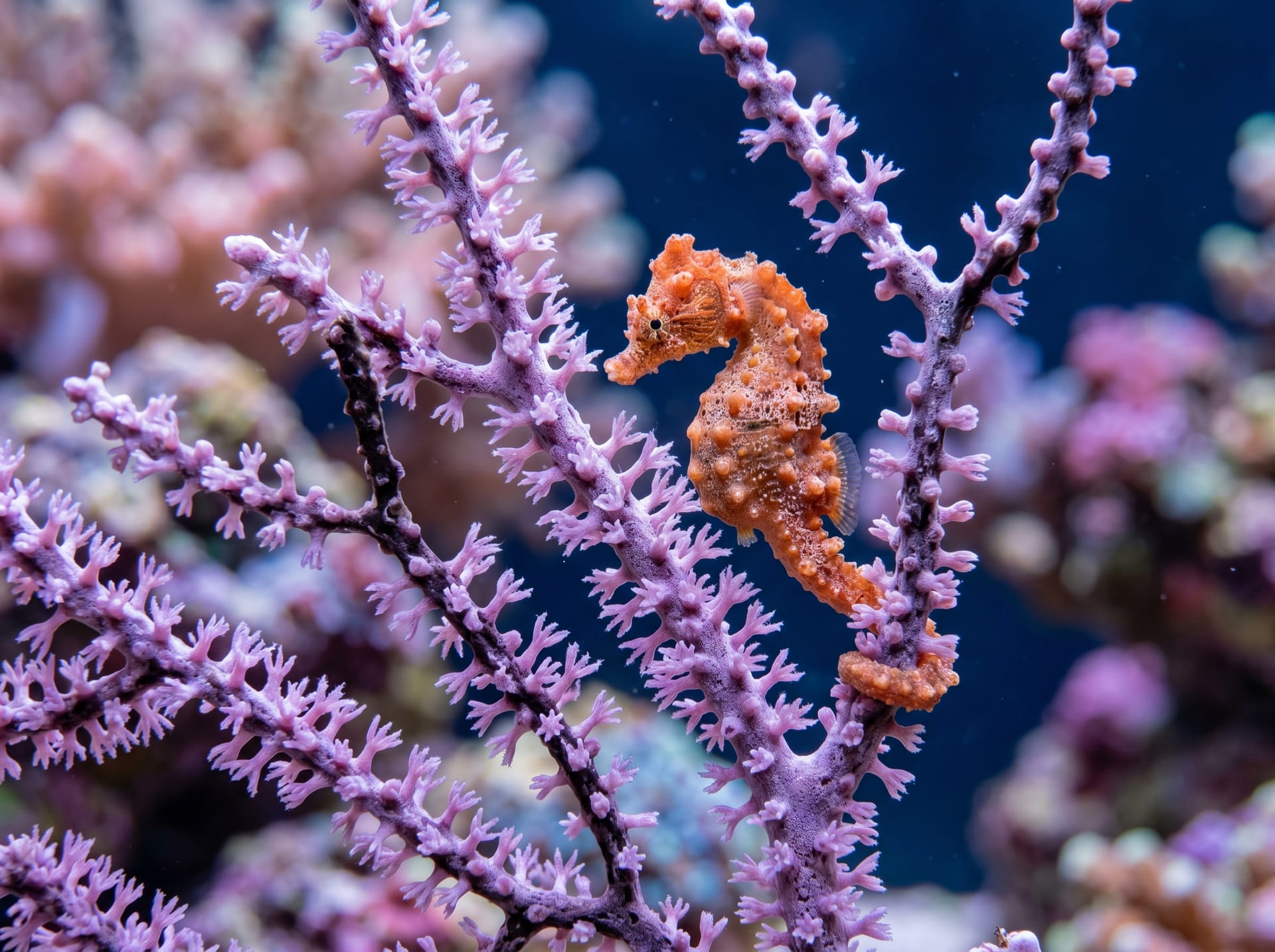
Mandarin fish and seahorses are extremely difficult to acclimate to artificial food. These fish require a continuous supply of live food such as copepods and brine shrimp. Setting up a refugium (seaweed filter) to naturally breed copepods allows for continuous food supply. Live food culture methods are detailed in Rotifers and Copepod Culture Guide.
Feed marine fish 2–3 times per day, with the amount the fish can consume in 2–3 minutes as a guide. Leftover food causes water quality degradation, so remove any remaining food with a dropper or net. For herbivorous fish (tangs and surgeonfish), keeping sheet algae in the tank allows them to eat at their leisure and helps maintain their health.
Nutritional Management and Fish Coloration
Nutritional balance of protein, fat, vitamins, and minerals is important in marine fish nutritional management. For carnivorous fish, focus on high-protein food such as mysid shrimp and krill; for herbivorous fish (such as tangs), feed seaweed sheets and flakes containing spirulina daily. Vitamin C and ω-3 fatty acids are important nutrients for maintaining fish immune function, and it's effective to sprinkle commercial vitamin supplements on frozen food before feeding. Feed 2–3 times per day, with the amount the fish can consume in 2–3 minutes as appropriate. For information on the relationship between nutritional balance and coloration, also see Marine Fish Nutritional Management and Food Type Guide.
Get Pre-acclimated Fish on BreederDirect
At BreederDirect, you can purchase marine fish that breeders have carefully raised directly from them. If the individual is already acclimated to artificial food at the breeder, stress after introduction is greatly reduced. You can also consult directly with the breeder about food types and feeding methods, making it easy to start keeping the fish.