Species compatibility is crucial for marine fish keeping. Covers compatibility of popular species like clownfish, gobies, and angelfish, and how to avoid territorial disputes.
Key Takeaways
Species compatibility is crucial for marine fish keeping. Covers compatibility of popular species like clownfish, gobies, and angelfish, and how to avoid territorial disputes.
Marine Fish Compatibility Guide | Compatible Combinations and Combinations to Avoid
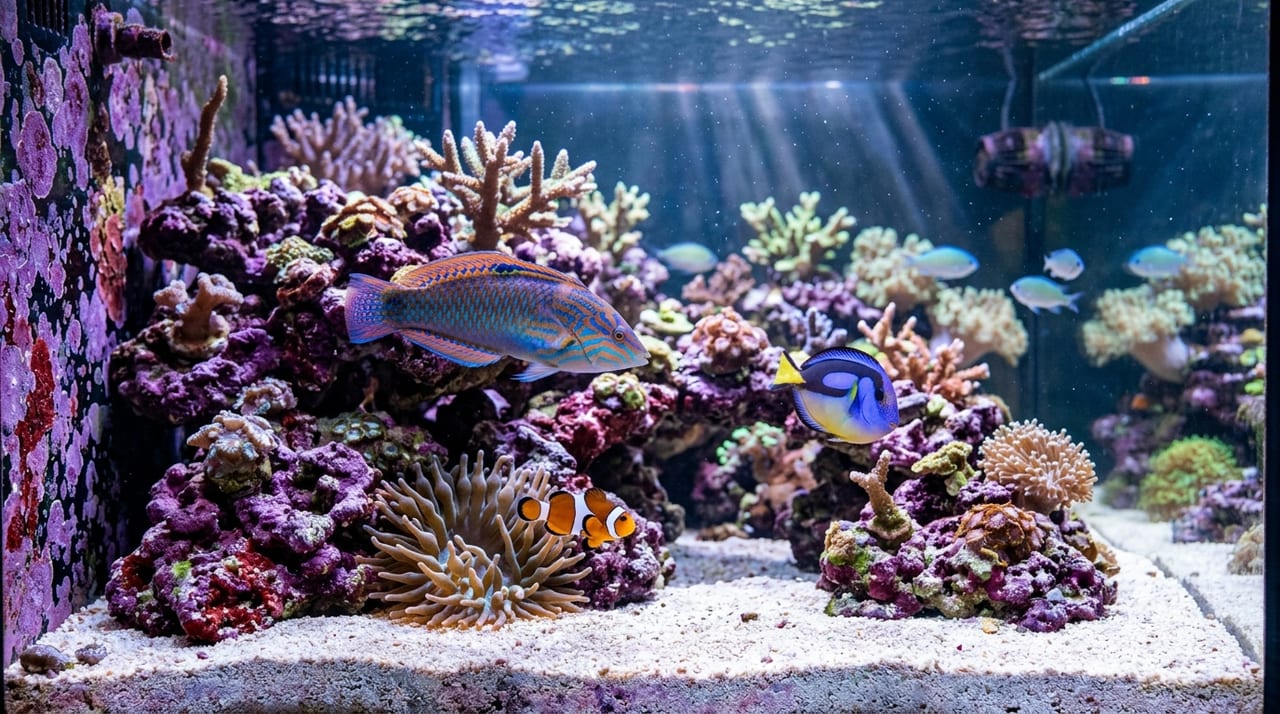
One of the joys of maintaining a marine fish aquarium is housing multiple species together, known as "mixed-species housing." However, marine fish have an even stronger territorial nature than freshwater fish, and housing them together without considering species compatibility can result in aggression and predation. This article explains the compatibility of popular marine fish species and the fundamentals for successful mixed-species housing.
✍️
BreederDirect Editorial
The BreederDirect editorial team specializes in care information for animals, covering veterinary care and breeding to deliver beginner-friendly guides.
Find Marine Fish on BreederDirect
Buy directly from verified breeders
Browse Related Listings
Find Marine Fish listings related to this article on BreederDirect. Buy directly from verified breeders.
Related Tools
Related Articles
Browse by Category
🪸Coral
🐠Marine Fish
🐟Tropical Fish
🐡Goldfish
🐟Medaka
🦎Reptiles
Share
Why Marine Fish Compatibility is Challenging
Most marine fish establish specific territories in nature and tend to become aggressive toward their own species and closely related species. Additionally, smaller fish can become food for larger fish, making size differences an important consideration.
The main factors that make mixed-species housing challenging are as follows:
Territorial disputes: Species that occupy the same territory will compete fiercely. Particularly dangerous are species whose primary living zones (bottom, middle, or top levels) overlap.
Competition among same or closely related species: Many species strongly reject individuals of their own species. It is standard practice to never house multiple individuals of the same species—particularly for angelfish and wrasses—in the same tank.
Predator-prey relationships: Fish and crustaceans small enough to fit in a larger fish's mouth will be eaten.
Differences in water quality and temperature requirements: Different species have different optimal environmental conditions, sometimes making cohabitation in the same tank difficult.
Compatibility Guide for Popular Species
Clownfish
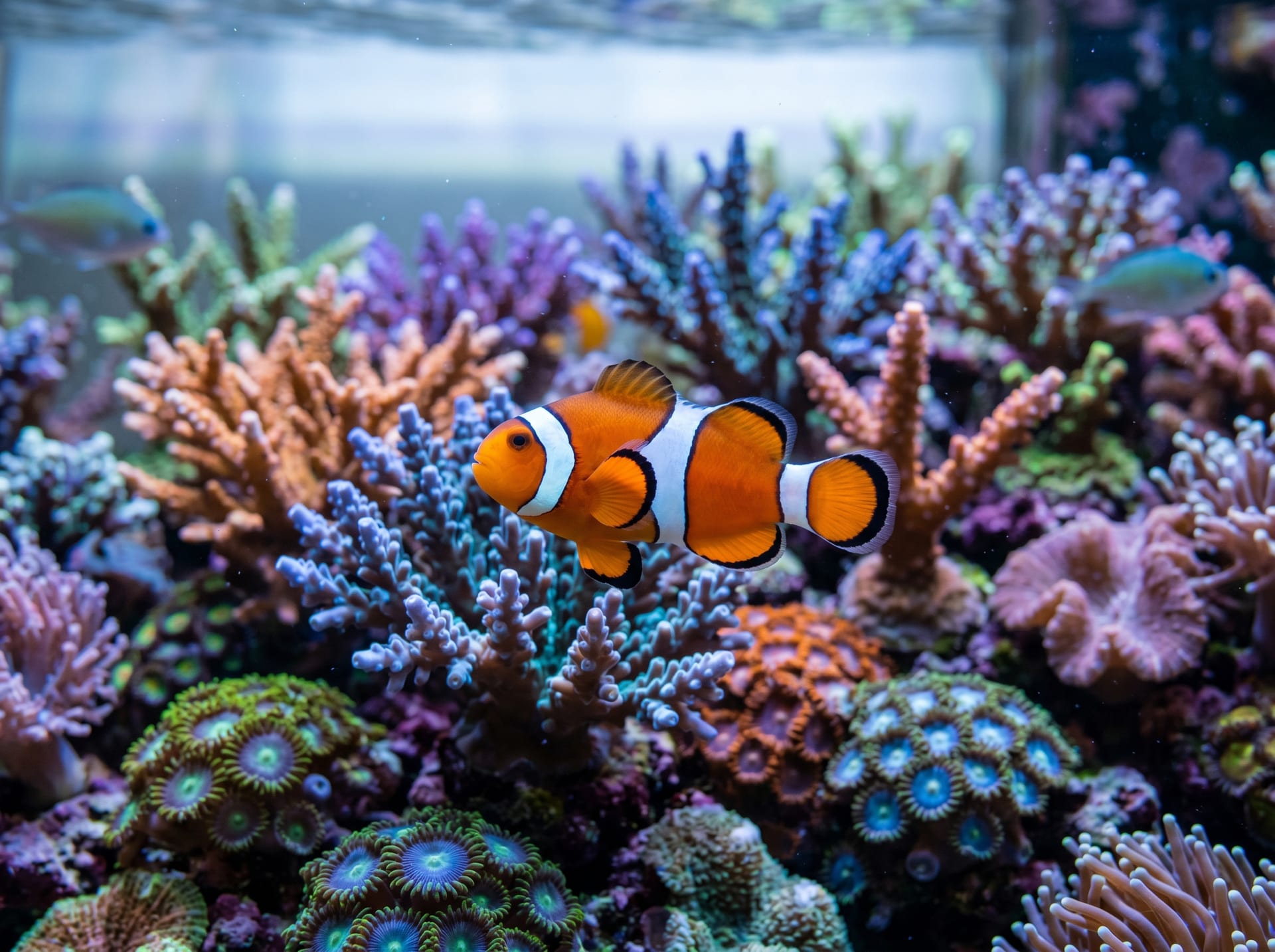
Compatible species: Gobies, damselfish, mud skippers, and generally all small reef-associated species
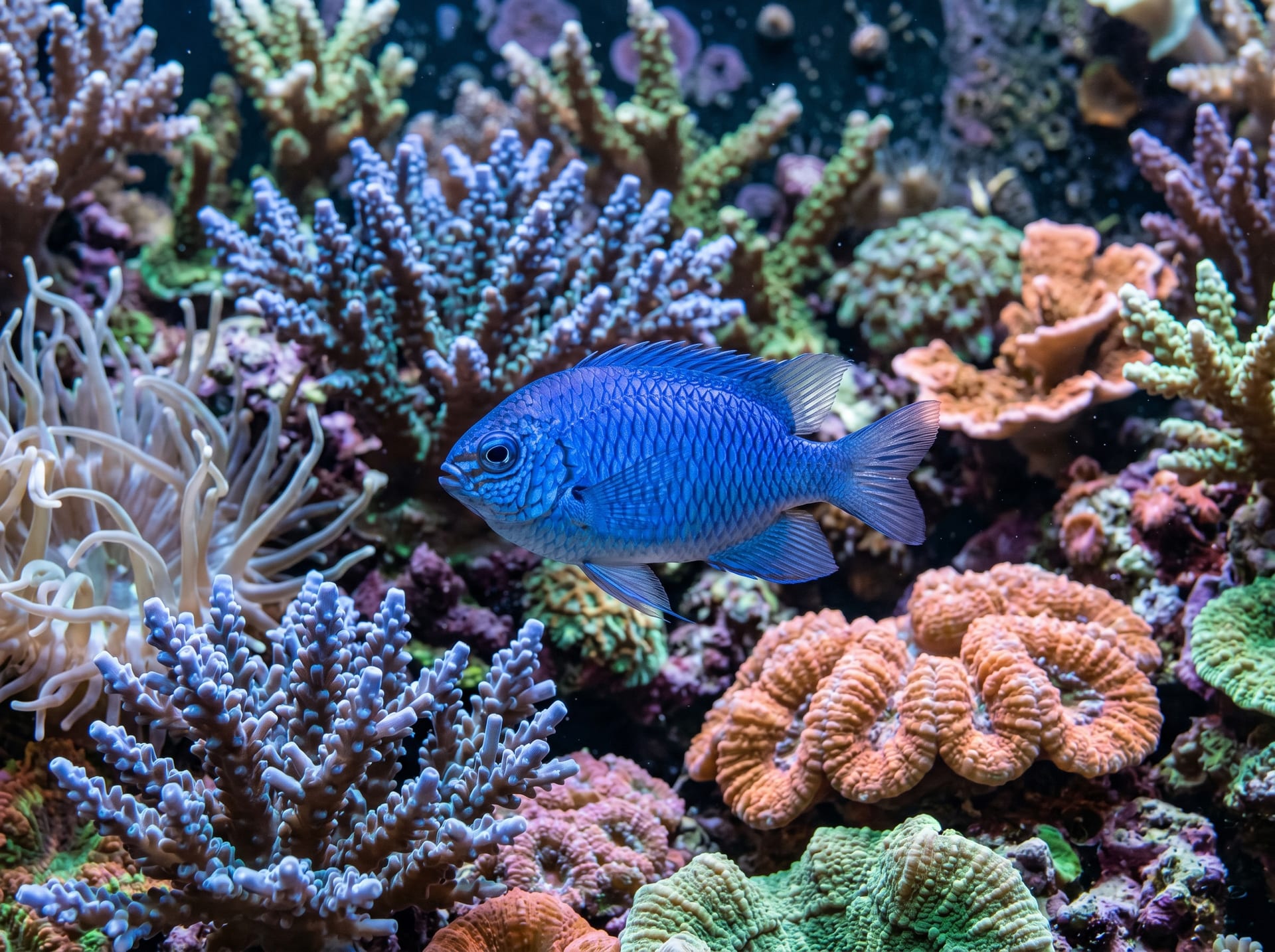
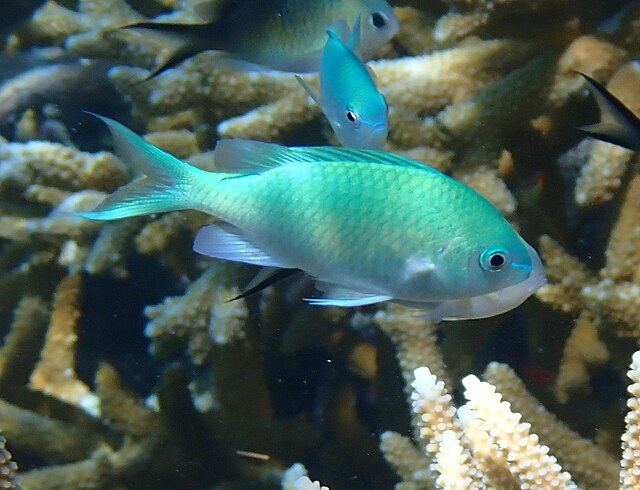
Species requiring caution: Aggressive damselfish species from the same family (such as blue chromis), and angelfish (depending on tank size)
Key points: Clownfish monopolize host anemones, so keeping one pair per tank is the standard. If housing multiple pairs, you'll need a large tank of at least 120 cm and multiple anemones.
Angelfish
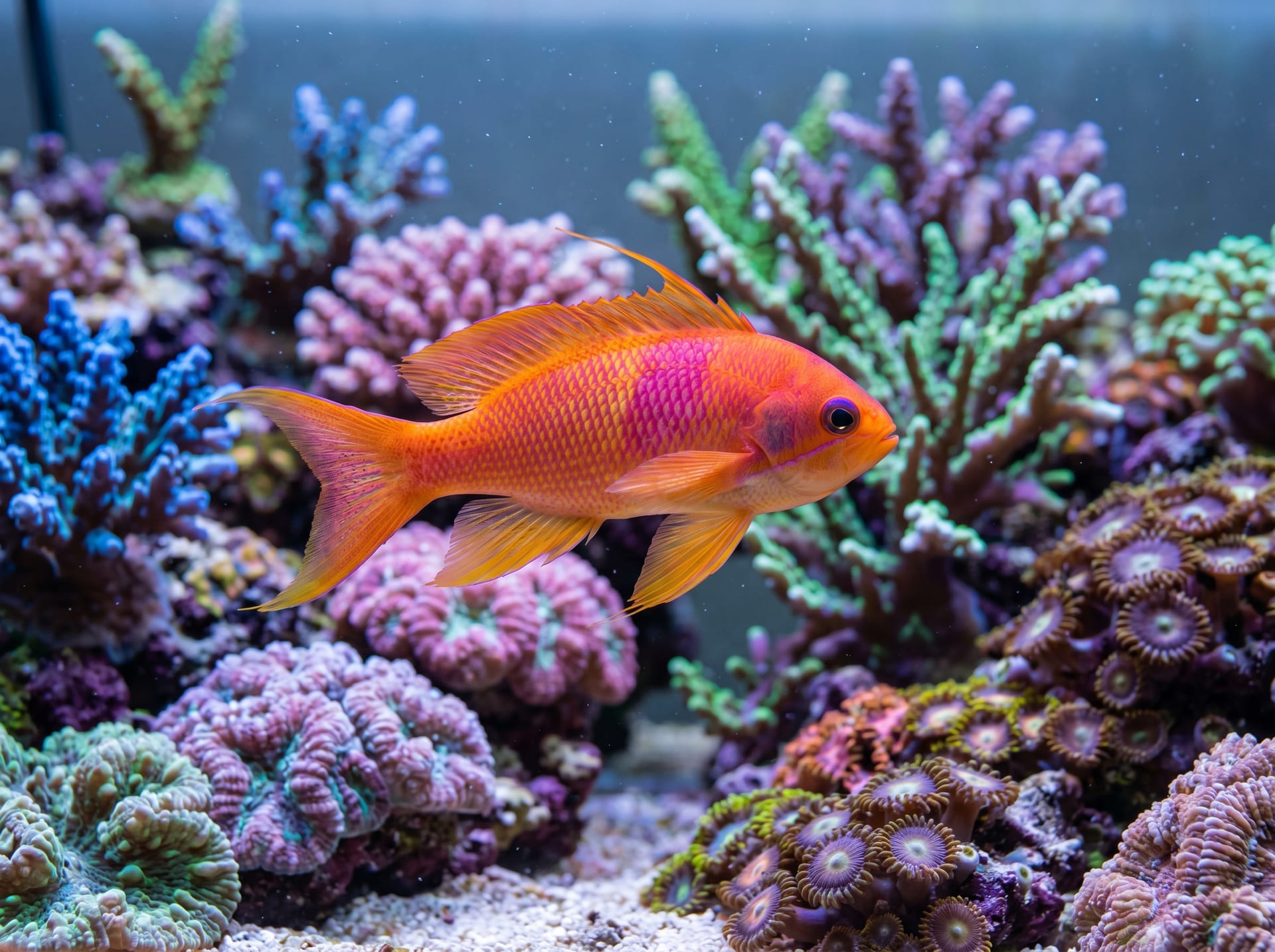
Compatible species: Gobies, butterflyfishes, and anthias
Species requiring caution: Same species and closely related species; other angelfish with similar coloration
Key points: Angelfish are extremely aggressive toward their own species and closely related species. Even in tanks of 90 cm or larger, keeping two individuals of the same species carries high risk. Follow the "established resident rule"—introduce gentler species first and add angelfish last.
Butterflyfish
Compatible species: Angelfish, gobies, and clownfish (note size differences)
Species requiring caution: Same species (though some can coexist), and corals (many species eat coral)
Key points: Many butterflyfish species eat coral and are unsuitable for reef tanks. They are best kept in fish-only tanks.
Gobies
Compatible species: Almost all marine fish species (due to their peaceful nature)
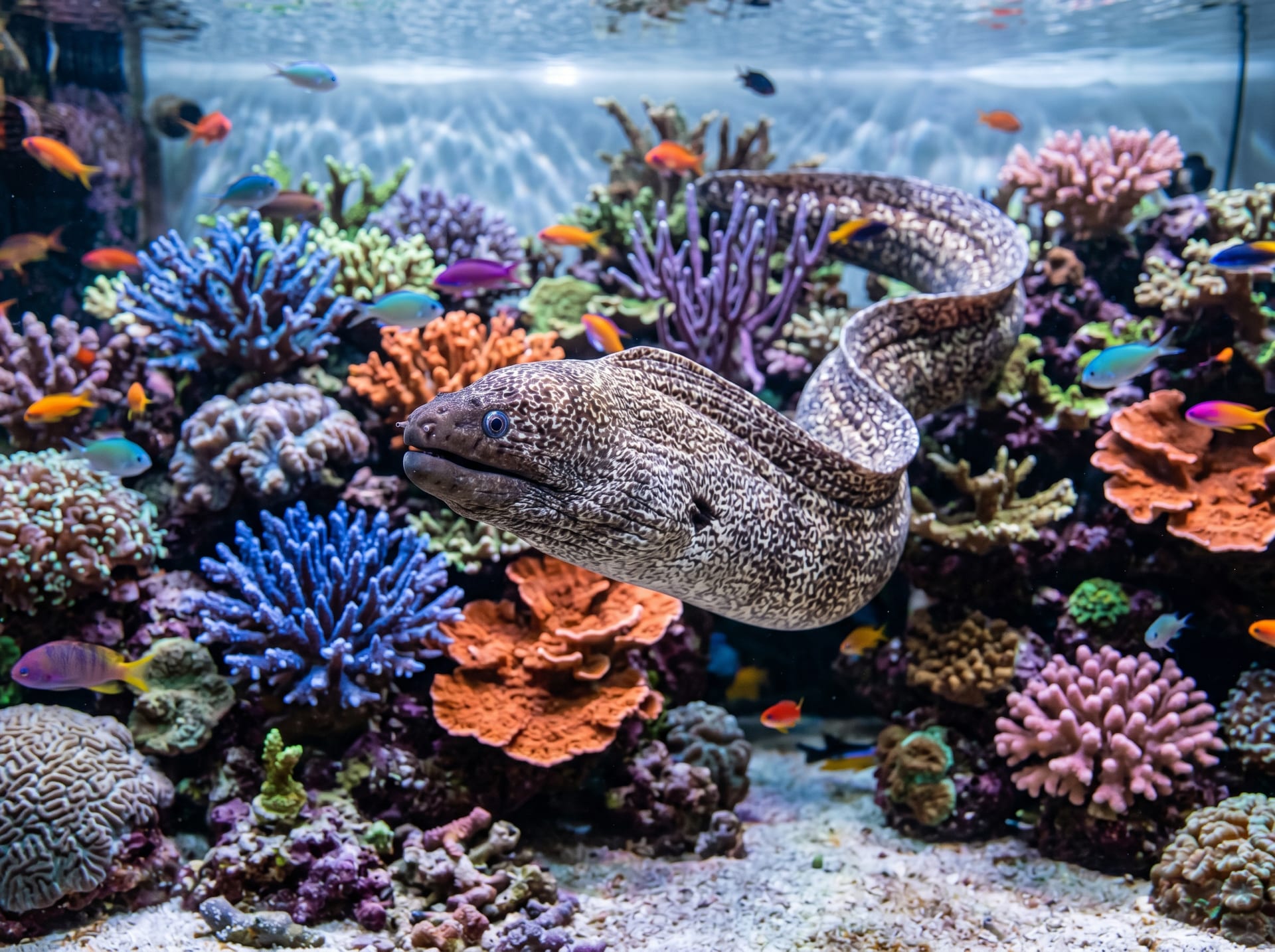
Species requiring caution: Predators (such as lionfish and large moray eels)
Key points: Bottom-dwelling gobies may compete with loaches and other gobies that share the same bottom-level space. Pistol shrimp gobies are notable for their symbiotic relationship with pistol shrimp.
Wrasses
Compatible species: Species that inhabit the middle and upper water columns
Species requiring caution: Same species and closely related species; small crustaceans (such as shrimp)
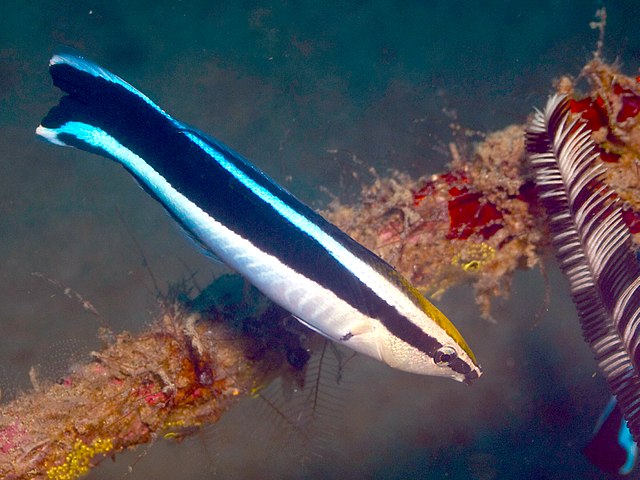
Key points: Many wrasse species eat crustaceans (shrimp and crabs). If you want to keep shrimp, either exclude wrasses or limit yourself to non-predatory species such as cleaner wrasses.
Fundamental Rules for Successful Mixed-Species Housing
1. Consider the Order of Introduction
The golden rule is to introduce peaceful species first and add aggressive species last. Once established residents have formed territories, introducing newcomers afterward helps reduce the territorial awareness of the established residents.
Ideally, follow an introduction order like: damselfish/gobies → clownfish → butterflyfish → angelfish.
2. Ensure Adequate Tank Size
The success of mixed-species housing heavily depends on tank size. A rough guideline for water volume needed per fish is approximately "body length (cm) × 10–15 L." When including aggressive species, choose a generously sized tank.
3. Provide Plenty of Obstacles and Hiding Places
Creating obstacles with live rock or artificial rock to obstruct sightlines prevents weaker individuals from being cornered. The presence of "escape routes" reduces the intensity of conflicts.
4. Keep the Number of Fish Moderate
You may be tempted to add "just one more," but increasing the number of fish makes it easier for the ecosystem to become unbalanced. Maintaining a moderate, comfortable number of fish is the key to long-term success.
Conclusion
Successful mixed-species housing of marine fish hinges on careful planning. Before introducing fish, research each species' ecology and compatibility, and carefully design your tank size, introduction order, and number of individuals. At Br-choku, you can select individuals while consulting with specialist breeders, so you can also receive advice on compatible pairings.