Bluehead Wrasse Care Guide | Role as a Cleaner Fish and Tank Introduction Considerations
Explains the husbandry methods for Bluehead Wrasse (Cleaner Wrasse), including cleaning behavior in the aquarium, compatibility with other fish, and important considerations when introducing them.
Key Takeaways
Explains the husbandry methods for Bluehead Wrasse (Cleaner Wrasse), including cleaning behavior in the aquarium, compatibility with other fish, and important considerations when introducing them.
Related Species

Bluehead Wrasse — The Ocean's Barber
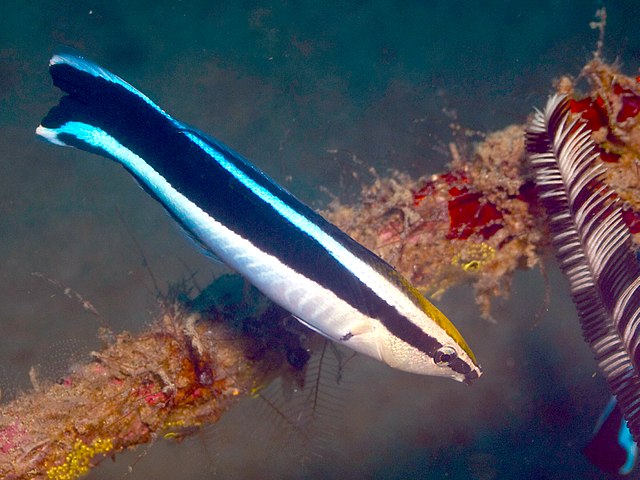
The Bluehead Wrasse (Labroides dimidiatus) is a small marine fish of the Labridae family widely distributed across tropical coral reefs from the Indian Ocean to the Pacific. It reaches a maximum length of approximately 14 cm and is characterized by a elegant body coloration: white with blue-tinted black lines running from the snout toward the tail fin.
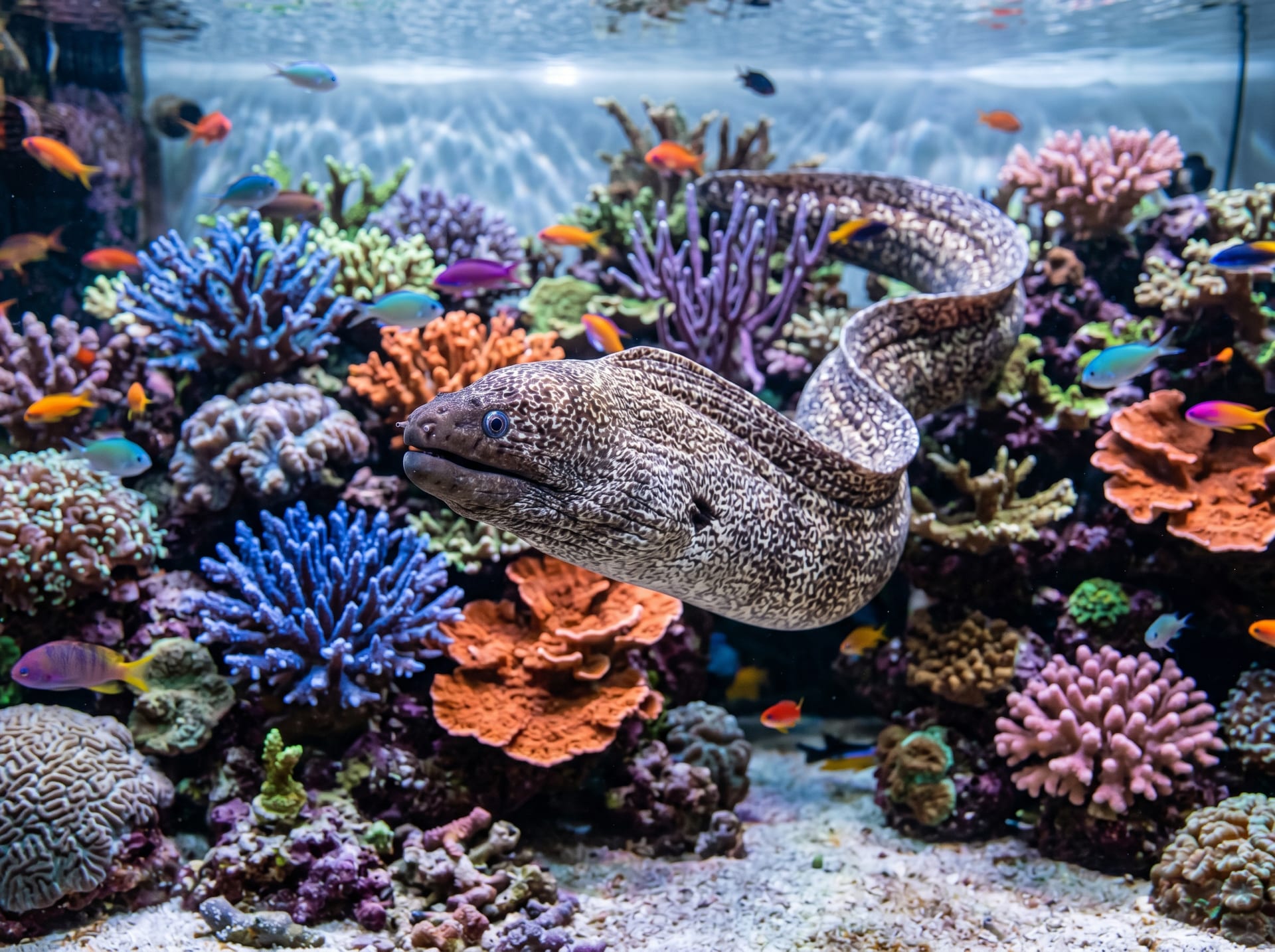
The reason this fish is called "the ocean's barber" lies in its unique ecology. In wild coral reefs, it operates from a specific rock crevice known as a "cleaning station," where it establishes a mutualistic relationship by consuming parasites, necrotic tissue, and excess mucus from the body surface, gills, and mouths of other fish. Remarkably, even normally carnivorous large fish such as Titan Triggerfish and Moray Eels suppress aggressive behavior at cleaning stations, opening their mouths and gills to calmly receive the service. Research has revealed that these cross-species interactions play an important role in maintaining the health of coral reef ecosystems.
Aquariums also feature "cleaning shows" as popular attractions, but introducing them into home reef tanks requires accurate knowledge.
Establishing a Proper Tank Environment
Tank Size and Equipment
Provide a minimum 60-liter tank. Bluehead Wrasse has territorial behavior, so keeping multiple individuals of the same species is generally best avoided. However, breeding pairs can be housed together — the species practices sequential hermaphroditism (protogyny), meaning the most dominant individual in a group undergoes sex change from female to male. A solitary individual that grows large may become male without you noticing.
Fine substrate (approximately 0.5–1 mm grain size) laid 5 cm or deeper is ideal. Bluehead Wrasse has a habit of burying itself in sand at night or when startled, and bottom substrate is essential for stress reduction and stable sleep patterns. It is also important to provide hiding places by arranging multiple live rocks.
Water Quality Parameters
- Specific Gravity: 1.024–1.026
- Temperature: 25–27°C
- pH: 8.1–8.3
- Ammonia & Nitrite: Zero detectable
- Nitrate: 20 ppm or less
The species is relatively sensitive to sudden water chemistry changes. During acclimation, use the drip method over 1–2 hours to gradually adapt the fish and minimize transport stress. Maintaining a protein skimmer and high-quality filtration system is fundamental for long-term husbandry.
Feeding — Overcoming the Greatest Challenge
Feeding is the most frequently reported failure point in Bluehead Wrasse husbandry. Wild-caught individuals feed primarily on parasites, mucus, and necrotic tissue, and most do not readily accept prepared foods.
Gradual Dietary Transition Steps
- Early Introduction (1–2 weeks): Offer small quantities of frozen copepods and fresh-frozen brine shrimp nauplii multiple times daily in divided portions. Four to six small feedings per day is ideal.
- Transition Period (2–4 weeks): Begin mixing in frozen mysis shrimp and frozen marine cubes, gradually increasing their proportion.
- Stabilization Phase: Once the fish begins accepting flake food or small pellets, long-term husbandry becomes feasible.
When tank mates are present, the wrasse may begin eating during feeding times for other fish. Placing it with food-motivated fish teaches feeding behavior and has proven moderately effective.
In any case, selecting captive-bred (CB) individuals raised on artificial foods by domestic breeders is the shortest path to success. CB individuals are already accustomed to pellets and flakes from the start, dramatically reducing feeding problems.
Observing Cleaning Behavior and Tank Mate Compatibility
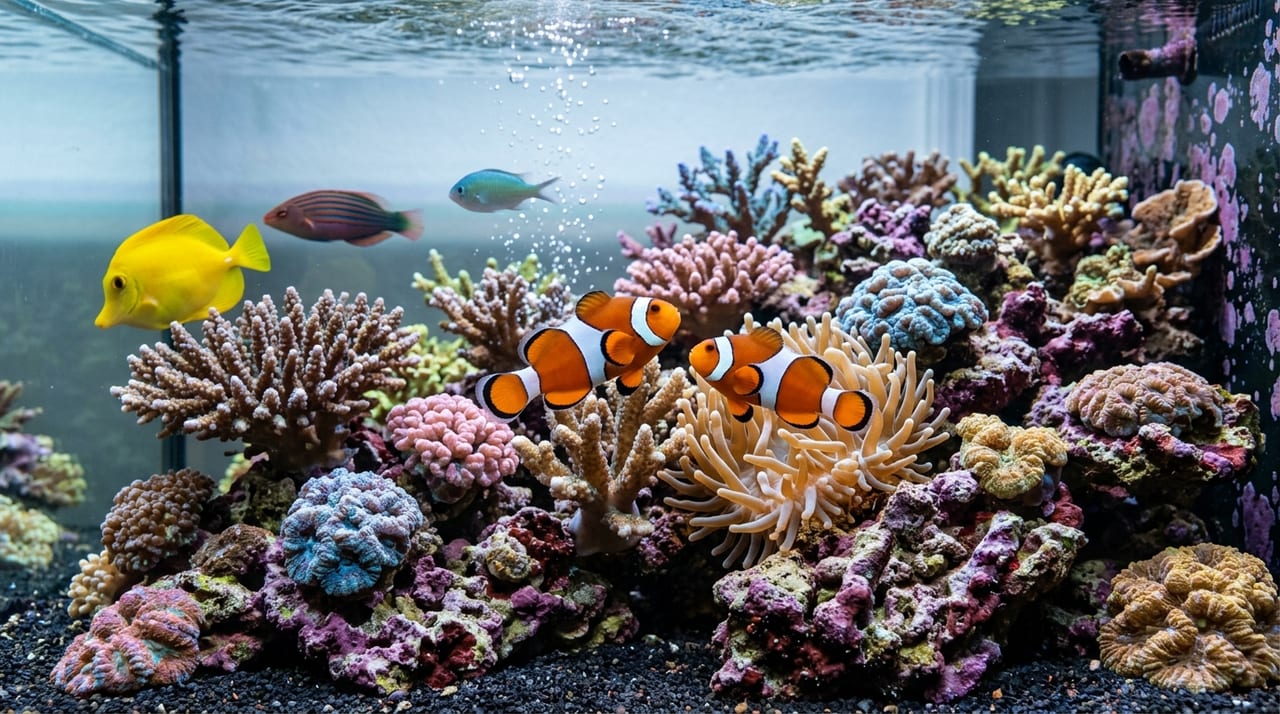
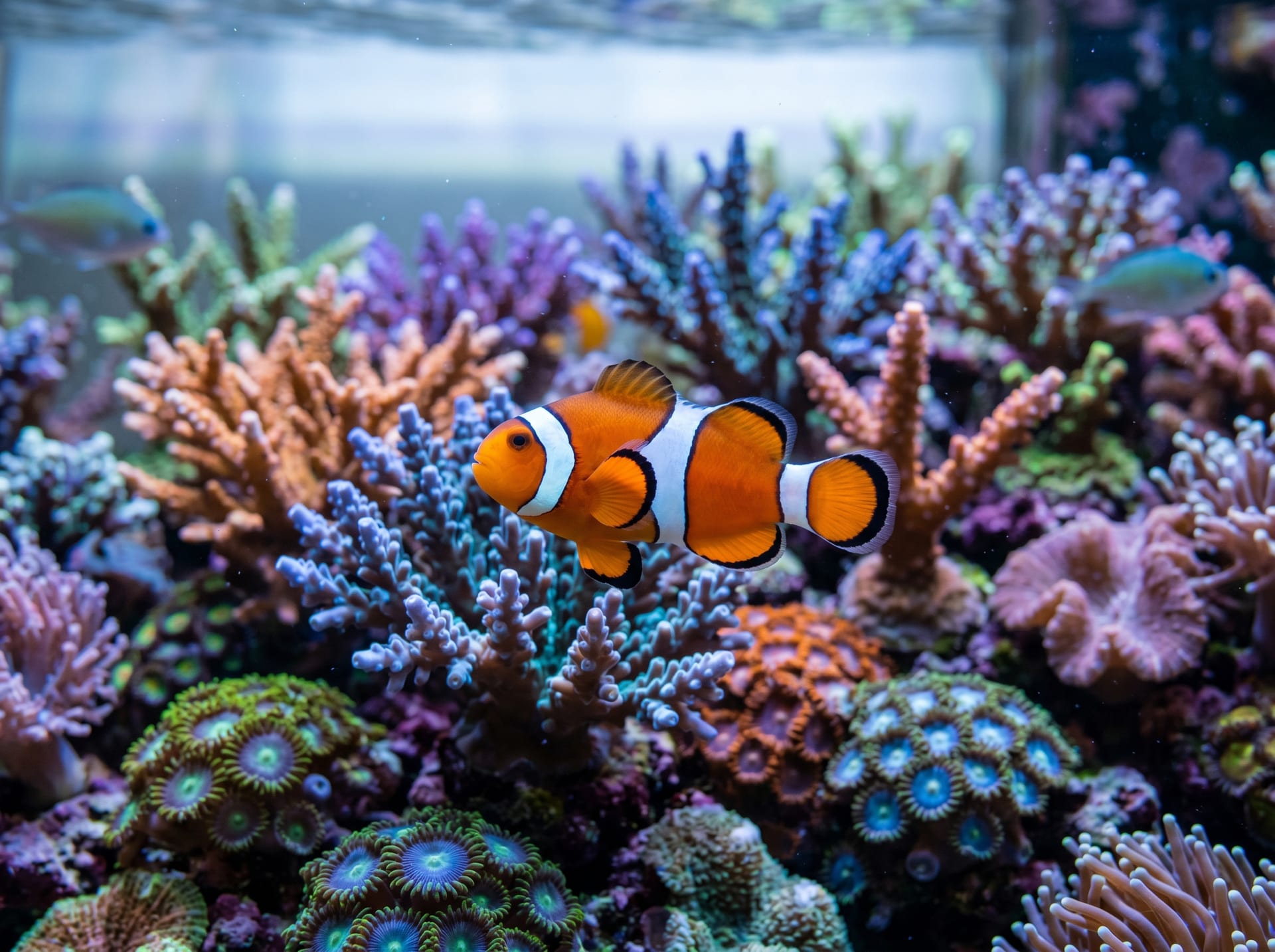
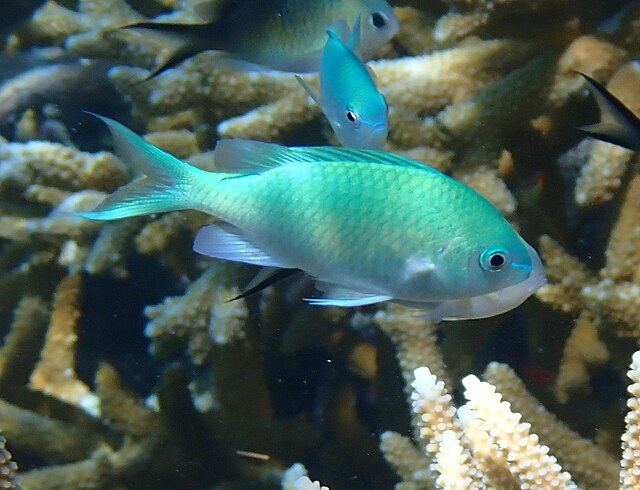
Cleaning behavior is frequently observed in aquariums as well. The wrasse performs a "cleaning dance" (undulating head movements) on relatively peaceful fish such as Ocellaris Clownfish, Blue-green Chromis, and gobies; the sight of the recipient fish opening its gills and accepting the service is quite captivating.
Tank Mate Considerations
- Generally excellent compatibility with peaceful marine fish such as Ocellaris Clownfish, Blue-green Chromis, and wrasse species
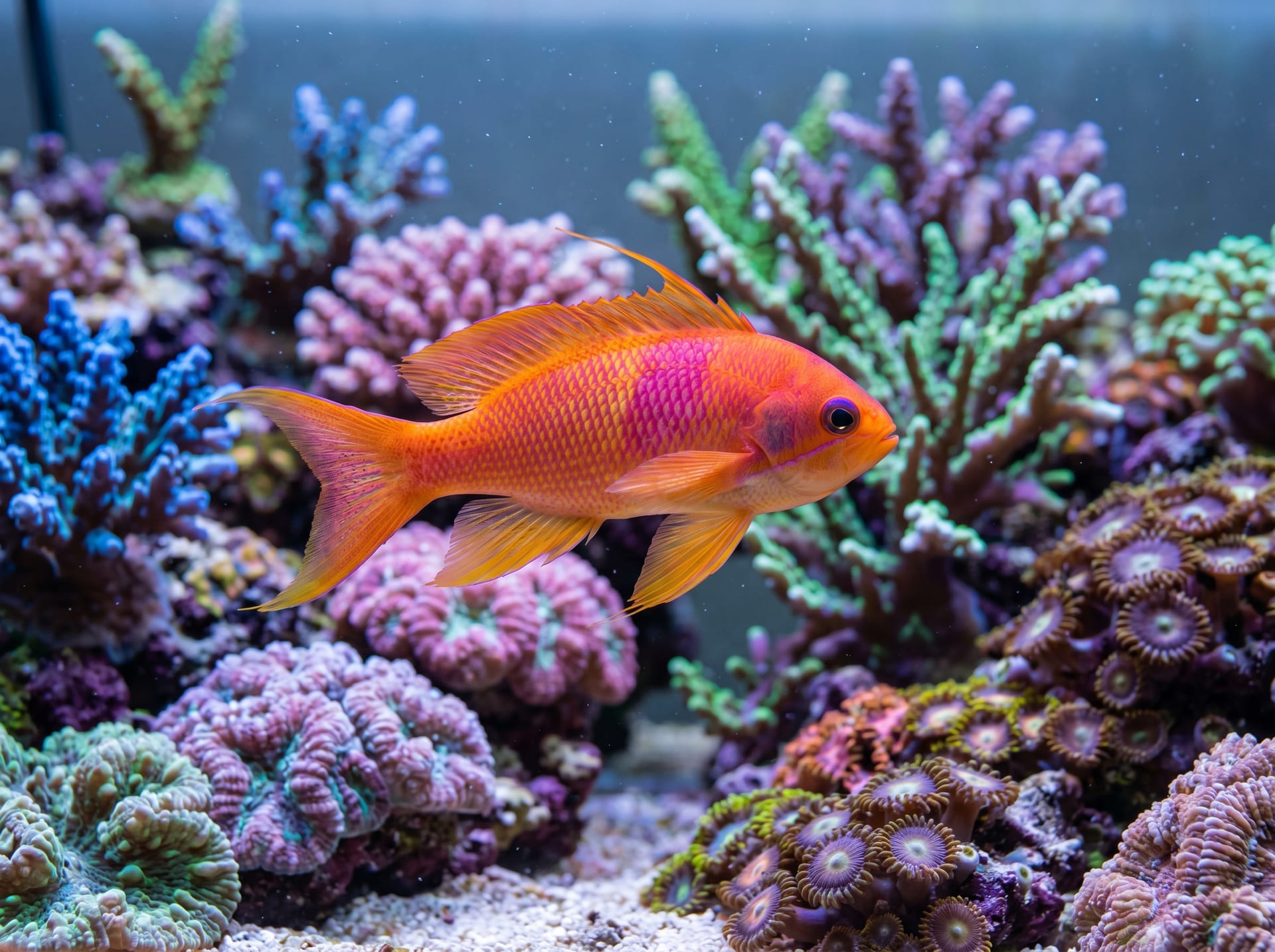
- Coexists well with Anthias species and small gobies
- Exercise caution regarding the False Cleaner Wrasse (Aspidontus taeniatus): the body color is extremely similar, but this species is actually a "deceiver" that bites the fins and body surfaces of other fish. At purchase, distinguish between them by observing where the lateral stripes originate (from the tip of the snout vs. below the mouth)
- Large blennies and aggressive damselfish are best avoided
Compatibility with corals is generally good, and problems are rarely reported in mixed reef tanks with LPS, SPS, and soft corals.
White Spot Disease and Proper Treatment
The misconception that "introducing a Bluehead Wrasse will solve white spot disease" remains widespread today, but overconfidence is extremely dangerous.
It is true that the fish shows some efficacy in consuming white spots on the body surface (the cyst stage of Cryptocaryon irritans). However, the white spot disease lifecycle is complex; parasites lurk on the substrate and live rock surface during the cyst stage, and cleaners have limited access during long periods. In high infection densities, reinfection proceeds faster than the cleaning effect can control, preventing complete eradication.
Correct Procedure If White Spot Disease Occurs
- Transfer corals and invertebrates to a separate tank (refugium, etc.)
- Reduce the main tank (including the Bluehead Wrasse) to hyposalinity (specific gravity 1.009–1.011) and maintain for 3–4 weeks
- Alternatively, use copper-based medication (such as Cupramine) at prescribed dosage
- Keep the main tank fish-free for a 6–8 week reset period (allowing substrate cysts to die naturally)
The Bluehead Wrasse itself can become infected with Cryptocaryon, so treat it as an affected fish and include it in treatment.
Captive-Bred vs. Wild-Caught — A Choice That Determines Long-Term Success
Beyond the feeding challenges mentioned earlier, wild-caught individuals often experience compounded transport damage, parasitic contamination risk, and environmental adaptation stress, frequently resulting in decline within weeks of introduction.
Captive-bred individuals, by contrast, offer clear advantages:
- Already acclimated to prepared foods
- Many breeders ship them in quarantined, treated condition
- A choice that avoids collection pressure on natural reefs — environmentally responsible
When purchasing from breeders on BreederDirect, we recommend asking in advance about "progress on switching to prepared foods," "whether quarantine/treatment has been performed," and "current feeding regimen." Acquiring a fish from a breeder familiar with actual husbandry conditions, water chemistry, and feeding practices significantly reduces post-introduction risk. Choosing breeders with proven track records and transparent information disclosure is the shortest path to long-term coexistence with your Bluehead Wrasse.