Anthias Group-Breeding Care Guide — Sex Change, Feeding Frequency & Tank Selection Guide
Complete care guide for the Anthias (Fairy Basslets), popular for their beautiful schooling behavior. Learn about male/female roles, sex change mechanisms, frequent feeding requirements, and tank sizing to maintain stable groups.
Key Takeaways
Complete care guide for the Anthias (Fairy Basslets), popular for their beautiful schooling behavior. Learn about male/female roles, sex change mechanisms, frequent feeding requirements, and tank sizing to maintain stable groups.
Related Species
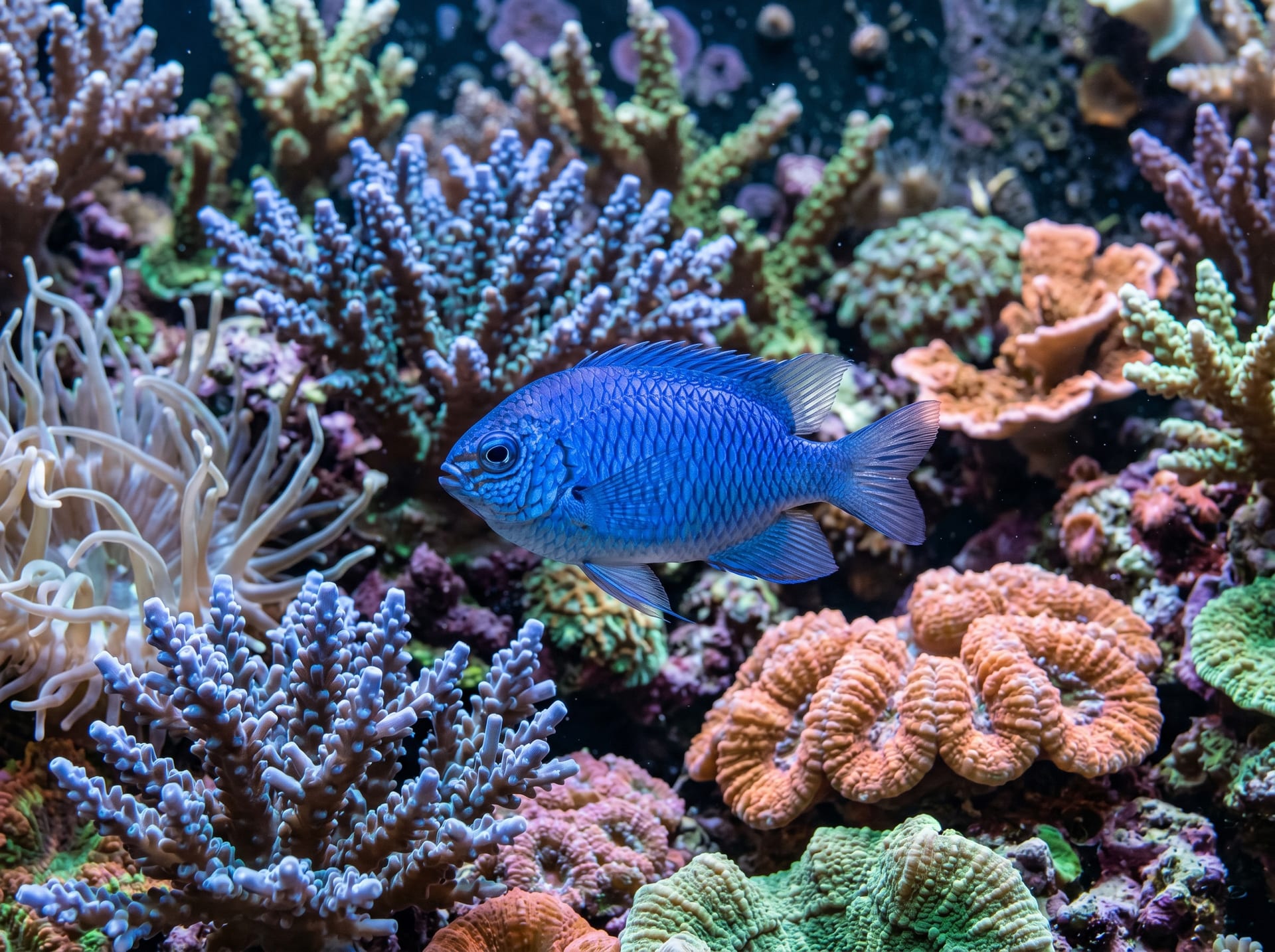
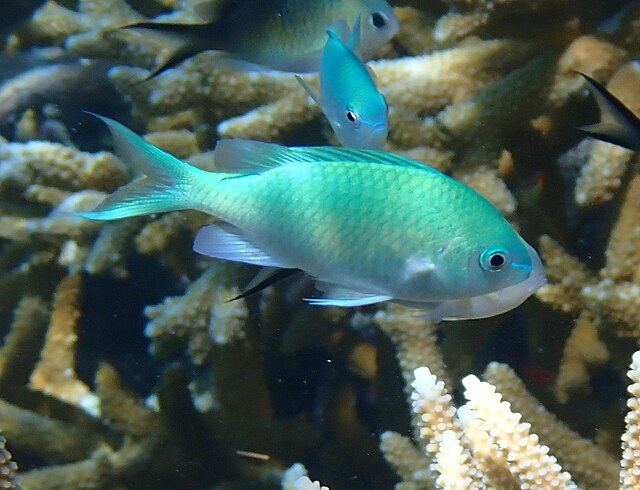
The Allure of Anthias — Colorful Jewels of the Coral Reef
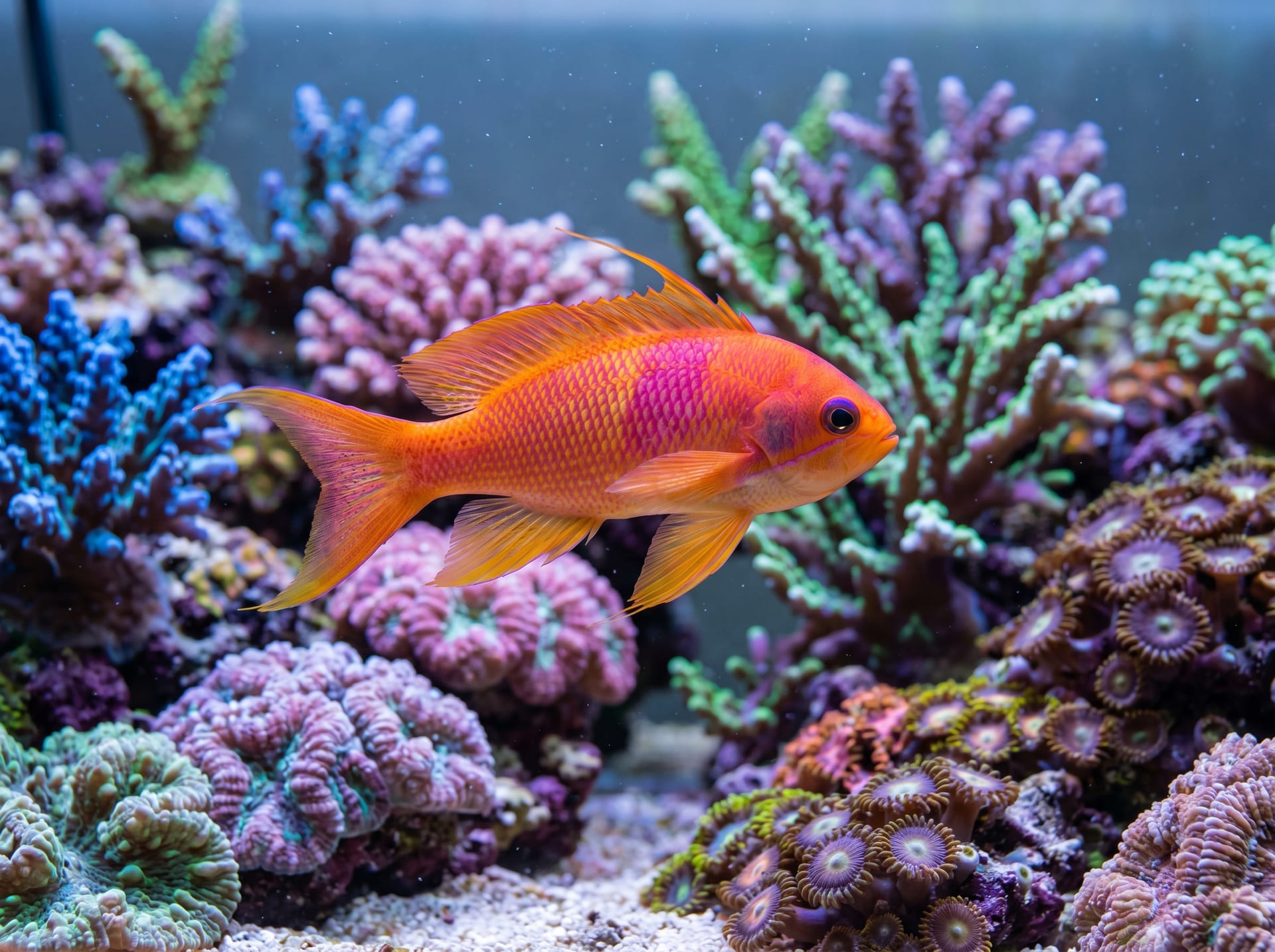
Anthias (Anthias spp.) are small to medium-sized marine fish belonging to the family Serranidae (formerly subfamily Anthiinae; now classified as Anthiadidae). Species native to Japanese waters include Sakura Anthias, Keramo Anthias, and Violet-lined Anthias. They form schools in coral reef rocky areas, adding vibrant colors—pink, orange, and purple—to reef tanks.
By maintaining a group in the aquarium, you can recreate the beautiful natural reef scenes. Watching multiple individuals flutter through the midwater is an observation value that few other marine fish can match. However, Anthias have a dual nature of being both "voracious feeders" and "delicate"—successful care requires specialized knowledge and equipment investment. With the right approach, long-term success is entirely achievable.
Sex Change Mechanism and Male/Female Roles
Anthias have a harem-based social structure where the largest individual in the group functions as a male, with all others functioning as females. When the male dies or is removed, the largest female undergoes sex change over several weeks to a month, transforming into a male. This process is called "protogynous hermaphroditism."
This mechanism occurs naturally in captivity as well. When purchasing multiple individuals simultaneously, as they acclimate to the environment, one will undergo male transformation with visible changes in coloration and body size. Males are noticeably larger than females, with color differences varying by species. In Keramo Anthias, males display deeper red coloration and elongated filamentous dorsal spines compared to females, creating distinct visual differences.
An important consideration: Males cohabiting together trigger intense territorial disputes. A group should contain only one male, and placing multiple males in the same tank results in continuous chasing until one becomes weakened. If you wish to maintain multiple group units, you'll need a large tank (600L or larger) with physical barriers to block line of sight.
Frequent Feeding Requirement
The primary reason Anthias are considered difficult to keep is "feeding frequency." In the wild, they spend the entire day continuously hunting planktonic organisms and small crustaceans while swimming, consuming very high amounts of calories. Once-or twice-daily feeding in captive tanks leads to chronic malnutrition, with many reported cases of fish wasting away and dying within months.
Ideal feeding schedule: 3–5 times daily in small portions. If daytime feeding is difficult due to work, automated feeders for pellets are highly effective. A combination of morning, 2–3 automated cycles, and evening feeding ensures stable nutrition.
Feed selection recommendations:
- Frozen copepods: Perfect for acclimation after introduction. High palatability; effective for picky eaters
- Frozen baby brine shrimp: Highly palatable and stimulates feeding appetite
- Anthias-specific pellets: A candidate for long-term staple food. Superior nutritional balance
- Frozen mysid shrimp: Supplemental feeding prevents nutritional imbalance
The established practice is to feed primarily frozen food for the first 1–2 weeks after introduction, then gradually transition to pellets. If other tankmates steal food before Anthias can eat, use a syringe or dropper for target feeding to ensure food reaches their mouths.
Tank Size and Group Scale
Anthias achieve mental stability when kept in groups; solitary keeping causes severe stress. Ideally, start with a minimum of 3–5 individuals, preferably 1 male + 3–6 females.
Recommended tank size guidelines:
| Species | Adult Size | Minimum Volume for 5 Fish |
|---|---|---|
| Keramo Anthias | 6–8 cm | 150L+ |
| Sakura Anthias | 7–10 cm | 180L+ |
| Violet-lined Anthias | 10–12 cm | 250L+ |
| Regal Anthias | 12–15 cm | 300L+ |
Layout is critical: position rock formations on the back and sides to leave a wide, open midwater swimming area. If rocks extend across the entire bottom, cornered individuals become easily trapped. A wave pump providing random flow is ideal—it allows more natural swimming compared to unidirectional strong current.
Water quality stability is essential: maintain nitrate below 20 ppm, specific gravity 1.024–1.026, and temperature 24–26°C. Anthias have low tolerance for sudden water parameter changes (temperature and salinity swings during water changes), so use drip acclimation and limit water changes to 10–15% of total volume.
Introduction Precautions and Acclimatization
Anthias have low tolerance for transport stress; the period immediately after bringing them home from the shop is the most critical time. Verify these points before purchase:
Pre-purchase checklist:
- No abdominal indentation (excessive thinness)
- No tears or white cloudiness on dorsal or caudal fins
- Not being relentlessly pursued by other fish
- Confirm with the shop whether they've been eating
Acclimation procedure: Use the drip method for a minimum of 90 minutes to gradually adjust water temperature, salinity, and pH. Transfer bag water into a bucket, then use an air tube and valve to slowly drip tank water at roughly one drop per second. To reduce cryptocaryon (white spot disease) risk, it's ideal to observe them in a separate quarantine tank (approximately 50L) for 2–3 weeks before placing them in the main display.
Right after introduction, fish tend to hide in shelters, but if they remain completely hidden for more than 3 days or show no response to food, perform a health check promptly.
Tankmate Compatibility and Beginner-Friendly Species
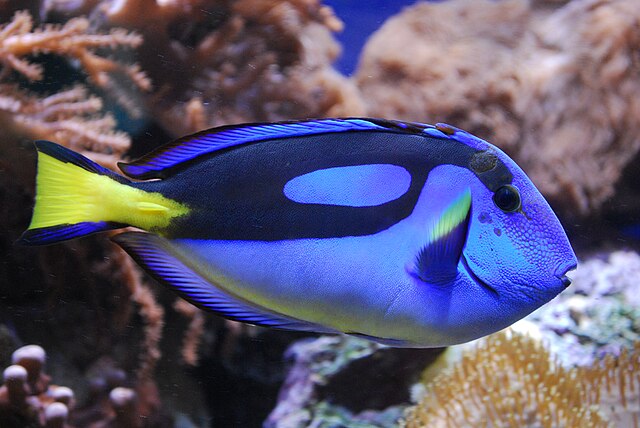
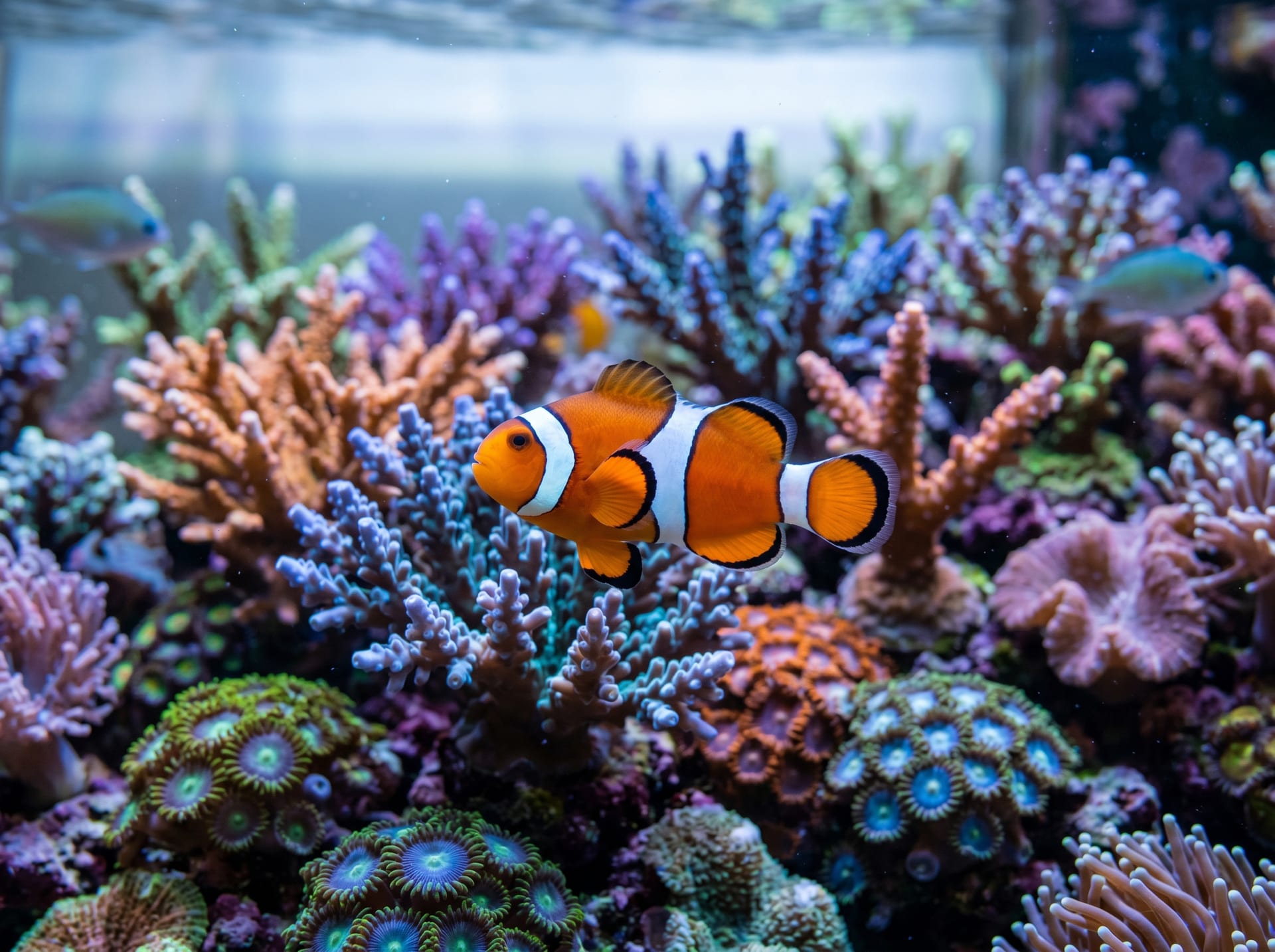
Anthias have a gentle nature and are compatible with corals. In reef tanks, they coexist without issue with Ocellaris Clownfish, Sergeants Major, and Regal Tangs. Conversely, avoid tankmates that are carnivorous or highly aggressive—such as Groupers, Sweetlips, and large Wrasses.
Recommended beginner starter species:
- Keramo Anthias: Abundant domestic supply; relatively hardy with stable availability
- Sakura Anthias: Native to Japan; demonstrates slightly higher cold-tolerance
Once you gain confidence, consider challenging yourself with rare foreign species such as Regal Anthias and Squareback Anthias. With diligent feeding and water quality management, you'll be able to enjoy the vibrant schooling world of Anthias for years to come.