Jewel Cichlid (Hemichromis) Care Guide | Jewelry-Like Coloration, Territorial Behavior, and Breeding Enjoyment
A comprehensive guide to caring for Jewel Cichlids (Hemichromis bimaculatus and similar species). This article covers how to enhance their vibrant red coloration and metallic spots, managing their strong territorial aggression, setting up appropriate environments for solo or pair keeping, and understanding the full breeding cycle from egg-laying to fry rearing.
Key Takeaways
A comprehensive guide to caring for Jewel Cichlids (Hemichromis bimaculatus and similar species). This article covers how to enhance their vibrant red coloration and metallic spots, managing their strong territorial aggression, setting up appropriate environments for solo or pair keeping, and understanding the full breeding cycle from egg-laying to fry rearing.
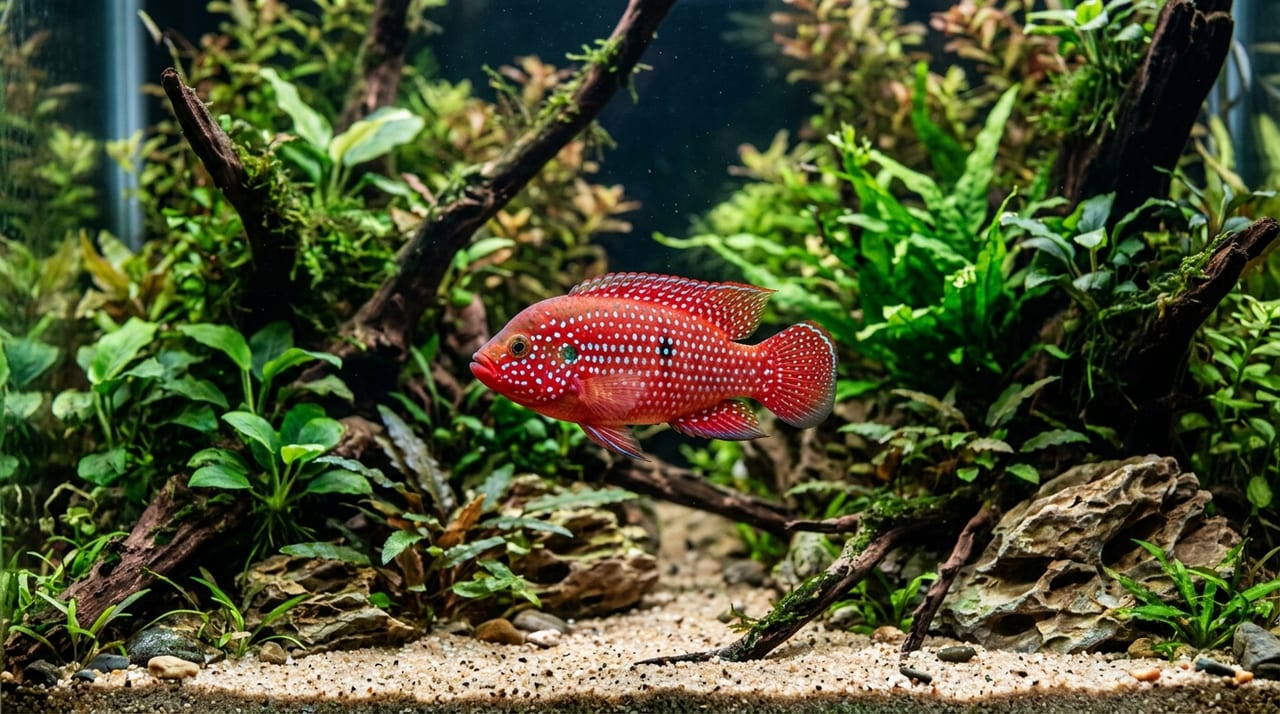
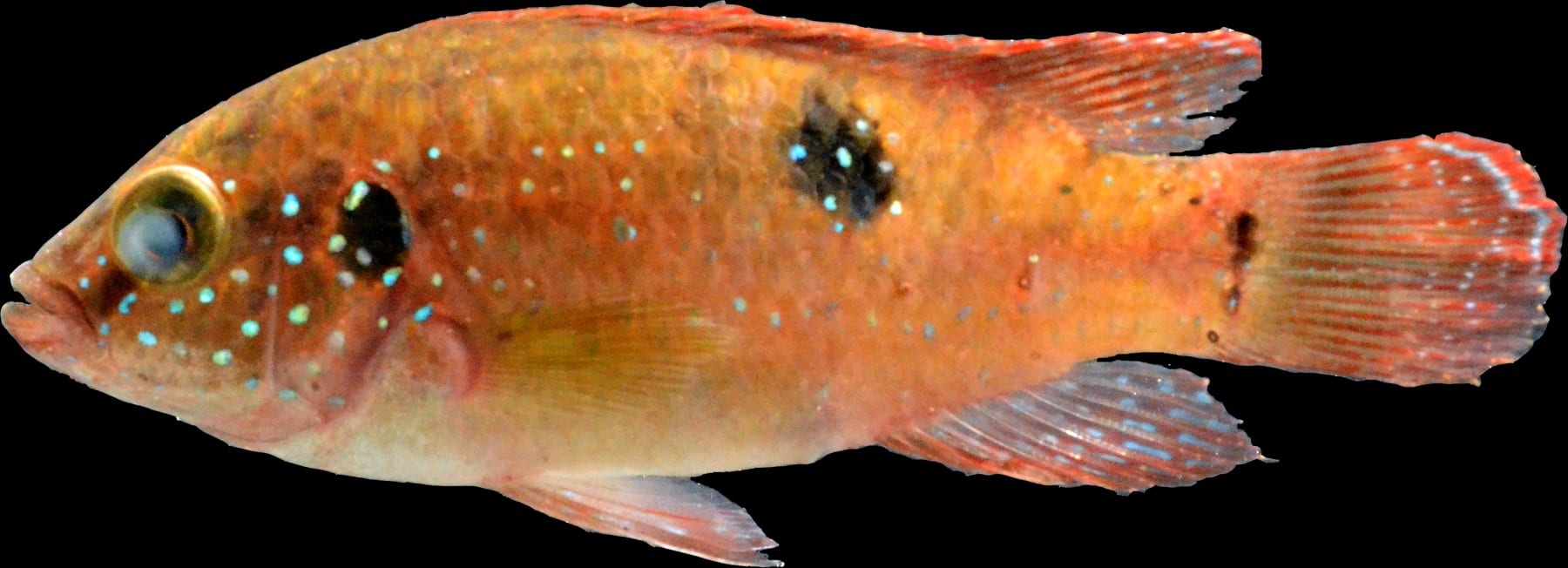
Jewel Cichlids (genus Hemichromis) are small to medium-sized cichlids native to rivers and lakes in West to Central Africa. They get their name "Jewel Cichlid" from their striking appearance—brilliant red bodies adorned with pale blue metallic spots scattered across their entire form, resembling precious jewels.
✍️
BreederDirect Editorial
The BreederDirect editorial team specializes in care information for animals, covering veterinary care and breeding to deliver beginner-friendly guides.
Find Tropical Fish on BreederDirect
Buy directly from verified breeders
Browse Related Listings
Find Tropical Fish listings related to this article on BreederDirect. Buy directly from verified breeders.
The genus Hemichromis includes multiple species, but the two most commonly available in Japan are:
Jewel Cichlid (H. bimaculatus)
Body length: 8–12 cm. During breeding season, their entire body becomes a fiery crimson red with metallic spots standing out prominently. Robust and relatively easy to care for, making them suitable for beginners.
Crimson Jewel (H. lifalili)
Body length: 7–10 cm. Similar in appearance to H. bimaculatus but with finer spots and a tendency toward deeper red body coloration. Considered more aggressive, though individual variation is significant.
Both species have a lifespan of approximately 5–8 years. Strong territorial instincts make proper environmental setup essential for long-term care.
Tank Setup
Tank Size
Solo keeping can be done in a 60 cm tank (approximately 60 L capacity), but 90 cm or larger (120 L or more) is recommended for pair keeping or breeding. Adequate space to establish separate territories during conflicts is essential.
Water Quality and Temperature
Parameter
Target Range
Temperature
24–28°C (75–82°F)
pH
6.5–7.5 (slightly acidic to neutral)
Hardness
5–15 dGH (moderate)
Ammonia/Nitrite
0 (maintain proper filtration)
Perform water changes once weekly, replacing 20–30% of the tank volume. Regular water changes are effective for maintaining vibrant coloration, as stale water tends to dull their color.
Layout
Due to their strong territorial nature, providing multiple shelters and hiding places throughout the tank is essential.
Place multiple clay tubes, terracotta pots, or flat rock slabs
Fine sand substrates (aquarium soil or river sand) help create a natural tank atmosphere
Live plants are often uprooted by their aggressive behavior, so use rhizome-attaching types like Anubias or Java Fern, or species attached to driftwood
They prefer gentle water flow, so adjust filter outflow direction accordingly
Considerations for Tankmate Compatibility
Jewel Cichlids have extremely strong territorial instincts and will aggressively attack both conspecifics and other species, especially during breeding. Plan any tankmate combinations carefully:
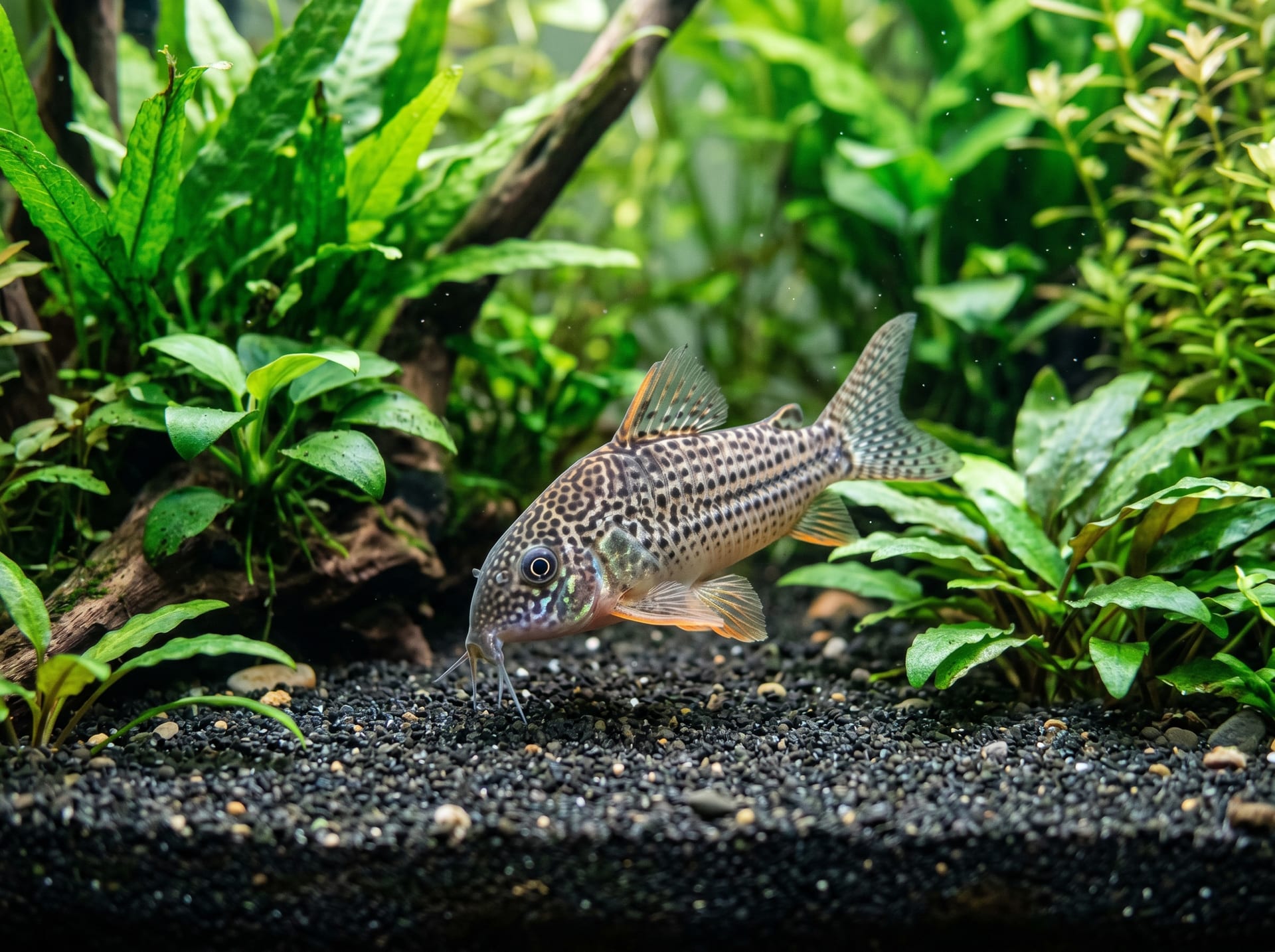
Large, fast-moving corydoras species (e.g., Corydoras schwartzi, large Panda-type species)
Mid-sized tropical fish of similar size with quick reflexes (e.g., larger tetras, medium barbs)
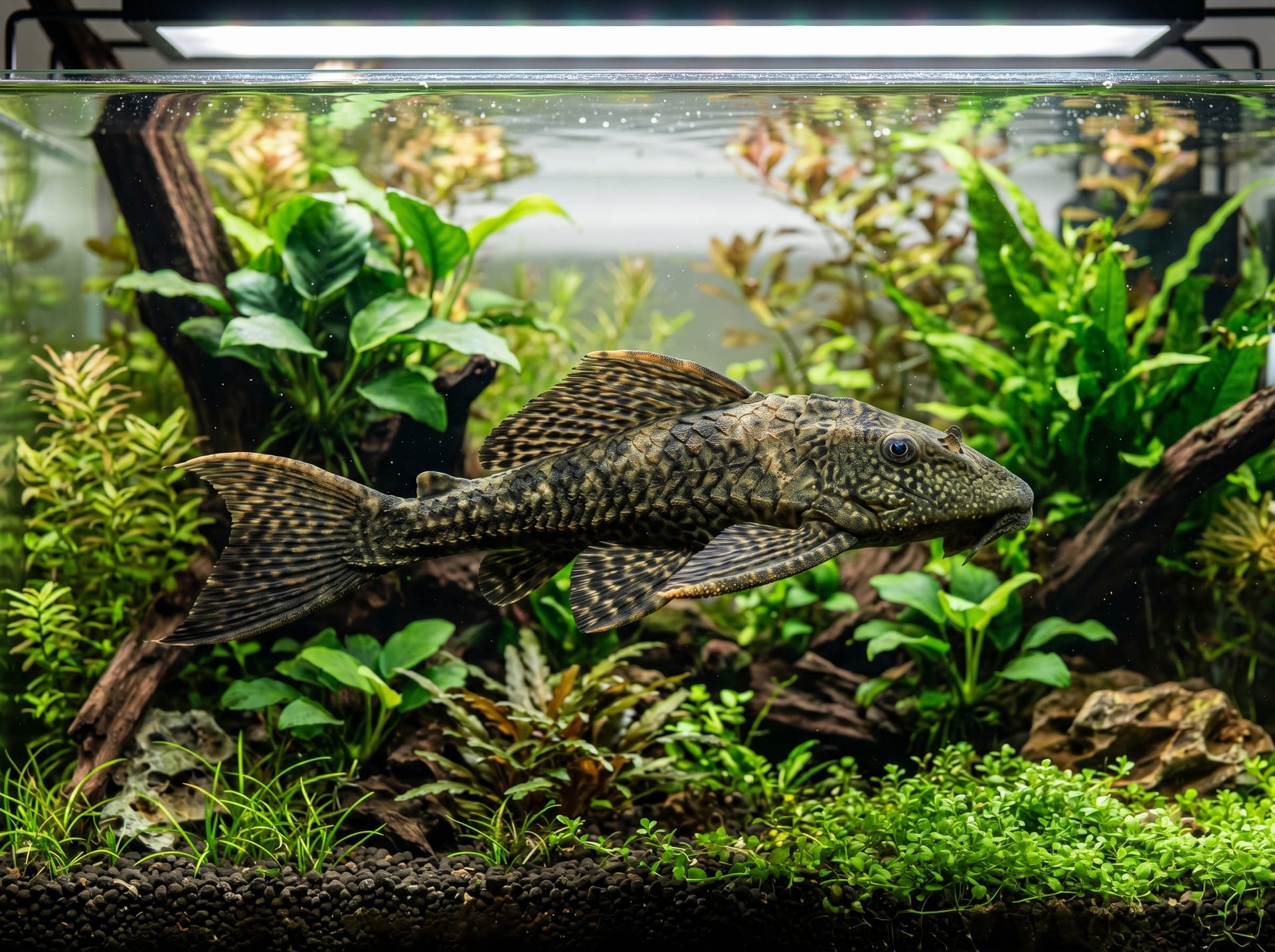
Plecos that can hide in rock crevices
Not Recommended
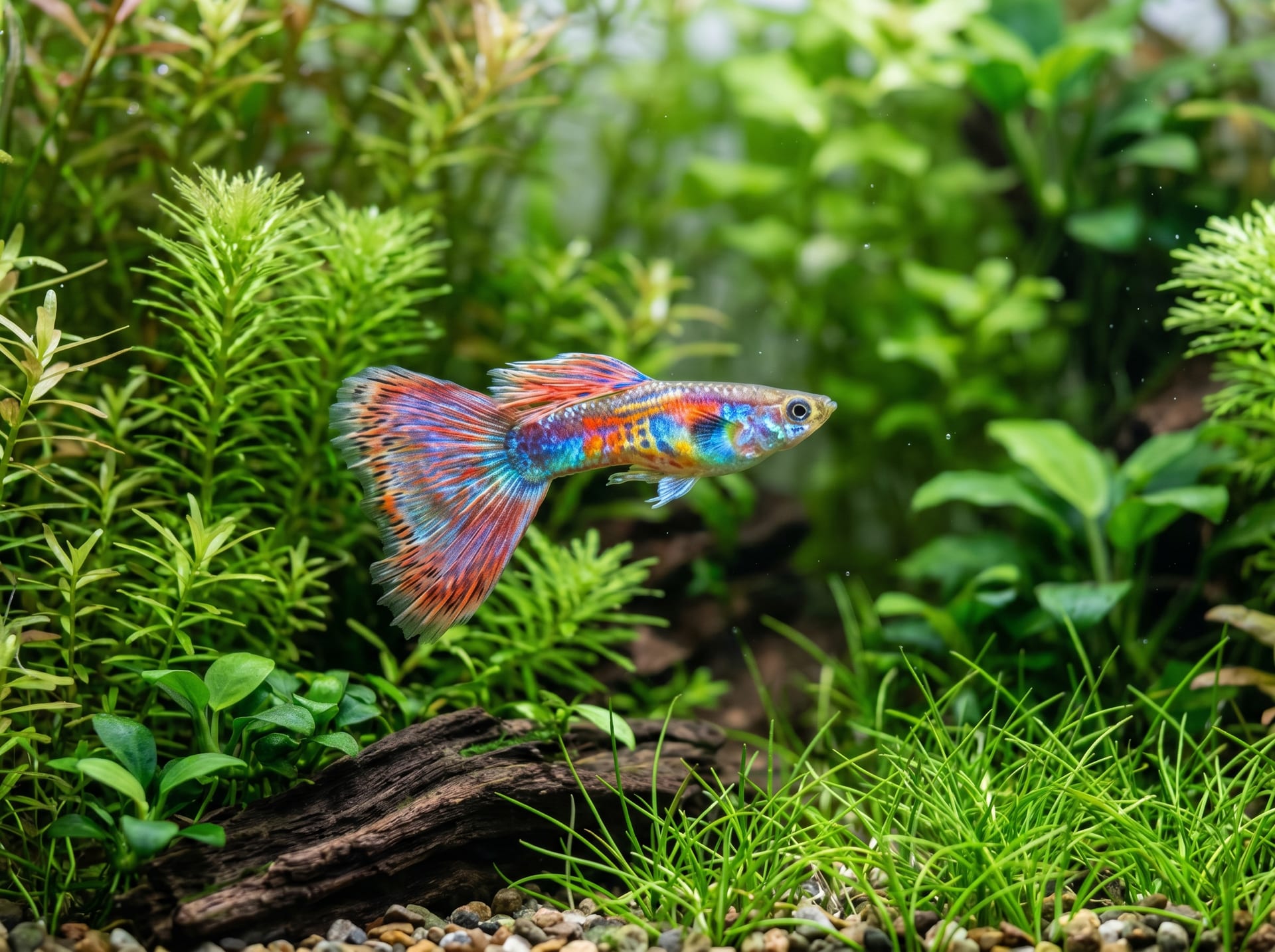
Small fish like small tetras or guppies (risk of attack and predation)
Other cichlids in general (territorial competition leads to severe aggression)
Delicate fish or soft-bodied species
The safest approach is keeping a single, compatible pair. Once a compatible pair establishes itself, you can observe their cooperation in territorial defense and fry care.
Feeding for Optimal Coloration
Carotenoid pigments are responsible for their vibrant red coloration. Feeding specialized color-enhancing foods containing astaxanthin or canthaxanthin, along with live and frozen foods, enhances their coloration:
Color-enhancing pellets: Use as the main diet. Select products containing astaxanthin
Frozen bloodworms: Offer 2–3 times weekly as supplementary food. Highly palatable and readily consumed
Frozen copepods or brine shrimp: Effective for coloration and nutritional support
Live crickets (small to medium): Highly palatable but limit to about once weekly
Feed twice daily in amounts they can consume within 3–5 minutes. Avoid overfeeding, as excess food directly causes water quality deterioration.
Breeding
Jewel Cichlid breeding is relatively straightforward among cichlids and well-suited for first-time cichlid breeders.
Pairing
Males typically grow larger than females in adulthood. The most reliable pairing method is raising multiple juveniles and allowing a pair to form naturally. Forcing a male and female together may result in the female being attacked.
Spawning and Fry Rearing
As spawning approaches, body coloration intensifies, and both parents perform cleaning behavior—meticulously preparing the substrate, flat rocks, and shelters.
The female lays 100–300 eggs per spawning
Both parents fan the eggs for oxygen supply and remove fungal eggs (parental care)
Eggs hatch within 3–5 days, and fry begin swimming
Parents exhibit cooperative care, transporting fry in their mouths and defending them from threats
Breeding parents become extremely aggressive. If other fish are present, consider isolating the pair in a separate breeding tank or moving other fish to a different tank.
Brine shrimp nauplii or powdered fry food are ideal for initial fry feeding. After about two weeks, transition to specialized fine-grained fry food.
Conclusion
Jewel Cichlids are captivating aquarium fish, prized for their jewel-like coloration and active, parental behavior. While their strong territorial nature requires careful tankmate planning, setting up a proper pair-only environment allows you to experience the deep satisfaction of successful breeding and fry rearing. With proper water management and carotenoid-rich feeding, you can maintain their stunning coloration and enjoy these beautiful cichlids for years to come.