Complete Guide to Himalayan Cat Care | Long Hair Care and Tear Stain Prevention
This guide explains the key care points for Himalayans, bred from Persian and Siamese cats. We cover brushing methods for their luxurious long coat, as well as tear stain and eye care for their round-faced features.
Key Takeaways
This guide explains the key care points for Himalayans, bred from Persian and Siamese cats. We cover brushing methods for their luxurious long coat, as well as tear stain and eye care for their round-faced features.
Related Species
What Kind of Cat Is the Himalayan?
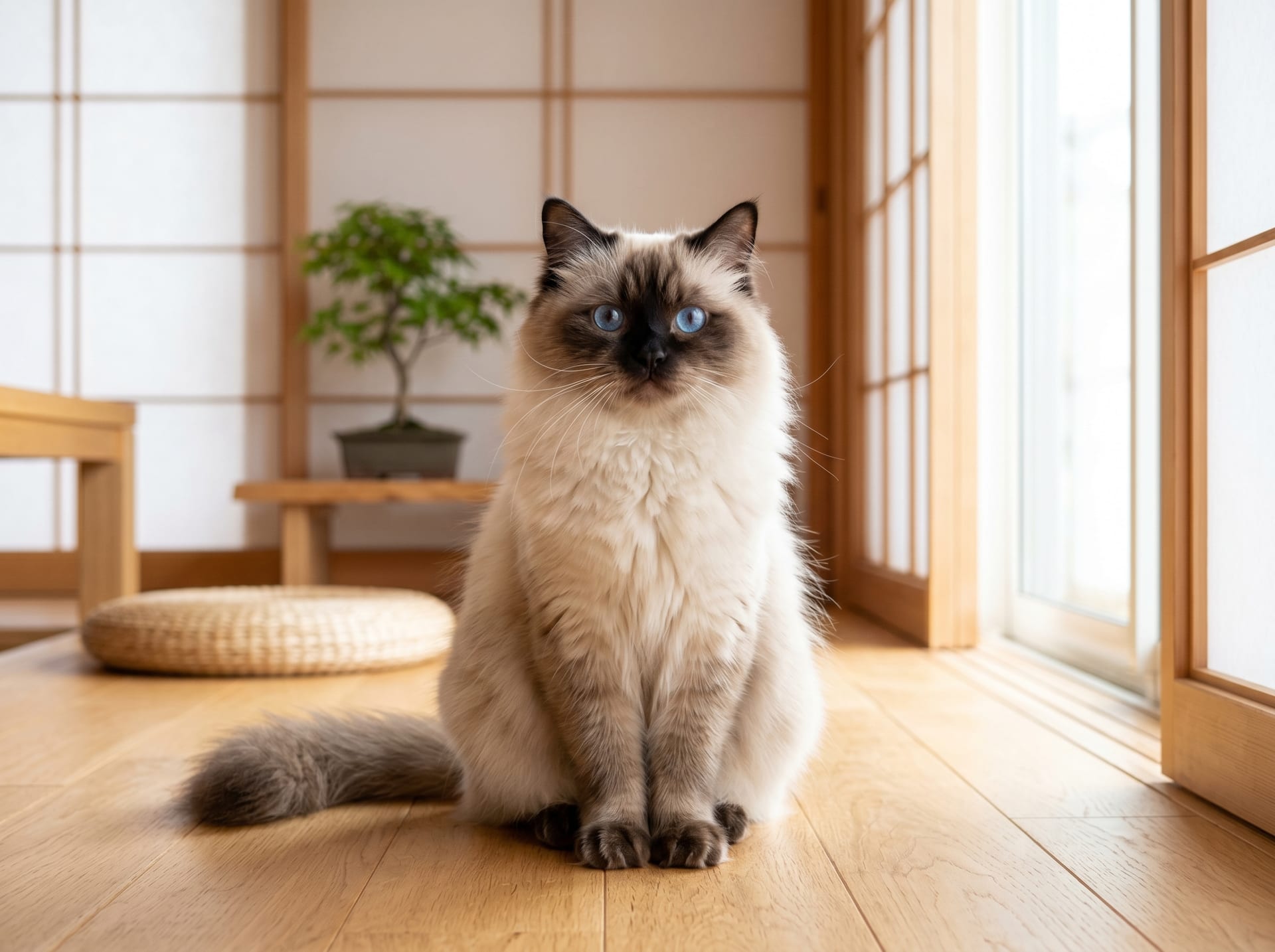
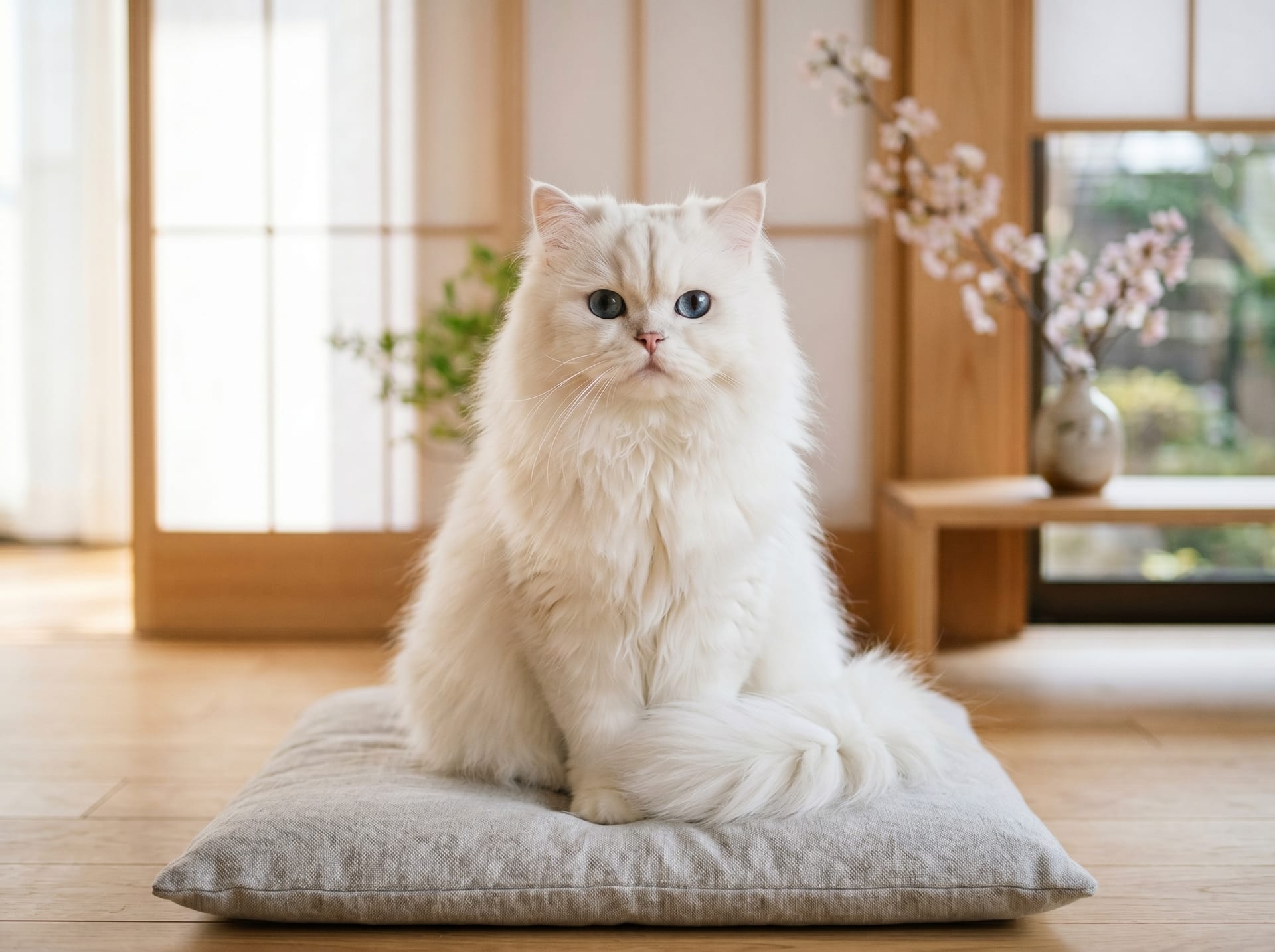
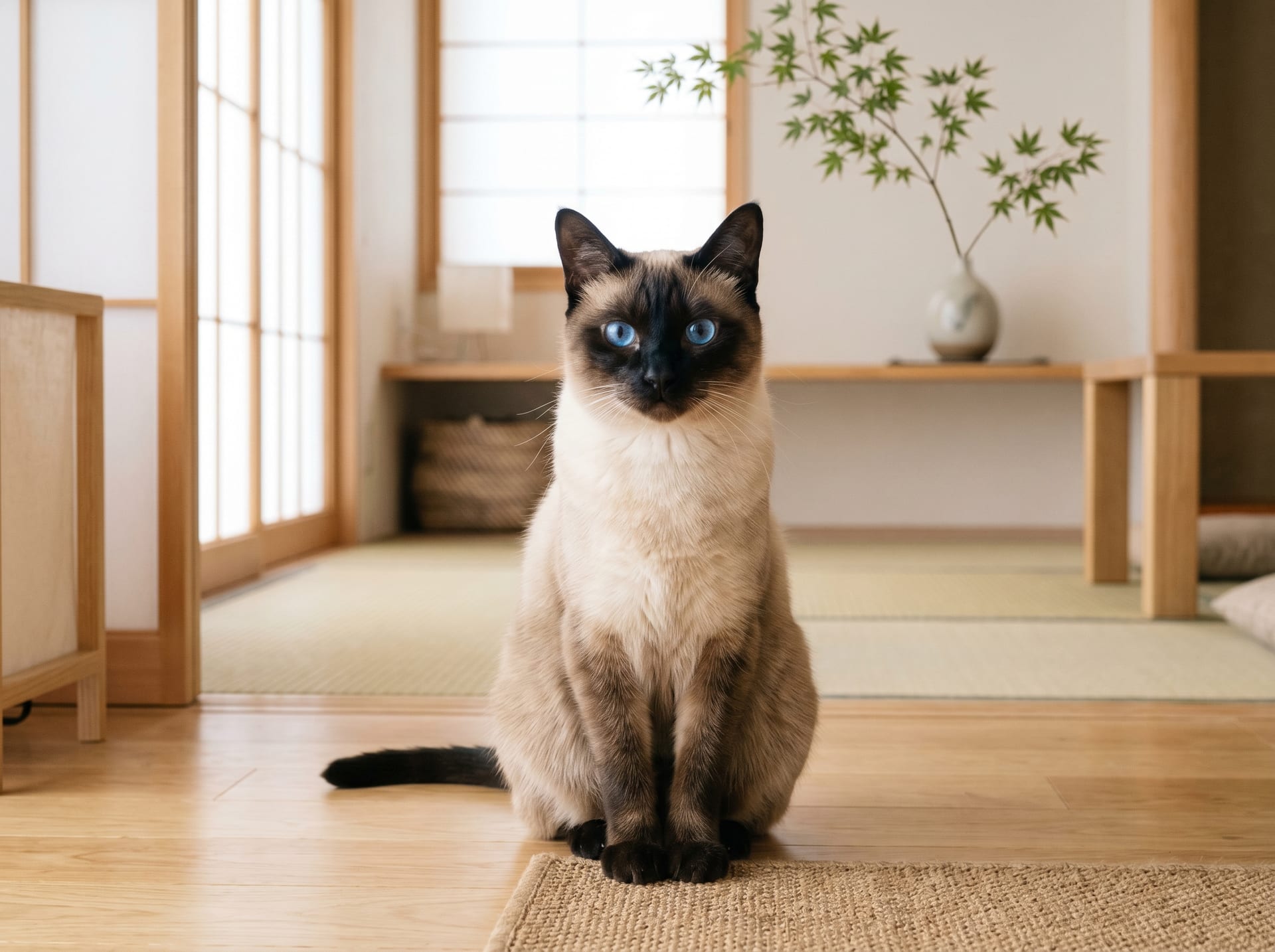
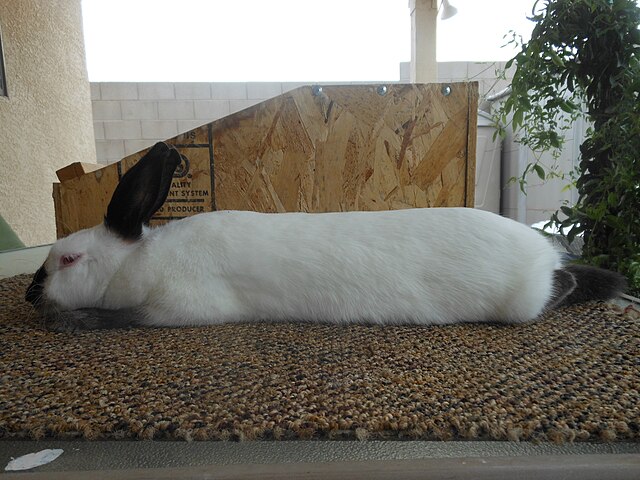
The Himalayan is a cat breed created by crossing the luxurious long coat and sturdy build of the Persian cat with the point coloring of the Siamese cat (where the face, ears, paws, and tail have darker-colored fur). The name is said to derive from the Himalayan rabbit and other animal species that display similar point coloring. Himalayans are characterized by their round, large face, small round ears, and striking blue eyes. They are known to have calm, affectionate personalities.
Their coat is silky, long, and densely undercoated, so maintaining their appearance requires considerable grooming. They are not highly active and tend to prefer spending time indoors at a leisurely pace, making them relatively easy to keep even in apartment settings.
Why Daily Brushing Is Essential
The long, dense coat of a Himalayan can mat quickly if left unattended. Mats not only cause stress by pulling on the skin, but can also impair air circulation and lead to dermatitis. Ideally, you should brush them daily, or at minimum every other day.
Brushing Steps
- First, use a slicker brush to gently work through surface tangles in the direction of hair growth
- Use a wide-toothed comb to carefully brush from the roots and check for mats
- Pay special attention to areas where mats form easily: armpits, inner thighs, neck area, and the base of the tail
- During shedding seasons (coat blowout periods), increase brushing frequency
If mats have already hardened, avoid pulling forcefully. Instead, use a specialized mat splitter or mat removal tool, or have a professional groomer or veterinarian handle severe cases for safety.
Tear Stains and Eye Care
Because the Himalayan inherits Persian bloodlines, which are a brachycephalic (flat-faced) breed, they tend to have nasolacrimal ducts (tear drainage passages) that are bent or easily clogged. This makes tear staining particularly common in this breed. Brown discoloration on the fur from the inner eye area toward the bridge of the nose is a sign of tear staining.
Tear Stain Care Basics
- Gently wipe the inner eye area outward using a cotton pad dampened with lukewarm water
- Doing this daily can help slow the progression of discoloration
- If the amount of eye discharge or tears suddenly increases, or if there is redness, consult a veterinarian soon, as infection or foreign objects may be present
- If fur around the face grows too long and irritates the eyes, consider trimming that area to reduce eye irritation
While tear stains themselves are usually not a serious health concern, neglecting them can allow the skin to become macerated and inflamed. Daily observation and care are therefore important.
Temperature, Environment Management, and Heat Protection
Himalayans with their long, densely undercoated fur are prone to retaining body heat and tend to be sensitive to warmth. During summer, maintain an appropriate room temperature and provide a well-ventilated environment. Cooling mats and free access to shaded areas are also effective.
Conversely, their long coat provides good insulation, so they are relatively cold-resistant. However, kittens and senior cats still require careful temperature management during winter months.
Diet and Weight Management
Because Himalayans inherit the sturdy skeletal structure of the Persian body type, they tend to become overweight if they don't get enough exercise. Provide an appropriate calorie-controlled diet based on age, body size, and activity level, and be cautious about overfeeding treats.
Additionally, since long-haired breeds are prone to ingesting fur, incorporating a hairball control formula food is one effective approach. Combined with regular brushing, this can reduce the risk of digestive problems caused by hairballs.
Personality and Training Tips
Himalayans are known to be calm, affectionate cats that enjoy spending quiet time near their owners. Because they carry Siamese bloodlines, they may show somewhat more activity and curiosity than Persians. Like other cat breeds, they require patient, consistent training in scratching post use and litter box habits from kittenhood onward.
Because long-haired breeds can have fur tangle between their claws, regular nail trimming combined with occasional trimming of the fur between the paw pads helps maintain hygiene.
Points to Check When Bringing One Home
When adopting a Himalayan from a breeder, it's reassuring to verify information about the parents' coat colors and personality tendencies, as well as past health records. Especially with brachycephalic bloodlines, some individuals may be prone to respiratory and nasolacrimal duct issues, so ask to observe the nose length and breathing pattern beforehand. Getting kittens accustomed to handling and coat brushing early on makes grooming easier when they reach adulthood.
Summary
Living with a Himalayan brings comfort through their luxurious coat and calm temperament, but daily, careful brushing and tear stain care are key to maintaining their health. Keeping in mind the three important considerations unique to flat-faced breeds—tear stains, mats, and heat sensitivity—while maintaining consistent daily observation will form the foundation for a long and healthy life with your Himalayan. Getting your kitten accustomed to grooming care early and thoroughly checking health status at the time of adoption are important first steps toward a long and worry-free life together.