Water Quality Management Guide for Ranchu and Round-bodied Goldfish | Creating Water to Prevent Swim Bladder Disease
Explains water quality management suited for round-bodied goldfish like ranchu. Introduces water temperature stability and appropriate water change frequency for preventing swim bladder disease.
Key Takeaways
Explains water quality management suited for round-bodied goldfish like ranchu. Introduces water temperature stability and appropriate water change frequency for preventing swim bladder disease.
Related Species
Why Ranchu and Round-bodied Goldfish Are Prone to Swim Bladder Disease
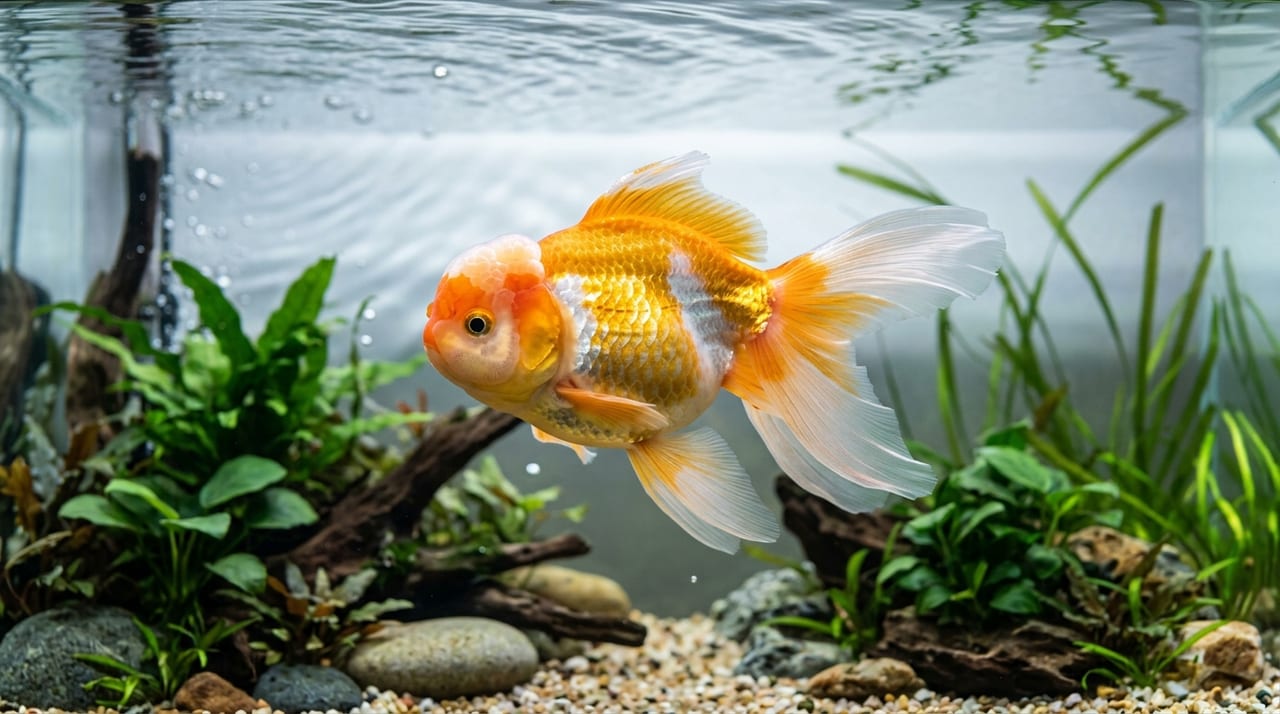
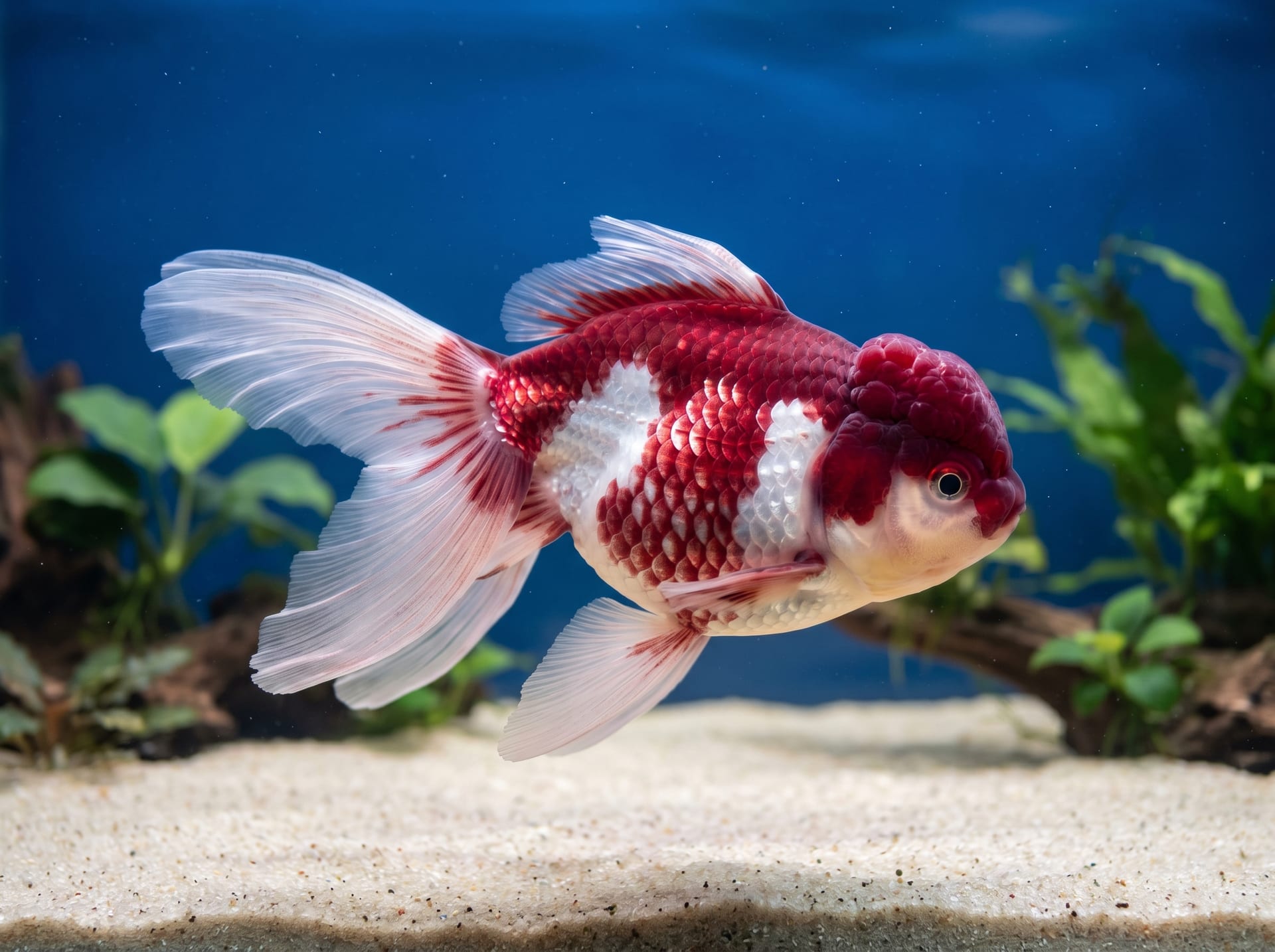
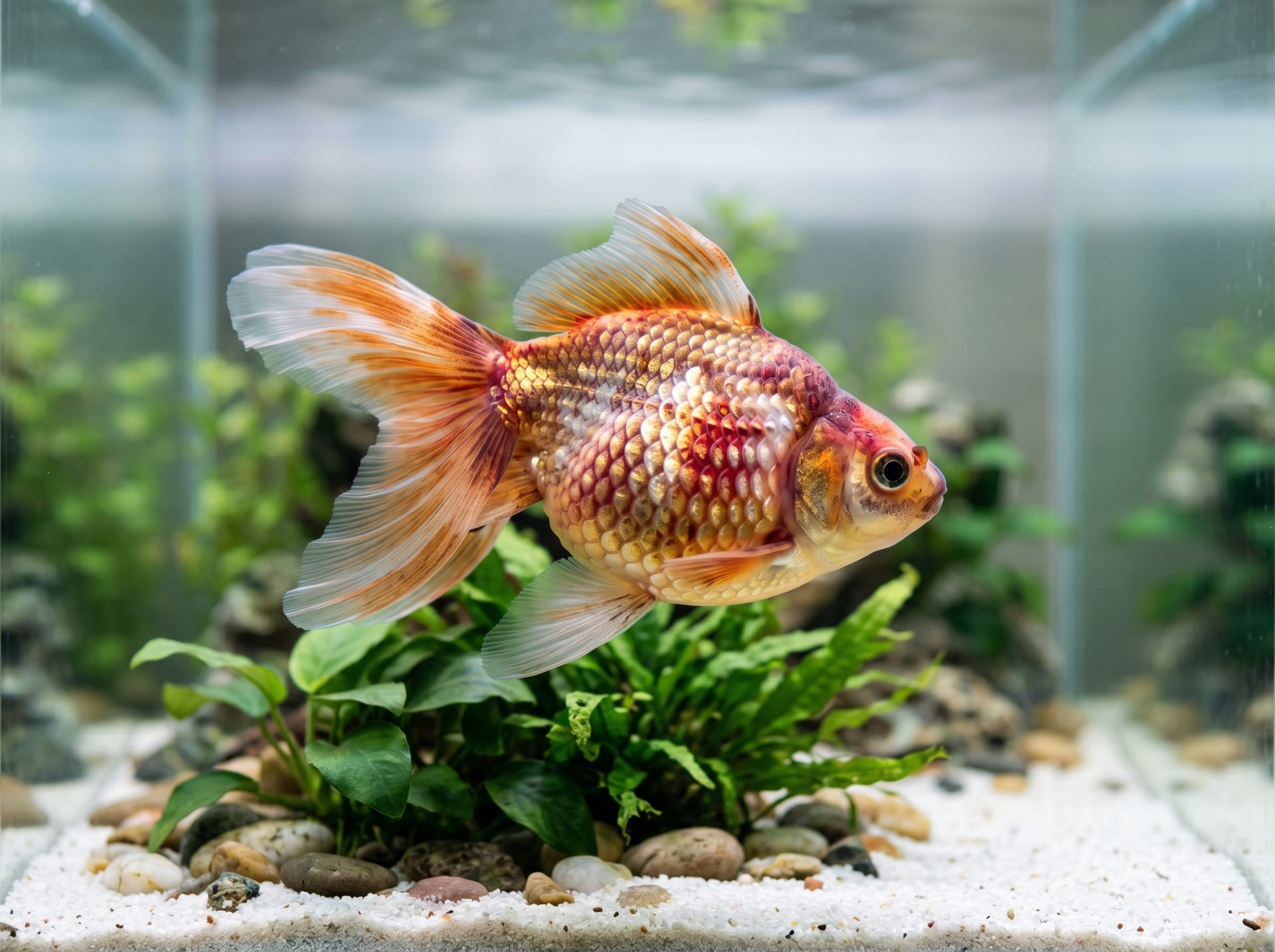
Ranchu, oranda, and pearlscale goldfish—collectively known as "round-bodied goldfish"—possess an undeniably charming rounded body shape that is their greatest appeal, yet they also come with notable health vulnerabilities. Among all concerns, "swim bladder disease (swim bladder disorder)" deserves the most attention.
Standard goldfish have a streamlined body shape, which allows the swim bladder to sit naturally in the center of the body. Round-bodied goldfish, however, have been selectively bred to have extremely compressed bodies, with all internal organs under constant pressure from all directions. In this condition, the swim bladder is easily subjected to excess pressure, and any gas formation in the digestive tract or digestive problems can throw off buoyancy balance and lead to swim bladder disorder symptoms.
Since swim bladder disease is often difficult to cure completely once it develops, the best preventive strategy is to "create an environment where it won't occur in the first place." The cornerstone of this approach is proper water quality and temperature management. For detailed guidance on treating cases where swim bladder symptoms have already appeared, see Goldfish Swim Bladder Disease Treatment Guide | Solutions by Cause.
Temperature Stability Is Critical
For round-bodied goldfish, rapid temperature fluctuations are among the biggest triggers of swim bladder disease. When water temperature drops, digestive enzymes become sluggish, and food tends to ferment in the intestines, causing gas to accumulate. This compresses the swim bladder and leads to swim bladder disorder.
Recommended Temperature and Management Tips
Ideal water temperature is 22–26°C: Maintaining stability within this range is best
Fluctuations of 2°C or more per day are a red flag: These often occur during seasonal transitions or after water changes, so be especially careful
Maintain 20°C or higher with a heater during winter: Unheated tanks significantly increase the risk of swim bladder disease
✍️
BreederDirect Editorial
The BreederDirect editorial team specializes in care information for animals, covering veterinary care and breeding to deliver beginner-friendly guides.
Find Goldfish on BreederDirect
Buy directly from verified breeders
Browse Related Listings
Find Goldfish listings related to this article on BreederDirect. Buy directly from verified breeders.
Always temperature-match during water changes: Adjust fresh water to within ±1°C of the tank water temperature before adding it
Even in summer, placing a tank in direct sunlight can cause water temperature to exceed 30°C during the day. Use tank coolers or cooling fans to keep water temperature stable during hot periods. Always install a thermometer and develop the habit of monitoring daily temperature changes.
Strengthening Filtration and Maintaining Water Quality
Due to their body structure, round-bodied goldfish have poor digestive efficiency and produce large amounts of waste. Since their water dirties quickly, selecting an appropriate filtration system and performing regular maintenance are essential for maintaining water quality.
Choosing the Right Filter
Flow rate should be 5–8 times the tank volume: For a 60 cm tank (about 60 liters), a filter capable of processing 300–480 liters per hour is appropriate
External or hang-on filters are recommended for their excellent filtration capacity and ease of maintenance
Combining with a sponge filter strengthens mechanical filtration and efficiently removes waste and uneaten food
However, if water flow is too strong, round-bodied goldfish will become exhausted from swimming. Remember to reduce flow appropriately by placing a sponge over the outlet or adjusting the spray bar direction.
Daily Maintenance
Weekly water changes (about 1/3 of the total volume): Change water gradually rather than all at once to avoid sudden water quality shifts
Substrate cleaning: Use a gravel vacuum or similar tool to remove waste and debris once per week
Filter cleaning: Rinse gently with tank water once or twice per month (never use tap water, as it will kill beneficial bacteria)
Always use dechlorinator when changing water to prevent chlorine from damaging bacteria. Additionally, nitrate accumulation can cause water to become acidic and harm fish health, so regular pH testing is helpful. Target a pH of around 7.0–7.5 (neutral).
Preventing Digestive Problems Through Feeding Adjustments
Most cases of swim bladder disease stem from "poor digestion." Round-bodied goldfish are structurally prone to overeating, fast eating, and ingesting air, so adjusting feeding methods is directly tied to prevention.
Feed Types and Feeding Methods
Use sinking pellets: Floating food causes fish to gulp air at the surface, promoting gas accumulation in the digestive tract
Feed only what will be consumed in 2–3 minutes: Uneaten food degrades water quality, so remove any leftovers immediately
Feed once or twice daily: Overfeeding is the leading cause of digestive problems
Avoid feeding in the evening and beyond: Metabolism slows at night, digestion can't keep up, and intestinal fermentation risk increases
Using Digestive Health Foods
Offering a small amount of blanched, peeled peas once or twice weekly promotes intestinal movement and aids digestion. This is especially effective for constipated fish and is widely practiced among experienced breeders. Additionally, implementing a fasting day (around once per week) to rest the digestive system is also an effective approach.
Tank Environment and Stocking Density Tips
Often overlooked alongside water quality management is the setup of the tank environment itself.
Appropriate Stocking Density
Goldfish generally need 1–2 liters of water per 1 cm of body length. Round-bodied goldfish often grow to 10–15 cm in body length, requiring a minimum of 20–30 liters or more per fish. Overstocking not only accelerates water quality degradation but also increases stress and lowers immunity, raising swim bladder disease risk.
Substrate and Layout Considerations
Use rounded substrate like coarse sand or aquarium sand: Sharp rocks can injure fish
Minimize obstacles: Round-bodied goldfish are not strong swimmers, so multiple driftwood or rocks increase collision risks
Lighting should be 8–10 hours per day: Excessive lighting promotes algae overgrowth, which degrades water quality
Initial fish selection is critical when keeping round-bodied goldfish. Some individuals are prone to swim bladder disease due to congenital body deformations or swim bladder abnormalities, which cannot be corrected no matter how ideal the tank environment is.
Through BreederDirect, you can purchase round-bodied goldfish directly from specialized breeders. Unlike pet shops, breeders who have actually bred and raised these fish understand each individual's health status and whether they come from lines less prone to swim bladder disease.
You can ask breeders questions: Confirm tank conditions, feeding methods, and individual temperament directly before purchase
Selection of healthy individuals: Many breeders carefully select and list only low-risk individuals
Full after-sale support: Breeders offer ongoing care advice after purchase, so even beginners can start with confidence
Whether you're keeping ranchu or oranda for the first time or you're an experienced keeper, a connection with a trusted breeder becomes invaluable for long-term success. When you combine knowledge of water quality management, a quality individual, and a reliable advisor, your life with round-bodied goldfish becomes truly enriched.