Goldfish Tumover Disease Treatment Guide | Origin-Specific Coping Methods
Explains the causes and treatments of goldfish tumover disease. Introduces origin-specific treatment methods for dietary, bacterial, and congenital causes, as well as prevention strategies.
Key Takeaways
Explains the causes and treatments of goldfish tumover disease. Introduces origin-specific treatment methods for dietary, bacterial, and congenital causes, as well as prevention strategies.
Related Species
Tumover disease is a condition where goldfish float upside-down at the water surface or become immobilized at the bottom. It creates a striking visual impact and is one of the most anxiety-inducing illnesses for fish keepers, but the appropriate treatment varies greatly depending on the cause. Many cases can recover with correct identification of the cause and appropriate care. This article explains treatment methods by origin, prevention strategies, and more in a beginner-friendly way.
What Is Tumover Disease? First, Correctly Identify the Cause
Tumover disease is more of a "collective term for symptoms" than a specific disease name. It refers to a condition where goldfish cannot maintain their normal posture, and the cause is not singular. Broadly, there are three types:
- Dietary (temporary) tumover: Caused by indigestion or gas accumulation
- Bacterial tumover: Caused by bacterial infection of the swim bladder or internal organs
- Congenital/chronic tumover: Caused by structural issues with body shape or swim bladder
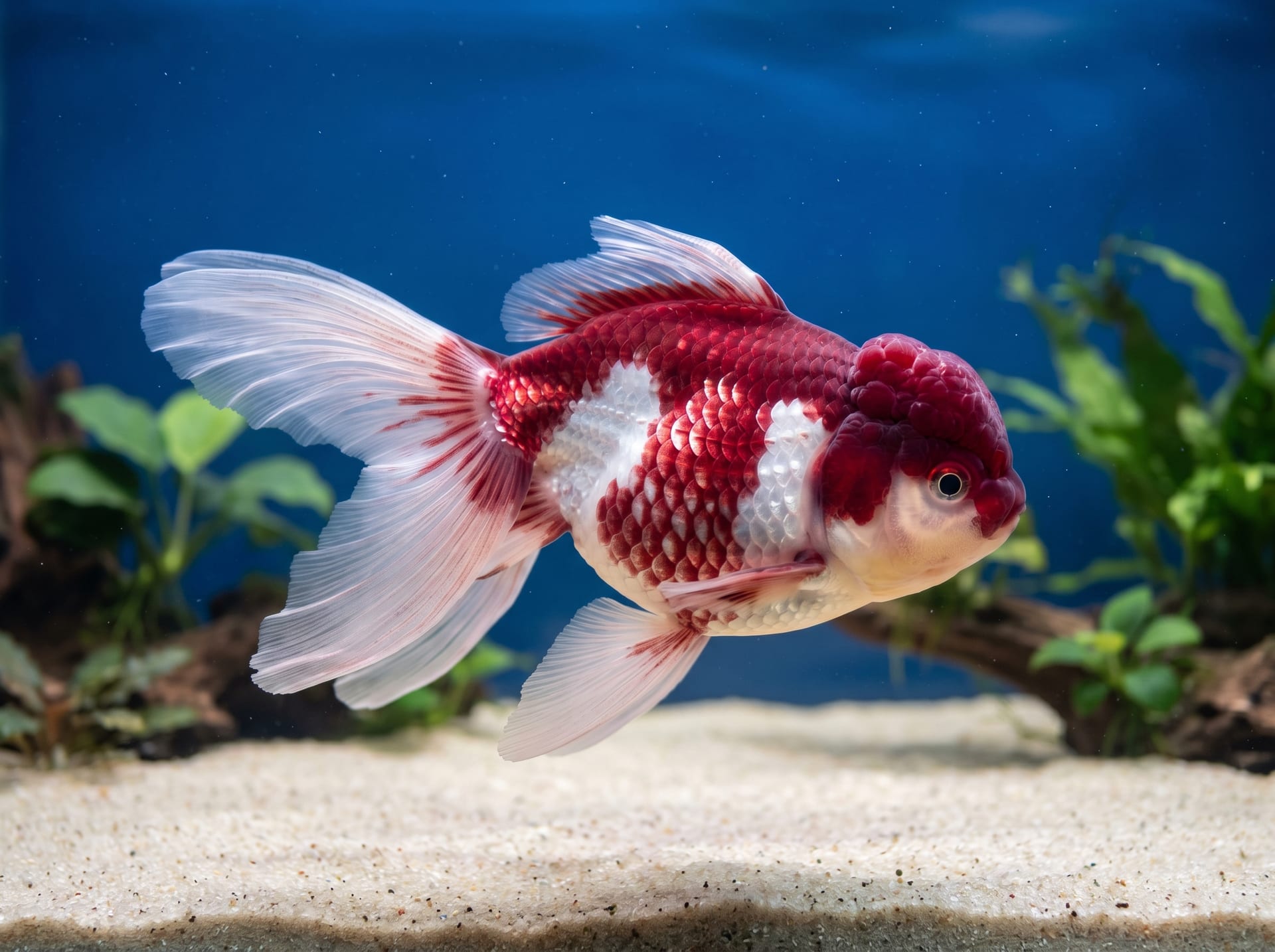
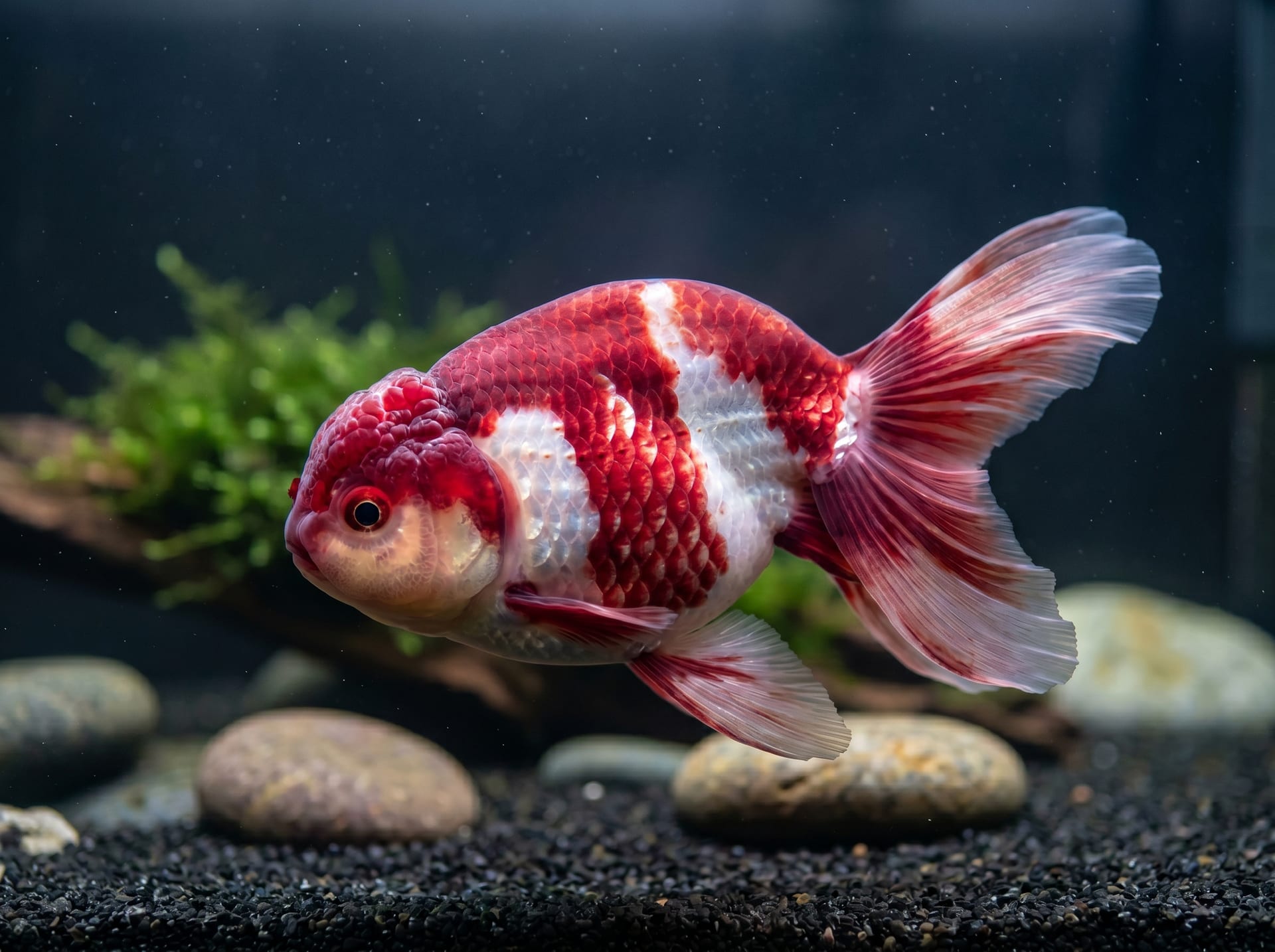
In particular, breeds with the "fancy goldfish" body type—such as ranchu, oranda, ping-pong pearl, and koi—have swim bladders that are easily compressed and are more prone to tumover disease. Conversely, thin-bodied goldfish like wakin and comet are relatively less susceptible. For those interested in reviewing water quality management for fancy goldfish, see Ryukin & Fancy Goldfish Water Quality Guide | Creating Water to Prevent Tumover Disease.
When symptoms appear, start by observing changes in the body surface (redness, abnormal mucus, etc.) and reflecting on changes in feeding and water temperature.
Dietary (Temporary) Tumover | Most Common Cause and Treatment
The most common form of tumover disease is caused by indigestion or gas accumulation. Overeating, hard-to-digest food, and poor digestion at low temperatures can trigger it. This type typically recovers relatively easily with early intervention.