Goldfish Body Type Care Guide — Differences in Managing Wakin, Ryukin, and Ranchu Types
Explains the differences in care management for three goldfish body type classifications (Wakin, Ryukin, and Ranchu). Introduces differences and solutions regarding swimming ability, digestive capacity, water temperature tolerance, and swim bladder disorder risk.
Key Takeaways
Explains the differences in care management for three goldfish body type classifications (Wakin, Ryukin, and Ranchu). Introduces differences and solutions regarding swimming ability, digestive capacity, water temperature tolerance, and swim bladder disorder risk.
Related Species
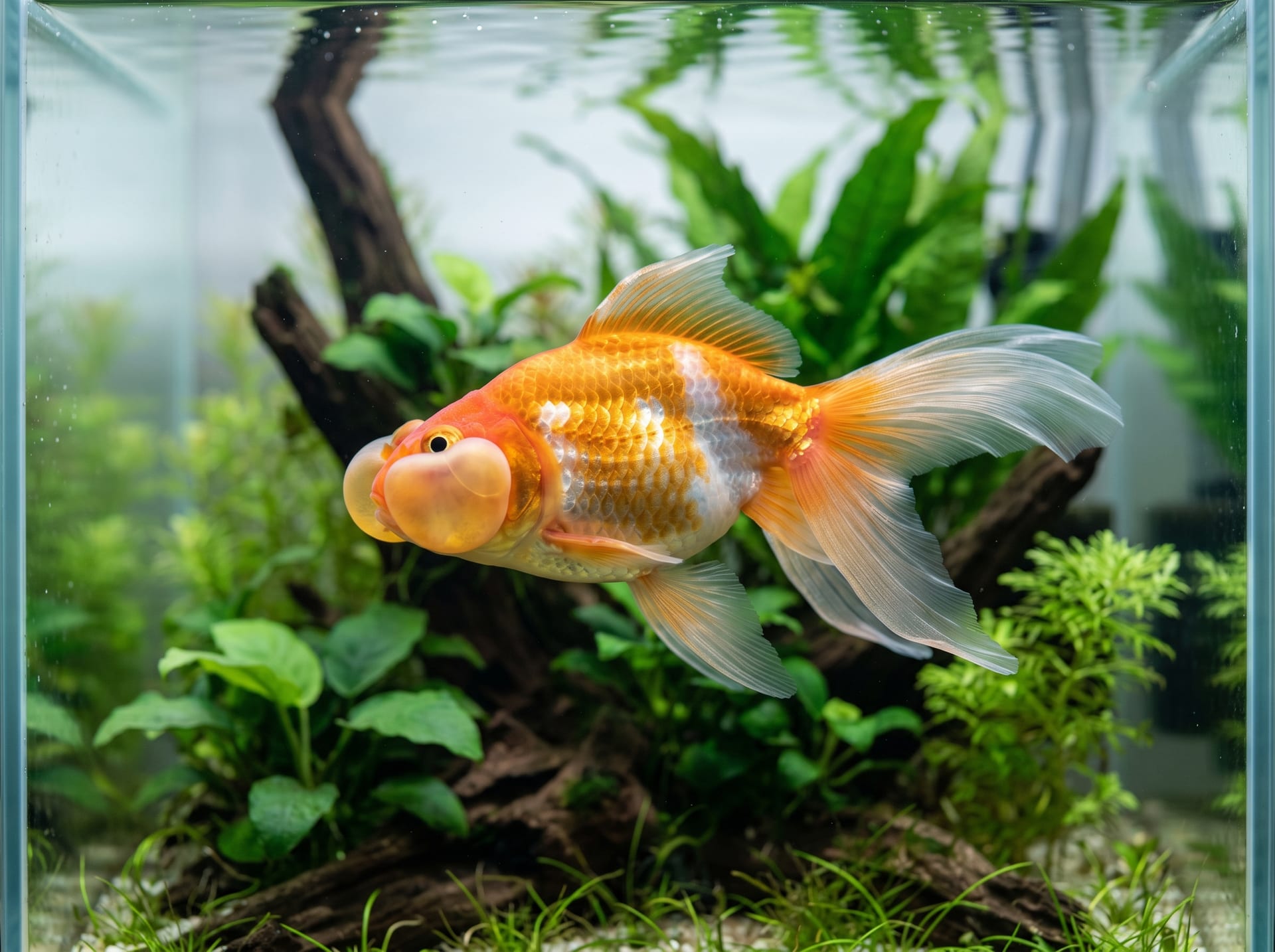
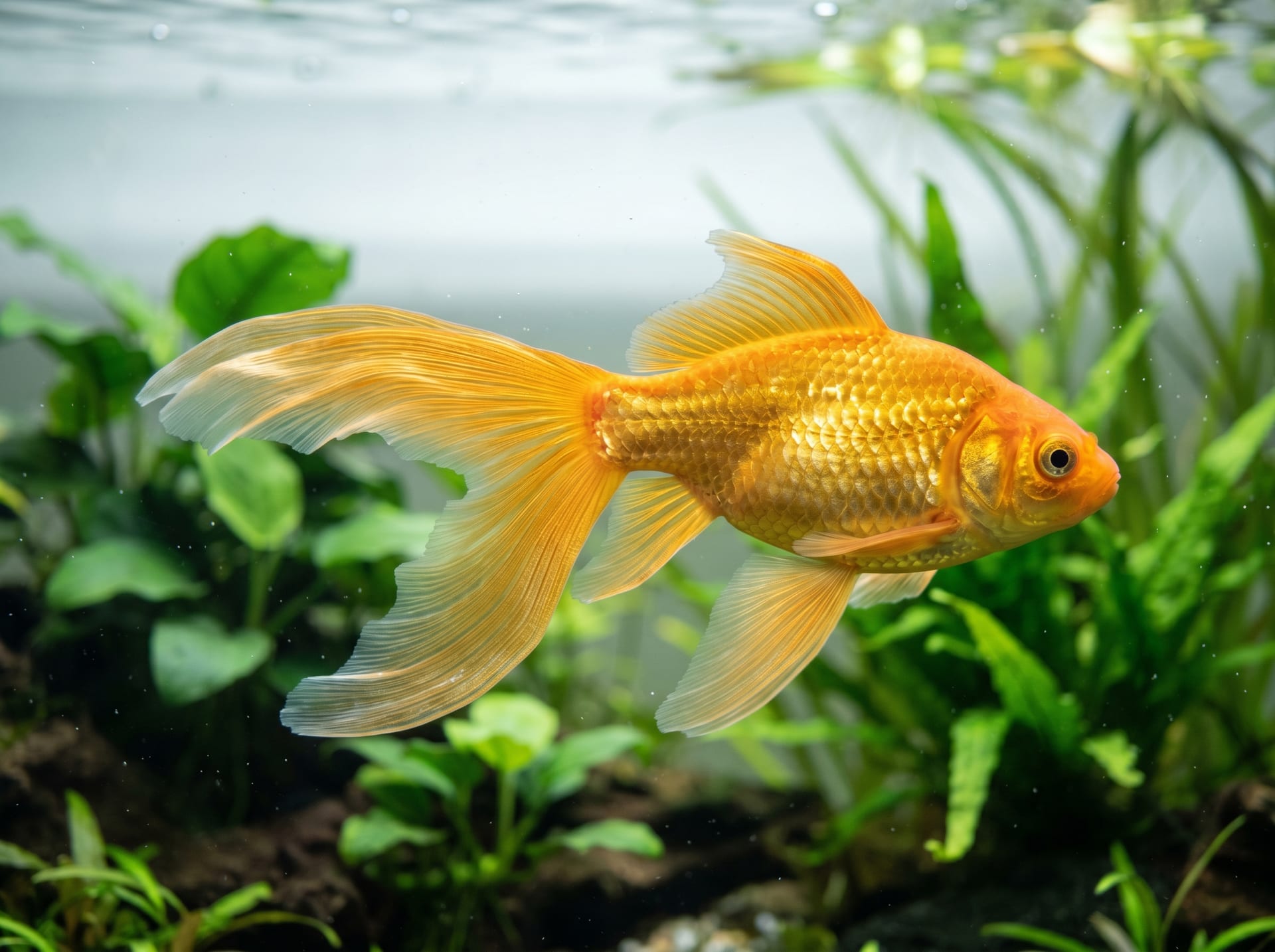
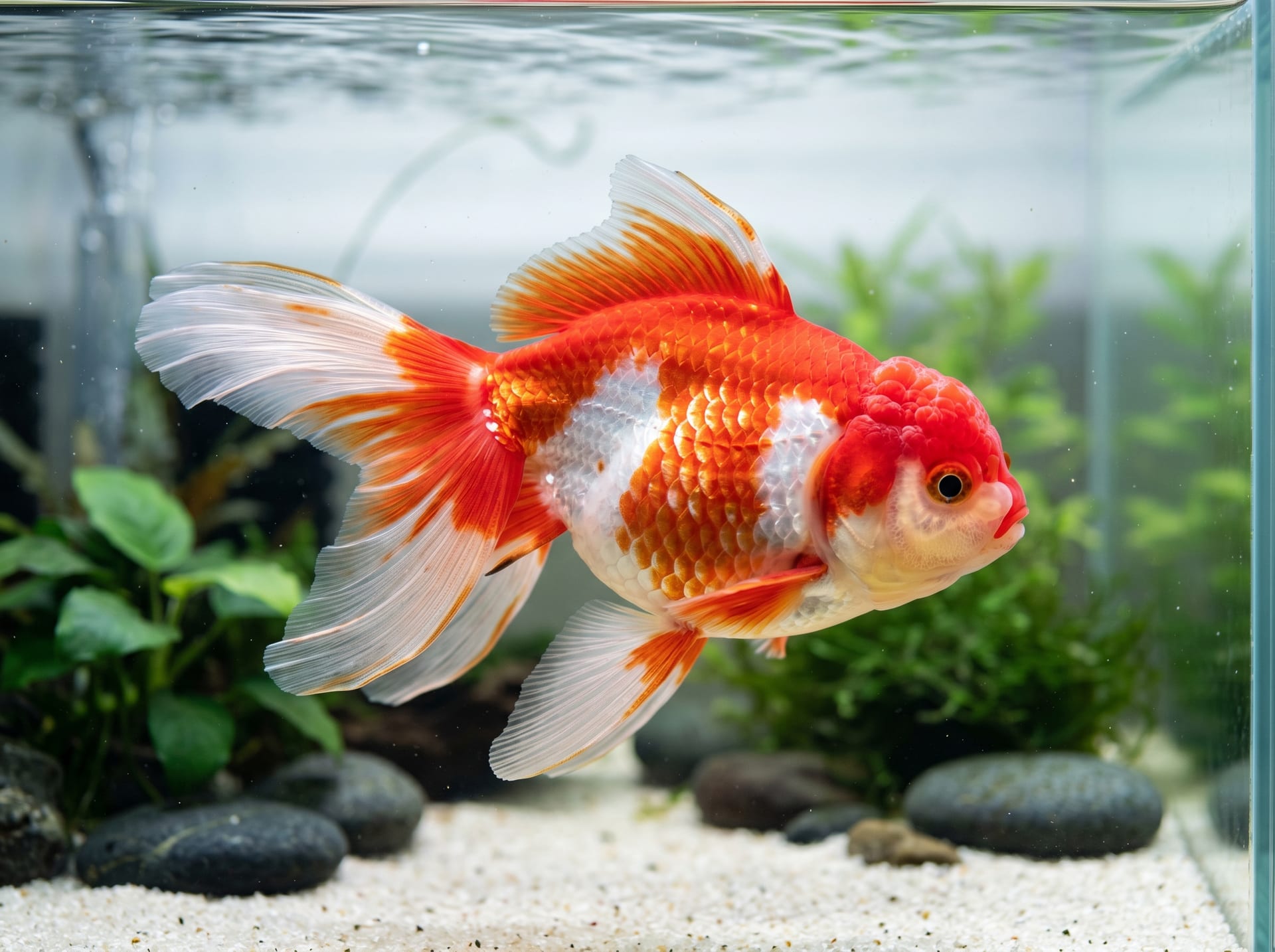
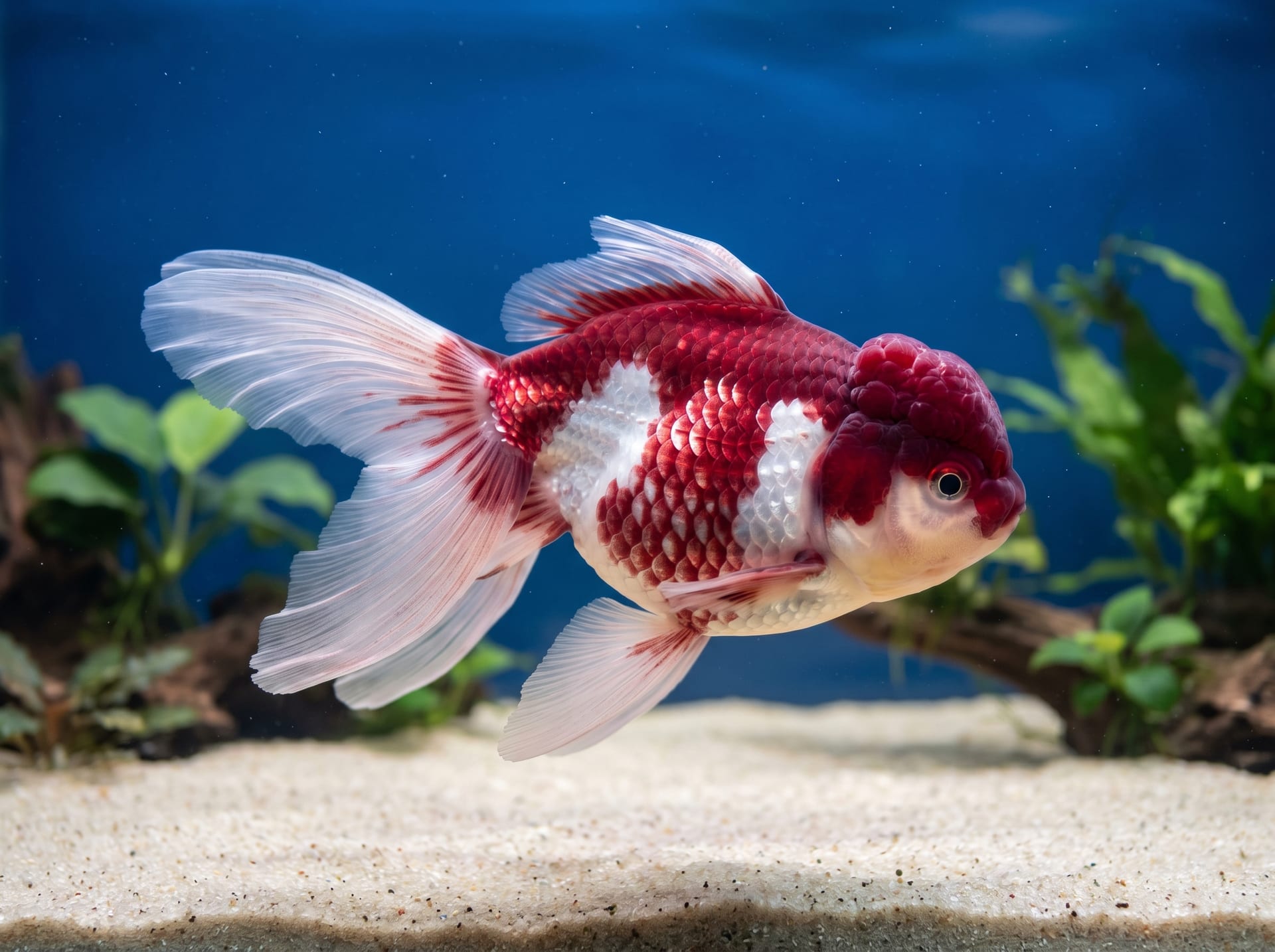
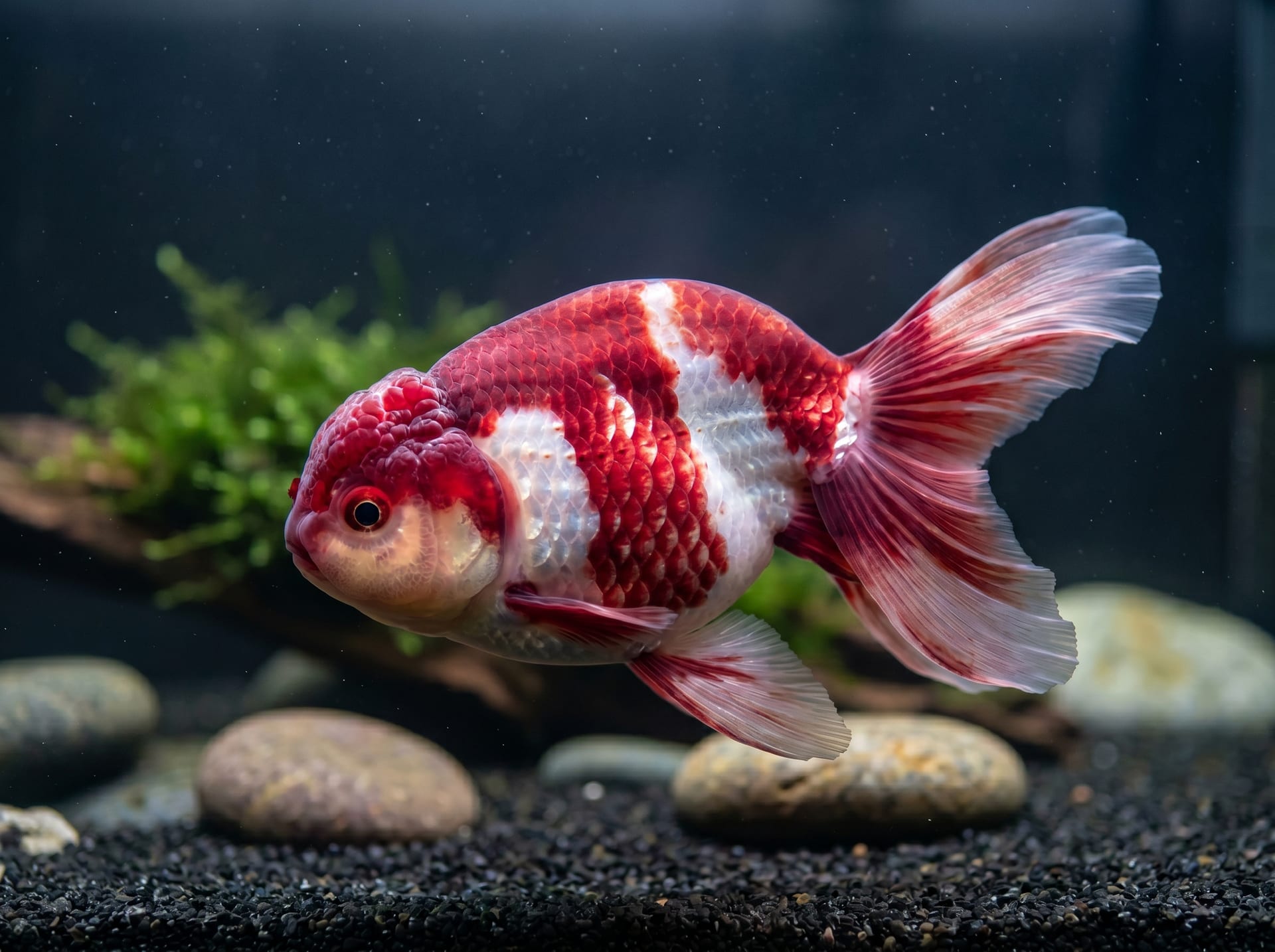
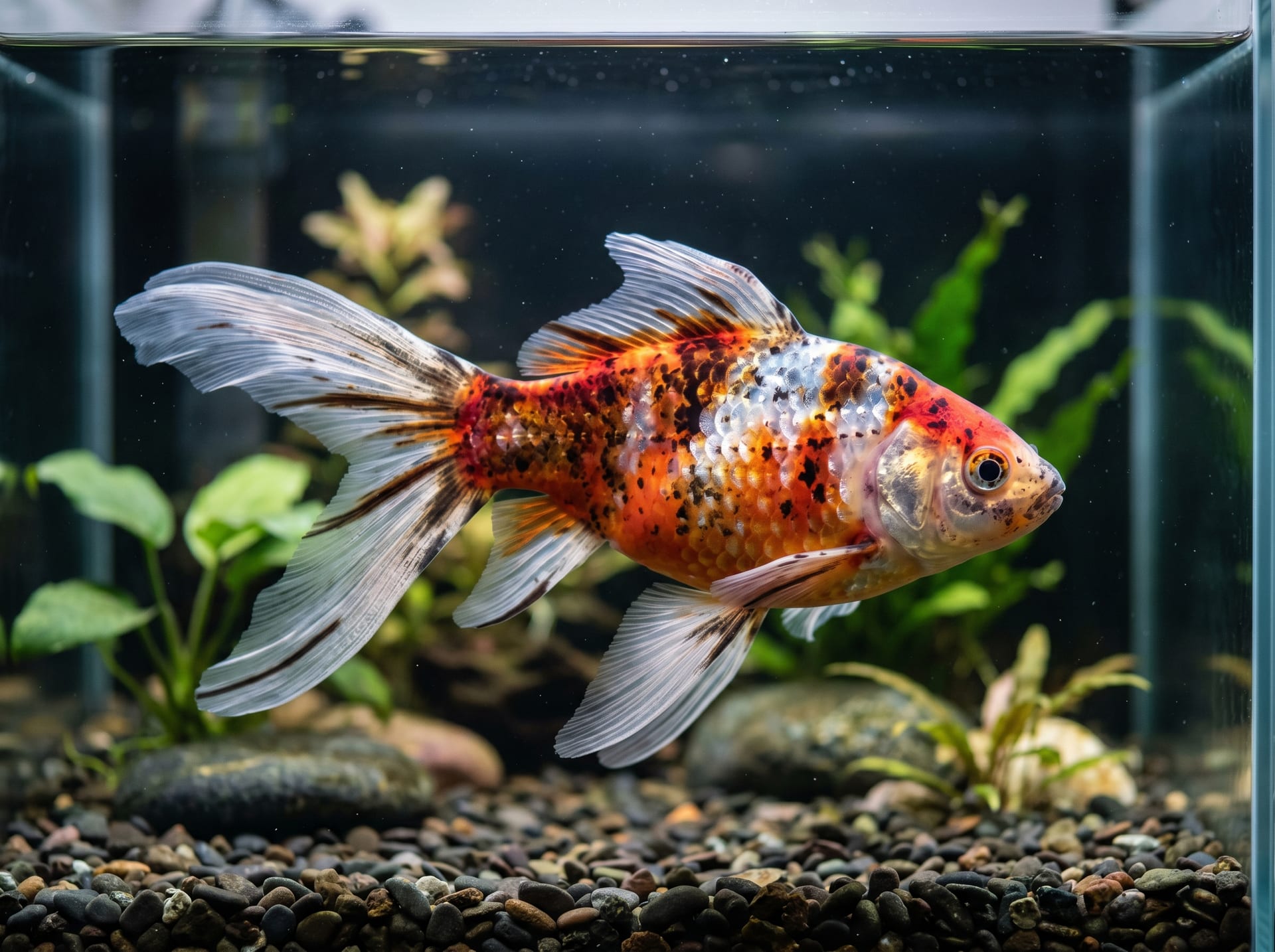

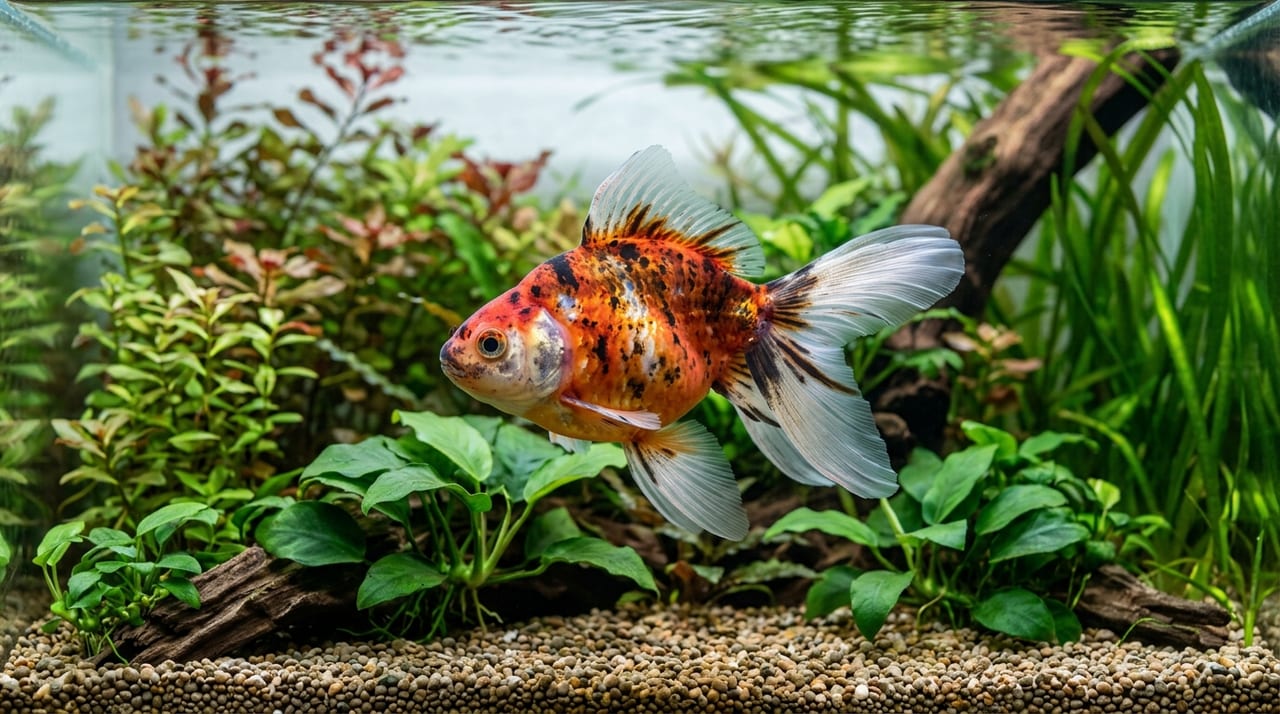
After hundreds of years of selective breeding, goldfish have developed diverse body shapes far removed from their wild crucian carp ancestors. Broadly divided into three groups — "Wakin type (elongated)," "Ryukin type (rounded)," and "Ranchu type (rounded without dorsal fin)" — body shape determines swimming ability, digestive capacity, disease risk, and optimal care environment. Understanding body type characteristics is key to keeping goldfish healthy and beautiful. This article explains care management tips for each body type in detail.
Wakin Type (Elongated) — Characteristics and Care Tips
Wakin are a slender-bodied group resembling crucian carp, with representative varieties including Wakin, Comet, and Shubunkin. Their streamlined shape gives them strong swimming ability and they swim actively. This swimming strength creates several care considerations.
- Tank size: Wakin typically grow to 15–25 cm and 2–3 adults are the limit in a 60 cm tank. Ideally, a 90 cm or larger tank or outdoor pond/plastic tub is best
- Water flow: They swim easily even in stronger water flow from powerheads or external filters
- Food and digestion: They have strong appetites and high digestive capacity, eating a wide variety of foods. Risk of swim bladder disorder is low with both floating and sinking pellets
- Water temperature: They tolerate a wide range from 5–30 °C, making them most suited to outdoor care without heating
- Cautions: They grow quickly and foul water easily, requiring strong filtration and regular water changes. A tank lid is essential due to their jumping ability
Ryukin Type (Rounded) — Characteristics and Care Tips
Ryukin are characterized by a rounded body shape and elegant long fins, with representative varieties including Ryukin, Oranda, Azuma Nishiki, Telescope Eye, and Tancho. Their round body shape gives them weaker swimming ability than Wakin and they struggle with strong water flow.
- Water flow management: Set filter flow to low or wrap the outflow with sponge to disperse water current
- Swim bladder disorder risk: The main concern is "swim bladder disorder." Their round shape compresses internal organs easily, making swim bladder dysfunction more likely. Prevention involves using sinking pellets and feeding smaller amounts
- Water temperature management: Below 15 °C, digestive function drops sharply and swim bladder disorder risk increases. Consider using a heater in winter to maintain 18–20 °C
- Fin protection: Their elegant fins are prized but are easily damaged by sharp decorations or aggressive tankmates. Choose layouts with smooth rounded rocks or soft aquatic plants
- Head growth (wen): Oranda and Tancho have head growth, which requires nutritious food and pristine water quality to develop
Ranchu Type (Rounded without Dorsal Fin) — Characteristics and Care
Ranchu are a rounded-body group without a dorsal fin, with representative varieties including Ranchu, Edonishiki, Hanafusa, and Bubble Eye. Lacking a dorsal fin, they have the weakest swimming ability of the three groups and water flow management is especially important.
- Filters: Sponge filters or air-lift style submersible filters are appropriate; use upper filters with minimal flow
- Container and water depth: Ranchu were traditionally kept in shallow round basins or plastic tubs. Water depth of 15–25 cm is appropriate; deep tanks increase swimming stress
- Head growth development: Head growth is the most important evaluation point in Ranchu competitions, influenced by genetics and care environment. Providing appropriate amounts of high-nutrition foods like bloodworms and brine shrimp and maintaining pristine water quality promote head growth
- Bubble Eye: This special variety has fluid-filled sacs around the eyes. A smooth environment without sharp edges is essential to prevent sac damage. Sacs can regenerate if broken, but may not fully recover to original condition
- Low temperature management: Ranchu generally tolerate low temperatures poorly; heater use is recommended in winter
Appropriate Tank Environment by Body Type
Tank environments suited to the three body type groups:
- Wakin type: A long, large tank (90 cm or larger) or outdoor plastic tub/pond works best. Maintain water quality with strong filtration and adequate aeration. Oiso gravel is the standard substrate; choose hard-leaved plants like Anubias that goldfish won't eat
- Ryukin type: A 60 cm or larger tank with low-flow filtration. Water depth of about 30 cm is manageable, and while jump risk is low, a lid adds safety. Fine Oiso gravel or bare-bottom tank makes maintenance easier, with the advantage of easier waste removal and simpler water quality management
- Ranchu type: Plastic tubs (40–60 L) or shallow tanks work best, with water depth set around 20 cm. Sponge filters or air-lift submersible filters are appropriate. If using an upper filter, direct the outflow toward the wall to reduce flow
Mixed Tank Considerations with Different Goldfish Body Types
Goldfish of different varieties can usually cohabitate, but mixing different body type groups requires care.
| Combination | Compatibility | Reason/Notes |
|---|---|---|
| Wakin and Ranchu | Most to avoid | Swimming ability differs dramatically; Wakin monopolize food and Ranchu cannot eat adequately. During breeding season, male Wakin vigorously chase female Ranchu, risking exhaustion |
| Wakin and Ryukin | Caution needed | Food stealing occurs with large size differences |
| Ryukin and Ranchu | Relatively safe | Ryukin are faster swimmers; when feeding, place food near Ranchu |
| Same body type within group (Wakin with Wakin, Ryukin with Ryukin, Ranchu with Ranchu) | Safest | Similar swimming ability means fewer problems |
Keeping size differences within 2× is also an important rule.
Choose the Right Goldfish Body Type at BreederDirect
Understanding goldfish body types before choosing a variety is the first step to successful keeping. At BreederDirect, you can consult goldfish breeders for body-type-specific care advice and get recommendations for varieties suited to your tank setup. Even as a first-time goldfish keeper, you can enjoy a long relationship with your goldfish by creating the right environment based on variety characteristics.