Diamond Goby (Valenciennea) Care Guide | Sand Bed Sifting, Feeding, and Pair Breeding in Practice
A comprehensive guide to keeping Diamond Gobies (genus Valenciennea), which are popular sand bed cleaners in reef tanks. Learn about proper sand bed depth and grain size, supplementary feeding methods using copepods and amphipods, pairing considerations, live rock placement to prevent collapse, and solutions for common problems like starvation, escape, and white spot disease—a practical guide for long-term care.
Key Takeaways
A comprehensive guide to keeping Diamond Gobies (genus Valenciennea), which are popular sand bed cleaners in reef tanks. Learn about proper sand bed depth and grain size, supplementary feeding methods using copepods and amphipods, pairing considerations, live rock placement to prevent collapse, and solutions for common problems like starvation, escape, and white spot disease—a practical guide for long-term care.
About Diamond Gobies
✍️
BreederDirect Editorial
The BreederDirect editorial team specializes in care information for animals, covering veterinary care and breeding to deliver beginner-friendly guides.
Find Marine Fish on BreederDirect
Buy directly from verified breeders
Browse Related Listings
Find Marine Fish listings related to this article on BreederDirect. Buy directly from verified breeders.
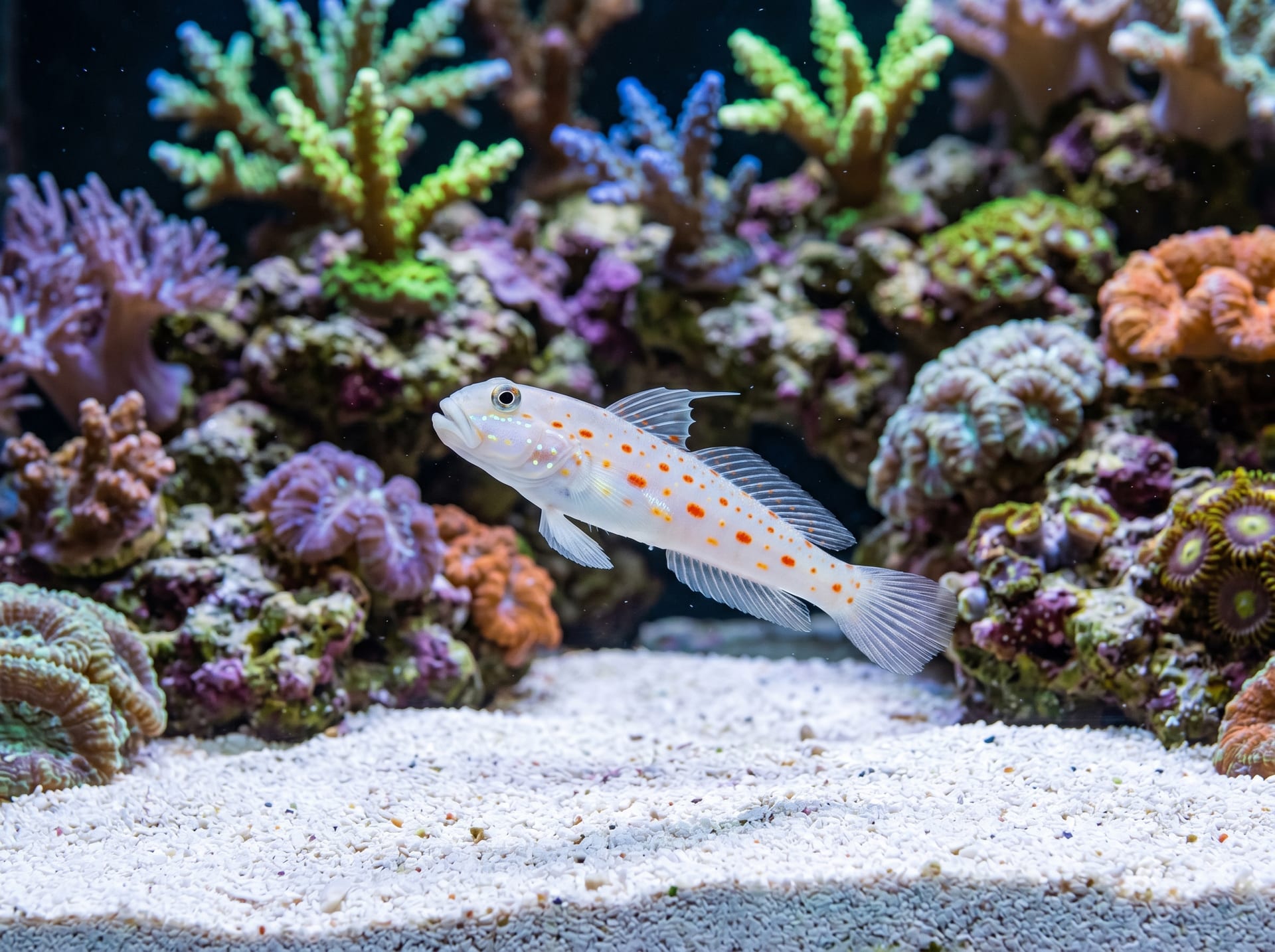
Diamond Gobies (Diamond Sleeper Goby) are marine fish of the genus Valenciennea belonging to the family Gobiidae. The name "Diamond Goby" comes from the striking vertical stripes and lustrous patterns on their body that resemble diamonds. The most commonly available species are V. puellaris (Orange-Spotted Sleeper Goby) and V. strigata (Blueband Goby).
Key Characteristics of Diamond Gobies
Burrow into sandy substrates with "sand sifting" behavior
Function as "sand cleaners" by taking sand into their mouths to feed on organic material and promote oxygenation
Gentle and peaceful temperament with minimal aggressive interactions with other fish
Beautiful diamond-like lustrous spots
By constantly sifting the sand bed, they function as a biological filter that prevents sand bleaching and anaerobic conditions, making them extremely valuable as cleanup crew members in reef tanks.
Basic Information
Item
Details
Scientific Name
Valenciennea puellaris (representative species)
Common Names
Orange-Spotted Sleeper Goby, Diamond Goby
Size
4–6 inches (10–15 cm)
Lifespan
3–5 years
Water Temperature
75–81°F (24–27°C)
Specific Gravity
1.023–1.025
pH
8.1–8.4
Difficulty Level
Intermediate
Minimum Tank Size
60 cm or larger recommended
Tank Setup
Tank and Substrate
The most critical aspect of keeping Diamond Gobies is providing sufficient sand bed depth.
Sand bed depth: minimum 5 cm, ideally 7–10 cm or more
Sand grain size: Fine sand (1–2 mm grain size) white coral sand or aragonite sand is optimal
Sand that is too shallow will not provide adequate burrowing space, leading to stress and decline
Since they have a habit of digging burrows under the sand, it is recommended to place live rock directly on the tank bottom glass rather than on the sand bed to prevent collapse from their excavation activity. Live rock placed directly on the sand bed risks being overturned by the goby's burrowing.
Water Flow and Oxygenation
Moderate water flow (skimmers and circulation pumps are sufficient)
Avoid strong direct currents, which they dislike; adjust wave pump direction to avoid direct sand bed contact
Pairing
Diamond Gobies are best kept as pairs (one male and one female). Multiple individuals of the same species will engage in serious territorial disputes, so keep them either singly or ensure you maintain only one confirmed pair.
The most reliable approach is to introduce two fish of similar size simultaneously, or select a pair being sold as such at the aquarium shop.
Feeding
The biggest challenge in keeping Diamond Gobies is feeding them. They primarily feed on microorganisms found in the sand bed (copepods, amphipods, and organic material), and starvation becomes an issue when the natural microbial population becomes depleted.
Supplementary Feeding Methods
When natural sand microorganisms are insufficient, the following supplementary feeding methods are effective:
Food Type
Feeding Method
Frequency
Frozen copepods
Inject directly near sand bed with pipette
Daily to every other day
Frozen amphipods
Inject with pipette
Daily to every other day
Frozen mysis shrimp
Inject directly onto sand surface
1–2 times daily
Sinking flakes
Drop onto sand bed
Supplementary only
Important: Do not feed foods that sink too quickly, as they will not eat food floating near the surface. Always use a pipette or syringe to inject food directly onto the sand bed surface.
Refugium Integration
Building a system with a refugium (macroalgae culture tank) to cultivate copepods and amphipods and periodically flow them into the main tank makes long-term maintenance of Diamond Gobies significantly easier.
Tank Mates and Compatibility
Compatible Fish
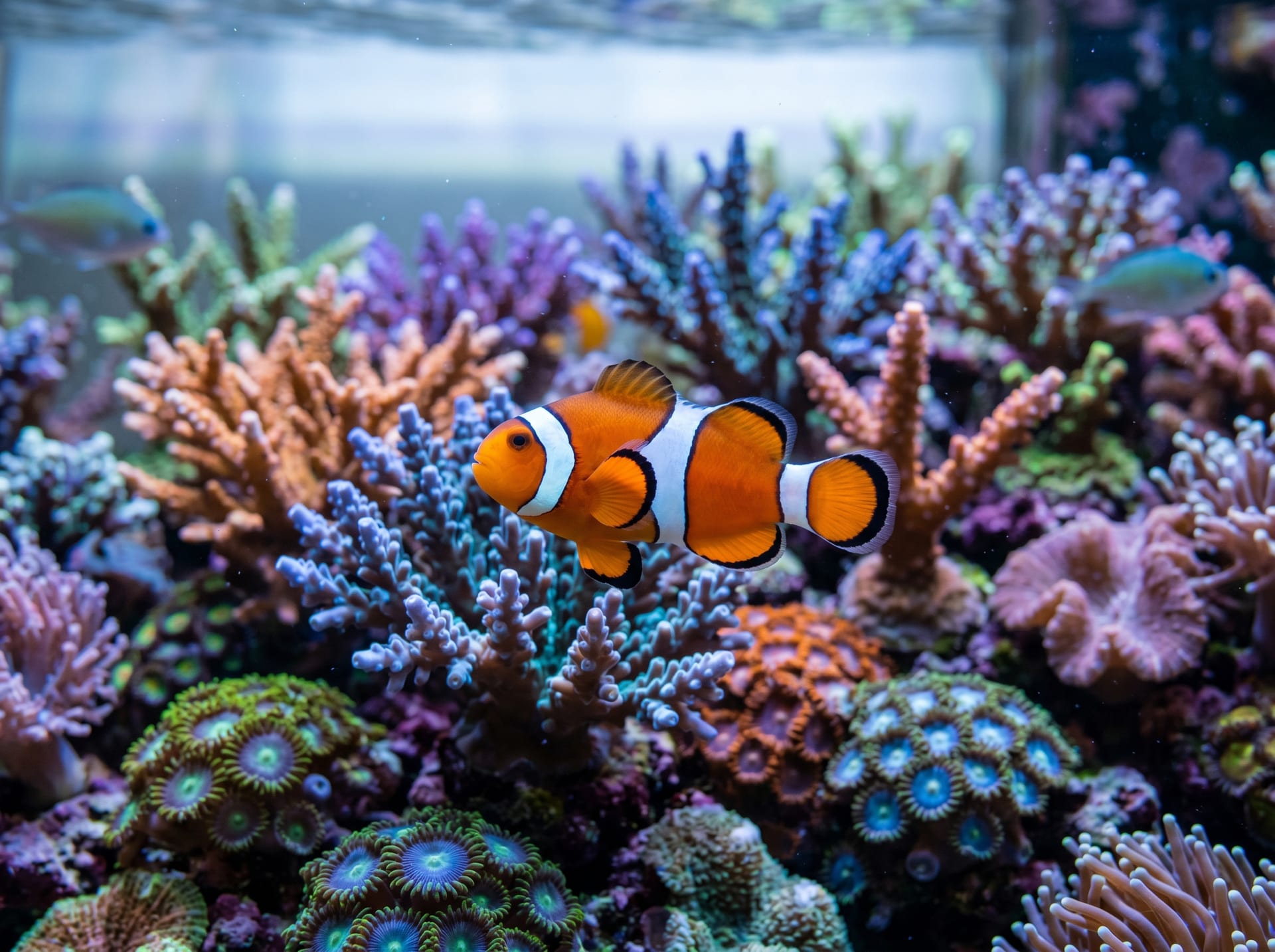
Ocellaris Clownfish and Anthias (peaceful fish in general)
Make good combinations as bottom-dwelling fish managing the sand bed surface (similar to the role of otocinclus)
Angelfish species (small to medium-sized, peaceful varieties)
Combinations Requiring Caution
Multiple same-species individuals: Territorial disputes; keep only one pair
Large wrasse species: May prey on or attack Diamond Gobies
Frogfish and Lionfish: Predation risk
Health Management and Common Problems
Loss of Appetite and Weight Loss
The most common problem with Diamond Gobies is starvation from depletion of sand bed microorganisms.
For 2–4 weeks after introduction, they can survive on copepods in the sand bed, but supplementary feeding becomes essential afterward
A pinched abdomen is a sign of starvation; begin supplementary feeding with frozen copepods immediately
Installing a refugium or adding extra live rock makes long-term maintenance much easier
Escape
They may escape at night through gaps in the sand or tank openings. Always install a cover on any tank without one.
White Spot Disease
They may develop white spot disease due to temperature fluctuations and stress after introduction. Consider isolation tank treatment (freshwater dips, low specific gravity, or medication). Copper treatments are prohibited in reef tanks as they harm corals and live rock.
Observation Points
One of the charming aspects of keeping Diamond Gobies is watching them take large mouthfuls of sand and blow it out forcefully—their characteristic "sand-blowing" behavior. This action breaks down and oxygenates organic material within the sand, maintaining a healthy substrate environment in the tank.
Once a pair bonds, you can observe them sifting sand side by side—an enchanting sight. They share the same burrow and can be observed sleeping within the sand at night.
Diamond Gobies are outstanding biological cleaners for reef tanks, maintaining substrate health while adding beautiful diamond-patterned beauty to your display. With proper sand bed conditions and thoughtful supplementary feeding, they can be enjoyed for many years.