Blue-Green Chromis Care Guide | Beautiful School Swimming Saltwater Fish Perfect for Beginners
A comprehensive guide to caring for Blue-Green Chromis (Chromis viridis), the most popular beginner-friendly saltwater fish species. Learn about their hardiness, stunning schooling behavior, ideal tank size, compatible tank mates, and feeding tips.
Key Takeaways
A comprehensive guide to caring for Blue-Green Chromis (Chromis viridis), the most popular beginner-friendly saltwater fish species. Learn about their hardiness, stunning schooling behavior, ideal tank size, compatible tank mates, and feeding tips.
About Blue-Green Chromis
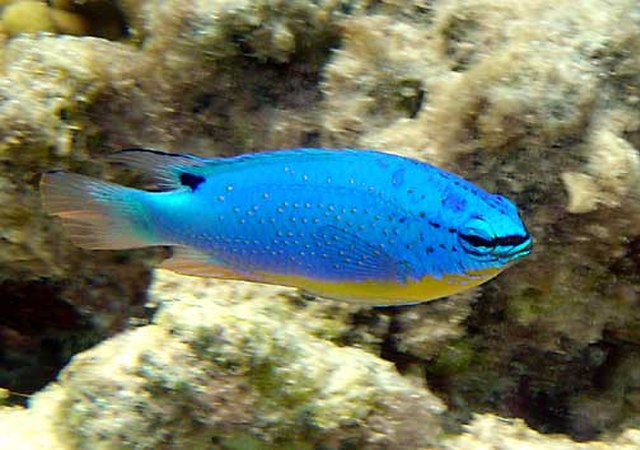
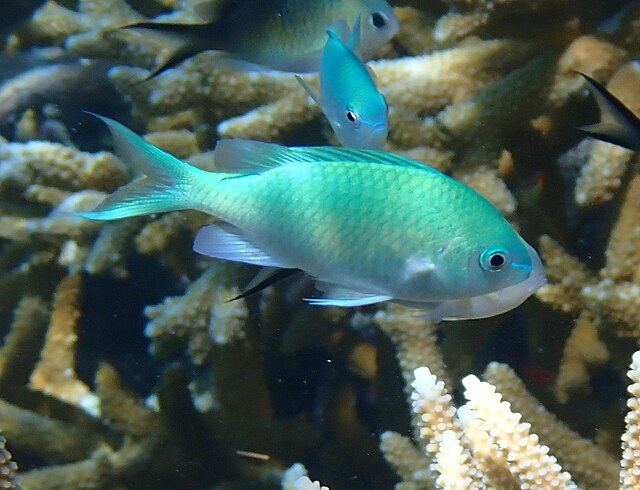
Blue-Green Chromis (Chromis viridis) is a small saltwater fish belonging to the family Pomacentridae. Known in English as "Blue-Green Chromis" or "Green Chromis," it's commonly abbreviated in the aquarium hobby as "Deba" or "Deba Suzume."
✍️
BreederDirect Editorial
The BreederDirect editorial team specializes in care information for animals, covering veterinary care and breeding to deliver beginner-friendly guides.
Find Marine Fish on BreederDirect
Buy directly from verified breeders
Browse Related Listings
Find Marine Fish listings related to this article on BreederDirect. Buy directly from verified breeders.
Related Tools
Related Articles
Browse by Category
🪸Coral
🐠Marine Fish
🐟Tropical Fish
🐡Goldfish
🐟Medaka
🦎Reptiles
Share
Native to Indo-Pacific coral reef regions, they naturally live in large schools among coral branches in the wild.
Basic Information
Item
Details
Scientific Name
Chromis viridis
Size
2–3.1 inches (adults)
Origin
Indo-Pacific region
Water Temperature
75–82°F
pH
8.1–8.4
Specific Gravity
1.020–1.025
Lifespan
3–5 years
Price
Approximately $3–8 USD
Why They're Perfect for Beginners
Blue-Green Chromis are strongly recommended as the ideal starter fish for saltwater aquarium keeping for several compelling reasons:
1. Exceptional Hardiness
Among all saltwater fish, Blue-Green Chromis rank among the hardiest species. They have good tolerance to water quality fluctuations and can be kept successfully even in newly established tanks. However, like all fish, they still require care to avoid sudden water parameter changes and ich (white spot disease).
2. Beautiful Schooling Behavior
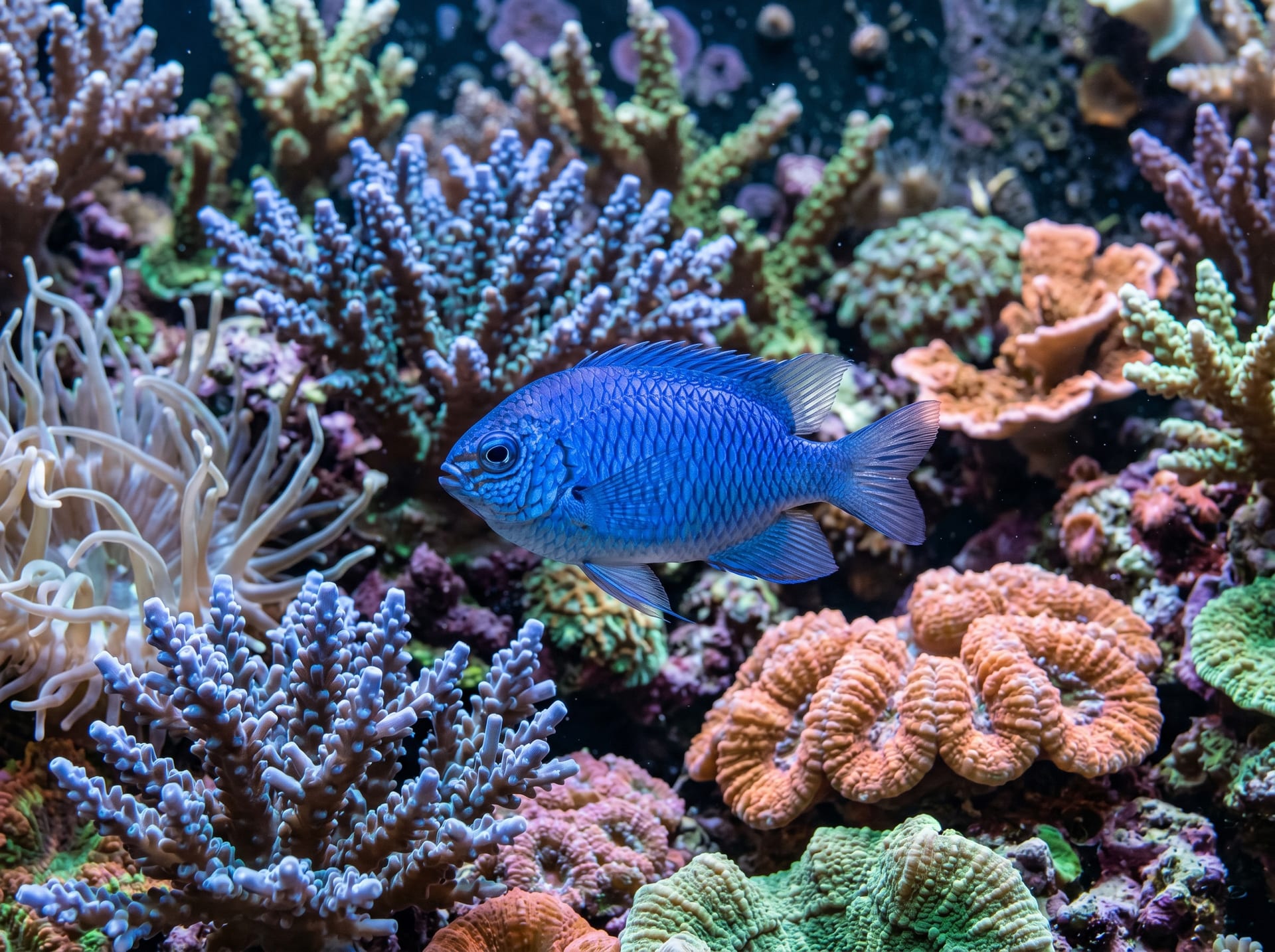
When kept in a cohesive group of 5–10 fish, they truly bring the aquarium to life. Their metallic blue-green bodies moving in unison create a stunning visual display, allowing you to experience one of the greatest joys of saltwater aquarium keeping.
3. Peaceful Temperament
They are remarkably non-aggressive toward other fish species, making them compatible with a wide variety of tank mates. Among Pomacentridae, they are exceptionally peaceful.
4. Affordable and Widely Available
Available at most aquarium stores at a reasonable price of approximately $3–8 USD per fish, making it easy to purchase a school together.
5. Reef-Safe
They do not eat corals, so they can be safely introduced into reef tanks that replicate natural coral reef environments.
Care Requirements
Tank Size
Number of Fish
Minimum Tank Size
3–5
18-inch (~13 gallons)
5–8
24-inch (~17 gallons)
10–15
36-inch (~47 gallons)
For proper schooling behavior, a 24-inch or larger tank is ideal. In tanks that are too small, the school won't stay cohesive, and territorial conflicts between individuals may occur.
Equipment
Protein Skimmer: Essential for maintaining water quality in saltwater systems
Live Rock: Effective for biological filtration and providing hiding places
Lighting: If keeping corals, use coral-specific lighting; for fish-only setups, standard LED aquarium lighting is sufficient
Water Parameters
Parameter
Target Range
Water Temperature
75–82°F
Specific Gravity
1.023–1.025
pH
8.1–8.4
Ammonia
0 mg/L
Nitrite
0 mg/L
Nitrate
Below 20 ppm (ideal: below 10 ppm)
Feeding
Blue-Green Chromis are omnivores, feeding on plankton and algae in the wild. In captivity, they readily accept a variety of foods:
Recommended Foods
Saltwater Flake Food: Ideal as a staple diet with excellent nutritional balance
Frozen Brine Shrimp: Highly palatable and helps enhance coloration
Frozen Copepods: Closely mimics their natural diet and promotes overall health
Granular Dry Food: Fine-grain varieties that don't sink too quickly are easier to consume
Feeding Tips
Feed twice daily in amounts they can consume within 2–3 minutes
Reduce water flow and keep food floating for easier consumption
Distribute food from multiple locations to reduce competition and ensure all individuals feed evenly
Compatible Tank Mates
Blue-Green Chromis can be kept with many saltwater fish species due to their peaceful nature.
Good Tank Mates
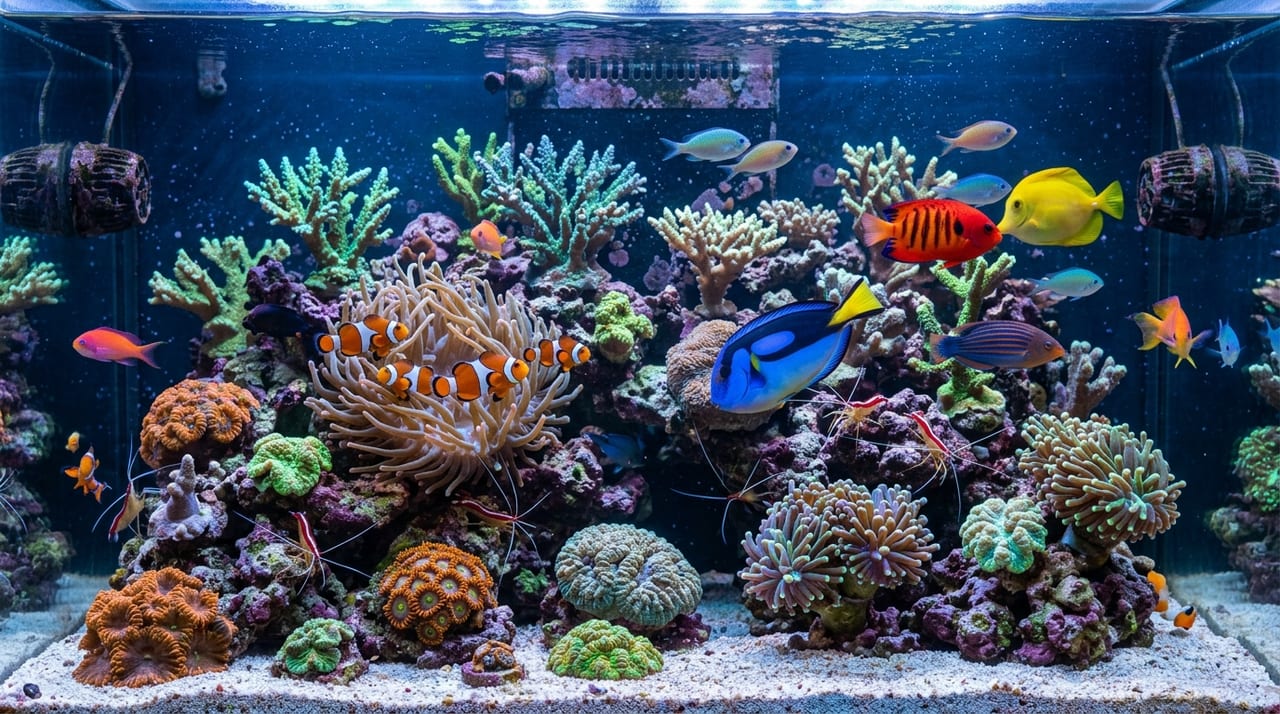
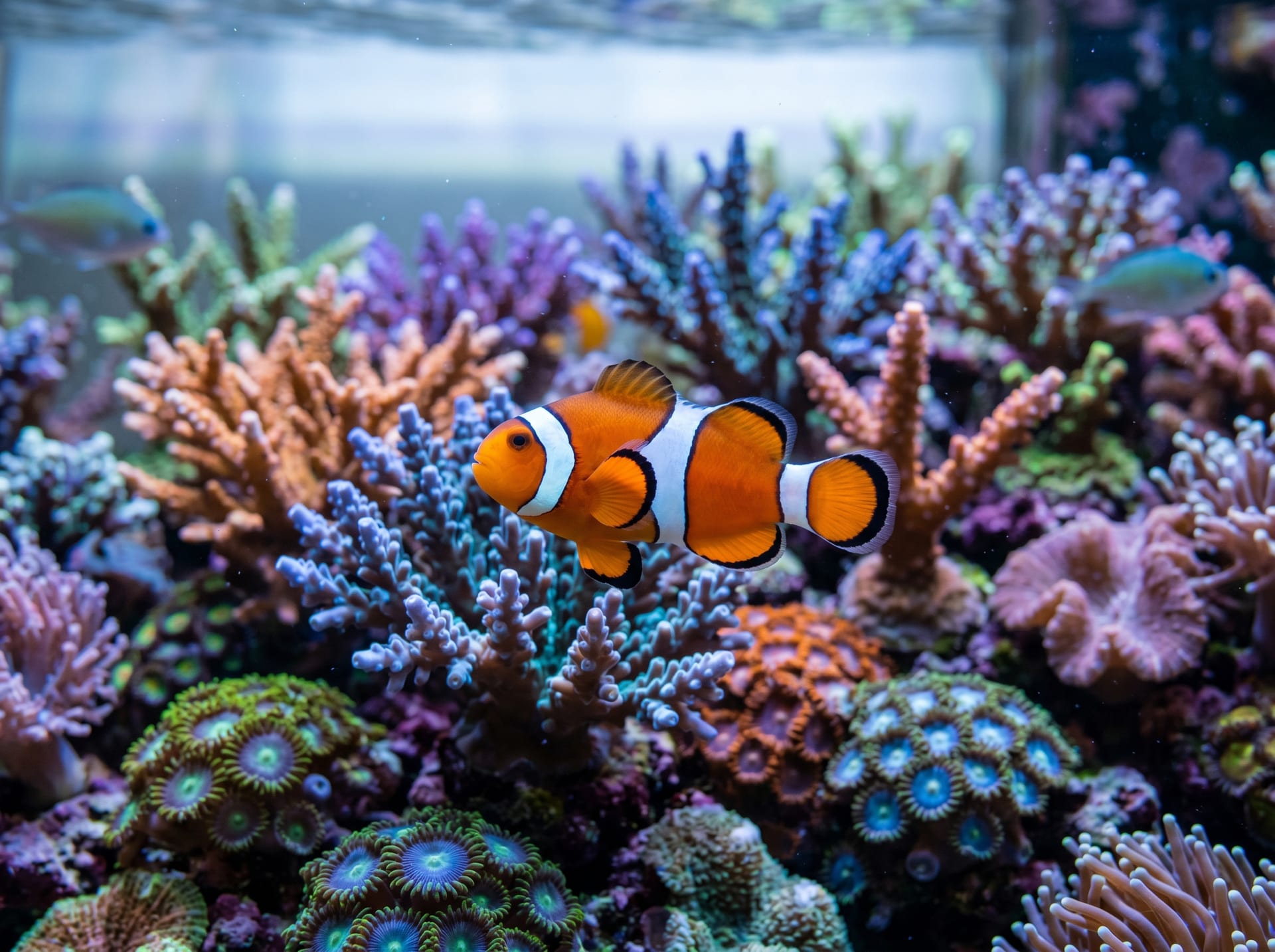
Ocellaris Clownfish: A classic pairing with non-overlapping territories
Gobies (such as Firefish): Naturally occupy different areas since they swim near the bottom
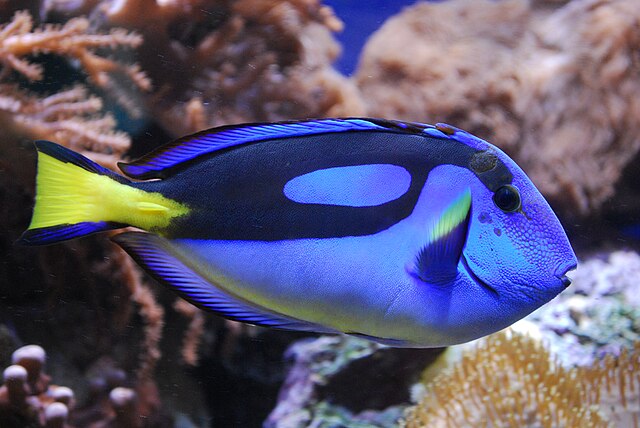
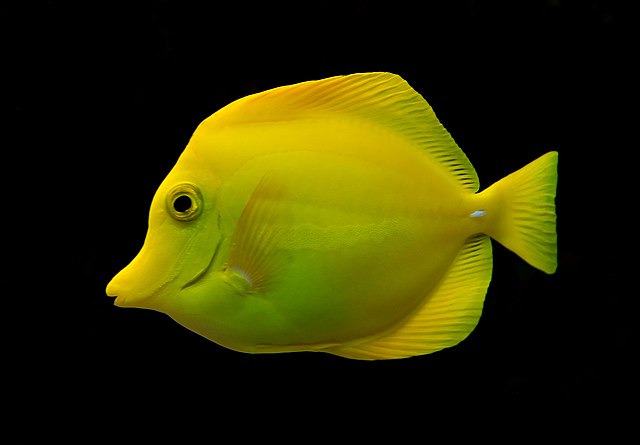
Tangs (such as Yellow Tang): Easy cohabitation due to different water column preferences
Angelfish (such as Lemonpeel Angelfish): Compatible when peaceful species are selected
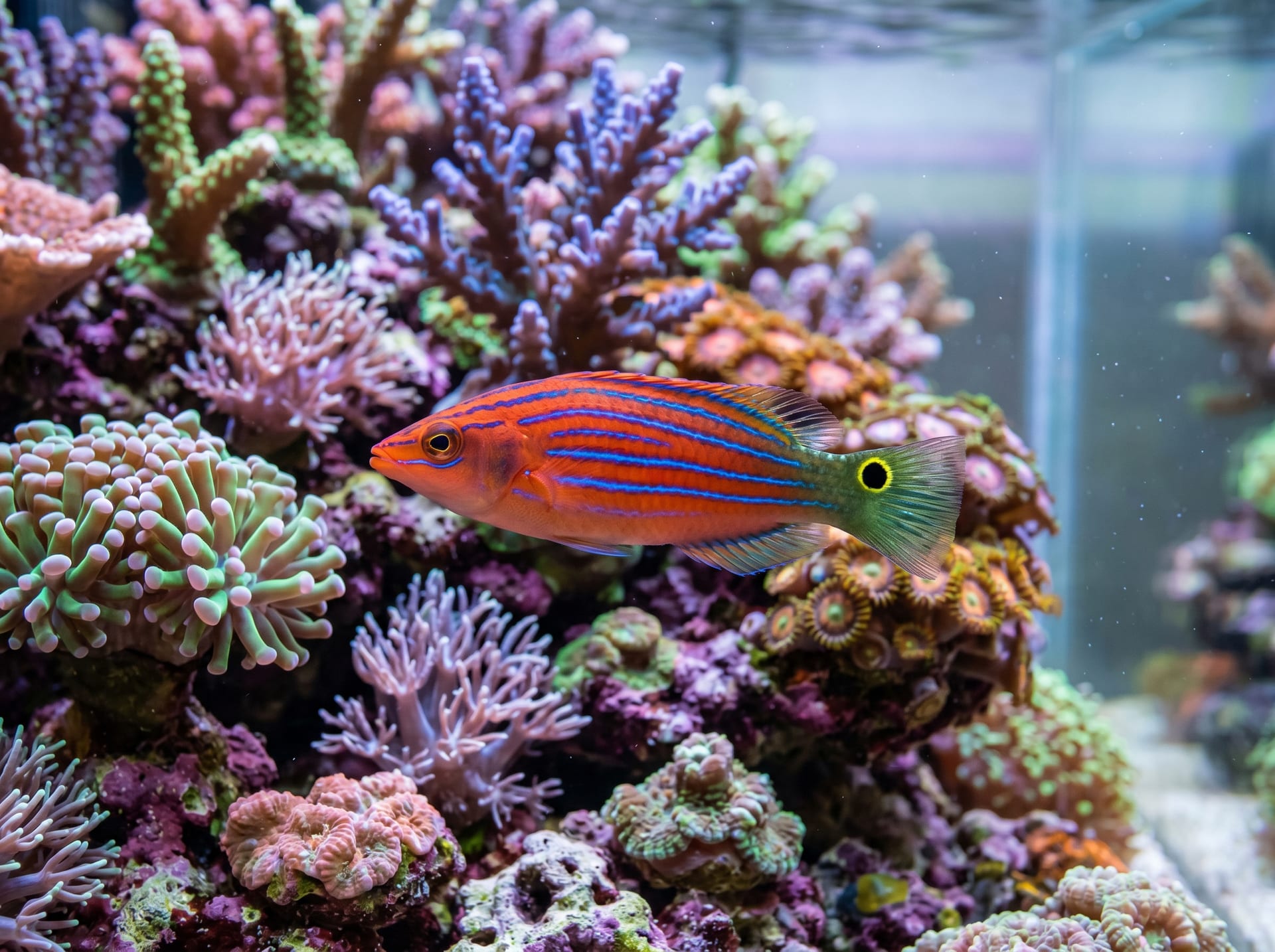
Wrasses (such as Six-line Wrasse): Generally compatible without issues
Fish to Avoid
Aggressive Damselfish (including male Blue-Green Chromis with each other): Territorial conflicts can occur between males (mitigate by keeping larger groups)
Lionfish, Groupers, and Other Large Predatory Fish: Risk of predation
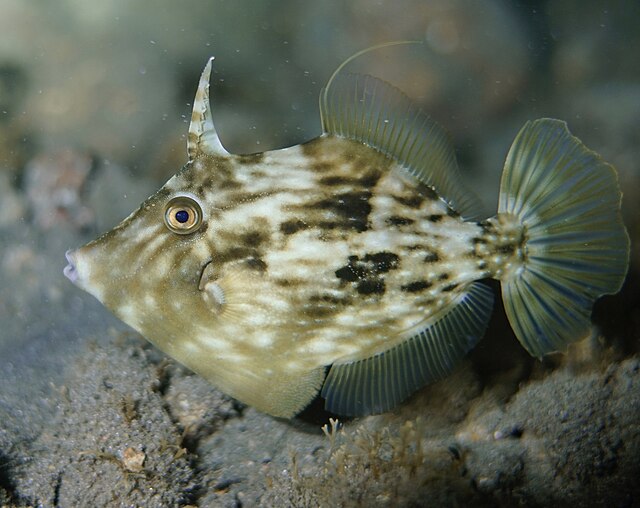
Delicate Fish (such as Filefish): Blue-Green Chromis may chase them due to their energetic nature
Watch Out for Ich (White Spot Disease)
Although Blue-Green Chromis are hardy, they can still contract ich (Cryptocaryon irritans). The disease is most likely to appear shortly after introduction or during water quality deterioration.
Prevention and Treatment
Quarantine: Observe new fish in a separate tank for 2–4 weeks
UV Sterilizer: Effective at killing ich tomites (free-swimming stage)
Water Quality Management: Maintaining pristine conditions is the best prevention
If infection occurs, use freshwater dips or copper treatment (in coral-free tanks only)
Frequently Asked Questions
Q. Can Blue-Green Chromis be kept in a reef tank?
Yes, they are reef-safe as they don't eat corals. While they may occasionally peck at corals with their mouths, they rarely consume them.
Q. What's the recommended number to start with?
A school of 5–8 fish produces beautiful schooling behavior and distributes stress evenly among individuals, creating a more stable setup. Starting with just 1–2 fish won't develop proper schooling behavior, so 5 or more is recommended.
Q. Can they be bred in captivity?
While breeding has occurred in aquariums, raising fry is extremely difficult, making it impractical for the average aquarist.
Conclusion
Blue-Green Chromis are an excellent choice as your first species when beginning a saltwater aquarium journey, thanks to their hardiness, stunning schooling behavior, and peaceful temperament. Keeping them in a group brings vibrant movement and beautiful blue-green coloration to your tank. They pair well with popular saltwater fish like Ocellaris Clownfish and Yellow Tangs, and thrive in reef tanks. Take your first step into saltwater aquarium keeping with Blue-Green Chromis.