Techniques for enhancing coral coloration through lighting, nutrition, and water chemistry, including zooxanthellae control and amino acid supplementation.
Key Takeaways
Techniques for enhancing coral coloration through lighting, nutrition, and water chemistry, including zooxanthellae control and amino acid supplementation.
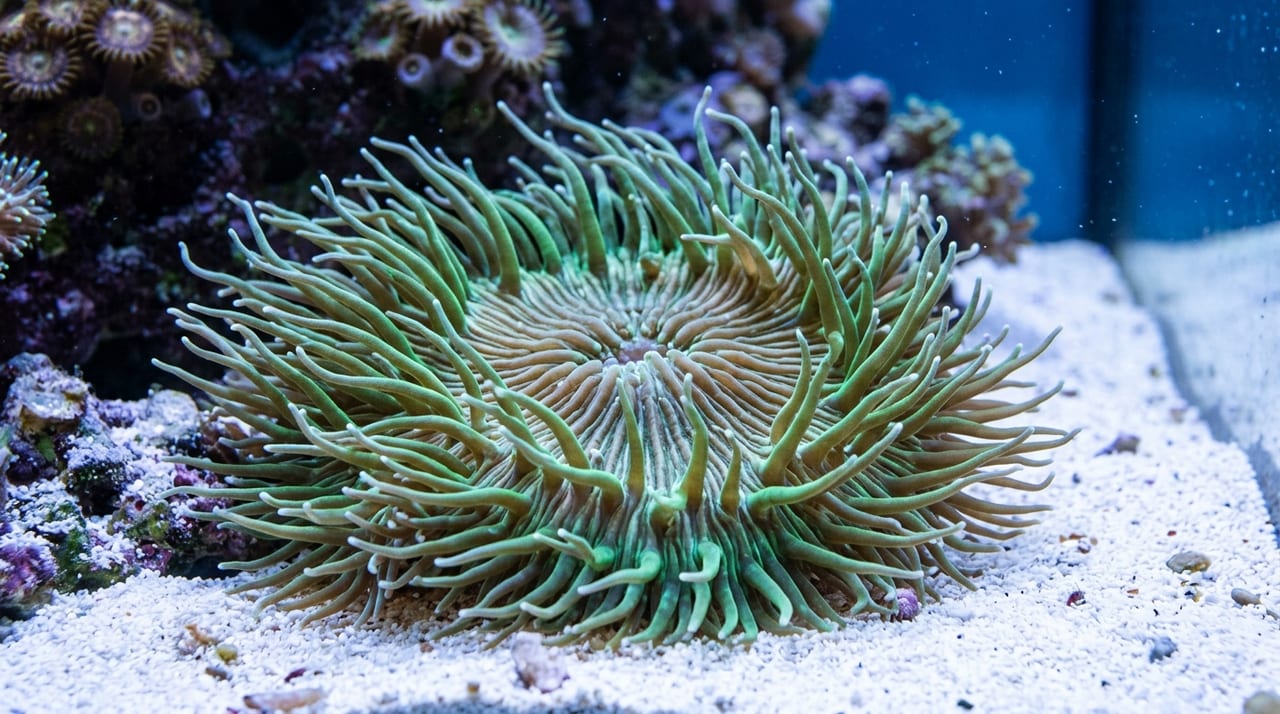
The vibrant colors of coral fascinate many aquarists. Many people want to recreate the beautiful coloration they see in shop and breeder tanks in their own aquariums, and further enhance the colors. Enhancing coral color requires comprehensively controlling three key elements: lighting, nutrients, and water quality management.
Coral coloration consists mainly of two elements.
The first is the pigment of zooxanthellae. Zooxanthellae living symbiotically within coral tissue possess photosynthetic pigments such as chlorophyll and peridinin, which produce brown and olive-colored tones. If there are too many zooxanthellae, the entire coral appears dull brown, while too few causes bleaching.
The second is fluorescent proteins produced by the coral itself. Notable examples include GFP (green fluorescent protein), RFP (red fluorescent protein), and CFP (cyan fluorescent protein), which produce coral's distinctive vibrant colors such as green, red, pink, purple, and blue. Fluorescent proteins are believed to serve as a sunscreen, protecting zooxanthellae from ultraviolet and blue light.
The essence of color enhancement is to appropriately control the density of zooxanthellae while maximizing the production of fluorescent proteins.
Lighting is the most influential factor in coral color enhancement.
Light Intensity (PAR value): SPS corals prefer PAR values of 200-400 μmol/m²/s. If PAR is too low, zooxanthellae proliferate and the coral becomes brown; if too high, bleaching risk increases. For LPS, approximately 50-150 μmol is appropriate. Use a PAR meter to measure actual light intensity and determine the optimal light level for each coral's position.
Spectrum (Wavelength) Adjustment: Coral fluorescent proteins produce color in response to light of specific wavelengths. Blue light (420-480 nm) is most effective for exciting fluorescent proteins, and wavelengths close to purple (420-440 nm) particularly strongly bring out coral fluorescence. UV (ultraviolet) wavelengths of 380-420 nm also promote fluorescent protein production.
Many LED lights allow adjustment of the ratio between white and blue light. To prioritize color enhancement, set the proportion of blue light higher. However, blue light alone makes it difficult for human eyes to distinguish coral colors, so a balance of approximately 20-30% white light and 70-80% blue light during the day provides the best combination of color enhancement and visibility.
Lighting Duration: 8-10 hours of illumination per day is standard. Rapidly increasing light intensity stresses corals, so when changing to new LEDs, perform acclimation (light adaptation) by gradually increasing output over 2-3 weeks.
Appropriate nutrient management also greatly impacts coral coloration.
Maintaining a Low-Nutrient Environment: Management of phosphate (PO4) and nitrate (NO3) is key to color enhancement. The ideal values for SPS corals are phosphate 0.01-0.03 ppm and nitrate 1-5 ppm. If these nutrients are too high, zooxanthellae proliferate excessively and corals become dull brown. However, if nutrients drop near zero, zooxanthellae become insufficient and bleaching occurs, so complete removal should be avoided.
The balance between phosphate and nitrate is also important. Based on the Redfield ratio, maintaining a NO3:PO4 ratio of approximately 100:1 (16:1 in molar ratio) is considered beneficial. If this balance is disrupted, one element becomes excessive, leading to color dullness and cyanobacteria outbreaks.
Amino Acid Supplementation: Adding amino acids, which are the building blocks of coral fluorescent proteins, can promote color enhancement. Use commercially available coral amino acid supplements (Coral Amino, Reef Energy Plus, AcroPower, etc.). Adding the specified amount 2-3 times per week is typical, but excessive supplementation can cause algae growth, so start with small amounts.
Trace Element Supplementation: Trace elements such as iodine, potassium, iron, and manganese also influence coral coloration. Iodine in particular is said to be involved in fluorescent protein production, and potassium is believed to affect red and pink coloration. Regularly use ICP analysis (seawater composition analysis services) to understand trace element balance.
Stable water quality parameters form the foundation for color enhancement.
To maintain these values, automatic dosing pumps or calcium reactors are effective.
The core of color enhancement lies in managing zooxanthellae density. When zooxanthellae become overly dense, corals turn brown and vibrant fluorescent colors are hidden.
To moderately reduce zooxanthellae, the following methods are available: gradually increasing light intensity suppresses zooxanthellae overgrowth. Maintaining low nutrient levels prevents excessive zooxanthellae proliferation. Using activated carbon increases water clarity and light transmission, helping maintain appropriate zooxanthellae density.
The important thing is to avoid sudden changes. Rapidly increasing lighting or suddenly lowering nutrient levels risks bleaching. All adjustments should be made slowly over 2-4 week periods.
Color enhancement techniques vary depending on coral species.
Acropora: Strong blue light and low-nutrient environments are fundamental. Green species color relatively easily, while red and purple species require high light intensity and stable trace element balance.
Zoanthids: Moderate light intensity is sufficient for vibrant coloration. Overly strong light can cause color washing out, so be careful. They respond well to amino acid supplementation, with larger polyp extensions and more vibrant colors.
Euphyllia: Manage under low to medium light intensity, and regular feeding of granule foods such as reef-iodine will increase volume and make colors more striking.
Coral color enhancement is a field requiring trial and error, as optimal solutions differ by individual coral and tank environment. At Breedoku, you can directly ask breeders with years of coral cultivation experience about color enhancement techniques. Information based on experience, such as what lighting settings are used for cultivation and what supplements are used, is extremely valuable. If you aim for brilliantly colored corals, definitely take advantage of breeder expertise.
Find Coral listings related to this article on BreederDirect. Buy directly from verified breeders.
Aquarium Volume Calculator
Calculate water volume, weight, and heater wattage from tank dimensions
Water Quality Checker
Find compatible fish, shrimp, plants & corals based on pH, temperature & hardness
Lighting Calculator
Calculate optimal LED lighting based on tank size and plants/corals
Nitrogen Cycle Guide
Auto-calculate bacteria colonization timeline for new tank cycling