Cherry Barb Complete Care Guide | Spawning Colors, Tank Mates, Breeding, and Aquatic Plants
Complete care guide for Cherry Barb. From how to bring out the male's vibrant spawning colors, tank mate compatibility, breeding procedures, to aquatic plant combinations—a comprehensive guide useful for beginners to experienced aquarists.
Key Takeaways
Complete care guide for Cherry Barb. From how to bring out the male's vibrant spawning colors, tank mate compatibility, breeding procedures, to aquatic plant combinations—a comprehensive guide useful for beginners to experienced aquarists.
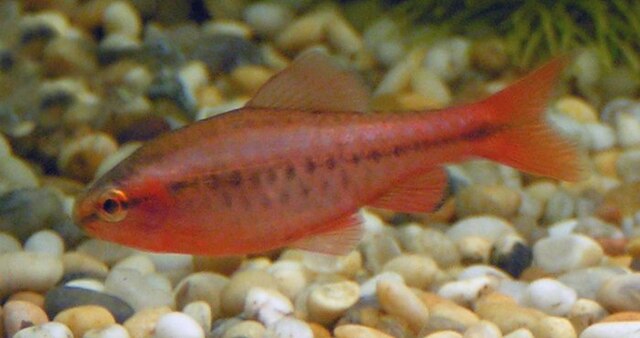
Cherry Barb (Puntius titteya, also in the Odinus group) is a small cyprinid tropical fish native to Sri Lanka. The greatest appeal is the deep crimson spawning colors displayed by males during breeding season, and they are also excellent with planted tanks. They are relatively hardy, easy to care for even for beginners, and enjoy steady popularity both domestically and internationally.
✍️
BreederDirect Editorial
The BreederDirect editorial team specializes in care information for animals, covering veterinary care and breeding to deliver beginner-friendly guides.
Find Tropical Fish on BreederDirect
Buy directly from verified breeders
Browse Related Listings
Find Tropical Fish listings related to this article on BreederDirect. Buy directly from verified breeders.
Related Tools
Related Articles
Browse by Category
🪸Coral
🐠Marine Fish
🐟Tropical Fish
🐡Goldfish
🐟Medaka
🦎Reptiles
Share
Basic Information on Cherry Barbs
Item
Details
Scientific Name
Puntius titteya
Origin
Sri Lanka (Kelani River system)
Size
Approximately 4–5 cm
Lifespan
4–6 years
Difficulty
Beginner to Intermediate
Ideal Temperature
23–27°C
Ideal pH
6.0–7.5
Setting Up the Aquarium Environment
Tank Size
A 45–60 cm tank is suitable. Since they are active swimmers, tanks that are too small can cause stress. When kept in groups of 5–10, natural behavior is observed.
Filtration
Canister filters or hang-on filters are recommended. Set water flow to a gentle pace and avoid strong currents. Since Cherry Barbs are sensitive to water quality changes, a stable filtration environment is essential.
Water Parameters
Temperature: 24–26°C is optimal
pH: 6.5–7.0 (slightly acidic to neutral)
Hardness: Soft to moderately hard water (GH 4–10)
Water Changes: 1/3 weekly
Substrate and Layout
Substrate: Dark substrate (black or brown tones) accentuates spawning colors
Driftwood and Rocks: Place for hiding spots
Aquatic Plants: Abundant foreground to midground plants stabilize coloration
Bringing Out Spawning Colors
The greatest appeal of Cherry Barbs is the male's deep crimson spawning colors. The following points are important to bring out this color to its fullest:
Conditions for Optimal Coloration
Keep Multiple Females: Males display stronger coloration when aware of females. The ideal ratio is 1–2 males to 2–3 females.
Use Dark Substrate: Red color stands out in environments with minimal reflected light.
Calm Environment: Coloration stabilizes with low stress.
Protein-Rich Diet: Feed bloodworms or brine shrimp containing red carotenoids 1–2 times weekly.
Proper Water Parameters: Slightly acidic soft water resembles their native habitat and stabilizes coloration.
Feeding
Cherry Barbs are omnivorous and have hearty appetites.
Main Diet: Flake food and sinking micro pellets
Supplements: Frozen bloodworms, brine shrimp, and dried daphnia
Feeding Frequency: 1–2 times daily, amount consumed in 2–3 minutes
They occasionally nibble algae on plants and may eat soft plant shoots.
Tank Mate Compatibility
Cherry Barbs have a gentle temperament and can be kept with many species.
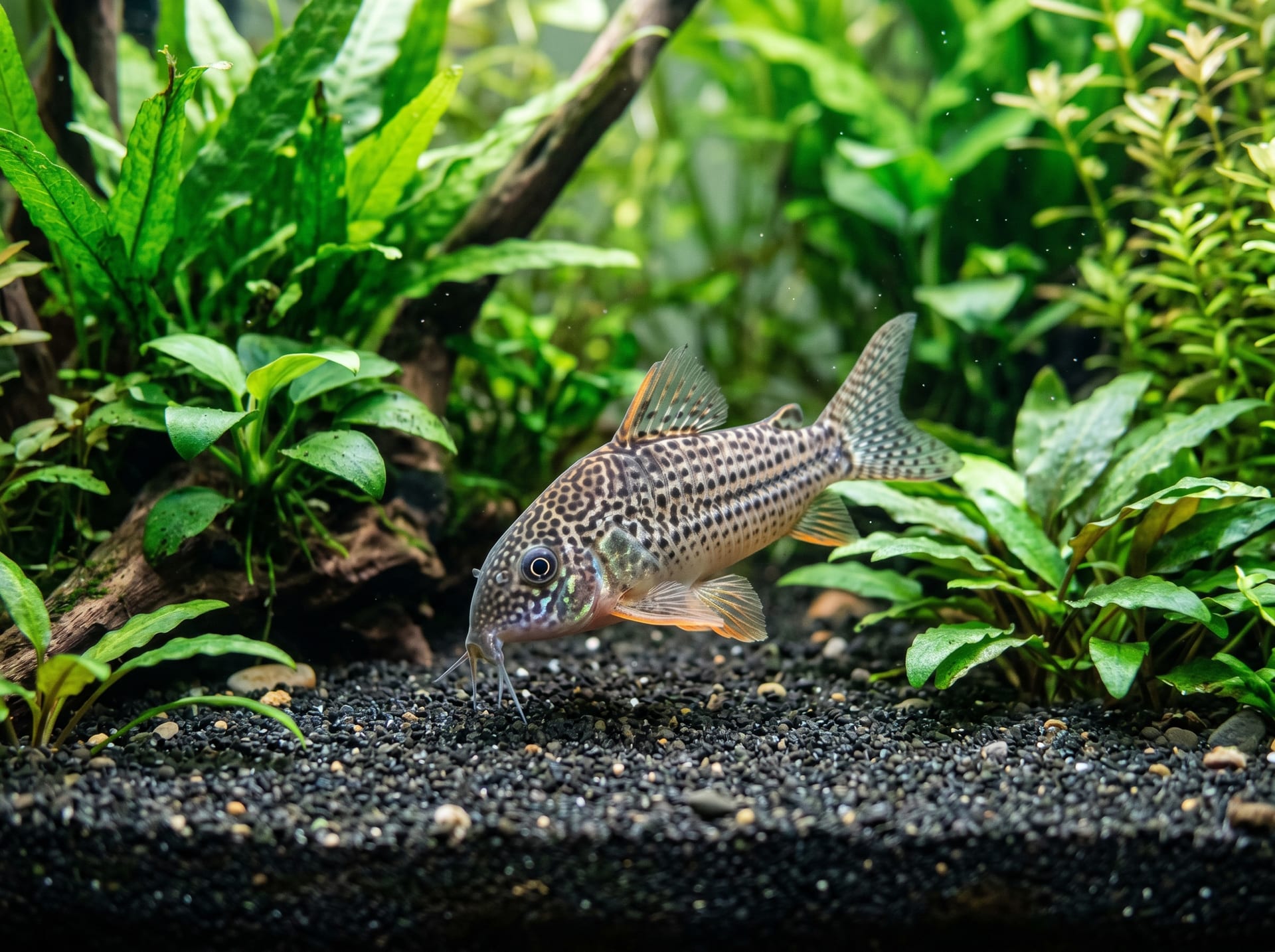
Corydoras (occupy the bottom, minimal competition)
Otocinclus
Rasboras
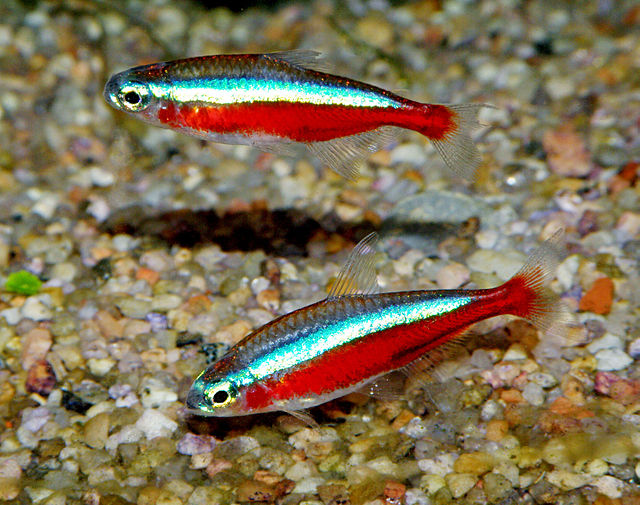
Small Tetras
Incompatible or Risky Species
Large or aggressive fish (Gar, etc.)
Fin-nippers (Gourami species have variable temperaments)
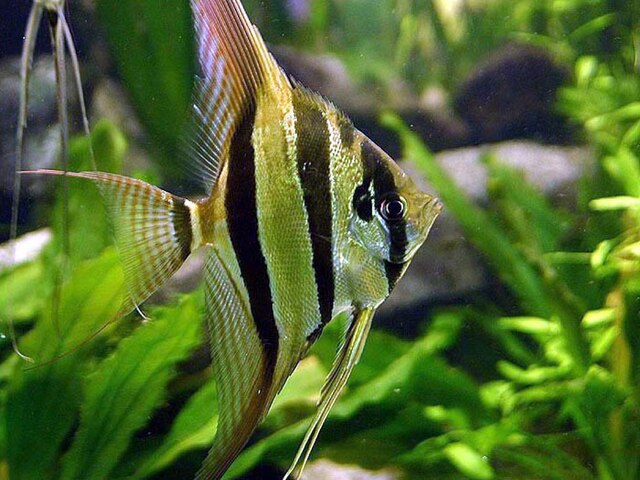
Angelfish (risk of predation due to size difference)
Breeding
Cherry Barbs can breed naturally in aquariums, but a dedicated breeding tank is recommended for intentional breeding.
Signs of Breeding
Male's spawning colors intensify
Male actively chases female
Female's belly becomes distended (pre-spawning)
Breeding Tank Setup
Tank: 20–30 cm small tank
Plants: Abundant Willow Moss and Water Sprite
Temperature: 26–27°C (slightly elevated)
pH: Around 6.5
Spawning to Fry Rearing
Spawning: Male chases female, spawning occurs among plants. Eggs are adhesive and attach to plants or substrate (100–200 eggs).
Parent Removal: Return parents to their original tank immediately after spawning (they will eat eggs and fry).
Hatching: Eggs hatch in 24–36 hours at 26°C.
Fry Feeding: From day 3–4 after hatching, feed infusoria, then brine shrimp nauplii.
Compatibility with Aquatic Plants
Cherry Barbs are generally compatible with plants, though they may nibble soft-leaved species.
Compatible Plants
Willow Moss (ideal for hiding and spawning substrate)
Anubias (hard leaves, no damage)
Microsorum
Bucephalandra
Plants to Use with Caution
Water Sprite (may be nibbled)
Soft foreground plants (such as Hair Grass; not a problem if growth is vigorous)
Disease and Health Management
Cherry Barbs are relatively hardy, but watch for these diseases:
Ich (White Spot): Develops with temperature drops or stress. Treat by raising temperature to 28°C.
Aeromonas Infection: Red bleeding or body ulcers. Early detection and medication baths are crucial.
Oodinium (Velvet): Fine gold dust appearance on body. Treat with medication bath.
Summary
Cherry Barbs are tropical fish that excel in three aspects: deep crimson spawning colors, gentle temperament, and relatively easy breeding. By establishing dark substrate and slightly acidic soft water conditions, you can bring out the male's beautiful coloration to its fullest. They are also well-suited to planted tanks and serve as striking accents in community tanks. When obtained directly from breeders, you can ensure healthy specimens and have an ideal fish for your first breeding project.