Chameleon Care Guide | Environment Setup, Feeding, and Basic Health Management
Explaining chameleon care methods. Introduces mesh cage setup, drip systems, and how to identify stress signs.
Key Takeaways
Explaining chameleon care methods. Introduces mesh cage setup, drip systems, and how to identify stress signs.
What Are Chameleons? Essential Knowledge Before Getting Started
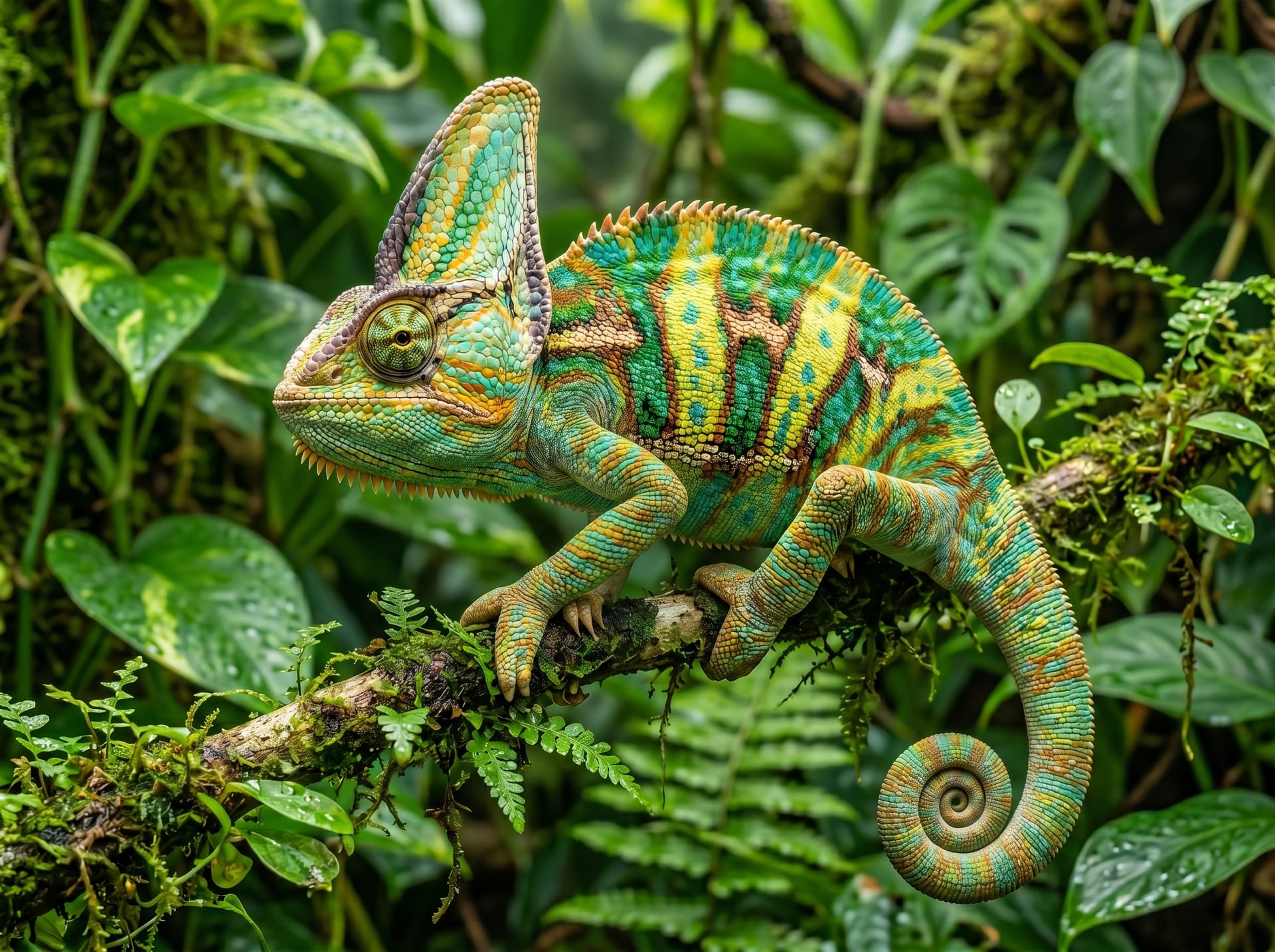
Chameleons are arboreal reptiles characterized by their ability to change body color, independently moving eyes, and long prehensile tongues. Most species originate from Africa and South Asia, with only a small fraction available in the pet trade. While their striking appearance has made them increasingly popular, caring for them is significantly more difficult than other reptiles. Without proper environmental setup and knowledge, it's not uncommon for chameleons to have short lifespans.
✍️
BreederDirect Editorial
The BreederDirect editorial team specializes in care information for animals, covering veterinary care and breeding to deliver beginner-friendly guides.
Find Reptiles on BreederDirect
Buy directly from verified breeders
Browse Related Listings
Find Reptiles listings related to this article on BreederDirect. Buy directly from verified breeders.
Chameleons change color for reasons beyond camouflage alone. Their colors shift in response to temperature, emotions, communication, and even health status. Bright, vivid colors indicate a healthy, relaxed chameleon, while dark, dull coloration signals stress or illness. The ability to read these color changes is the first step in successful chameleon keeping.
---
Popular Chameleon Species and How to Choose
Veiled Chameleon (Chamaeleo calyptratus)
This is the most recommended species for beginners. They are characterized by a distinctive "helmet" (or "casque") on their head, with adult males reaching 40–60cm and females 25–35cm in length. Compared to other chameleons, they are more tolerant of environmental changes and can adapt to minor fluctuations in temperature and humidity. However, while they are "easier to care for," this is only in comparison to other reptiles—proper equipment setup is still essential.
Panther Chameleon (Furcifer pardalis)
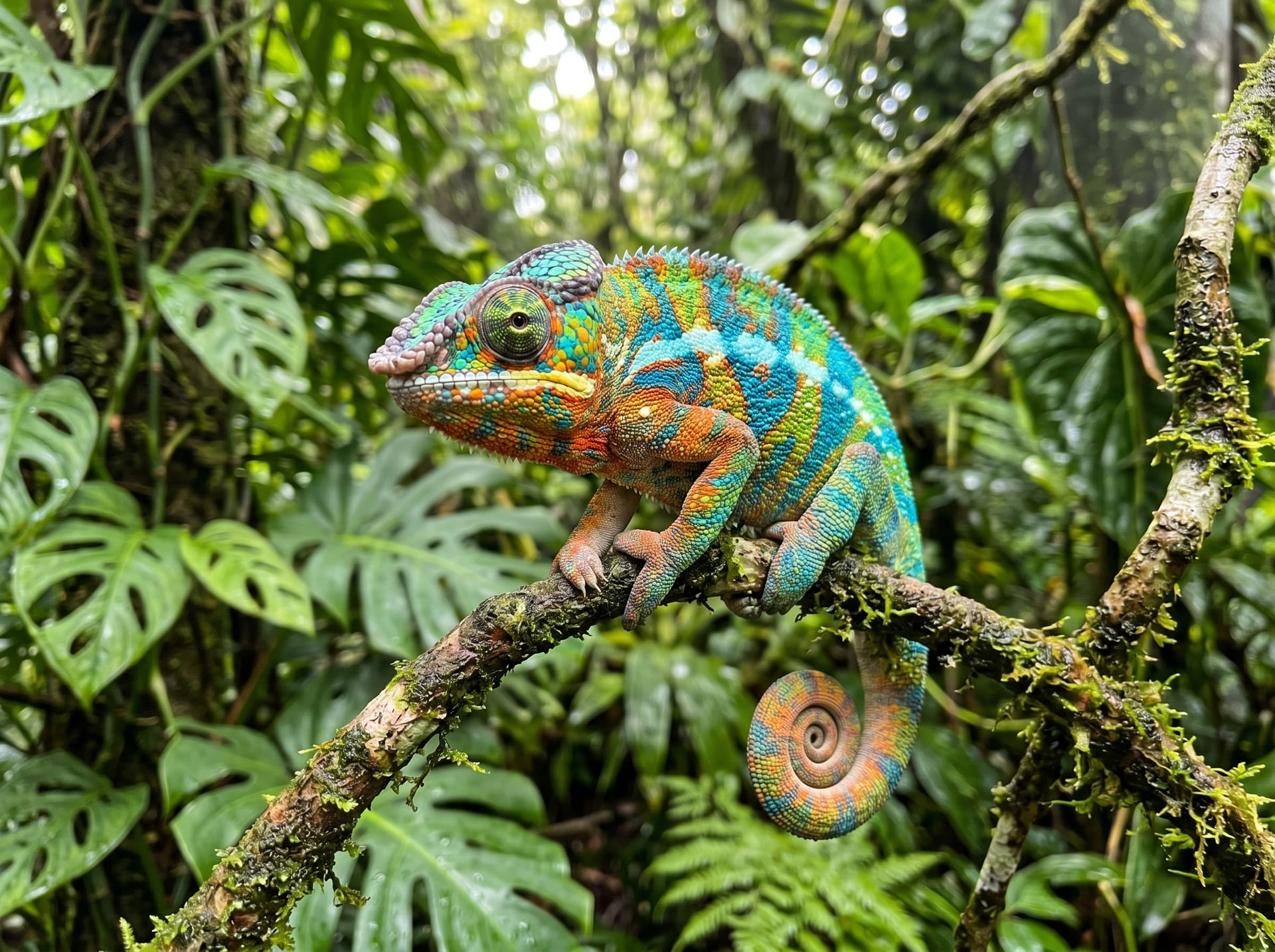
Native to Madagascar, males are renowned for their vibrant colors, which vary by geographic origin. Color variations are abundant depending on locale: blue from Ambilobe, green from Nosy Be, orange from Sambava, and so on. While adults reach similar sizes to veiled chameleons, climate management is more delicate, making them better suited for experienced keepers.
Pygmy Chameleons and Other Small Species
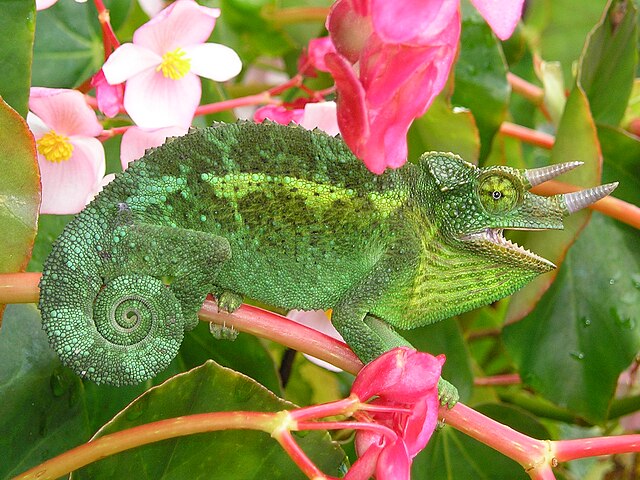
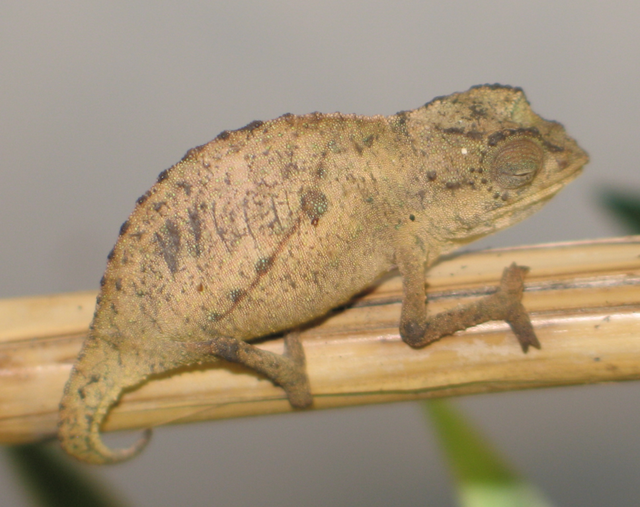
Pygmy chameleons, exemplified by the genus Rieppeleon, have become increasingly available in recent years. They are tiny (only a few centimeters long) and can be managed in dedicated enclosures, making them easier to house in limited spaces, but they require delicate humidity and temperature management. Detailed care requirements are covered in Pygmy Chameleon (Rieppeleon genus) Care Guide. Other species like Jackson's Chameleon (males have three horns) and Flap-necked Chameleons are also available, but information is limited and care difficulty is higher. We strongly recommend starting with either a Veiled or Panther Chameleon.
---
Setting Up the Enclosure and Environment
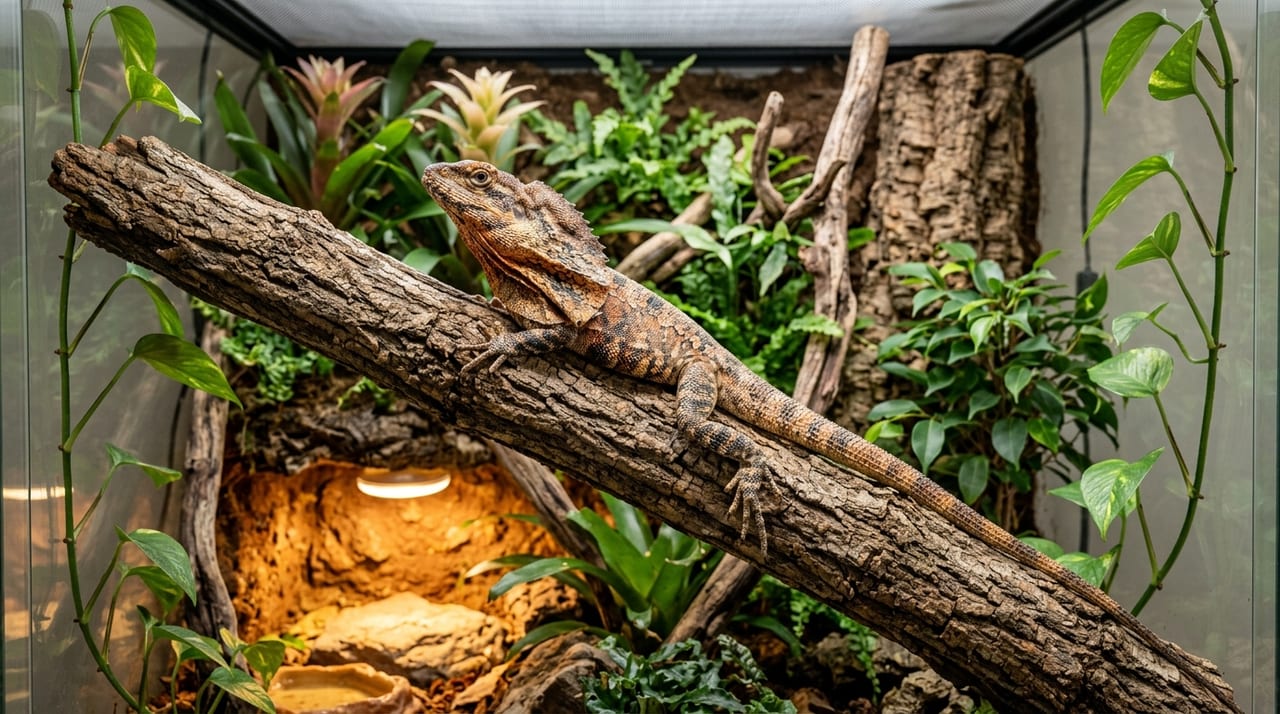
Beginners often struggle first with enclosure setup. Glass enclosures with sealed designs have poor ventilation and trap moisture, leading to respiratory diseases. You must use a mesh (wire mesh) enclosure.
Enclosure Size and Structure
Recommended size: 60×45×90cm or larger (tall, vertical enclosure is ideal)
Height is critical since chameleons are arboreal
Install branches and driftwood of varying thicknesses at angles
Adding live plants such as pothos or schefflera provides hiding spots and helps reduce stress
Lighting and Temperature Management
Chameleons require both "basking" (sunbathing) and UVB radiation exposure.
Spot lamp (for basking): Position at the top of the enclosure. The basking spot temperature should be around 30–35°C
UVB light: Emits UVB radiation to aid in vitamin D3 synthesis, which is essential for calcium absorption. 10.0 UVB is recommended
Temperature at enclosure base: 22–26°C
Nighttime temperature: 18–22°C. Temperature drops at night mimic natural conditions and help regulate metabolism
Maintain a 12-hour on/12-hour off lighting cycle and use a timer.
---
Water Supplementation (Key to Successful Keeping)
In chameleon keeping, improper hydration is a leading cause of death. Chameleons cannot recognize standing water (water bowls) and only drink water droplets on leaves and branches by licking them with their tongues.
Drip System
The easiest method is a "drip system."
Make small holes with a needle in the bottom of a paper cup or commercial dripper and secure it at the top of the enclosure
Adjust the angle so water droplets fall onto leaves and branches
Humidity management: Ideal levels are 50–60% during the day and 70–80% at night
If misting manually, spray 2–3 times daily until the entire enclosure is moist
Be sure the mist covers plant leaves well, as chameleons lick condensed droplets
Signs of dehydration include sunken eyes and wrinkled skin. If these symptoms appear, immediate action is needed.
---
Feeding and Nutrition Management
Chameleons are insectivores. They have an instinct to hunt and capture live prey, so many will not eat frozen or dried insects.
Main Types of Feeder Insects
Crickets: Readily available with good nutritional balance. Include two-spotted crickets and European house crickets
Dubia roaches: Good calcium ratio and move slowly, making them easy to manage
Silkworms (silkmoth larvae): Rich in moisture and protein with high palatability
Hornworms: High in fat, so offer sparingly as treats
Feeding Frequency and Dusting
Juveniles (up to 6 months): Daily, as much as they will eat
Adults: Once every 2–3 days
Dust feeder insects with calcium powder at each feeding ("dusting")
Add a vitamin D3 supplement 1–2 times per week. Be careful of overdose, as excess is toxic
"Cup feeding," where insects are placed in a cup fixed inside the enclosure, is recommended as it makes it easy to track food consumption.
---
Stress and Health Management Tips
Chameleons are extremely stress-sensitive animals. Avoid unnecessary handling and never house multiple chameleons in the same enclosure (their strong territorial instincts mean even seeing each other causes stress).
Signs of Illness
Sign
Possible Cause
Body color dark or dull for extended periods
Stress or illness
Eyes closed during the day
Serious illness (veterinary care needed)
Mouth held open motionless
Suspected respiratory infection or mouth rot
Loss of appetite lasting 3+ days
Digestive issues, parasites, or environmental stress
Sunken eyes
Dehydration
Veterinarians experienced with chameleons are limited. Before acquiring a chameleon, it's important to locate a nearby clinic experienced with exotic animals.
---
br-choku's Safety and Reliability System
When acquiring a difficult-to-care-for animal like a chameleon, purchasing from a trustworthy source is the first step in proper health management. br-choku is a platform where you can buy directly from breeders who manage the entire breeding and rearing process.
Since there's no middleman, you can directly confirm with the breeder the individual's history, feeding regimen, and rearing environment. Experienced breeders are happy to answer beginner questions, such as "I'm raising a veiled chameleon for the first time—what should I feed it?"
br-choku's strength is the ability to maintain ongoing communication even after purchase. When questions arise during care, the reassurance of being able to consult with a breeder who knows your individual animal well is invaluable for first-time chameleon keepers.