Complete Guide to Cat Hairball Care | Hairball Vomiting, Constipation, and Hairball Prevention Methods
This guide explains the risks of hairballs in cats—including vomiting, constipation, and intestinal blockage—and introduces prevention and treatment methods such as grooming frequency, hairball control food, malt extract, and lactulose. Includes practical management techniques for long-haired breed breeders.
Key Takeaways
This guide explains the risks of hairballs in cats—including vomiting, constipation, and intestinal blockage—and introduces prevention and treatment methods such as grooming frequency, hairball control food, malt extract, and lactulose. Includes practical management techniques for long-haired breed breeders.
What Are Cat Hairballs?
Cats have a habit of grooming with the fine protrusions (filiform papillae) on their tongue, and they ingest large amounts of hair in this process. Most ingested hair is excreted through the intestines, but some becomes tangled in the stomach and forms a cylindrical mass (hairball).
✍️
BreederDirect Editorial
The BreederDirect editorial team specializes in care information for animals, covering veterinary care and breeding to deliver beginner-friendly guides.
Find Cats on BreederDirect
Buy directly from verified breeders
Browse Related Listings
Find Cats listings related to this article on BreederDirect. Buy directly from verified breeders.
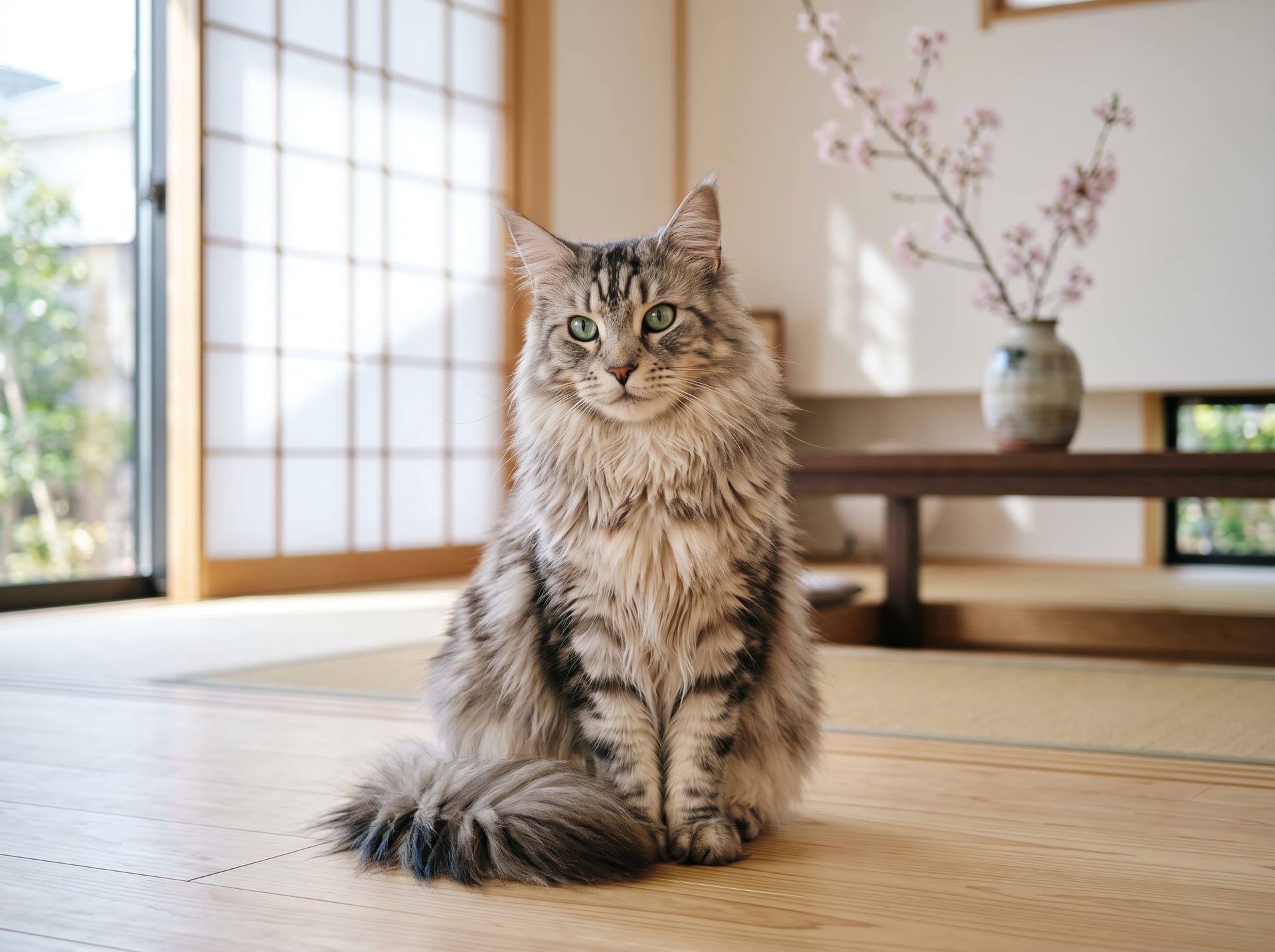
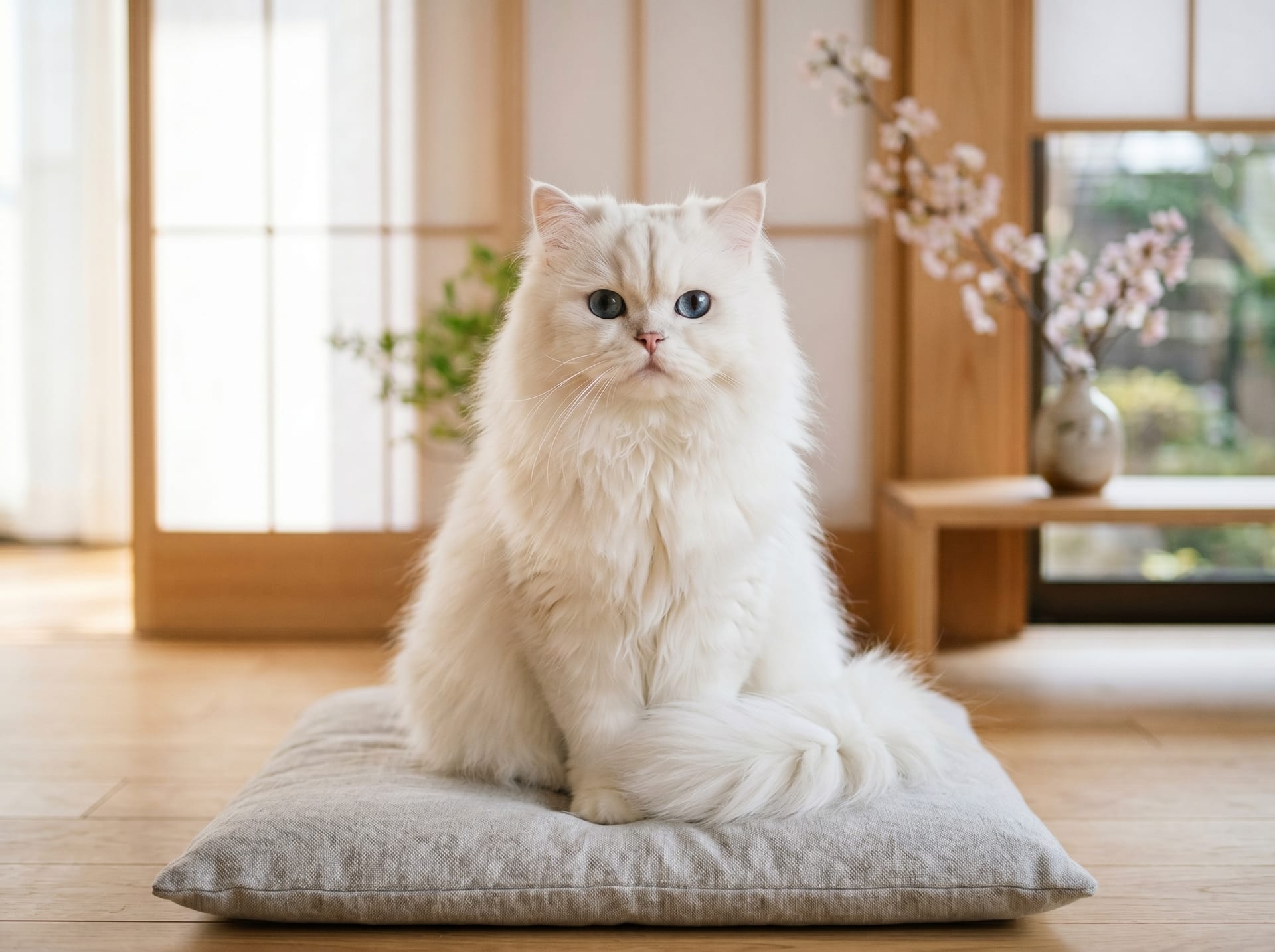
The amount of hair an adult cat ingests annually varies by breed, but long-haired breeds may process hair equivalent to 10–20% of their body weight annually. Hairballs are usually naturally expelled through vomiting once or twice per week, but various problems arise when they cannot be expelled.
Symptoms Caused by Hairballs
Vomiting (Hairball Regurgitation)
This is the most common symptom. To expel hairballs accumulated in the stomach, cats use their abdominal muscles to vomit the cylindrical mass of hair. This is often accompanied by stomach acid and undigested food, and many cases that owners perceive as "vomiting" are actually hairball expulsion.
Frequency of once or twice per week is within the normal physiological range, but the following situations warrant attention:
Daily or multiple vomiting episodes per day
Vomiting only clear fluid, foam, or bile-colored liquid (not hairballs)
Retching without being able to expel anything (continuous gagging)
Blood in vomit
Constipation and Difficulty Defecating
When hairballs flow into the intestines, if intestinal peristalsis is reduced, the hair solidifies and causes hairball-related constipation. If you observe signs such as no bowel movement for 3 or more days, straining during defecation, or only small amounts of hard, small feces, suspect the influence of hairballs.
Intestinal Blockage (Hairball Obstruction – Most Severe)
Rarely, intestinal blockage (hairball-induced intestinal obstruction) can occur when a hairball completely obstructs the intestines. In this state, vomiting continues, appetite is completely lost, and the abdomen becomes distended and painful to touch. Emergency surgery may be required, so consult a veterinarian immediately if suspicious symptoms appear.
Hairball Prevention Methods
1. Regular Brushing
The most effective hairball prevention is removing hair before it is ingested through grooming.
Choose the brush type based on the breed's coat texture. For long-haired breeds, the basic combination is a slicker brush plus a comb. The amount of hair the cat ingests is significantly reduced after grooming.
2. Hairball Control Food
Major brands such as Hill's, Royal Canin, and Purina sell foods labeled "Hairball Control" or "Hairball Care." These are designed with high dietary fiber content (cellulose, psyllium, beet pulp, etc.) to promote intestinal peristalsis and allow hair to be smoothly expelled with feces.
For cats with frequent hairballs, using it as the main food can improve the condition. However, excessive dietary fiber may burden digestion, so transition gradually over 1–2 weeks rather than switching abruptly.
3. Hairball Control Supplements and Complementary Foods
Malt Extract (Malt Paste)
Available in tube form, given to cats to lick 2–3 times per week. Natural fiber and sweetness promote hair movement through the intestines. The appeal is its ease of use, as most cats enjoy licking it.
Lactulose and Petrolatum Gel
Petroleum-based lubricating agents (petrolatum, mineral oil) soften hairballs and aid in their expulsion. Give an amount the size of a pinky fingertip 2–3 times per week. Long-term use may inhibit absorption of fat-soluble vitamins, so periodic intermittent use is recommended over continuous long-term use.
Olive Oil and Butter Oil
Mix a small amount (approximately 0.5–1ml) into meals 1–2 times per week to improve intestinal lubrication. Though not medicinal, it's popular with natural-minded owners, but excess calories must be avoided.
4. Increasing Water Intake
Increased water intake activates intestinal peristalsis and promotes smoother hair expulsion.
Set up multiple water stations
For cats that prefer running water, a water fountain (recirculating waterer) is effective
Increase the proportion of wet food (intestinal moisture content increases compared to dry food only)
Hairball Management for Breeders
For breeders managing multiple long-haired breeds, addressing hairball issues is particularly important.
Basic Management Set
Establish daily brushing as routine (both breeding cats and kittens)
Adopt hairball control food as daily diet
For pregnant and nursing cats, give malt extract 3 times per week as a supplement (constipation prevention)
Pay special attention to post-partum cats, as bowel movements tend to slow down during recovery
Kitten Hairball Care Education
Starting brushing as a habit from 8–10 weeks of age makes handling easier once they become adults. Begin with short sessions (30 seconds to 1 minute) and combine with rewards to establish it as a "positive experience."
When to Consult a Veterinarian
Please see a veterinarian promptly if you observe the following signs:
Vomiting occurs 3 or more times per week, persisting or increasing
Retching continues but nothing is expelled for more than 30 minutes
Significant loss of appetite (24–48 hours)
No bowel movement for 3 or more days, or straining strongly during defecation
Abdominal bloating or reluctance when touched
Sudden weight loss
Most hairball problems can be prevented through proper grooming and diet management, but the appropriate approach varies depending on the cat's constitution, diet, and living environment. If you have concerns, consult with a veterinarian to find the best approach for your situation.