How to Care for Altum Angelfish | Care Difficulty and Water Quality Management of the Premier Angelfish Species
Guide to caring for Altum Angelfish, called the pinnacle of tropical fish. Introduces ultra-soft water, weakly acidic water quality management, the necessity of large tanks, and tips for group rearing.
Key Takeaways
Guide to caring for Altum Angelfish, called the pinnacle of tropical fish. Introduces ultra-soft water, weakly acidic water quality management, the necessity of large tanks, and tips for group rearing.
Related Species
What is the Altum Angelfish—The Pinnacle of Tropical Fish
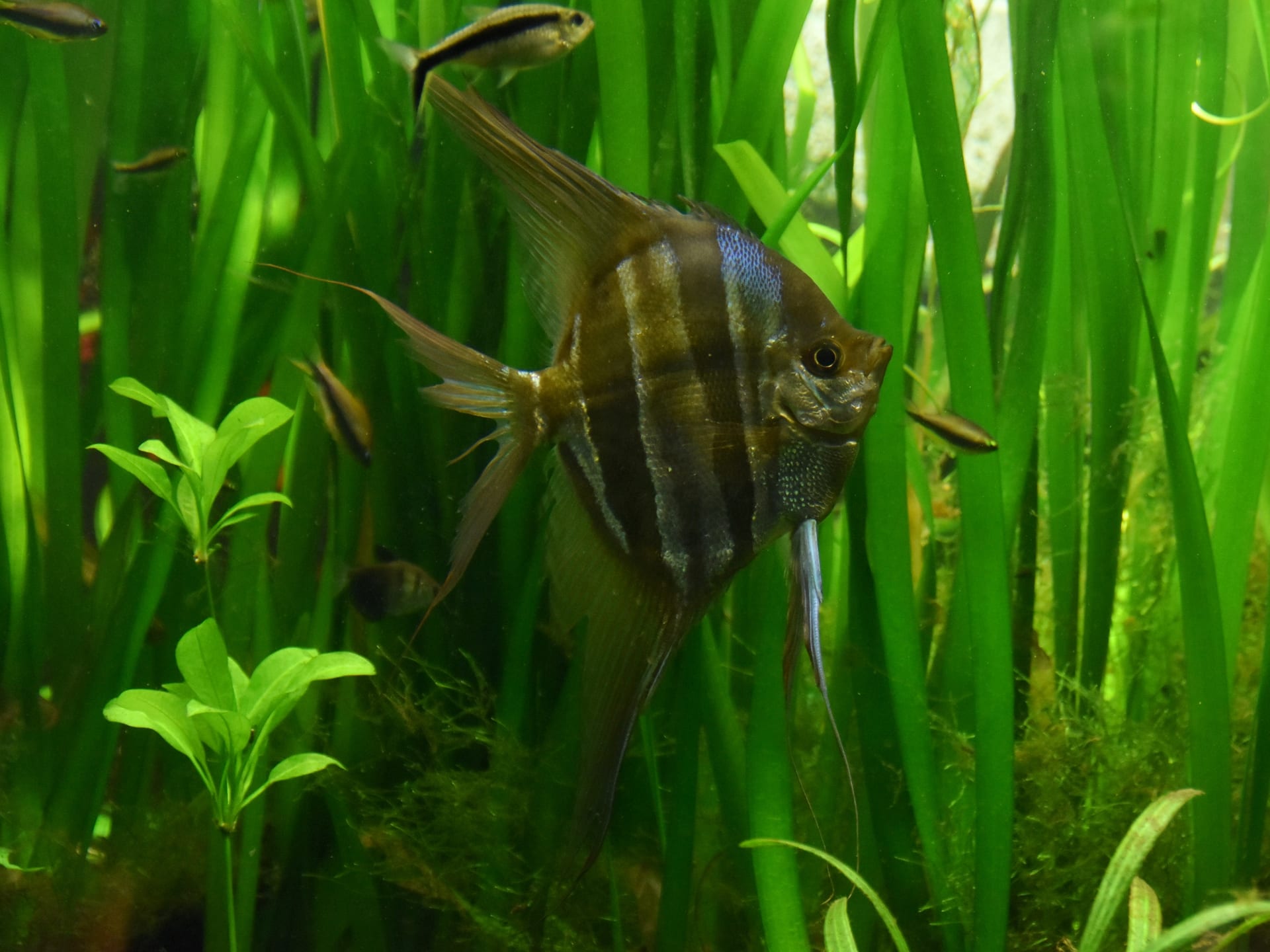
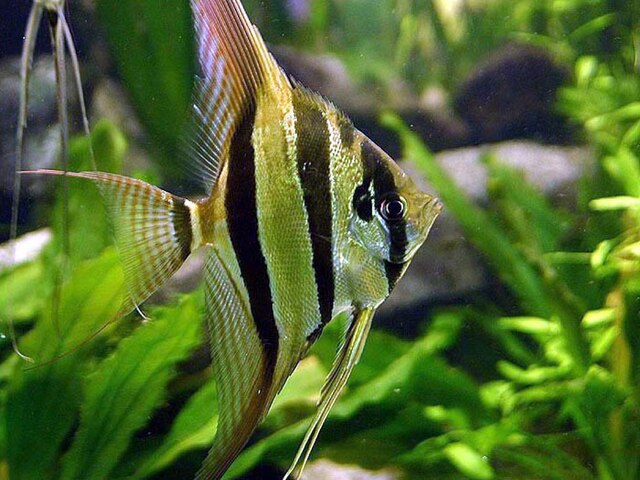
The Altum Angelfish (Pterophyllum altum) is a close relative of the commonly available Angelfish (P. scalare), yet occupies a special position in terms of beauty, presence, and care difficulty.
Adult fish can exceed 50 cm in body height (including fins—the vertical length), and the sight of them swimming in the tank like a single piece of art overwhelms viewers. Native to the upper Orinoco River and Negro River regions of Venezuela and Colombia, they inhabit extremely clear, soft "blackwater" that characterizes their native habitat.
Care Difficulty and Prerequisites
The Altum Angelfish is one of "the most difficult tropical fish to care for." It is not recommended for beginners for the following reasons:
- Sensitivity to water quality: Ultra-soft water with pH below 6.0 and nearly zero hardness is ideal. Long-term care with standard tap water is difficult.
- Susceptibility to ich: Stress or water quality changes cause the disease to develop rapidly, and treatment response is slow.
- Need for large tanks: Considering their body height, tank height is essential (60 cm or greater recommended).
- High cost: Wild specimens can cost tens of thousands of yen per fish.
Yet enthusiasts remain captivated by Altum Angelfish for their overwhelming beauty and the sense of achievement in overcoming these challenges.
Water Quality Management—The Most Critical Factor
Ideal Water Conditions:
- pH: 5.5–6.5 (5.8–6.2 optimal)
- GH: 1–4°dH (very soft water)
- KH: 0–2°dH
- Water temperature: 27–30°C
- TDS: 50–100 ppm
Creating this water quality requires RO water (reverse osmosis) as essentially a must. Add small amounts of remineralizer (such as Seachem Equilibrium) to RO water to fine-tune GH, and add tannins via peat moss or leaf litter (such as Indian almond leaves) to lower pH.
Perform water changes once per week at 20–30%, but matching the water quality of replacement water to tank water is most critical. Sudden pH changes (0.5 or greater) can trigger panic and ich.
Tank and Care Environment
Tank size: Recommend 60 cm or greater in height and 120 cm or greater in width. For group rearing, 180 cm or greater is ideal.
Substrate: Dark-colored soil or black sand. Overly bright substrate tends to frighten fish, reducing feeding response.
Lighting: They prefer diffused, soft light over bright direct light. Leaf shade from aquatic plants (such as Amazon sword and Vallisneria) provides a sense of security.
Filtration: A bare-bottom tank with a stable biofilter plus sponge filter can work. However, since sudden water quality changes can be fatal, weekly water quality monitoring is essential.
Group Rearing and Communication
Altum Angelfish are social and most stable when kept in groups of 5–10 of the same species. Solitary rearing causes significant stress, often reducing feeding response.
As they become acclimated, they recognize their keeper; some approach when you stand in front of the tank. Feed with appropriately sized food for their large mouths (large pellets, bloodworms, frozen shrimp).
Precautions When Introducing
Wild specimens often carry parasites (particularly Columnaris and Gyrodactylus), so 2–4 weeks of observation in a quarantine tank is recommended. If ich appears, treat with elevated temperature (32°C) and salt addition, but treatment response is slow, so patient care is necessary.
Long-term care of Altum Angelfish requires passion for water quality management and keen observation. In return, the satisfaction of success is something special that cannot be obtained with other tropical fish.