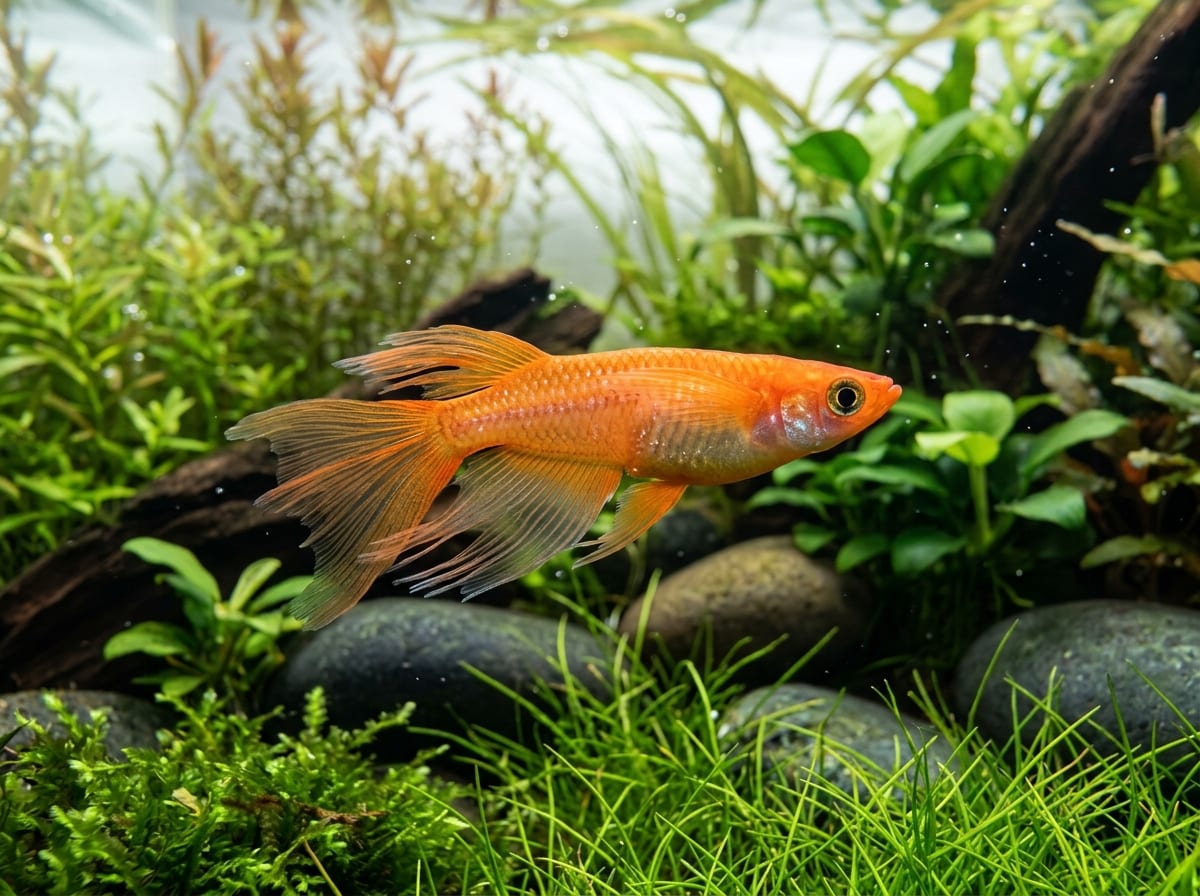
Long Fin
Hirenagas are selectively bred medaka with elongated dorsal, caudal, and pectoral fins that create a graceful, flowing appearance in the water. They have a calm temperament and generally coexist well with tankmates, though their long fins are susceptible to damage from strong currents or fin-nipping fish. While easy to care for overall, providing the right environment is key to keeping their distinctive fins healthy and beautiful.
- Price Range
- ¥4,000〜¥4,000
0% commission on your first sales!Register by September 30, 2026 and your first 2 sales are commission-free!
Breeder Wanted!
List on BreederDirect and sell directly to customers nationwide!
9 Transparency Commitments from Br-Choku
Each Medaka listing includes the following from Breeder. Full transparency on color variations (Yokihi/Miyuki/Lame) and lineage guaranteed.
- Variety Name
- Lineage
- Actual Photos
- Color Classification
- Body Type
- Scale Type
- Size
- Origin
- Age/Generation
Browse all 20 breeds
Color
Scale Type
No listings match your filters
Adjust your filters, or get notified when new listings arrive.
Getting alerts is free with a member account. When new listings match your saved search, we'll notify you by email and in-app.
Browse other categories
Verified breeders (preview)

About Long Fin
Hirenagas emerged from dedicated selective breeding by Japanese hobbyists, with the variety gaining widespread popularity from the late 2000s onward. What sets them apart is the dramatic elongation of the dorsal, caudal, and pectoral fins, which billow and trail as the fish glide through the water, creating an almost ethereal display. Body coloration spans black, white, blue, red-and-white, and beyond, meaning the combination of fin length and color produces a virtually endless array of varieties. Temperamentally, Hirenagas are gentle and non-territorial, making them well suited to peaceful community setups. While they share the hardiness of standard medaka, their extended fins demand a little extra attention: low flow, stable water quality, and compatible tank mates transform a good environment into a great one—and allow these graceful fish to be enjoyed at their most spectacular.
Featured breeders for Long Fin
See all Long Fin breeders (2) →7 things to know before welcoming a Long Fin
1Keep Water Flow Gentle
Long fins are vulnerable to strong currents, which can tire fish out and cause physical stress. Direct filter outflow toward the glass or use a sponge filter to diffuse the flow. Keeping water movement gentle helps preserve fin condition and reduces fatigue.
2Choose Tankmates Carefully
Fin-nipping fish or fast-moving species can damage the elongated fins. The safest option is keeping Hirenagas with other Hirenagas or similarly calm medaka varieties. Small freshwater shrimp are generally compatible, though larger shrimp species should be watched.
3Monitor Fin Health Regularly
Cloudy or frayed fins can signal poor water quality or bacterial infection. Make daily observation a habit to catch issues early. If you notice abnormalities, increase water changes and consider isolating the fish for a salt bath as a first response measure.
4Stable Water Conditions Matter
The ideal temperature range is roughly 18–28°C; sudden swings cause stress and disease. Aim for weekly water changes of around one-third of the tank volume using dechlorinated water. Stable water conditions actively support fin development and help maintain the fish's appearance.
5Choosing the Right Container
Hirenagas look stunning from the side, making aquariums a popular choice for showcasing their flowing fins. However, top-down viewing in a lily bowl or shallow container also has its appeal. Regardless of style, aim for at least 10 liters to keep water quality stable.
6Understand Fin-Length Genetics
The long-fin trait is heritable, but offspring won't always match the parents' fin length or shape. Without selective breeding, shorter-finned individuals may become more common over generations. If maintaining the trait is a goal, breed from the most well-expressed individuals.
7Quarantine Before Introducing
Before adding new fish to your main tank, quarantine them in a separate container for one to two weeks. This allows time for acclimatization and health observation. Since fin damage is highly visible in Hirenagas, carefully inspect the fins before and during the quarantine period.
Frequently asked questions about Long Fin
- Q.Are Hirenagas suitable for beginners?
- A.Yes—care requirements largely mirror those of standard medaka, so beginners can succeed with them. The main extra considerations are keeping water flow gentle and selecting non-aggressive tank mates, both of which are easy habits to build from the start.
- Q.The fins look shorter—is something wrong?
- A.Shortening or fraying fins often indicate fin rot, a bacterial infection commonly triggered by poor water quality or physical injury. Start with a partial water change to improve conditions; if deterioration continues, treat with a commercially available antibacterial fish medication.
- Q.Can Hirenagas be kept in an outdoor biotope?
- A.Outdoor biotopes work well in mild climates, but watch for wind-driven surface turbulence and predators such as birds and dragonfly larvae. Choose a sheltered spot with minimal water movement and cover the container with mesh netting to protect the fish.
- Q.How difficult is it to breed Hirenagas?
- A.Breeding itself is straightforward—given suitable temperature and lighting, spawning occurs naturally. Producing high-quality offspring requires selecting parent fish with excellent fin length and symmetry. Raise fry in a separate container; removing them from adults markedly improves survival rates.
- Q.How many fish should I start with?
- A.In a 30 cm tank, starting with five to ten individuals keeps stocking density manageable. Beginning with fewer fish lets the tank's biological filtration stabilize before you add more, reducing the risk of water-quality problems that could harm the fins.
Useful tools for Long Fin care
More in this category
Can't find the one you're looking for?
Post your wishes for free and breeders with matching animals will contact you with introductions.