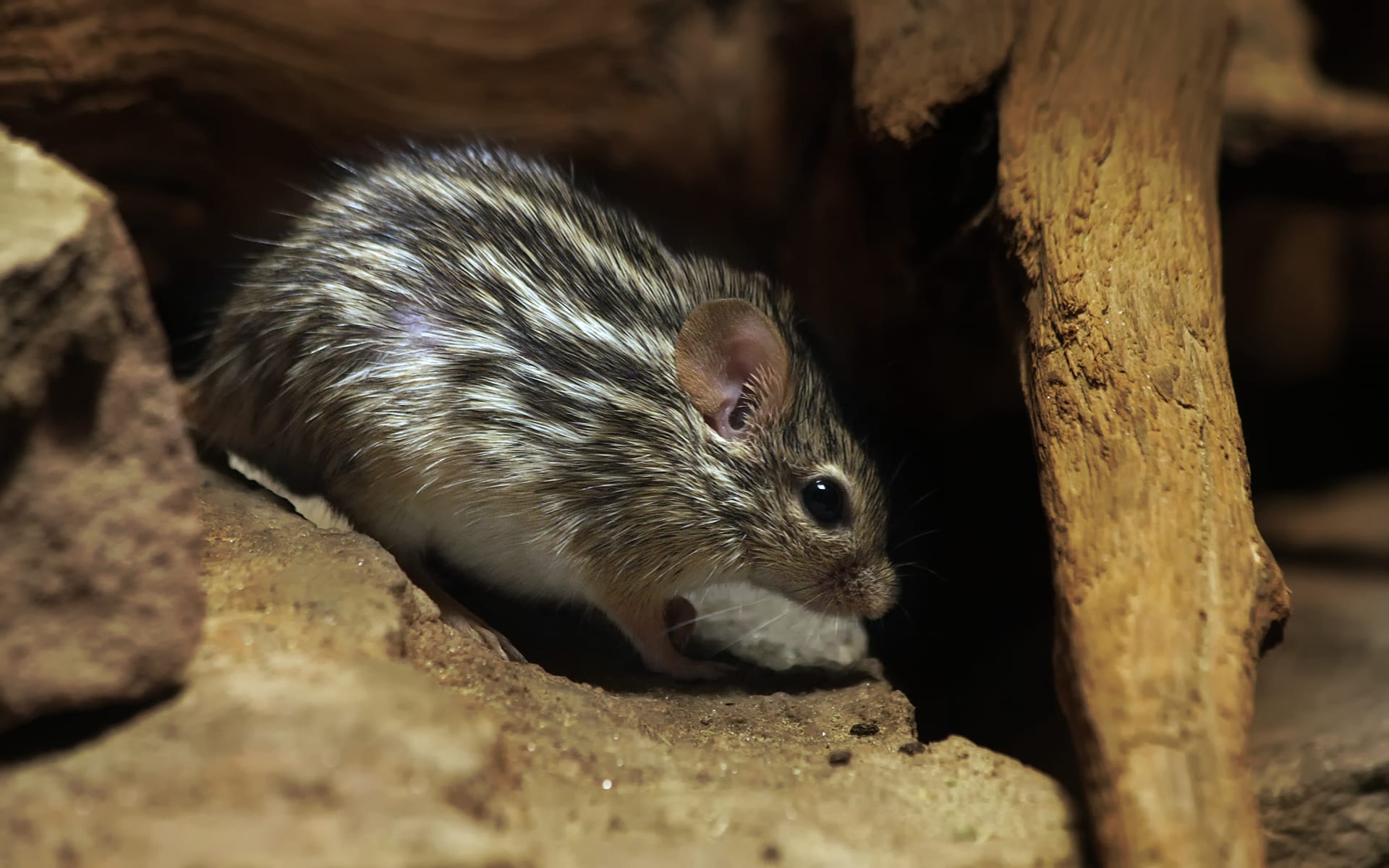
Source: Wikimedia Commons
Barbary Striped Grass Mouse (Zebra Mouse)
IntermediateLemniscomys barbarus
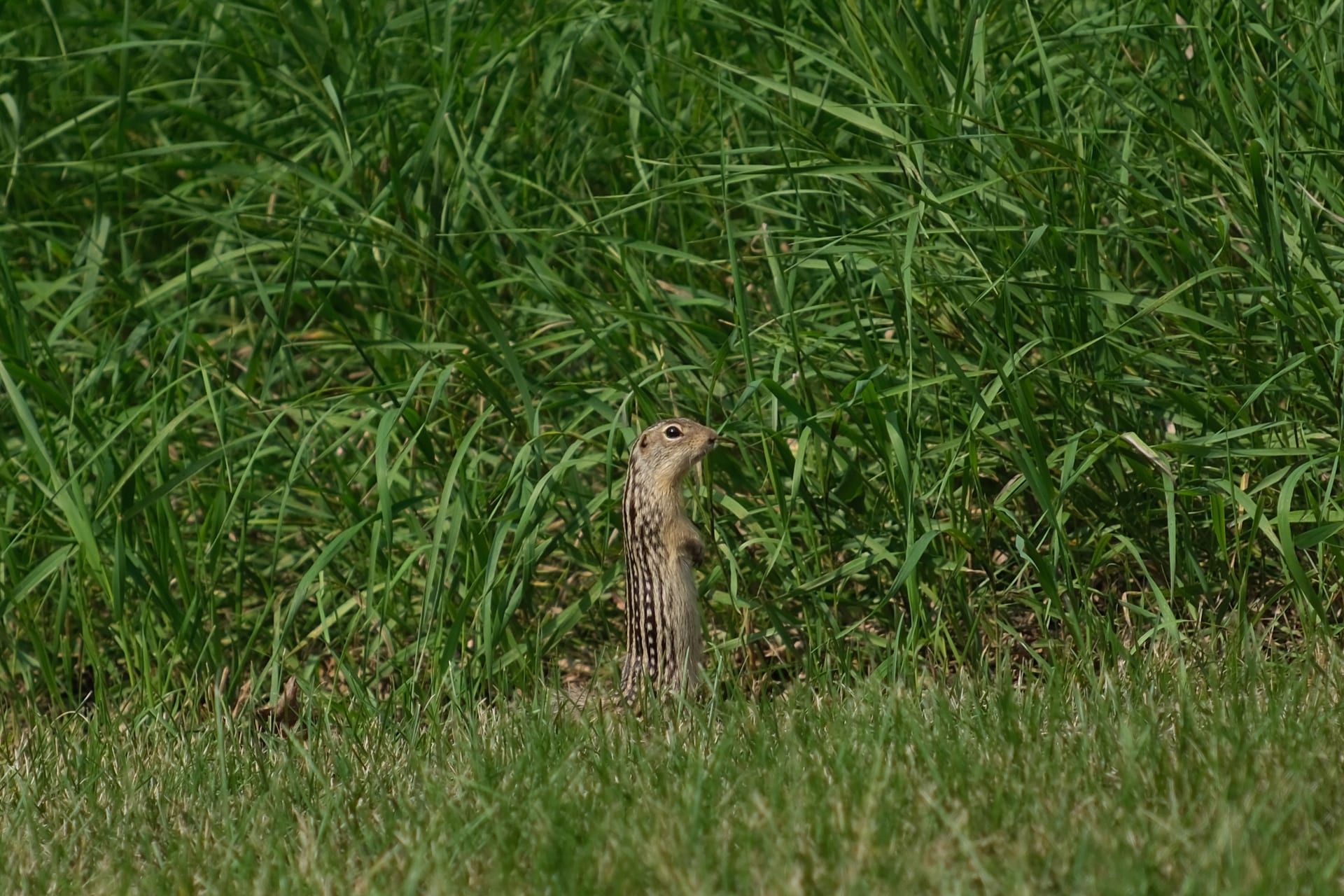
A small North African mouse with bold dark and pale stripes along the back. Diurnal and very quick, it is an animal to watch rather than handle.
Difficulty
Intermediate
Temperature
18〜26℃
Lifespan
2-2.5 years (in captivity)
Size
Total length 18.5-29cm (about half is tail) / 18-70g (genus-level)
Humidity
40〜60%
Diet
Seed mixes for birds/rodents, vegetables, small amounts of insects
About
The Barbary striped grass mouse is a species of the murid genus Lemniscomys native to coastal Morocco, Algeria and Tunisia. It was once thought to range widely south of the Sahara, but those populations are now separated as Heuglin's striped grass mouse, L. zebra, leaving L. barbarus as a monotypic North African species. The name comes from the bold alternating dark and pale stripes running from the back down the sides, a pattern shared with L. zebra and L. striatus; all three are the species most often kept in captivity. They are generally diurnal and feed on plants with occasional insects. Litters of 4-5 are usual, up to 12. Extremely fast and able to jump high, they need an escape-proof enclosure, and the tail skin can slough if grabbed, so never pick one up by the tail. In Japan they are sold through exotic pet shops, sometimes labelled L. striatus.
Source: Wikipedia (CC BY-SA 4.0)
Lifespan of the Barbary Striped Grass Mouse (Zebra Mouse)
The Barbary Striped Grass Mouse (Zebra Mouse) lives 2-2.5 years (in captivity).
Wild animals live about a year, but 2-2.5 years is typical in captivity and the longevity record is 4.4 years.
Size of the Barbary Striped Grass Mouse (Zebra Mouse)
The Barbary Striped Grass Mouse (Zebra Mouse) grows to Total length 18.5-29cm (about half is tail) / 18-70g (genus-level).
Genus-wide, total length is 18.5-29 cm (about half of it tail) and weight 18-70 g.
Basic Info
Origin
Coastal North Africa (Morocco, Algeria, Tunisia)
Lifespan
References & Sources
Edited & verified by: BreederDirect editorial team
The taxonomic, regulatory, and husbandry data on this page are compiled and verified against the authoritative primary sources below.
Taxonomy & Authority
Accepted name: Lemniscomys barbarus (Linnaeus, 1766)
Authority databases: GBIF
Nomenclature follows global taxonomic authority databases.
Regulations & Conservation Status
Not CITES-listedIUCN LC · Least Concern
Sources: CITES Appendices (species not listed) / IUCN Red List Lemniscomys barbarus
Regulations may change. Always verify the latest information with the relevant authorities.
Barbary Striped Grass Mouse (Zebra Mouse) Listings
Loading latest listingsFind listings for this species