Source: Wikimedia Commons
Arctic Fox
AdvancedVulpes lagopus
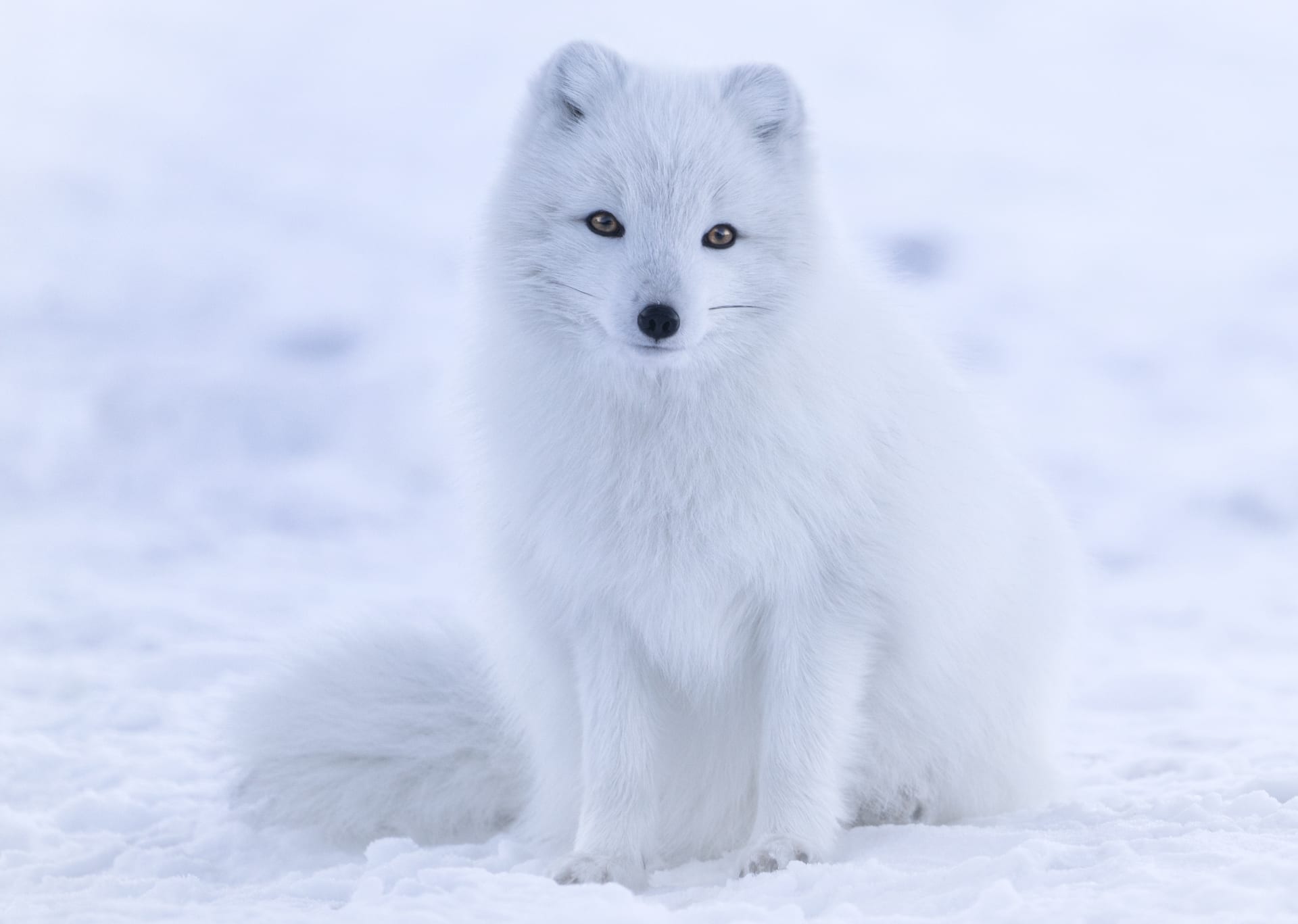
A fox of the Arctic tundra; the white morph turns pure white in winter and brown in summer. Head-body 46-68cm, 3-9kg. Farm-bred animals occasionally appear in exotic pet shops; imports face rabies quarantine.
Difficulty
Advanced
Temperature
18〜26℃
Lifespan
3-4 years wild, up to 16 in captivity
Size
Head-body 41-68cm / 1.4-9.4kg
Humidity
40〜60%
Diet
Meat, fish, eggs, small mammals
About
The Arctic fox (Vulpes lagopus) inhabits the tundra of Iceland, Scandinavia, Russia, Greenland, Alaska and Canada; the former name Alopex lagopus is a synonym. It moults twice a year: the white morph is pure white in winter and brown in summer, while the blue morph stays black to grey-brown year-round. Largely monogamous, it forms family groups of a pair, their cubs and a non-breeding female from the previous year. An omnivore with a keen nose, it eats lemmings and other small mammals, birds, eggs, fish and carrion. It is Least Concern and not CITES-listed. Fur farming has been practised in Alaska since 1865, and animals sold as pets come from such farms. Imports into Japan are subject to rabies quarantine, with 180 days of detention for animals from non-designated regions. It is neither a specified invasive species nor a specified dangerous animal. As a cold-climate animal it needs heatstroke prevention in Japanese summers, plus provision for its strong odor, digging and escape attempts, and a large enclosure matching its activity. It is very rarely traded in Japan.
Source: Wikipedia (CC BY-SA 4.0)
Lifespan of the Arctic Fox
The Arctic Fox lives 3-4 years wild, up to 16 in captivity.
Wild lifespan is 3-4 years, but 16 years has been recorded in captivity.
Size of the Arctic Fox
The Arctic Fox grows to Head-body 41-68cm / 1.4-9.4kg.
Head-body length is 46-68 cm in males and 41-55 cm in females, the tail about a third of body length, and weight 3.2-9.4 kg in males and 1.4-3.2 kg in females.
Basic Info
Origin
Arctic (Iceland, Scandinavia, Russia, Greenland, Alaska, Canada)
Care Specifications
References & Sources
Edited & verified by: BreederDirect editorial team
The taxonomic, regulatory, and husbandry data on this page are compiled and verified against the authoritative primary sources below.
Taxonomy & Authority
Accepted name: Vulpes lagopus (Linnaeus, 1758)
Synonyms: Alopex lagopus
Authority databases: GBIF
Nomenclature follows global taxonomic authority databases.
Regulations & Conservation Status
Not CITES-listedIUCN LC · Least Concern
Domestic law: Subject to import quarantine under the Rabies Prevention Act (foxes): 180 days of detention at the Animal Quarantine Service for animals from non-designated regions. Vulpes does not appear on the specified invasive species list.
Sources: CITES Appendices (not listed) / IUCN Red List Vulpes lagopus / Animal Quarantine Service: importing foxes, raccoons and skunks / Ministry of the Environment Specified Alien Species List
Regulations may change. Always verify the latest information with the relevant authorities.
Arctic Fox Listings
Loading latest listingsFind listings for this species