Source: Wikimedia Commons
Blue Ranchu
IntermediateCarassius auratus
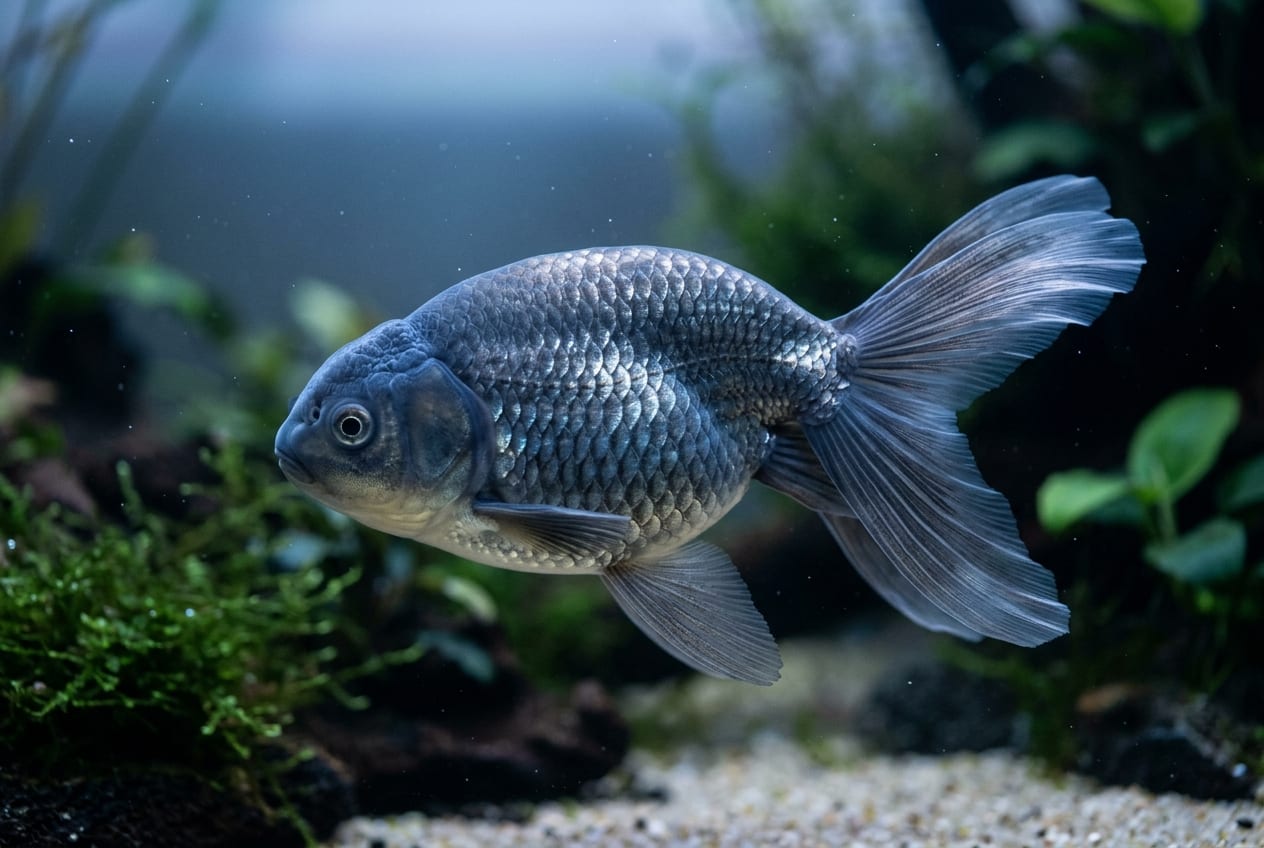
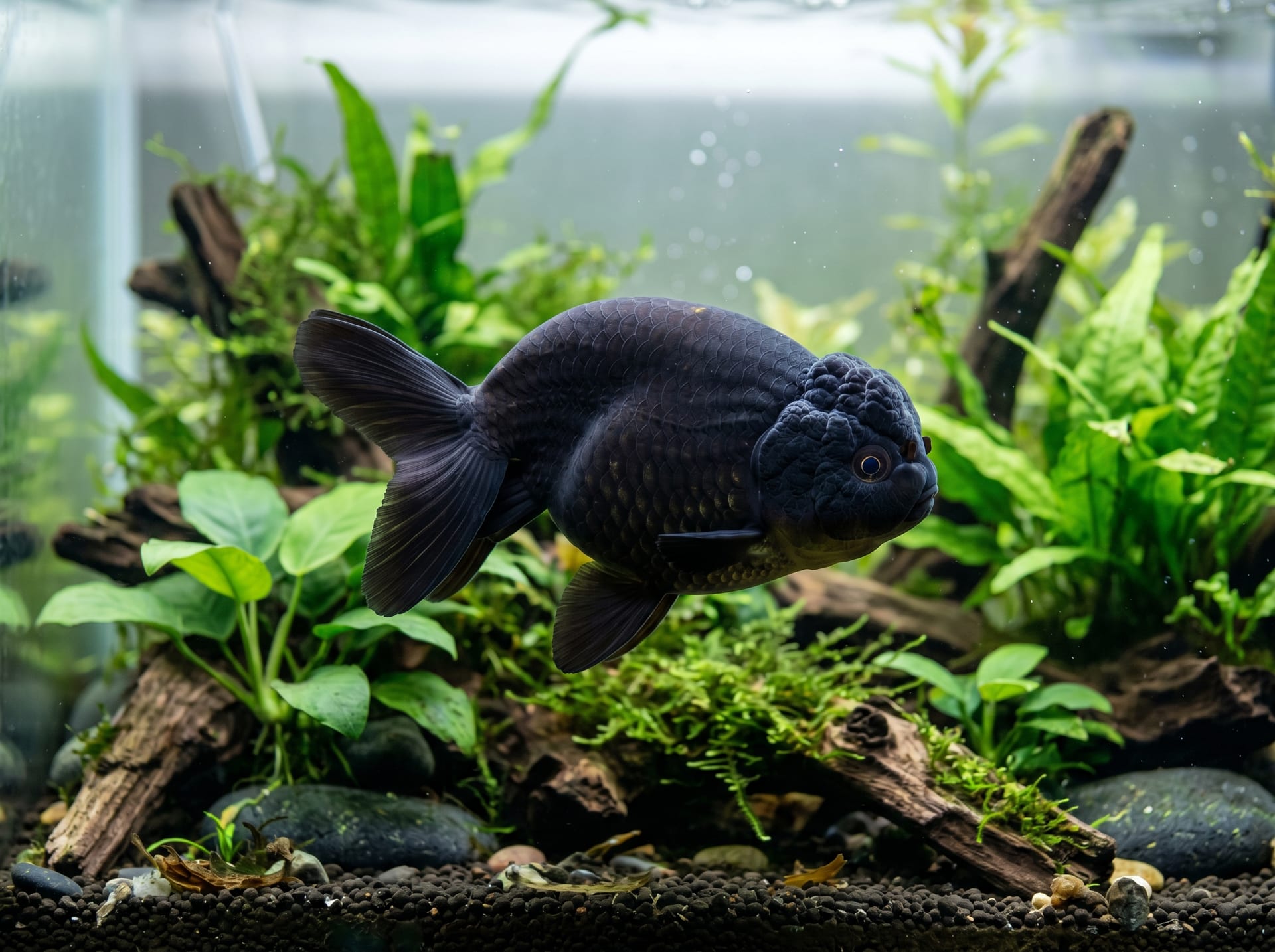
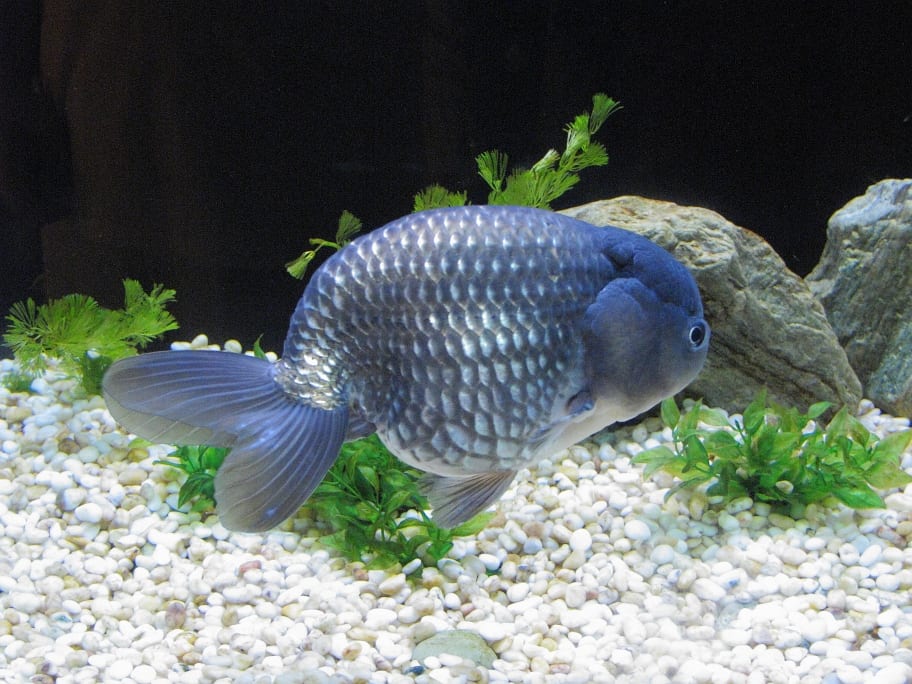
A line carrying the blue-grey colour of the seibungyo on the dorsal-less ranchu body. The tone is restrained, and many fish fade towards white as they grow.
Difficulty
Intermediate
Temperature
15〜28℃
Lifespan
10-15 years
Size
About 15cm
Diet
Prepared foods, frozen bloodworms
About
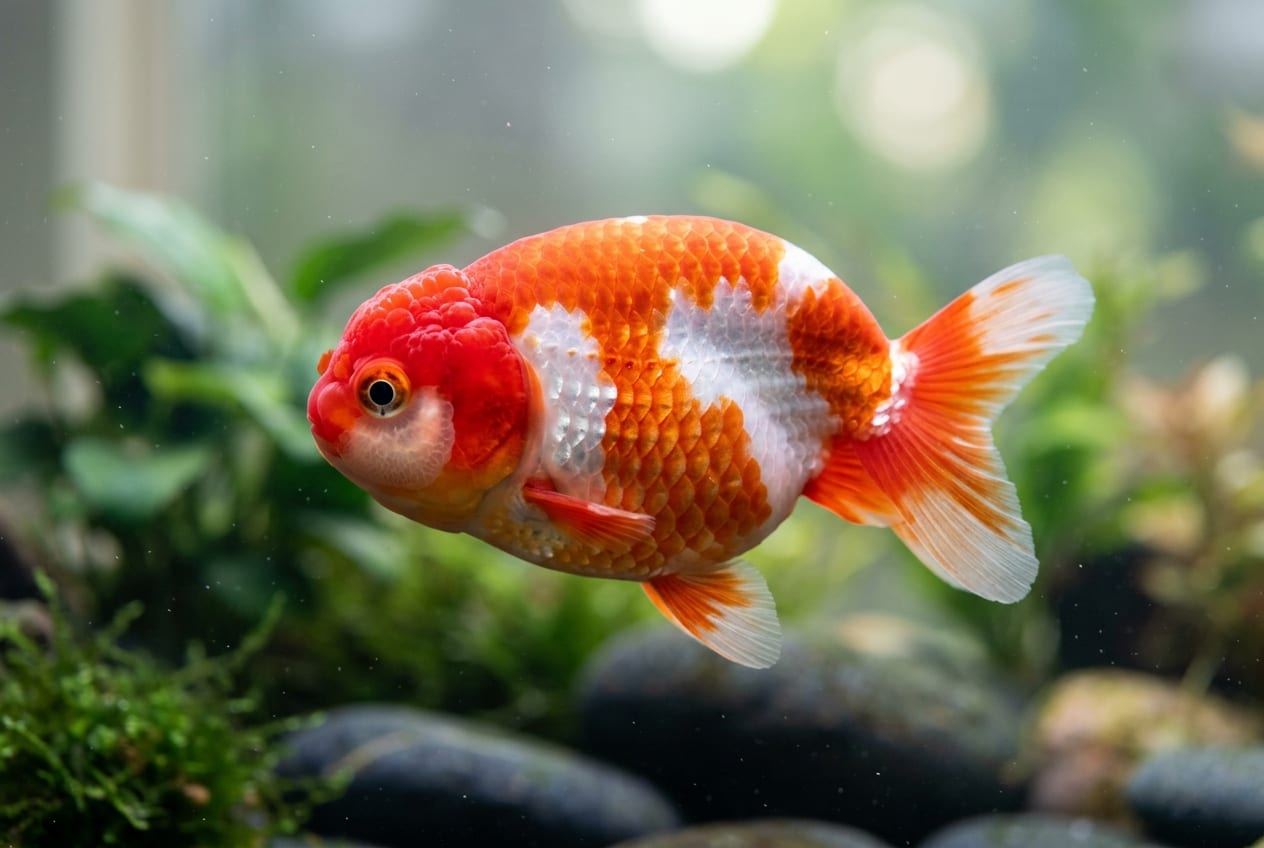
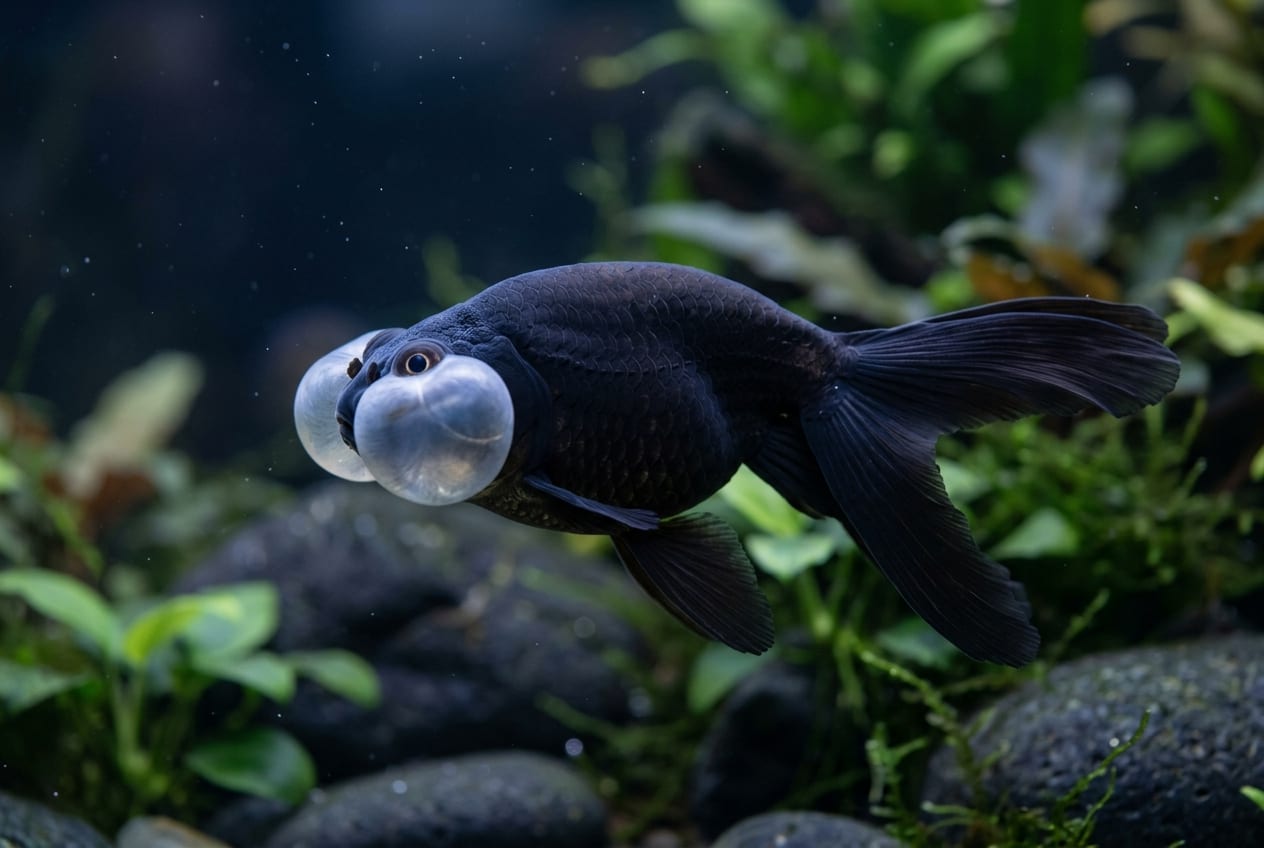
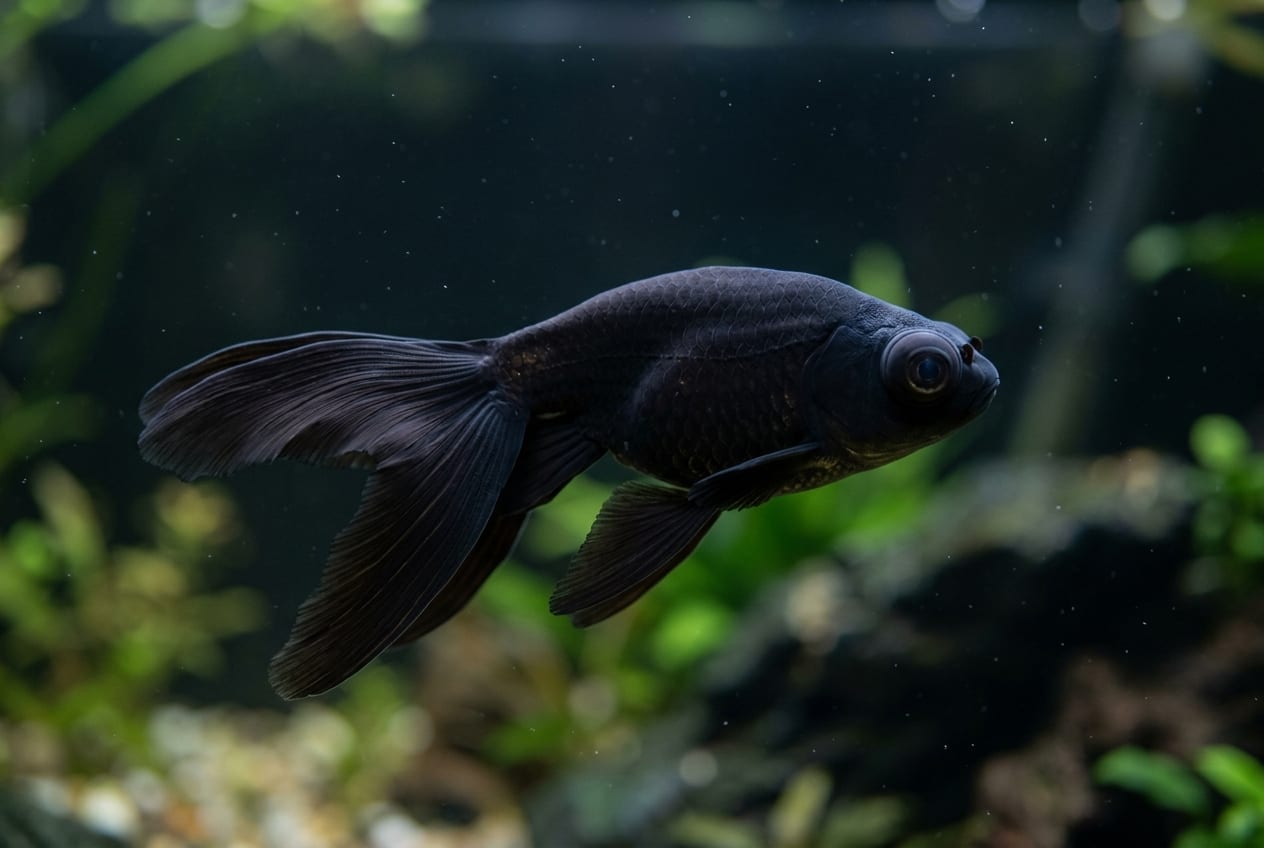
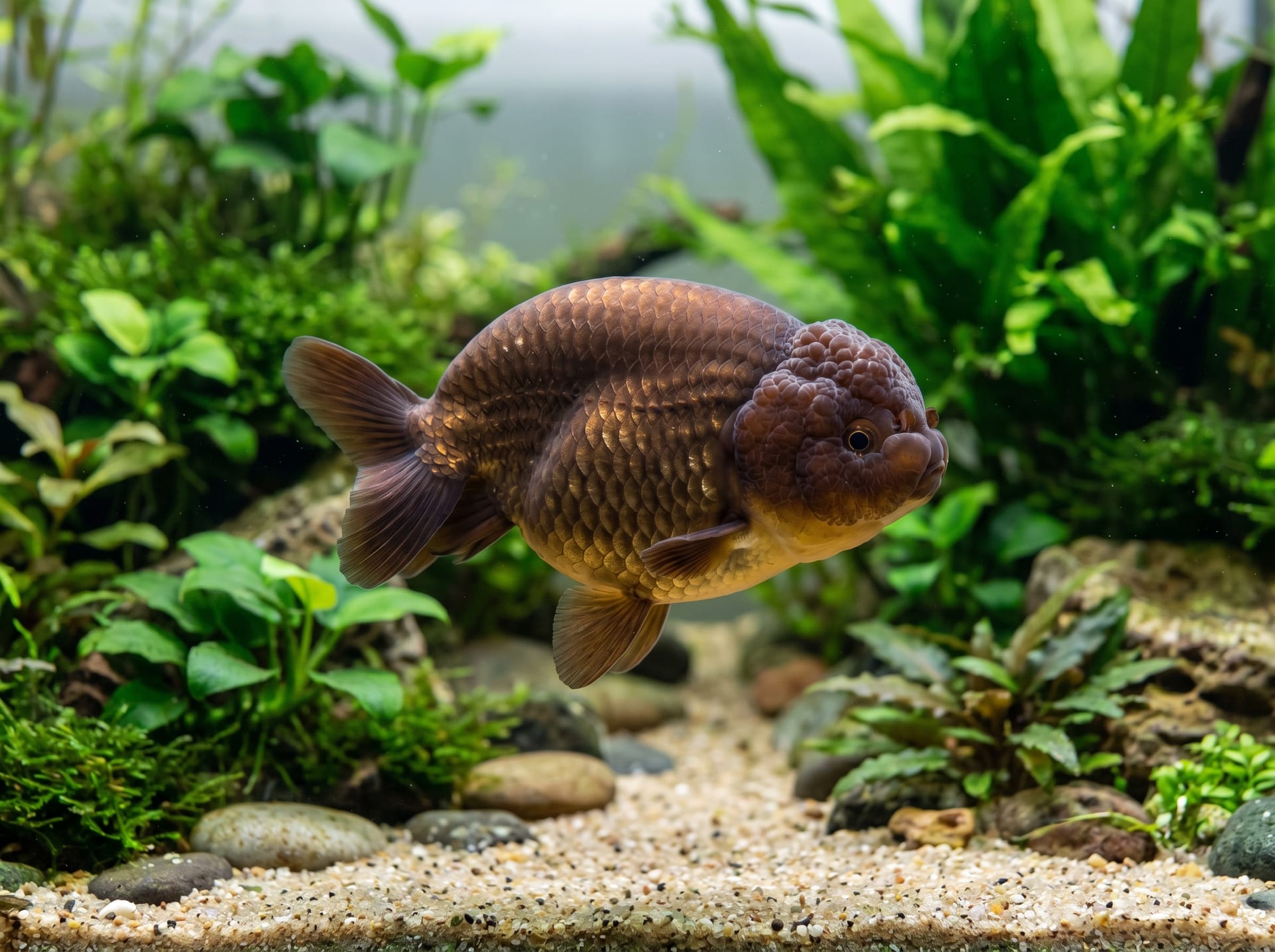
The blue ranchu carries the blue-grey colour of the seibungyo on the dorsal-less ranchu body. That colour was absent from Japan's older varieties and traces to the lines imported from China in 1958 alongside the tancho, the brown oranda, the bubble eye and the celestial eye. The tone is restrained rather than vivid, and many fish fade as they grow: one whose belly pales is called hagoromo, one that pales throughout is called hakuo. The ranchu itself has no dorsal fin, develops head growth, reaches about 15cm, and standardly carries a three-lobed, four-lobed or sakura tail. Dark blue colouring can be hard to read through the side of a tank, so moving the fish to a white bowl and viewing from above makes the depth of colour easier to judge.
Source: Wikipedia (CC BY-SA 4.0)
Lifespan of the Blue Ranchu
The Blue Ranchu lives 10-15 years.
Size of the Blue Ranchu
The Blue Ranchu grows to About 15cm.
Temperature & humidity for the Blue Ranchu
The ideal temperature for the Blue Ranchu is 15〜28℃.
Basic Info
Origin
Japan and China
Lifespan
10-15 years
Size
About 15cm
Care Specifications
- pH
- 6–8
- Hardness (GH)
- 5–19 dGH
- Water Temp.
- 15–28℃
PeacefulGroupBreeding: Moderate
Sources: FishBase (Carassius auratus) / Keihan Nishikigoi Center: goldfish water management / Kingyo Hitosuji: Ranchu / Kingyo Hitosuji: Black Ranchu
Morphs (Varieties)
Goldfish varieties arose from fixed mutations and selective breeding, and body form, tail form, scale type, colour and head growth are all carried forward by selection over generations. Inheritance is therefore shown as line-bred throughout rather than split into dominant and recessive.
Line-bredEstablished by selective line breeding.
Ranchu body form (dorsal-less)Blue (seibun) body colourHead growth (wen)
Sources: Kingyo Hitosuji: Ranchu
A curated selection of notable morphs. Inheritance modes are a breeding-planning guide; actual appearance varies with combos.
References & Sources
Edited & verified by: BreederDirect editorial team
The taxonomic, regulatory, and husbandry data on this page are compiled and verified against the authoritative primary sources below.
Taxonomy & Authority
Regulations & Conservation Status
Not CITES-listed
Sources: CITES Appendices (species not listed) / FishBase (Carassius auratus)
Regulations may change. Always verify the latest information with the relevant authorities.
Blue Ranchu Listings
Loading latest listingsFind listings for this species