Edo Ranchu Care Guide | Characteristics, Management, and Introduction to Exhibitions of Tokyo's Native Goldfish
A comprehensive guide to caring for the "Edo Ranchu," a Tokyo-native goldfish variety passed down since the Edo period. This guide covers the differences from standard ranchu, methods for green-water and boat cultivation, tips for overhead viewing management, how to participate in exhibitions, and thorough disease prevention strategies for conditions like swim bladder disease and dropsy.
Key Takeaways
A comprehensive guide to caring for the "Edo Ranchu," a Tokyo-native goldfish variety passed down since the Edo period. This guide covers the differences from standard ranchu, methods for green-water and boat cultivation, tips for overhead viewing management, how to participate in exhibitions, and thorough disease prevention strategies for conditions like swim bladder disease and dropsy.
Related Species
What is Edo Ranchu?
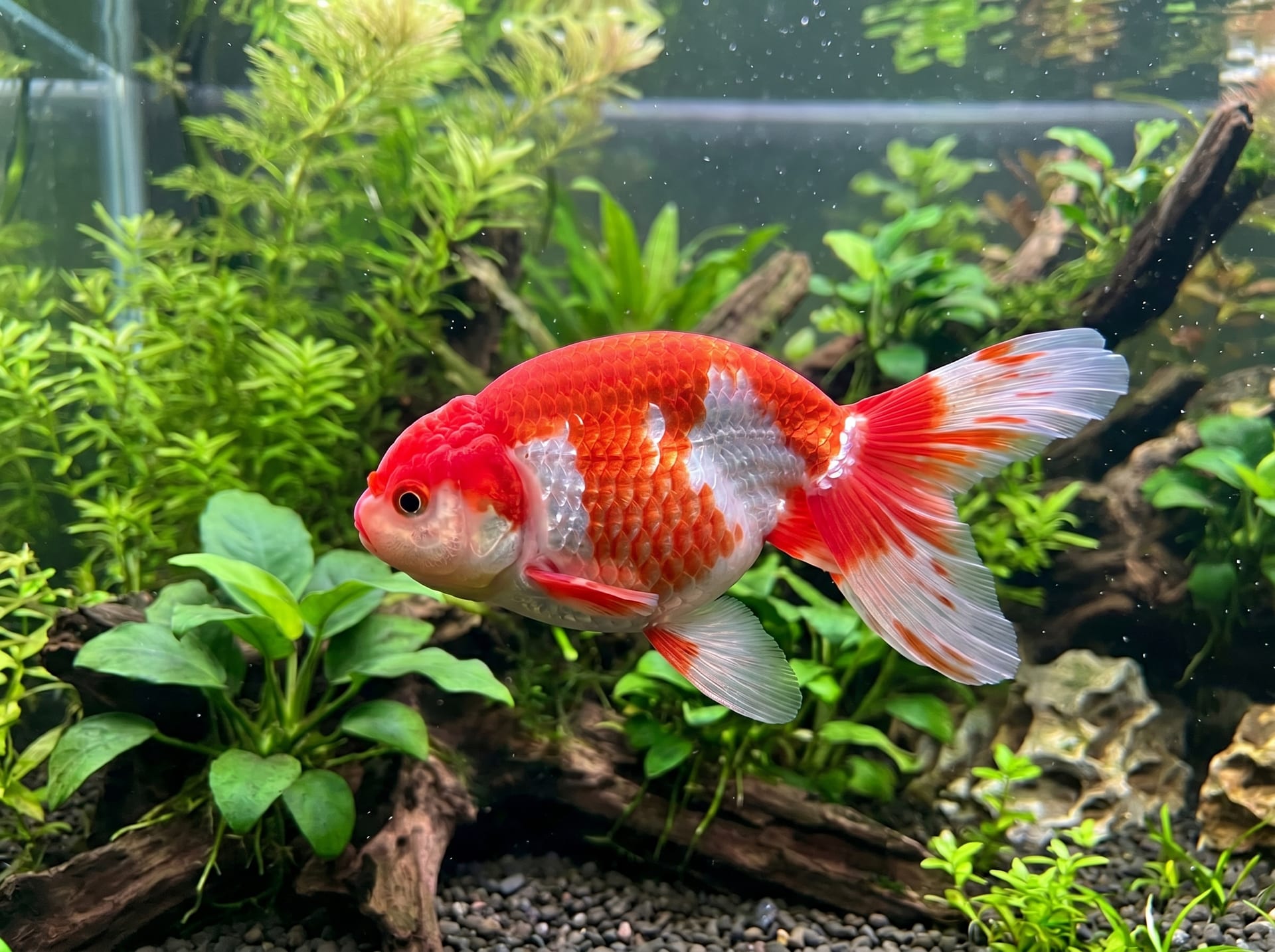
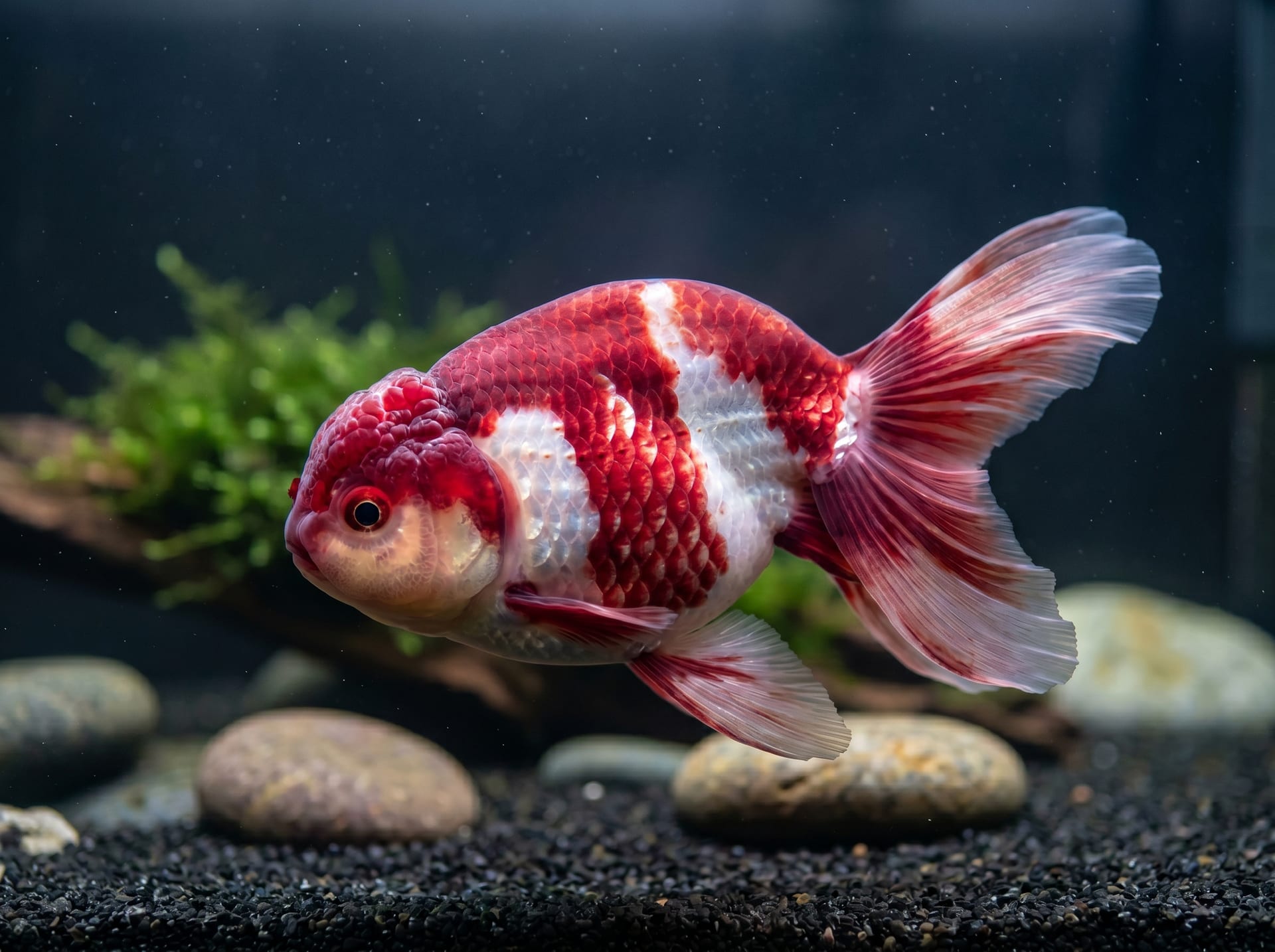
Edo Ranchu is a distinctly Japanese goldfish variety that has been cherished for generations primarily in Tokyo (former Edo). Unlike the common "Ranchu" (Osaka Ranchu lineage), it possesses unique characteristics and is a rare variety carefully preserved among goldfish enthusiasts in the Kanto region.
Main Differences from Standard Ranchu
| Feature | Edo Ranchu | (Osaka) Ranchu |
|---|---|---|
| Body Shape | Slightly elongated, slender | Rounded physique |
| Tail Fin | Somewhat spread (flat-type) | Wide, four-lobed tail |
| Dorsal Fin | Absent (same) | Absent |
| Head Wen | Modest to moderate | Large, developed wen |
| Swimming | Slightly active and nimble | Steady, leisurely movement |
| Origin | Kanto (Tokyo) | Kansai (Osaka) |
| Rarity | High (few breeders) | Widely available |
Today, Edo Ranchu are maintained and promoted primarily through enthusiast societies such as the Edo Ranchu Preservation Society.
How to Obtain Edo Ranchu
Edo Ranchu have limited distribution and are rarely found in general home improvement stores or tropical fish shops.
- Enthusiast Societies and Exhibitions: Display and sales events held by the Edo Ranchu Preservation Society and goldfish enthusiast clubs throughout the Kanto region
- Specialist Breeders: Direct purchase from breeders specializing in Edo Ranchu
- Online Retailers: Some specialty online retailers of reptiles and goldfish carry them
When purchasing, always select individuals with no dorsal fin, properly formed tail fins, and well-proportioned body shape.
Breeding Containers (Boats and Ponds Are Standard)
The basic method for keeping Edo Ranchu is "boat cultivation," where their beauty is appreciated by viewing from above.
Recommended Containers
- Plastic Boats (Tubs): 80-120L is appropriate. Usually black (the goldfish's coloring stands out beautifully)
- FRP Tanks: Boat-shaped 100-200L tanks are ideal
- Concrete Ponds and Large Troughs: Suitable for outdoor large-scale rearing
Aquariums (tall, glass tanks) allow viewing from the side, which makes it difficult to appreciate the ranchu's true beauty, and therefore are not recommended.
Green-Water (Green Water) Cultivation
In the rearing of ranchu lineages including Edo Ranchu, cultivation in green water is traditional.
Green water is water in which phytoplankton (mainly green algae) have proliferated, and it provides the following benefits:
- Goldfish body coloration (especially orange and red) becomes more vibrant
- Abundant minerals and microorganisms provide nutritional supplementation
- It aids in water purification
How to Create Green Water
- Place fresh water in a large container and leave it in direct sunlight for several days to a week
- Adding a small amount of water from an existing goldfish tank (seed water) will speed up the greening process
- A "light green tea" shade is ideal. If too dark (dark green), a water change is necessary
Daily Care
Feeding
- Feeding frequency: 2-3 times per day (during the active season of spring to autumn)
- Amount per feeding: As much as can be consumed in 5 minutes
- Type of food: Ranchu-specific sinking pellets are standard. Floating food increases the risk of swim bladder disease, so be careful
- Winter feeding: Stop feeding when water temperature drops below 10°C (risk of indigestion and swim bladder disease)
Water Changes
- Summer (active season): 30-50% water change 1-2 times per week
- Winter (dormant season): Minimal (approximately once per month)
In green-water cultivation, do not completely replace all the green water at once during water changes (replenish while retaining plankton).
Sun Exposure
4-6 hours of sunlight per day helps develop the goldfish's coloration, and UVB is beneficial for maintaining health. Be careful of water temperature increases from direct summer sunlight (above 28°C causes reduced stamina, above 33°C is dangerous).
Participating in Exhibitions
One of the pleasures of Edo Ranchu enthusiasts is participating in exhibitions. These are often held in autumn in various locations throughout the Kanto region, and participation rights are obtained by joining an enthusiast society.
Exhibition Evaluation Criteria (Main Items)
- Body Shape: Broad, well-proportioned physique and belly development
- Head Wen: Development and proportion
- Tail Fin: Shape, spread, and absence of damage
- Body Color and Luster: Vibrancy and uniformity
- Swimming Style: Stable posture and proportion when viewed from above
Rearing individuals for exhibition requires advanced techniques such as specialized "selection breeding" and "color-enhancement management." The quickest path to improvement is first joining an enthusiast society and learning from experienced members.
Common Diseases
Swim Bladder Disease
It occurs from overeating floating food, indigestion, swallowing air, or genetic factors. In early stages, the fish can swim normally when hungry, but as it progresses, it constantly turns upside down. Prevention is most important (use sinking food and appropriate feeding amounts).
Dropsy (Pinecone Disease)
A bacterial infection where scales stand up in a pinecone pattern. Poor water quality is the main cause. Early detection is important, and treatment involves salt baths or antibiotic baths (Green F, Kamikara D).
Ich (White Spot Disease)
A parasitic infection where white spots appear on the body surface. Rapid water temperature changes trigger it. Treatment involves raising the water temperature to 28-30°C and using methylene blue or malachite green preparations.
Summary: Preserving Edo's Rare Cultural Heritage
Because of their scarcity, each person who keeps Edo Ranchu is also a "species maintainer." Through cultivation and promoting the charm of Edo Ranchu, and by participating in enthusiast society activities, we can pass this precious variety on to future generations.
The traditional methods of boat cultivation and green-water cultivation are not difficult once you become accustomed to them. We invite you to experience the cultivation that preserves Edo's traditions while enjoying the finest of Japan's goldfish culture.