Osaka Ranchu Care Guide | Characteristics and Management of the Phantom Goldfish
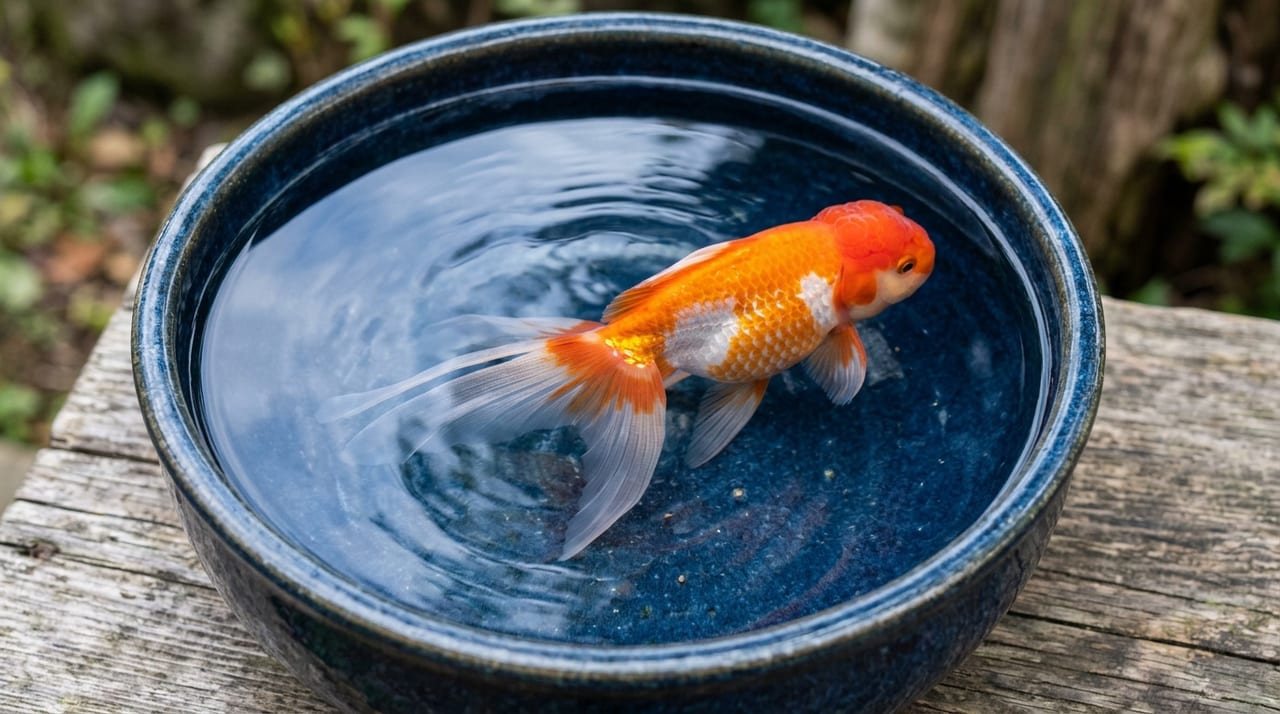
The Osaka ranchu is a phantom goldfish characterized by wen (fatty growths) on only the upper body and a longer tail. It is treasured among enthusiasts as one of the "Three Major Japanese Regional Goldfish" alongside the Tosa kin and Izumo nankin. This guide explains in detail its unique body shape and care tips.
Key Takeaways
The Osaka ranchu is a phantom goldfish characterized by wen (fatty growths) on only the upper body and a longer tail. It is treasured among enthusiasts as one of the "Three Major Japanese Regional Goldfish" alongside the Tosa kin and Izumo nankin. This guide explains in detail its unique body shape and care tips.
Related Species
What is the Osaka Ranchu?
The Osaka ranchu is a goldfish variety believed to have been developed in Osaka during the late Edo period through the early Meiji era. Once thriving as a specialty product of Osaka, its population dramatically declined during wartime, making it so rare that it was once called the "phantom goldfish."
Today, its population has recovered through conservation efforts by enthusiasts and specialized breeders, and competitive shows are now held. However, it remains a rare variety rarely seen in general pet shops.
Visual Characteristics of the Osaka Ranchu
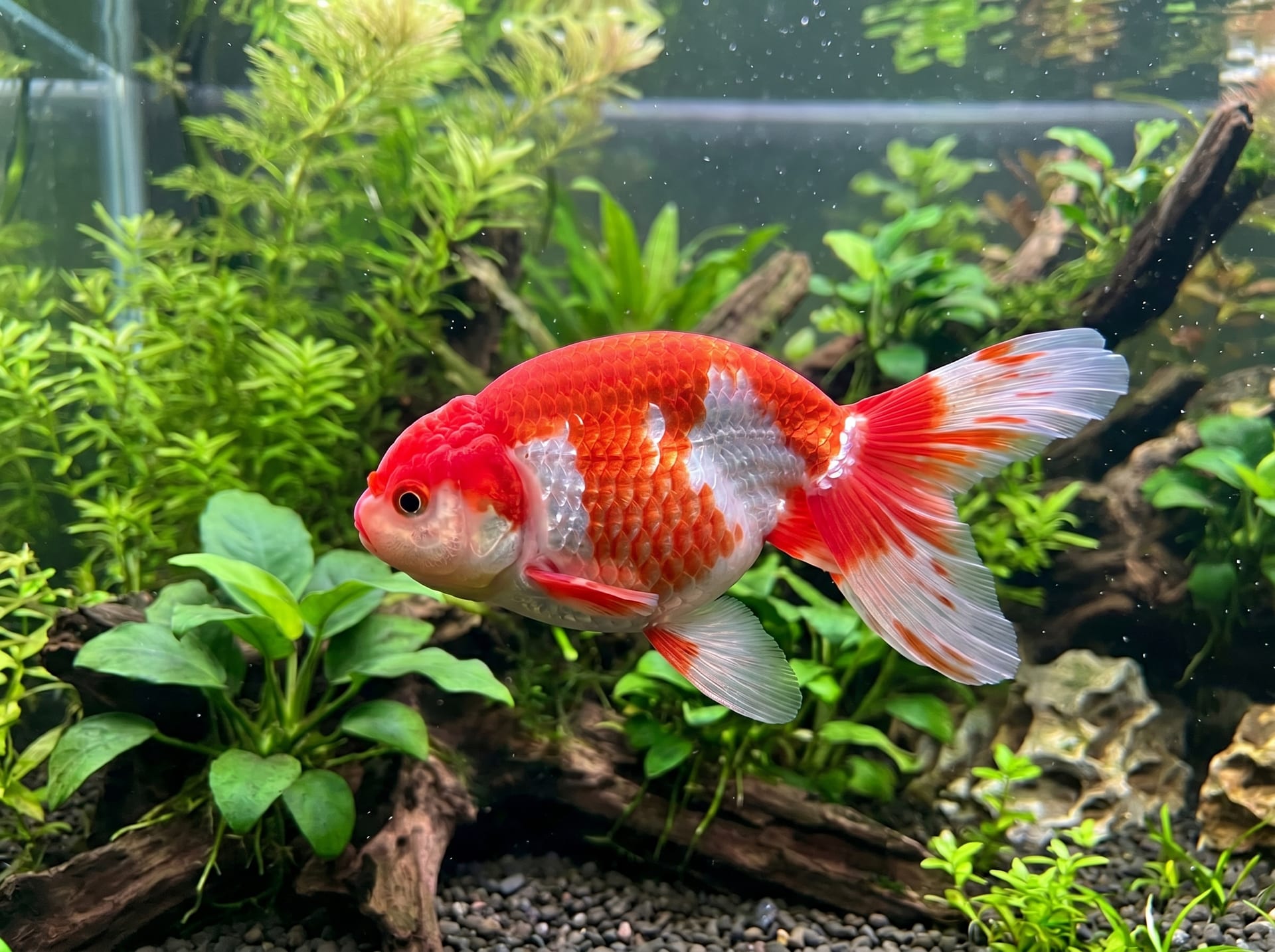
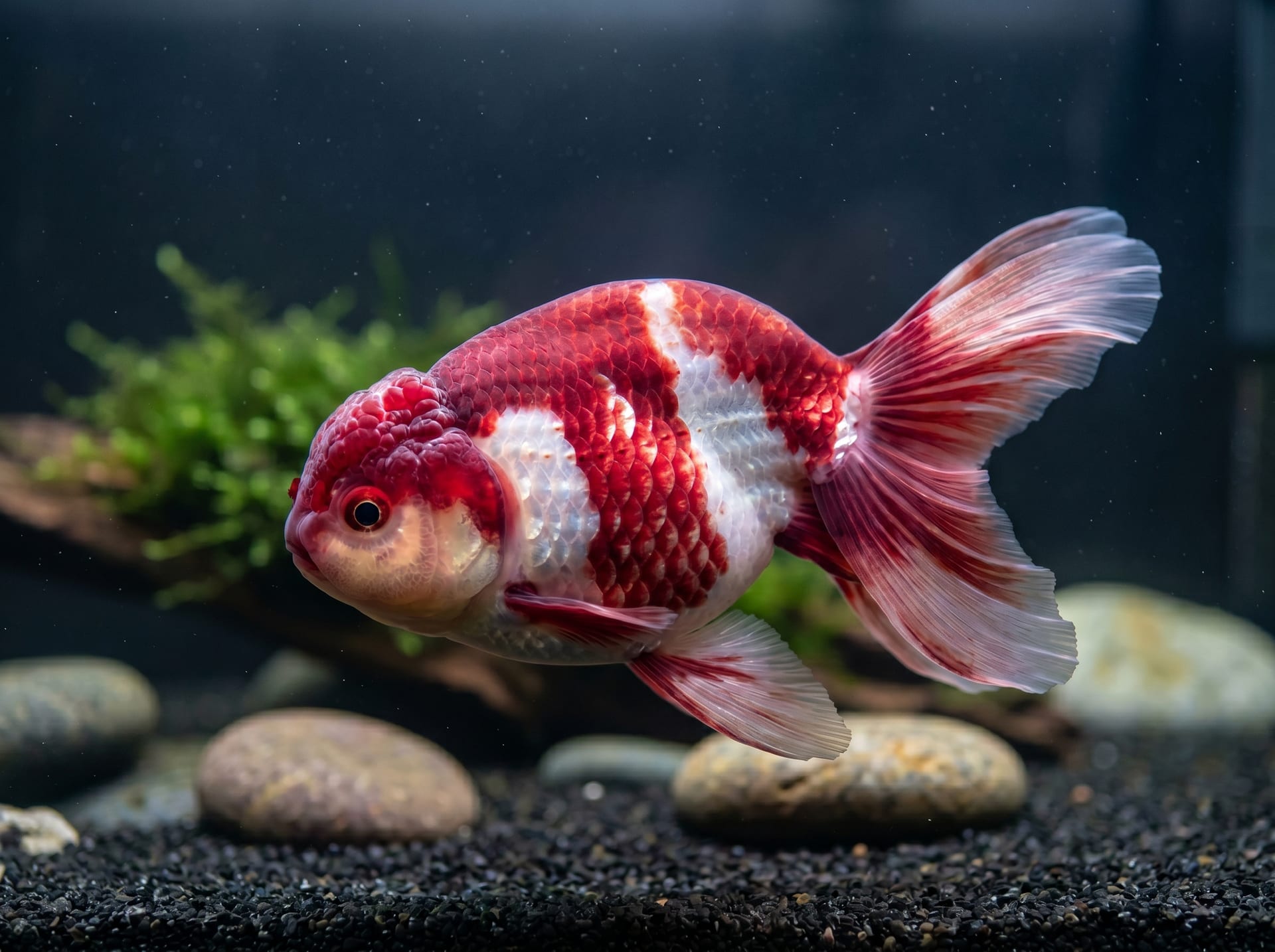
- Head Wen (Bump): Wen develops across the forehead and cheeks. Little wen on the back of the head; the crown is relatively flat.
- Body Shape: The body is relatively slender with a shallow back arch (flatter back than standard ranchu).
- Tail Fin: Triple or quadruple tail. Tends to have a longer tail than typical ranchu.
- Body Color: Diverse colors exist, including solid red, calico, and tricolor varieties.
Differences from Standard Ranchu
| Feature | Osaka Ranchu | Standard Ranchu |
|---|---|---|
| Head Wen | Develops on forehead and cheeks, minimal on back of head | Develops uniformly across entire head |
| Back Arch | Shallow (relatively flat) | Strongly rounded |
| Tail Length | Somewhat longer | Shorter, fan-shaped |
| Body Length | Somewhat slender | Rounded |
Setting Up the Breeding Environment
Choosing a Breeding Container
Osaka ranchu breeding, like traditional goldfish raising, uses the "top view" (uwami) as the basic style.
- Recommended containers: Concrete ponds, FRP tubs (120-180L class), glass aquariums (90cm or larger)
- Tub rearing is easy to manage and allows observation of the entire fish from above, making it ideal for viewing show-quality fish.
- Keeping one fish or 1-3 fish is best for maintaining quality.
Water Quality Management
| Parameter | Proper Range |
|---|---|
| Water Temperature | 15-25°C (up to 28°C in summer) |
| pH | 7.0-8.0 |
| Nitrate | 40ppm or less |
| Hardness (GH) | 10-20 dGH |
As with all goldfish, sudden changes in water quality and temperature are strictly forbidden. In particular, delicate varieties tend to have low tolerance for changes.
Water Change Frequency
- Summer: 2-3 times per week, 30-50%
- Spring/Autumn: 1-2 times per week, 30-50%
- Winter: 1-2 times per month, 20-30% (reduce water change volume in low temperatures due to reduced activity)
Water Temperature Management
The Osaka ranchu is hardy in low temperatures, but extreme heat is strictly forbidden.
- Summer Caution: When water temperature exceeds 28°C, dissolved oxygen decreases and digestive function declines.
- In Japanese summers (especially in western Japan), consider installing a cooling fan or aquarium chiller.
- Winter: When water temperature drops below 10°C, activity declines significantly and the fish enters a near-hibernation state. Resume light feeding when water temperature rises.
Filtration Equipment
- Aeration Essential: Ensure dissolved oxygen with a pump and air stone.
- Biological Filtration: Under-gravel filters and sponge filters are standard (with gentle water flow).
- Excessive water flow can negatively impact body shape, so gentle water flow is essential.
Feeding
Feed management is critical to maintaining the Osaka ranchu's ideal body shape.
Recommended Food Types
- Ranchu-specific sinking pellets: Well-balanced nutrition and easy to digest.
- Frozen bloodworms and brine shrimp: Effective for improving coloration and promoting breeding.
- Dried bloodworms: Highly palatable.
- Green water (phytoplankton) culture: Allows natural consumption of plant plankton and excels at maintaining color and health.
Feeding Rules
- Water temperature 15°C or higher: 2-3 times daily (amount consumed in 3-5 minutes)
- Water temperature 10-15°C: Once daily, small amounts
- Water temperature 10°C or below: Generally no feeding needed (risk of indigestion)
- Always remove uneaten food.
Body Shape Evaluation and Selection
Osaka ranchu quality is evaluated by body shape, swimming manner, and wen placement. Strict standards are used in competitive shows.
Points for Viewing and Selection
- Swimming style: Does it swim horizontally and with ease?
- Head wen: Is the wen developed evenly across the forehead and cheeks?
- Back line: Is it flat without excess rounding?
- Tail fin: Is it symmetrical and beautifully spread?
- Body proportions: Is the balance neither too slender nor too stout?
Breeding
Breeding the Osaka ranchu follows the same procedures as standard ranchu. However, as a rare variety, careful attention to quality maintenance is essential.
Breeding Considerations
- Pair selection is most important: Choose high-quality individuals with distinct characteristics.
- Water temperature management: Gradual water temperature increase (15→22°C) in spring induces spawning.
- Post-spawning selection: Strictly select based on body shape and fin shape, as with standard ranchu.
- Cross-breeding with different lines: To prevent inbreeding depression, crossing with individuals from different breeder lines is preferable.
How to Obtain
Direct purchase from specialized breeders is the most reliable way to obtain Osaka ranchu.
- Online shops of goldfish specialist breeders
- Transfers at goldfish competitive shows and enthusiast groups
- Osaka ranchu preservation society groups
Since rare and expensive individuals are common, it is recommended to prepare the breeding environment before obtaining the fish.
Conclusion
The Osaka ranchu is a phantom variety that embodies the history of Japanese goldfish culture. Due to its unique body shape and rarity, it is treated as a special entity among enthusiasts. While care itself does not differ greatly from standard ranchu, careful management and selection to maintain quality is required. For those interested in traditional Japanese goldfish culture, we encourage you to try raising Osaka ranchu.