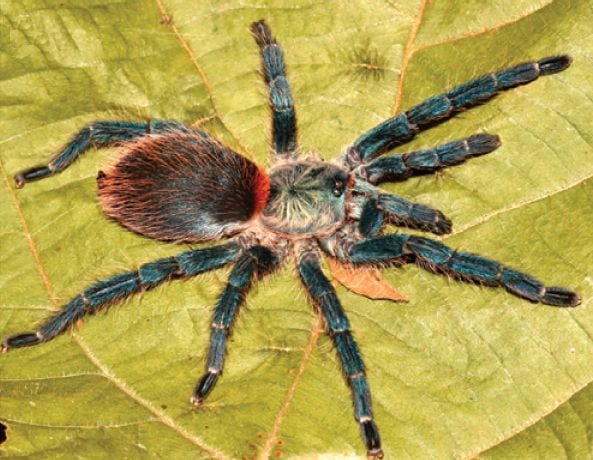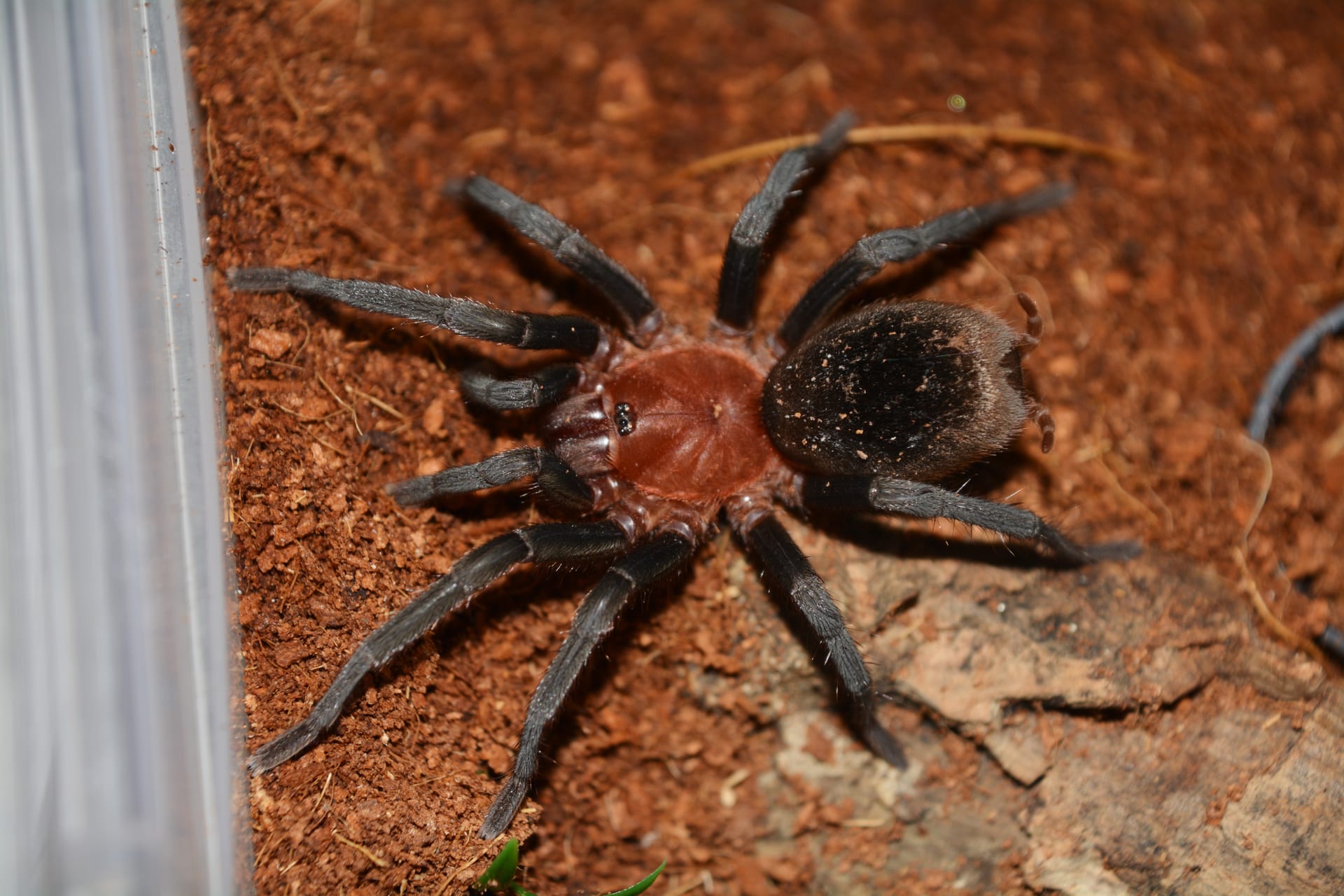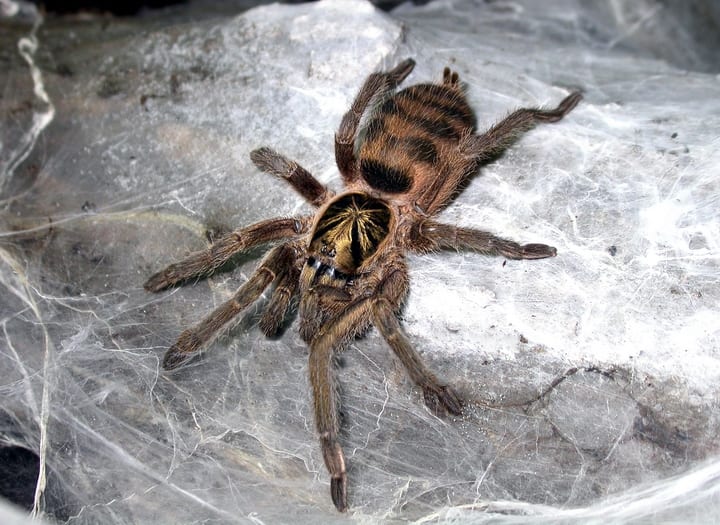
Source: Wikimedia Commons
Trinidad Olive
BeginnerNeoholothele incei
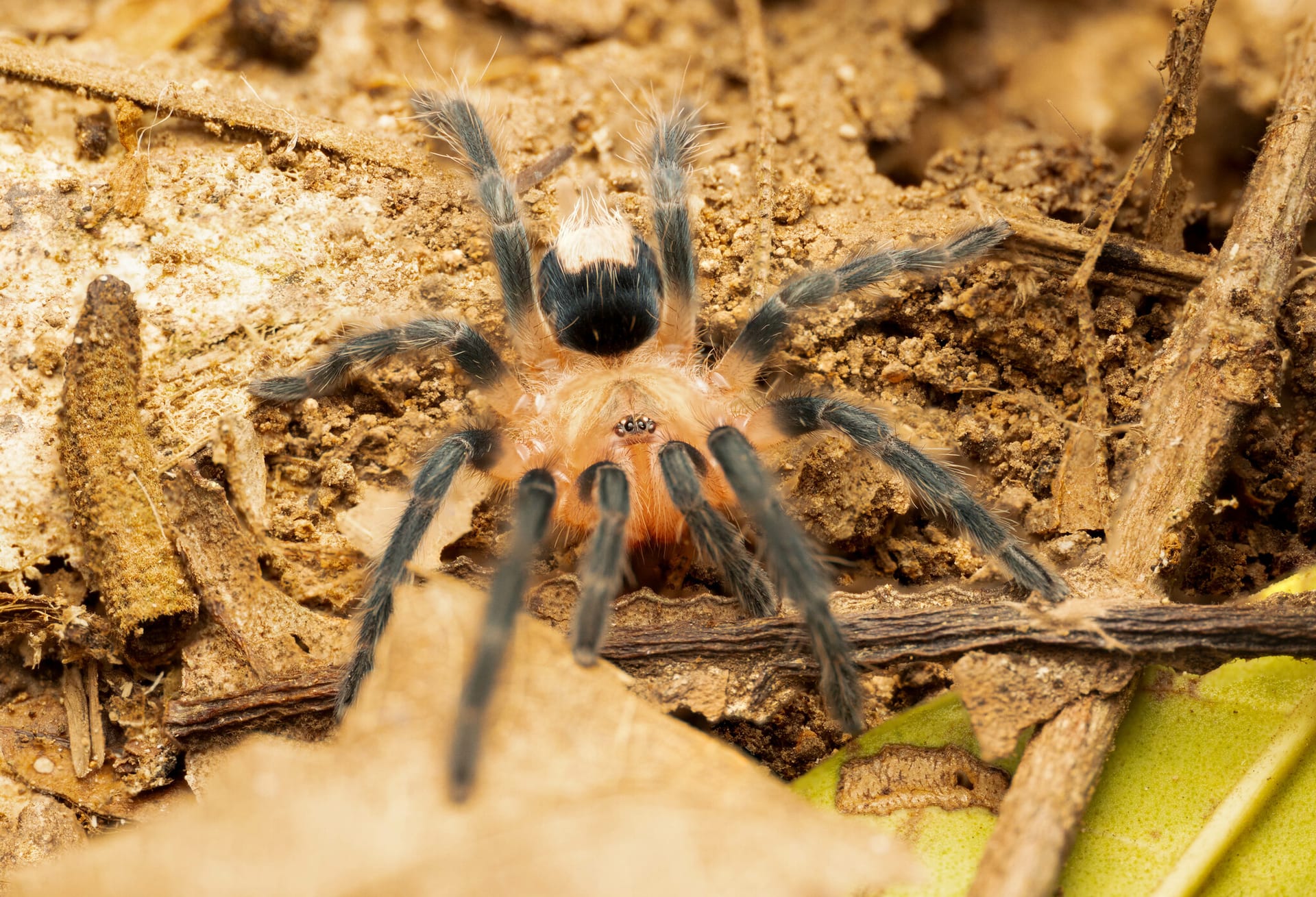
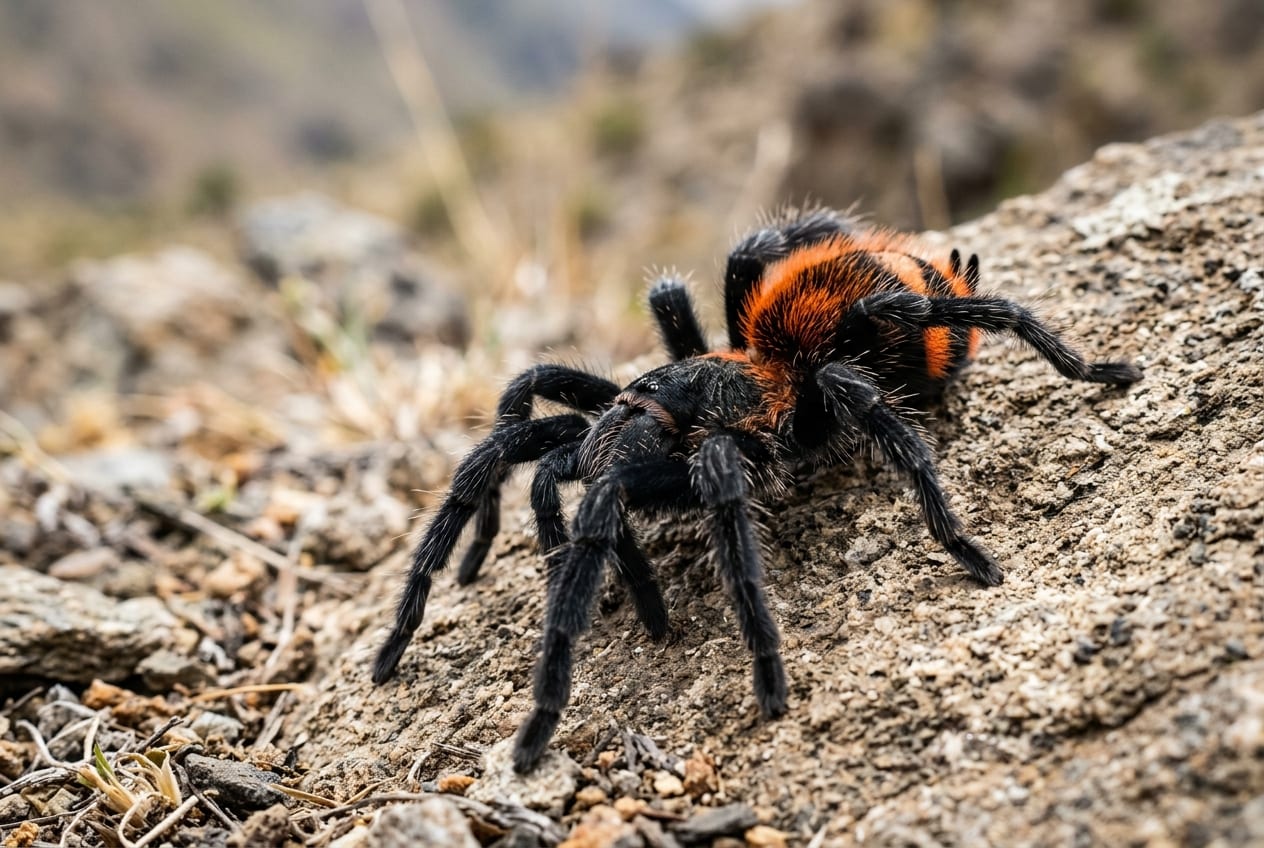
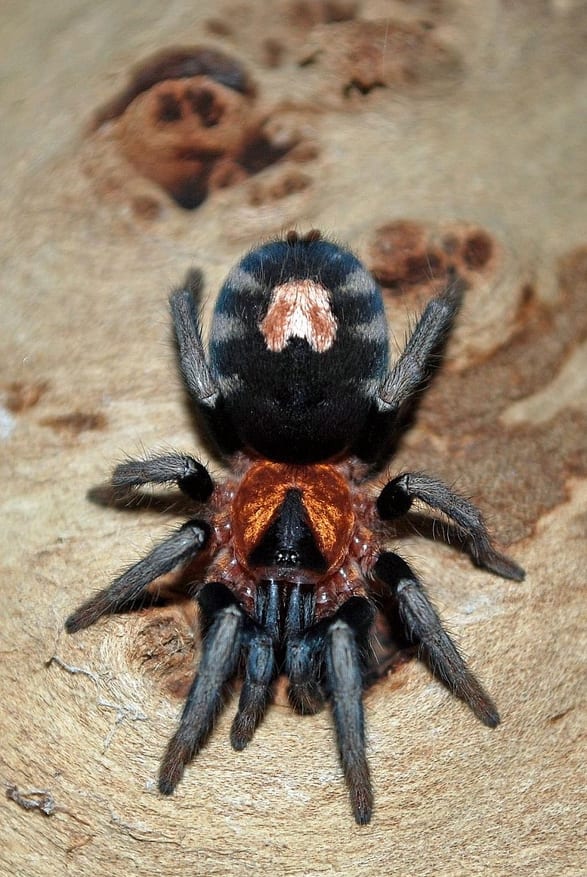
A dwarf species from Trinidad with a golden carapace and a striped abdomen, reaching 5-8cm in leg span. It is fossorial and a heavy webber, and is unusual among tarantulas in that groups can be kept together.
Difficulty
Beginner
Temperature
22〜26℃
Lifespan
Females up to about 7 years, males about 2 years
Size
5-8cm leg span
Humidity
70〜80%
Diet
Live insects such as small crickets and roaches
About
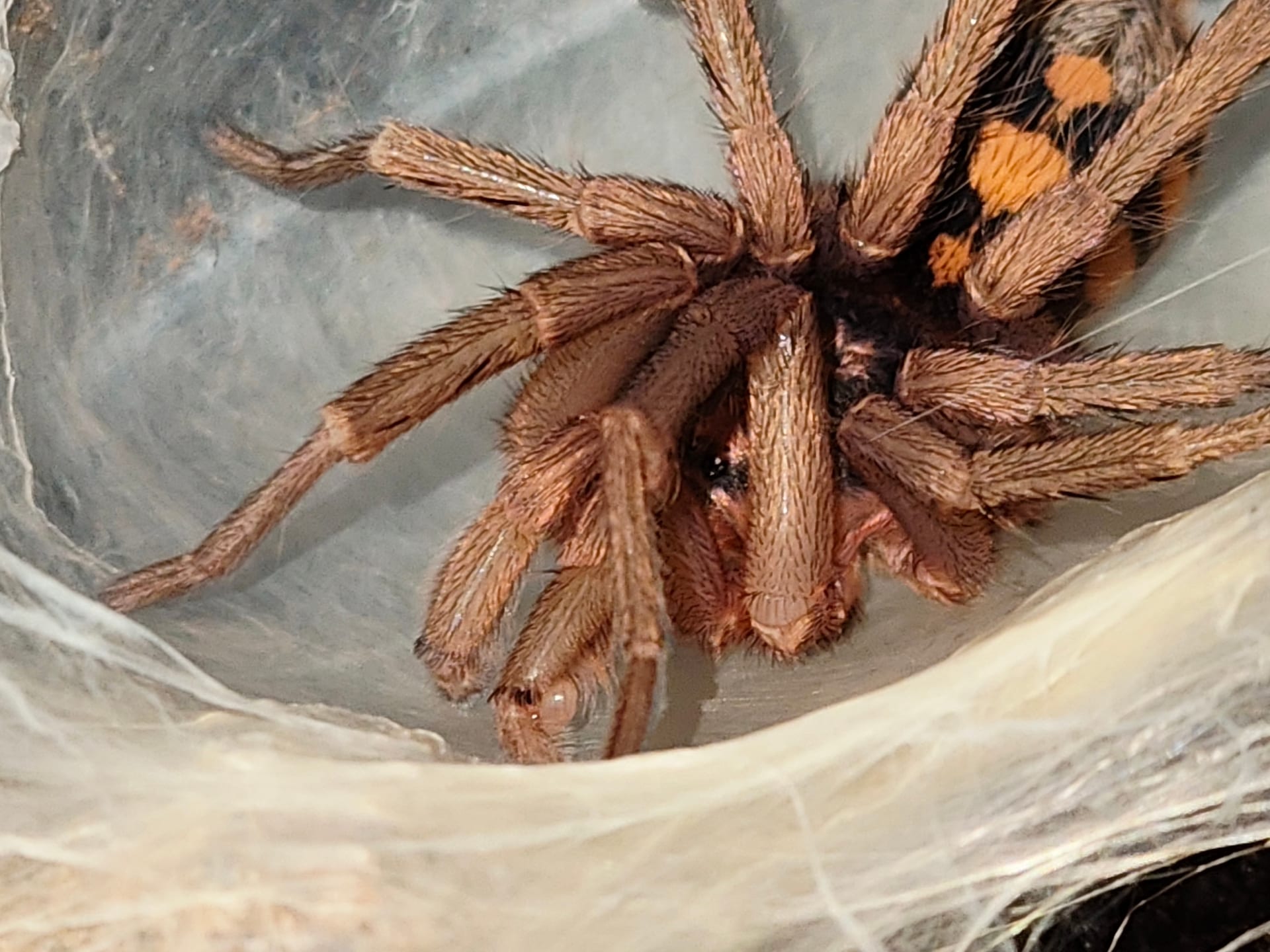
Neoholothele incei is a small tarantula from Trinidad and Venezuela, with an adult leg span of 5-8 cm. It has a golden carapace and a striped abdomen, and a more intensely golden form sold as the 'gold' line is also in the hobby. Fossorial by nature, it digs a burrow and spreads thick webbing around it, producing an attractive structure to look at. It is easy to keep and to breed and has become a standard introduction to dwarf species. Exceptionally for a tarantula it has been observed living communally in the wild, and in captivity cannibalism is rare except during extreme hunger, so many keepers maintain several animals in one enclosure. The risk of cannibalism does not disappear, however, and careful feeding is the precondition. Its venom is regarded as mild, though no research confirms this. It is fast, so guard against escapes when opening the enclosure.
Source: Wikipedia (CC BY-SA 4.0)
Lifespan of the Trinidad Olive
The Trinidad Olive lives Females up to about 7 years, males about 2 years.
Size of the Trinidad Olive
The Trinidad Olive grows to 5-8cm leg span.
Temperature & humidity for the Trinidad Olive
The ideal temperature for the Trinidad Olive is 22〜26℃. Ideal humidity is 70〜80%.
Basic Info
Origin
Trinidad and Venezuela
Lifespan
Females up to about 7 years, males about 2 years
Care Specifications
PeacefulSolitaryBreeding: Easy
Sources: The Spider Shop: Neoholothele incei / Tom's Big Spiders: Neoholothele incei (gold) Communal / Wikipedia: Neoholothele incei / Tarantupedia: Neoholothele incei / GBIF
References & Sources
Edited & verified by: BreederDirect editorial team
The taxonomic, regulatory, and husbandry data on this page are compiled and verified against the authoritative primary sources below.
Taxonomy & Authority
Accepted name: Neoholothele incei (F. O. Pickard-Cambridge, 1899)
Synonyms: Hapalopus incei, Holothele incei, Neoholothele vellardi
Authority databases: GBIF
Nomenclature follows global taxonomic authority databases.
Regulations & Conservation Status
Not CITES-listed
Sources: CITES Appendices (species not listed)
Regulations may change. Always verify the latest information with the relevant authorities.
Trinidad Olive Listings
Loading latest listingsFind listings for this species