Source: Wikimedia Commons
Shadow flame pinktoe
IntermediateAvicularia merianae
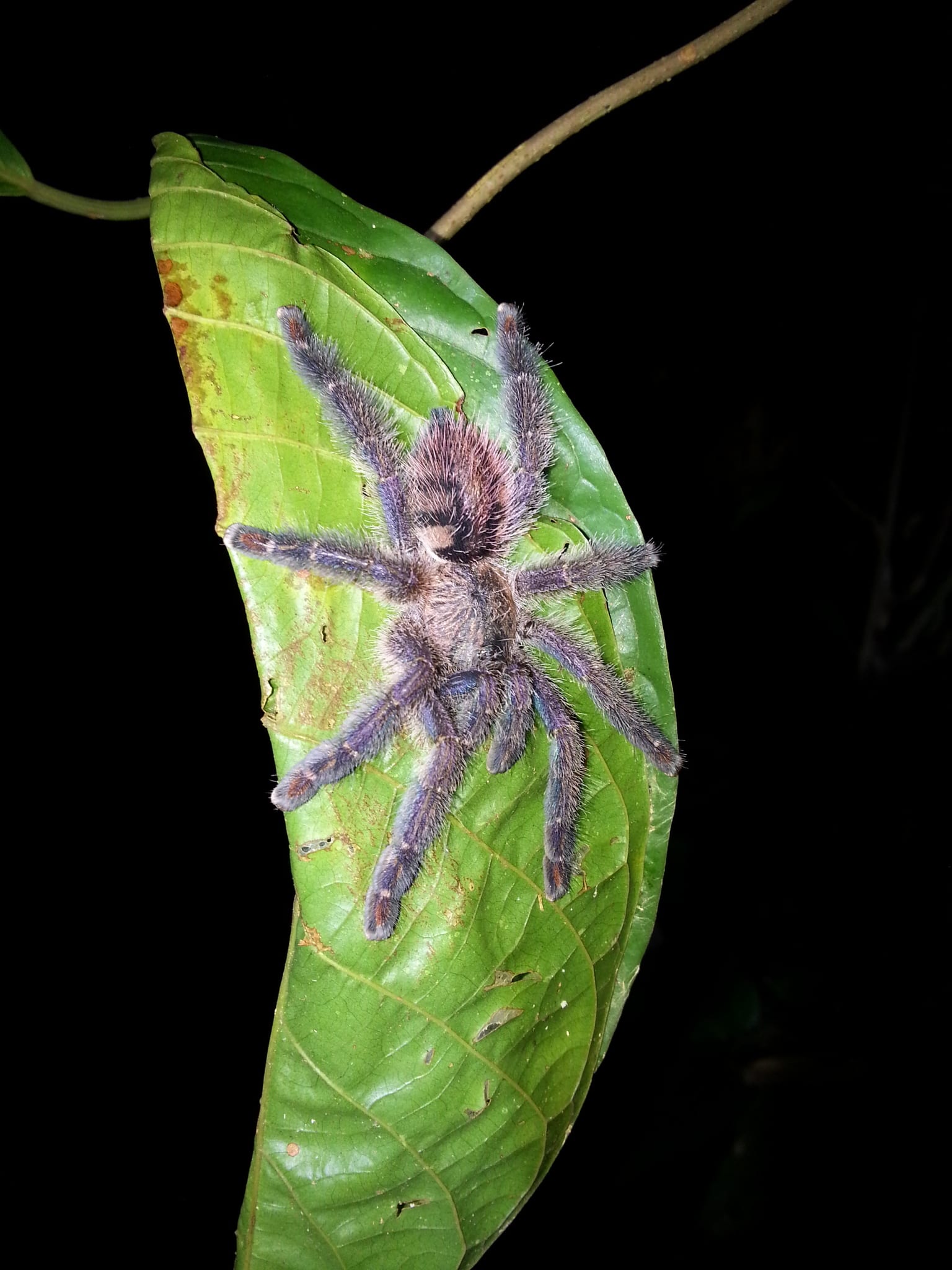
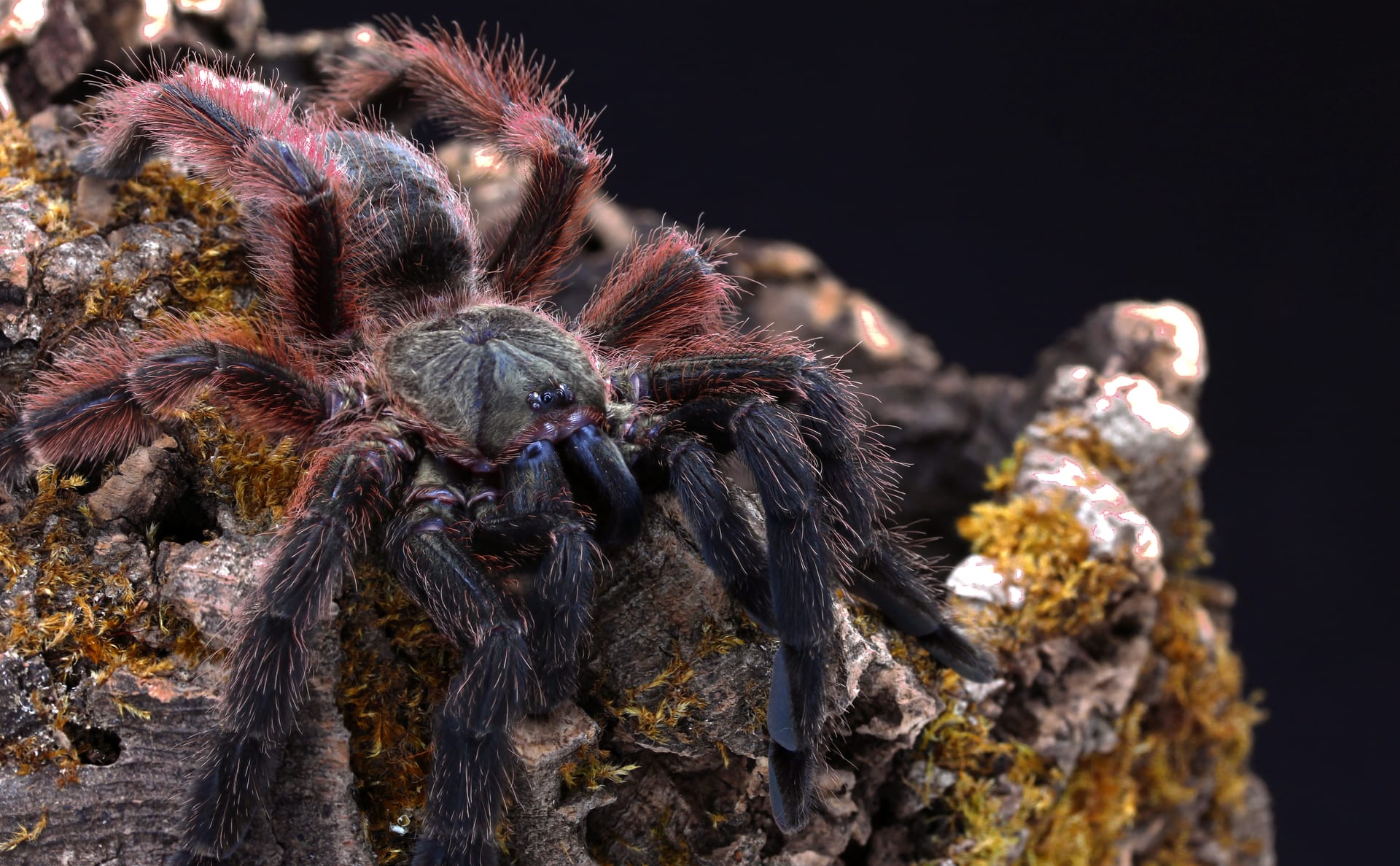
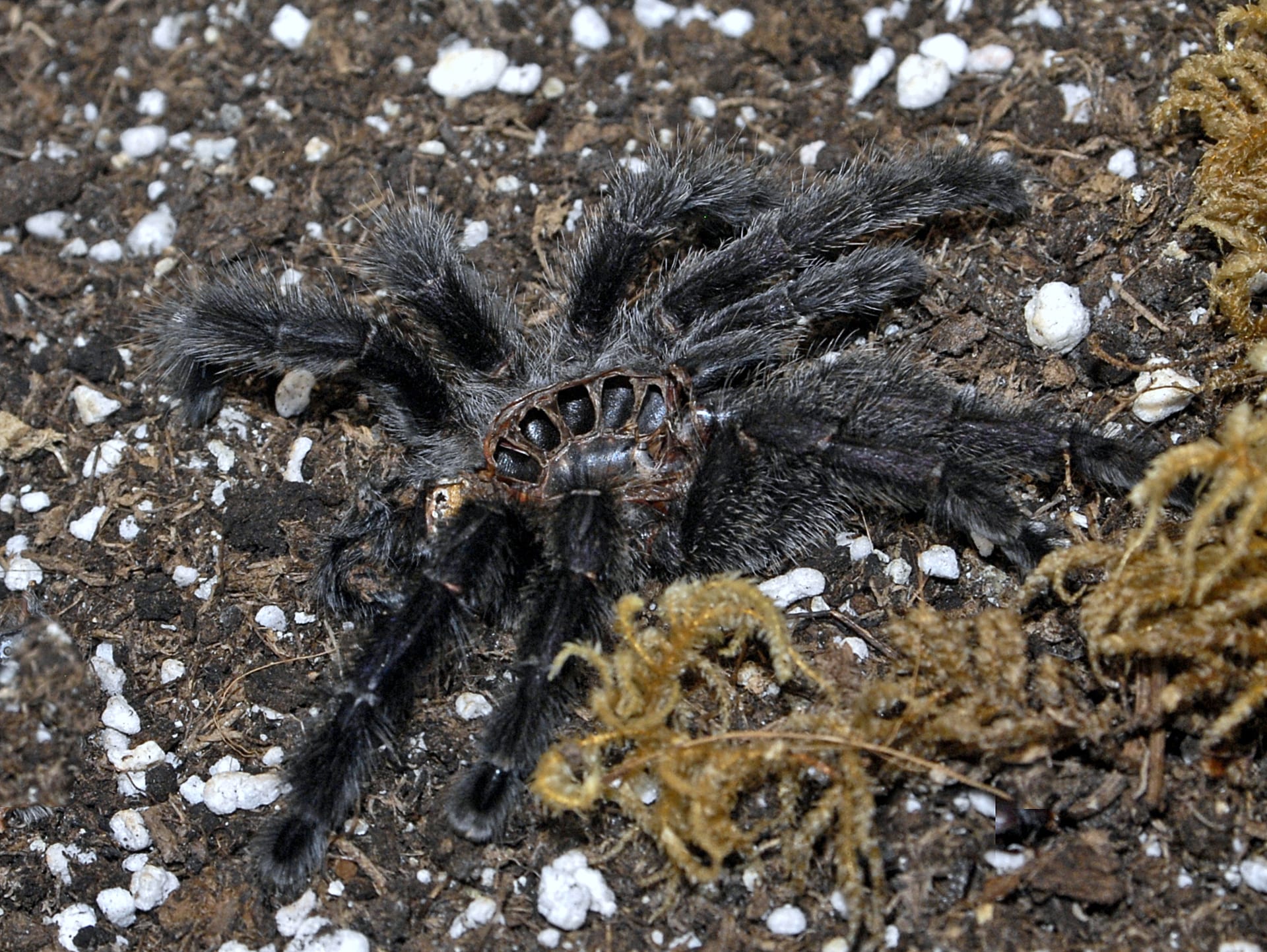
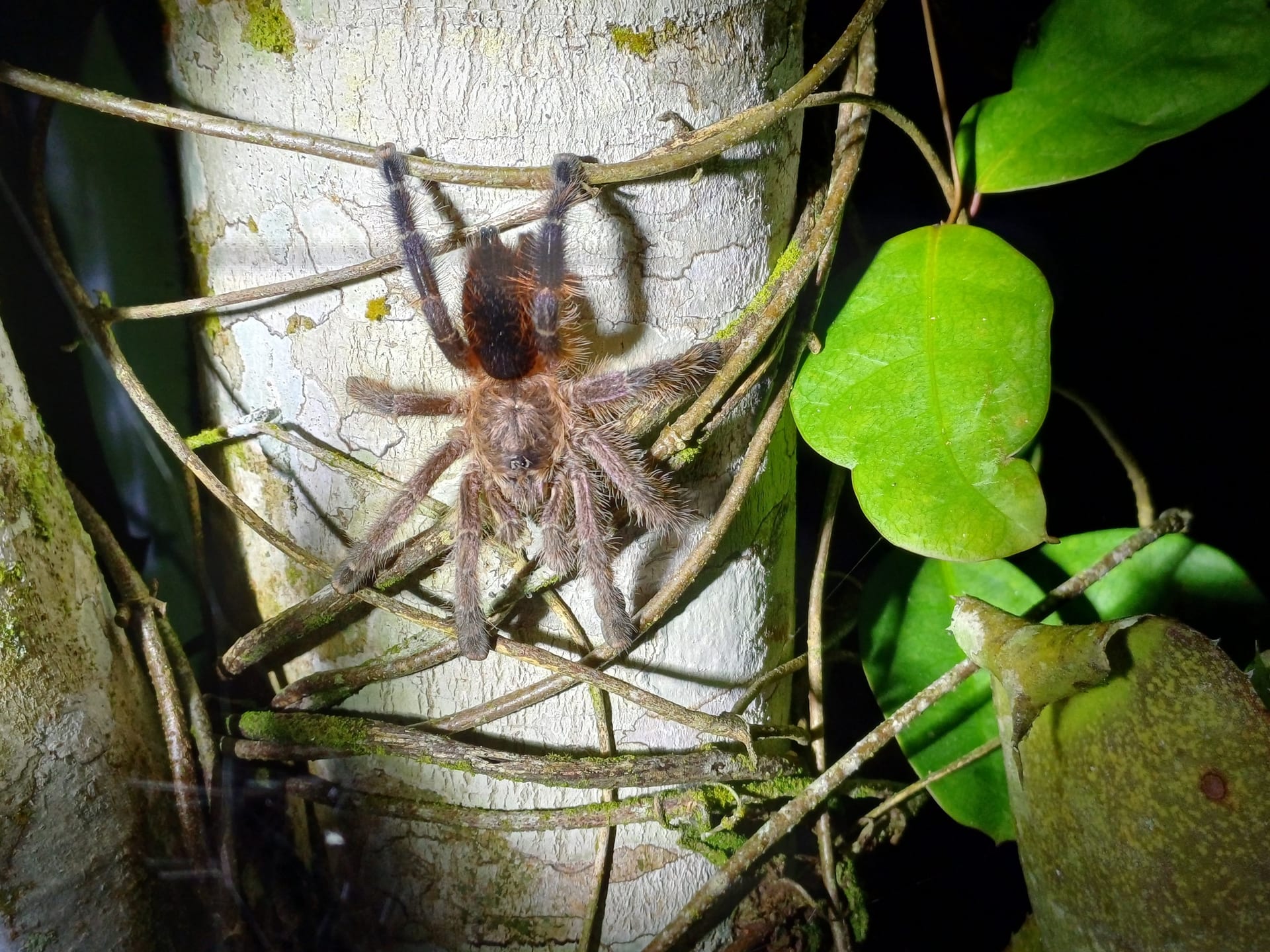
An arboreal Avicularia from San Martín, Peru, described in the 2017 revision of the genus. The trade name Tarapoto comes from a town in its main recorded range.
Difficulty
Intermediate
Lifespan
Little data
Size
Little data
Diet
Carnivorous (live insects such as crickets and roaches)
About
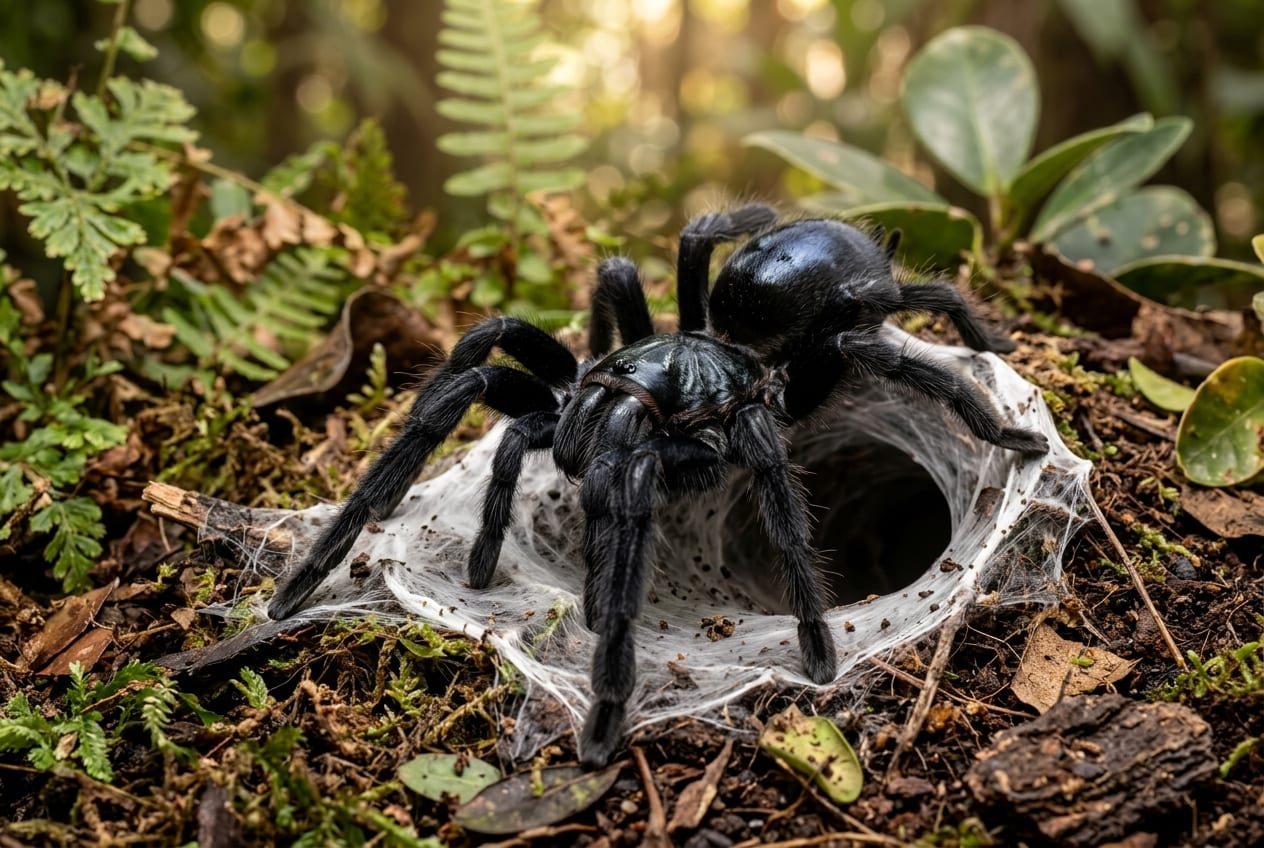
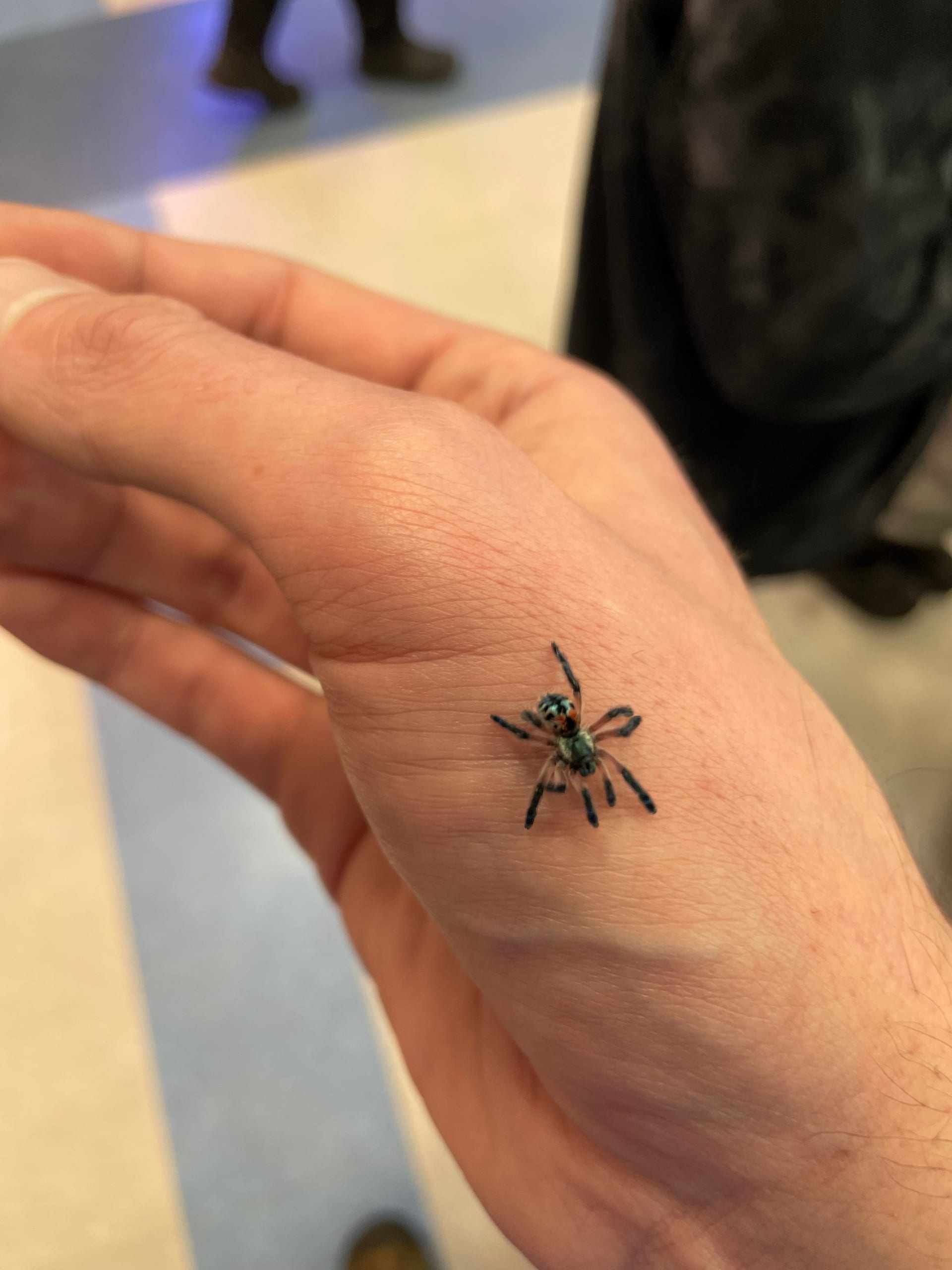
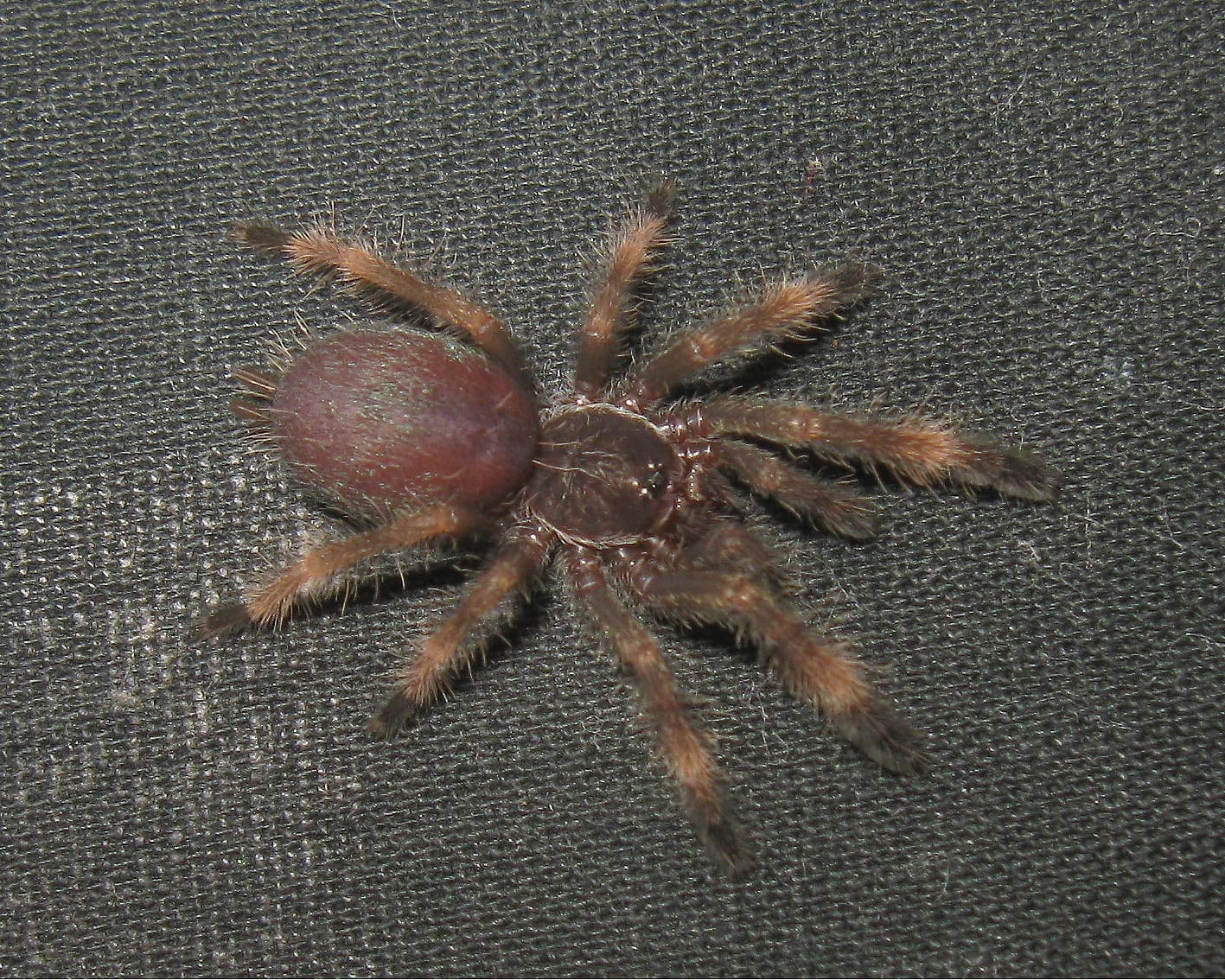
Avicularia merianae Fukushima & Bertani, 2017, also called the shadow flame pinktoe, is an arboreal tarantula described in a major 2017 revision of Avicularia and related genera. It is named after the naturalist-painter Maria Sibylla Merian, known for her work on tarantulas (Wikipedia). It is endemic to Peru; all GBIF records are from San Martín, where Tarapoto, the source of its trade name, is located, and the description includes photographs of its retreat in the wild. Avicularia long lumped many species, so trade names and scientific names were unstable, and different species still circulate under the same name after the revision. Care information for the genus notes that Avicularia rub rather than kick their type II urticating setae. It differs in colour from the four Avicularia already listed; captive-bred young, for example from Korea, are sold in Japan.
Source: Wikipedia (CC BY-SA 4.0)
Lifespan of the Shadow flame pinktoe
Primary sources giving its size or lifespan are scarce.
Basic Info
Origin
South America (San Martín, Peru)
Lifespan
Little data
Size
Little data
Diet
Carnivorous (live insects such as crickets and roaches)
Care Guide
References & Sources
Edited & verified by: BreederDirect editorial team
The taxonomic, regulatory, and husbandry data on this page are compiled and verified against the authoritative primary sources below.
Primary sources
- Wikipedia
- Species+ CITES query (not listed)
- Ministry of the Environment: list of regulated alien species, including taxa needing an identification certificate
- The Tarantula Collective: Avicularia avicularia care sheet
- Wikipedia: Tarantula (urticating setae and Old World venom)
- GBIF: Avicularia merianae Fukushima & Bertani, 2017
Taxonomy & Authority
Regulations & Conservation Status
Not CITES-listed
Not listed in the CITES Appendices (checked on Species+). Theraphosidae are neither designated invasive alien species nor taxa requiring an identification certificate on import in Japan (September 2026). Use a lockable enclosure to prevent escapes, and never release captive animals.
Sources: Species+ CITES query (not listed) / Ministry of the Environment: list of regulated alien species, including taxa needing an identification certificate
Regulations may change. Always verify the latest information with the relevant authorities.
Shadow flame pinktoe Listings
Loading latest listingsFind listings for this species