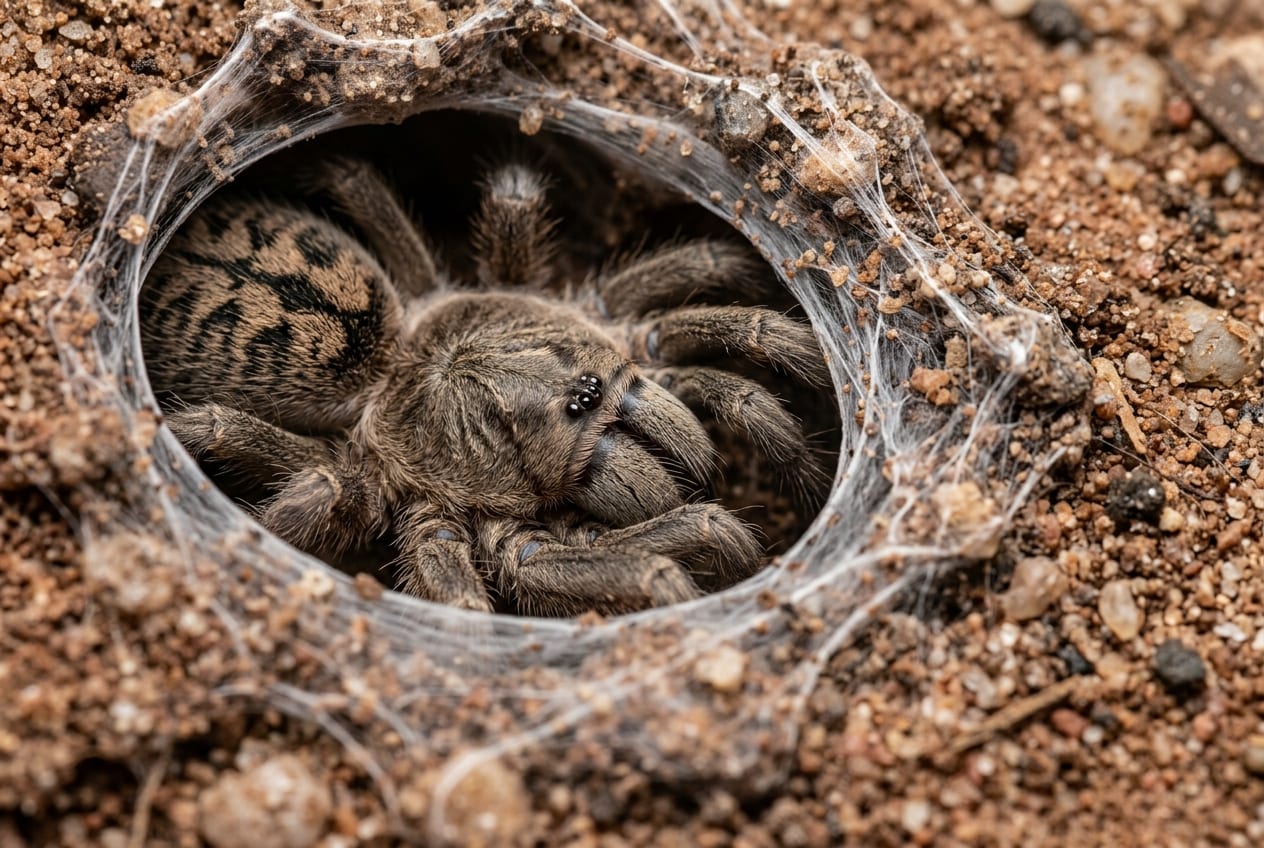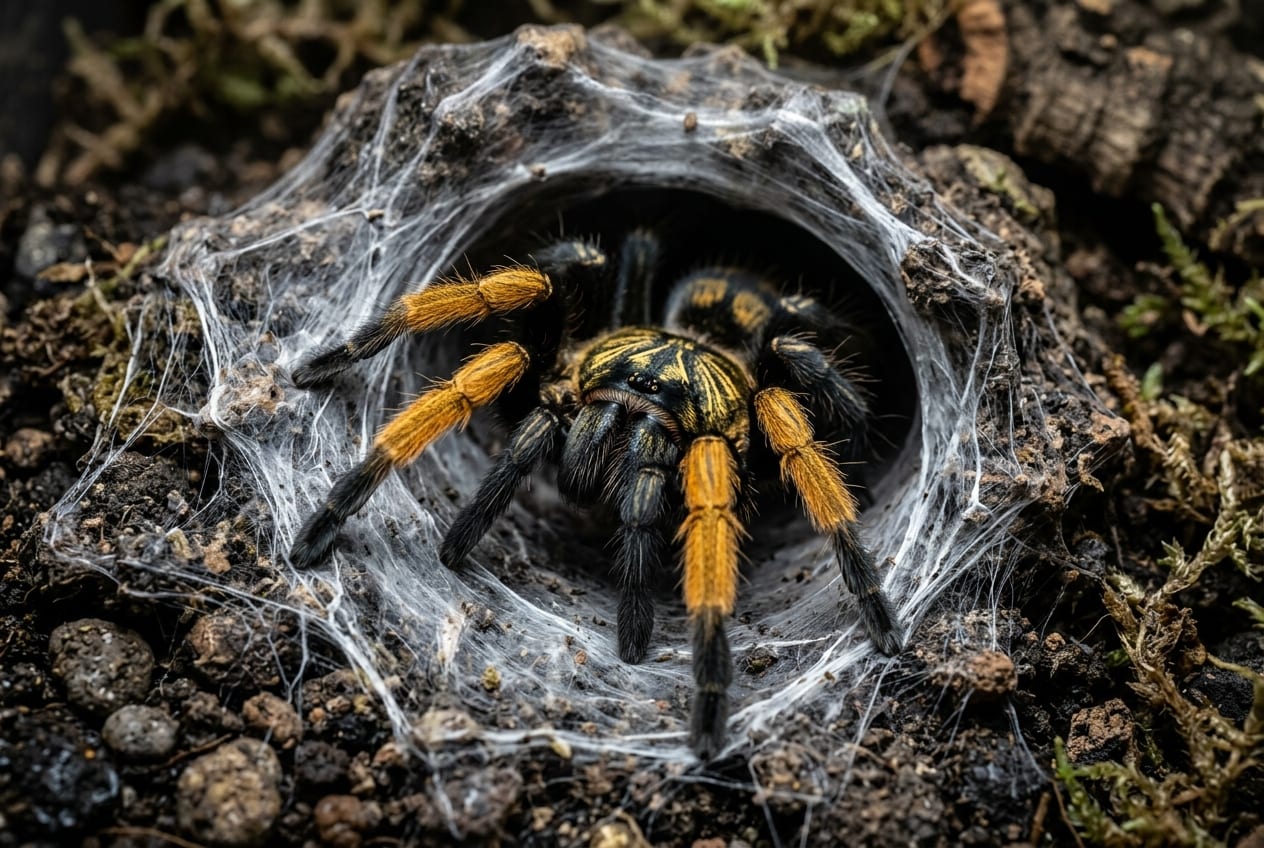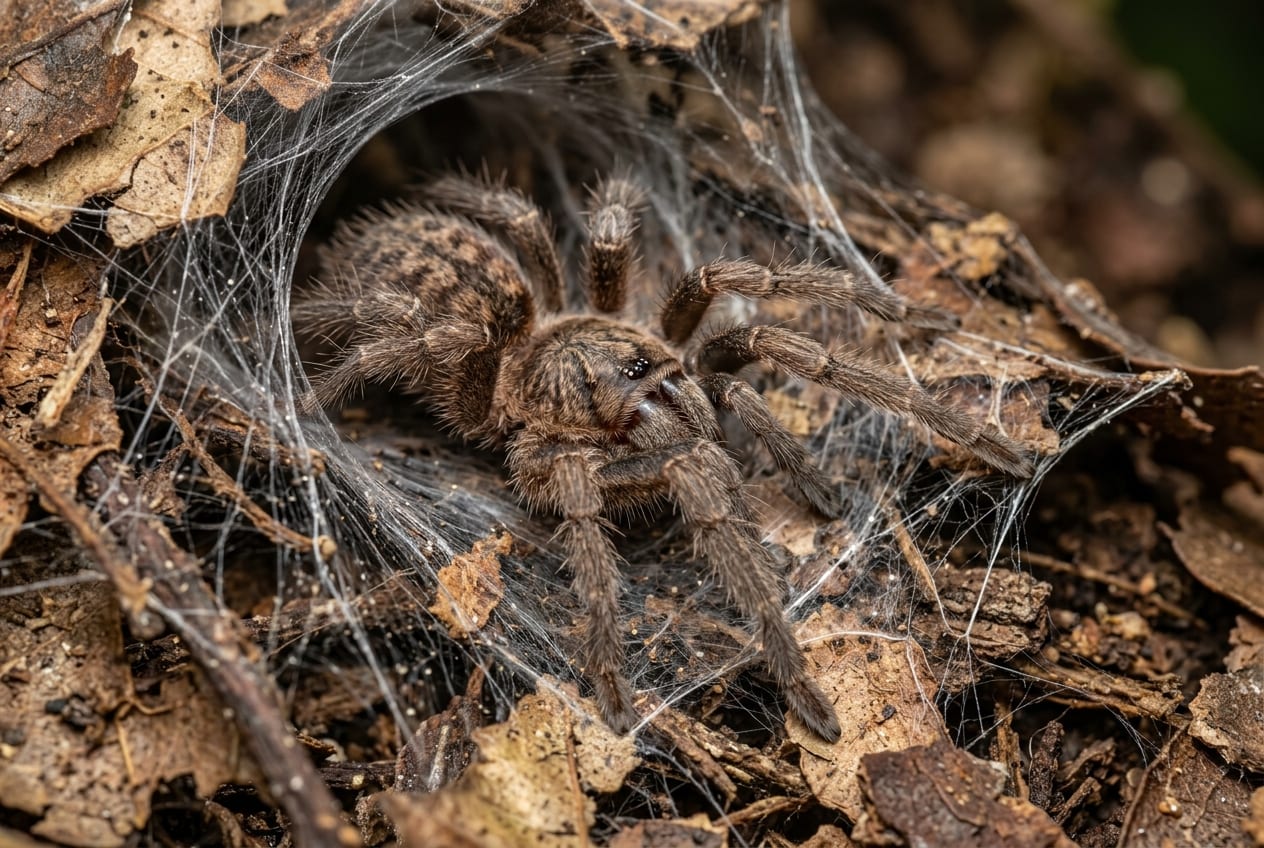
AI-generated image
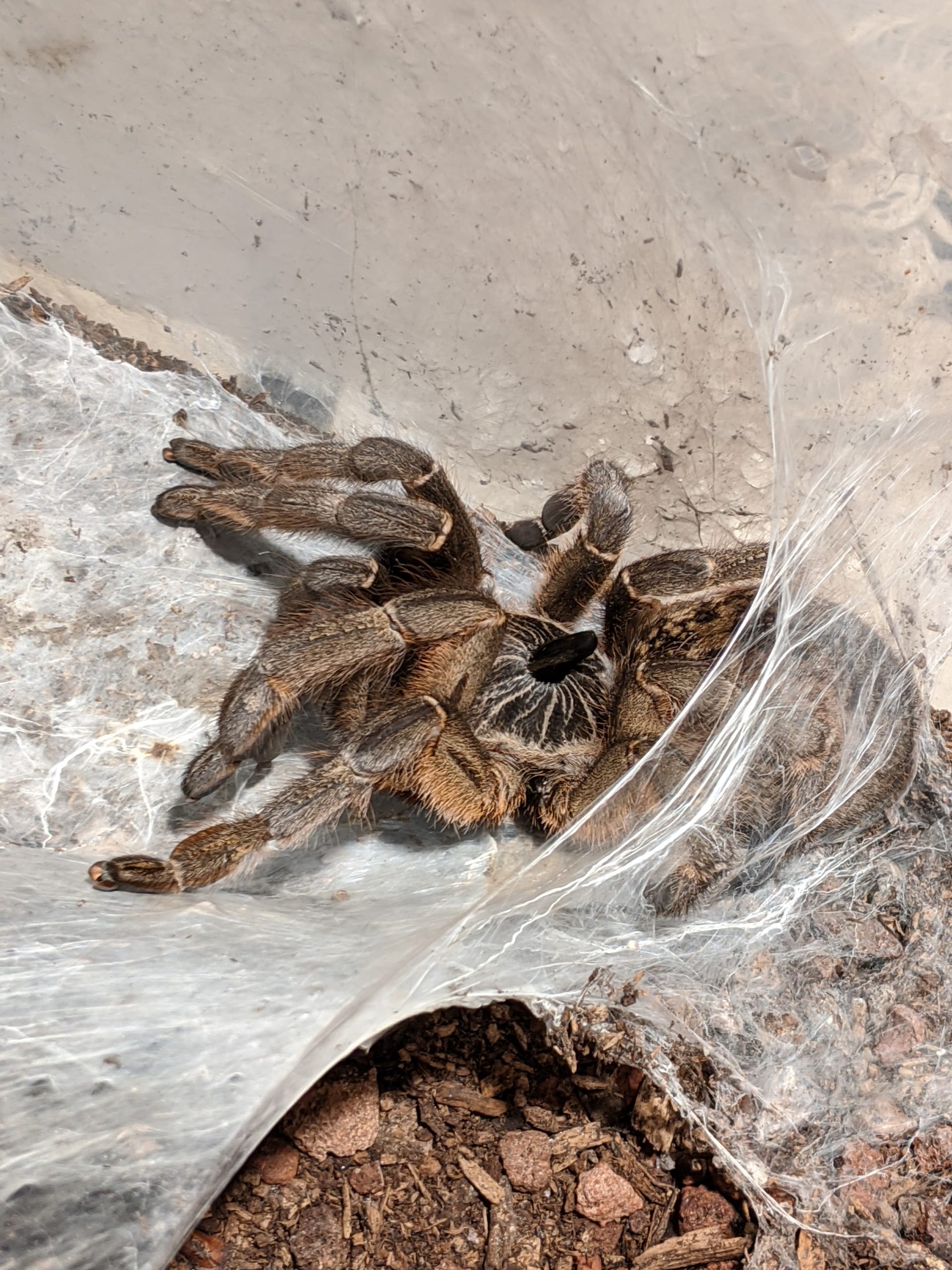
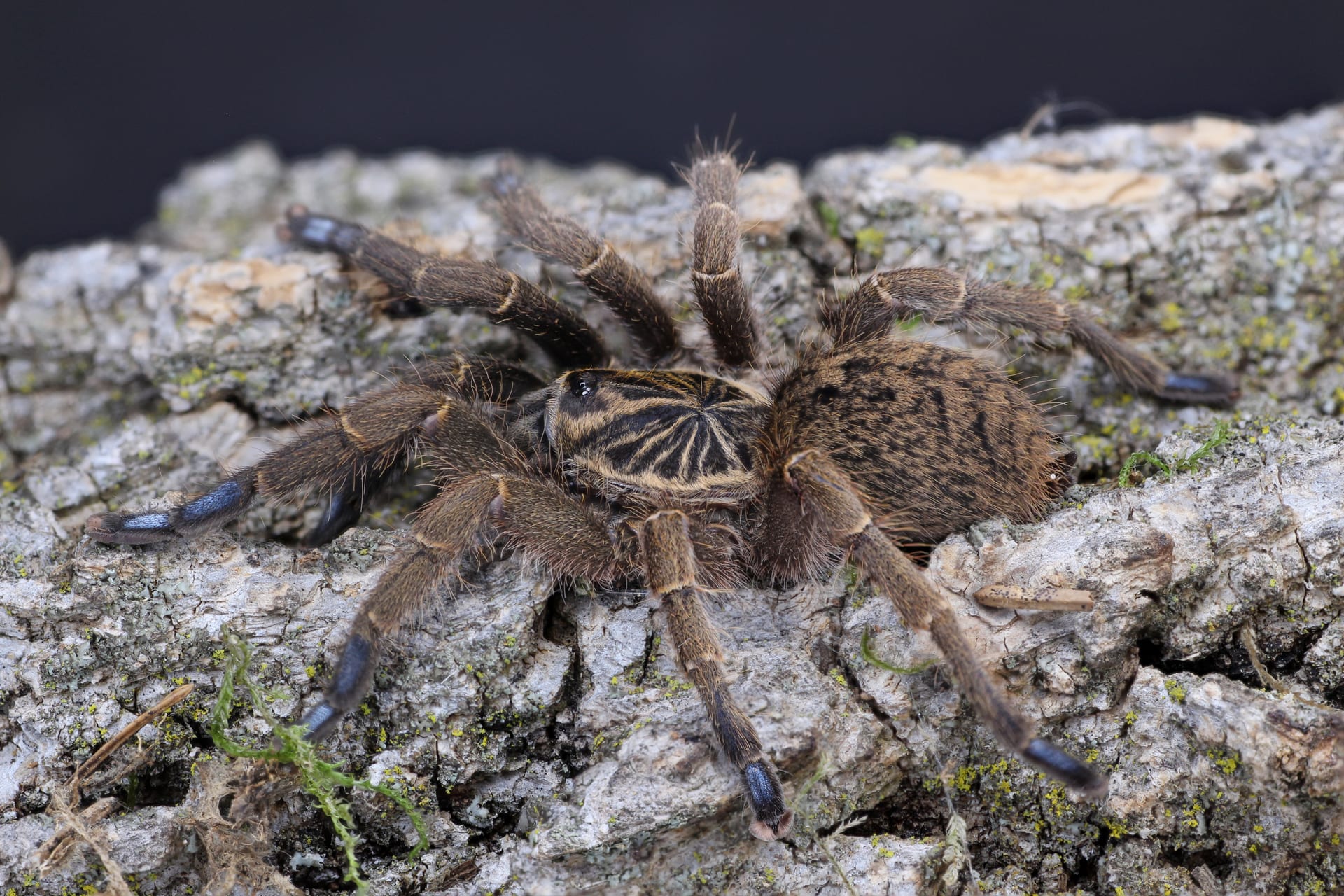
Tanzanian Chestnut Baboon
BeginnerHeterothele villosella
A dwarf tarantula from Tanzania with a leg span of around 6cm. It is very fast but has no urticating hairs, and specialist dealers rate it in the easiest suitability band among Old World species.
Difficulty
Beginner
Temperature
24〜28℃
Lifespan
Females 6-8 years / males 2-3 years
Size
Leg span about 6cm
Humidity
50〜60%
Diet
Small crickets, fruit flies and similar prey
About
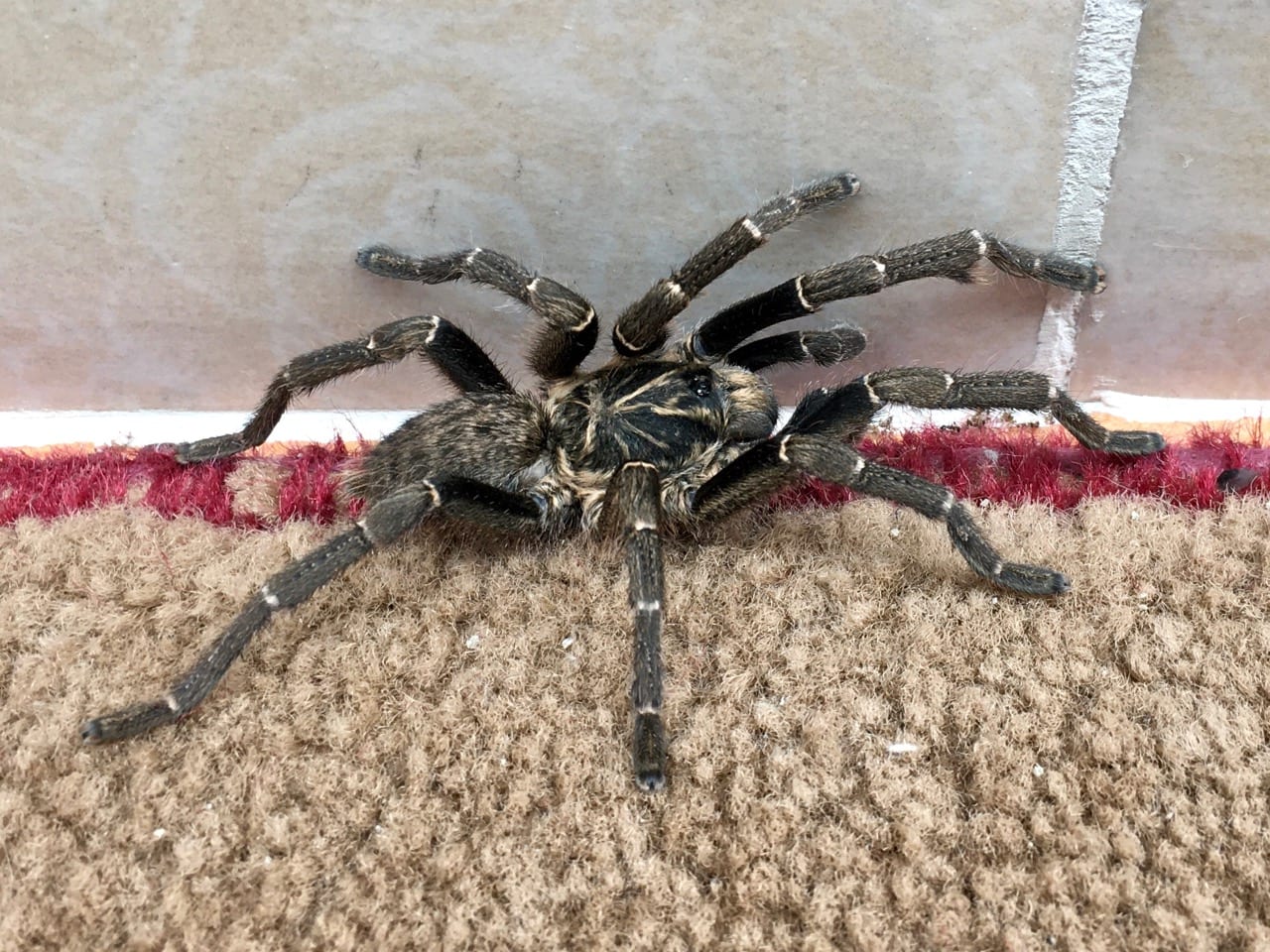
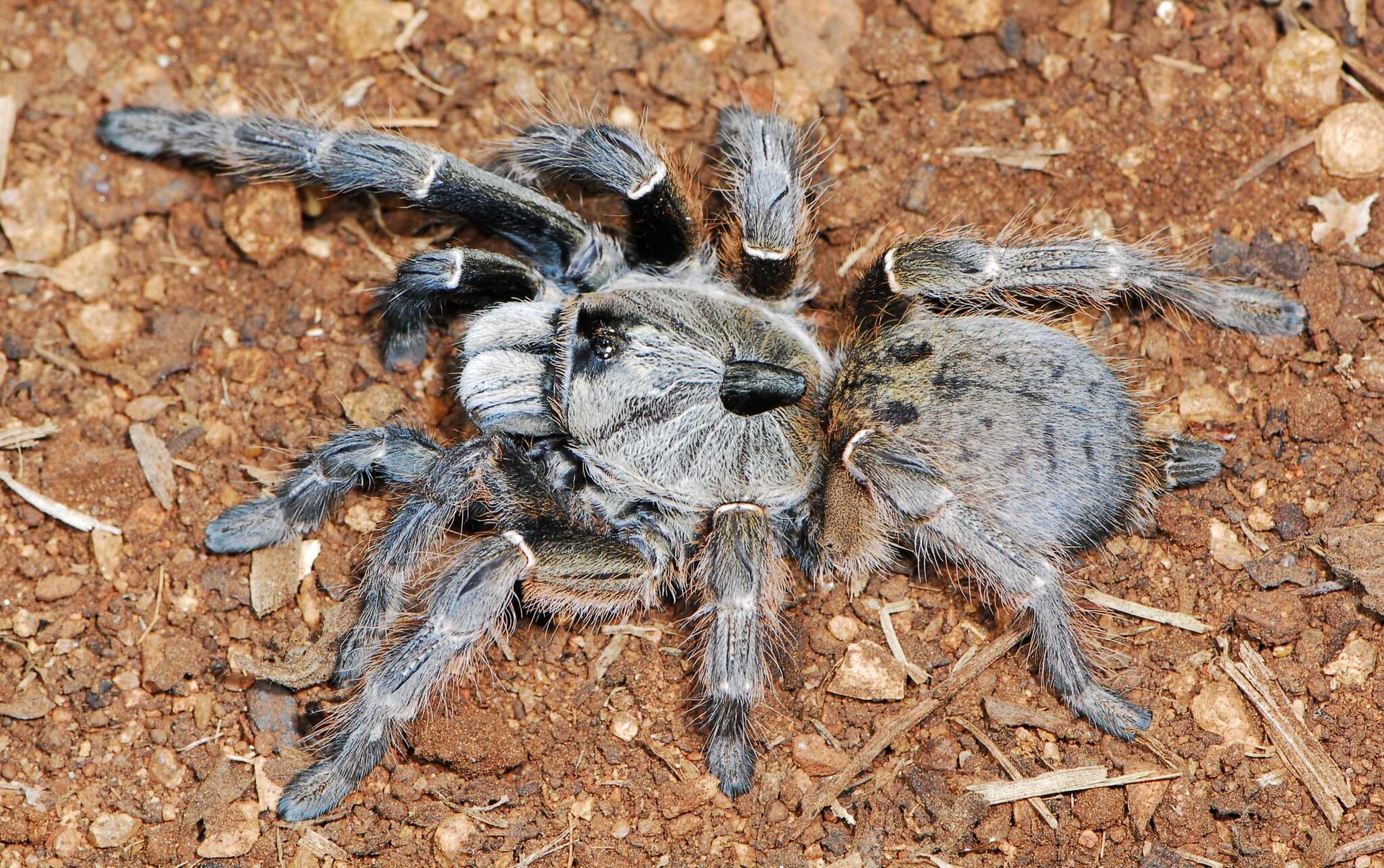
Heterothele villosella was described by Strand in 1907 with its type locality at Amani in Tanzania. The genus Heterothele comprises small species in the subfamily Ischnocolinae, and this one is a dwarf that reaches only about 6cm in leg span as an adult. Its muted chestnut to brown colouring gives it its common name. Little is published about the species beyond its original description, and specimen records are limited to a handful from Tanzania. In captivity it is treated as fossorial and kept on diggable substrate with a hide. Its speed is the main thing to watch, but specialist dealers place it in the easiest suitability band and it is often introduced as a starter Old World species. Being a dwarf it needs only small prey, and small crickets or fruit flies suffice even for adults. It has no urticating hairs.
Lifespan of the Tanzanian Chestnut Baboon
The Tanzanian Chestnut Baboon lives Females 6-8 years / males 2-3 years.
Size of the Tanzanian Chestnut Baboon
The Tanzanian Chestnut Baboon grows to Leg span about 6cm.
Temperature & humidity for the Tanzanian Chestnut Baboon
The ideal temperature for the Tanzanian Chestnut Baboon is 24〜28℃. Ideal humidity is 50〜60%.
Basic Info
Origin
Tanzania (type locality Amani)
Lifespan
Females 6-8 years / males 2-3 years
Size
Leg span about 6cm
Care Specifications
PeacefulSolitary
Sources: The Spider Shop: Heterothele villosella / Tarantupedia: Heterothele villosella / GBIF
References & Sources
Edited & verified by: BreederDirect editorial team
The taxonomic, regulatory, and husbandry data on this page are compiled and verified against the authoritative primary sources below.
Taxonomy & Authority
Accepted name: Heterothele villosella Strand, 1907
Authority databases: GBIF
Nomenclature follows global taxonomic authority databases.
Regulations & Conservation Status
Not CITES-listed
Sources: CITES Appendices (species not listed)
Regulations may change. Always verify the latest information with the relevant authorities.
Tanzanian Chestnut Baboon Listings
Loading latest listingsFind listings for this species