Source: Wikimedia Commons
Surinam cockroach
BeginnerPycnoscelus surinamensis
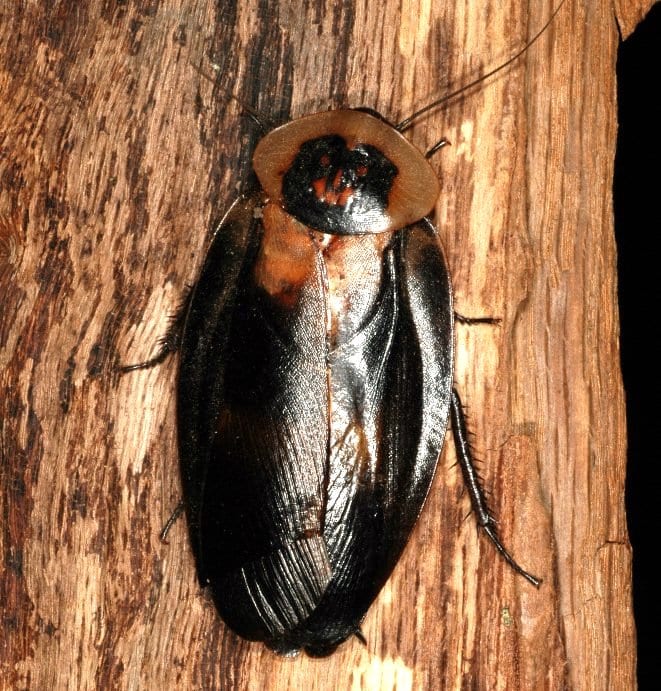
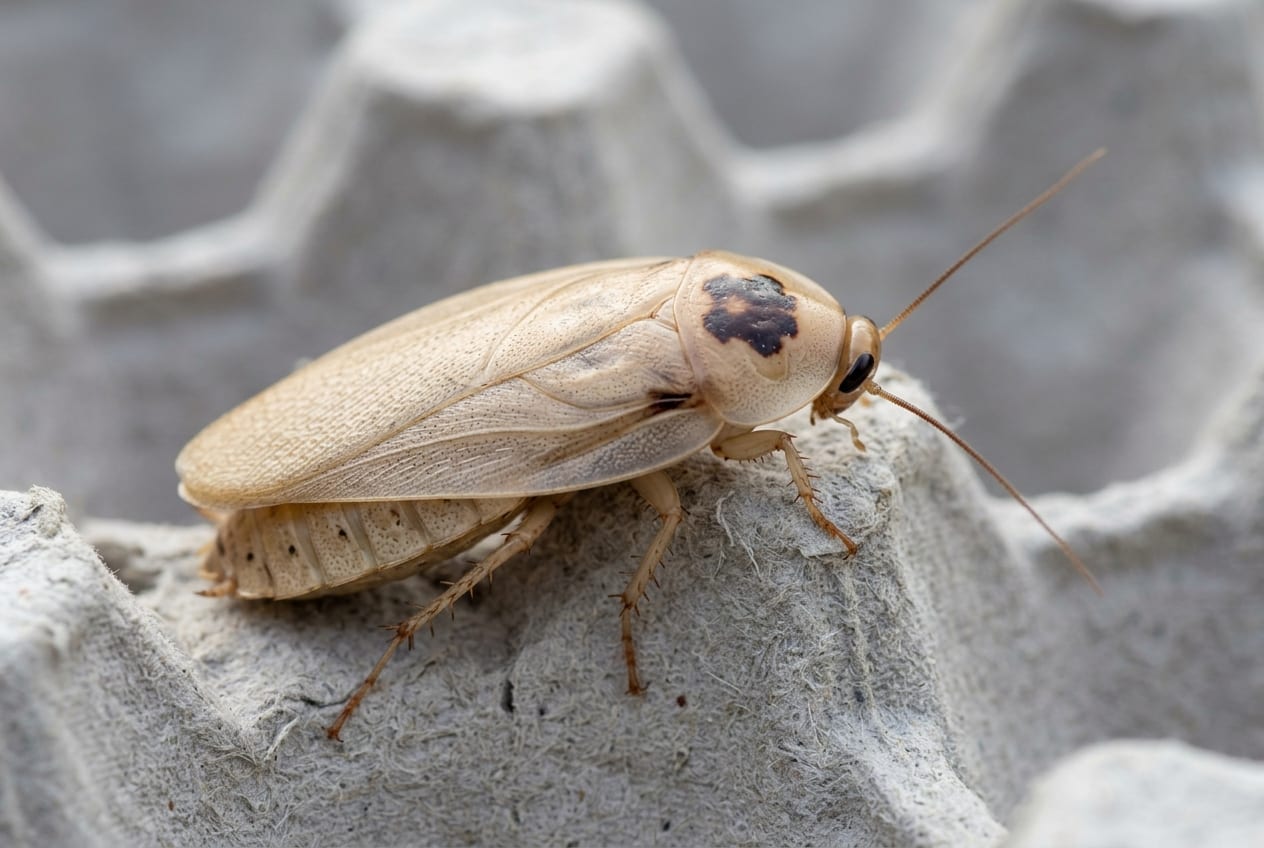
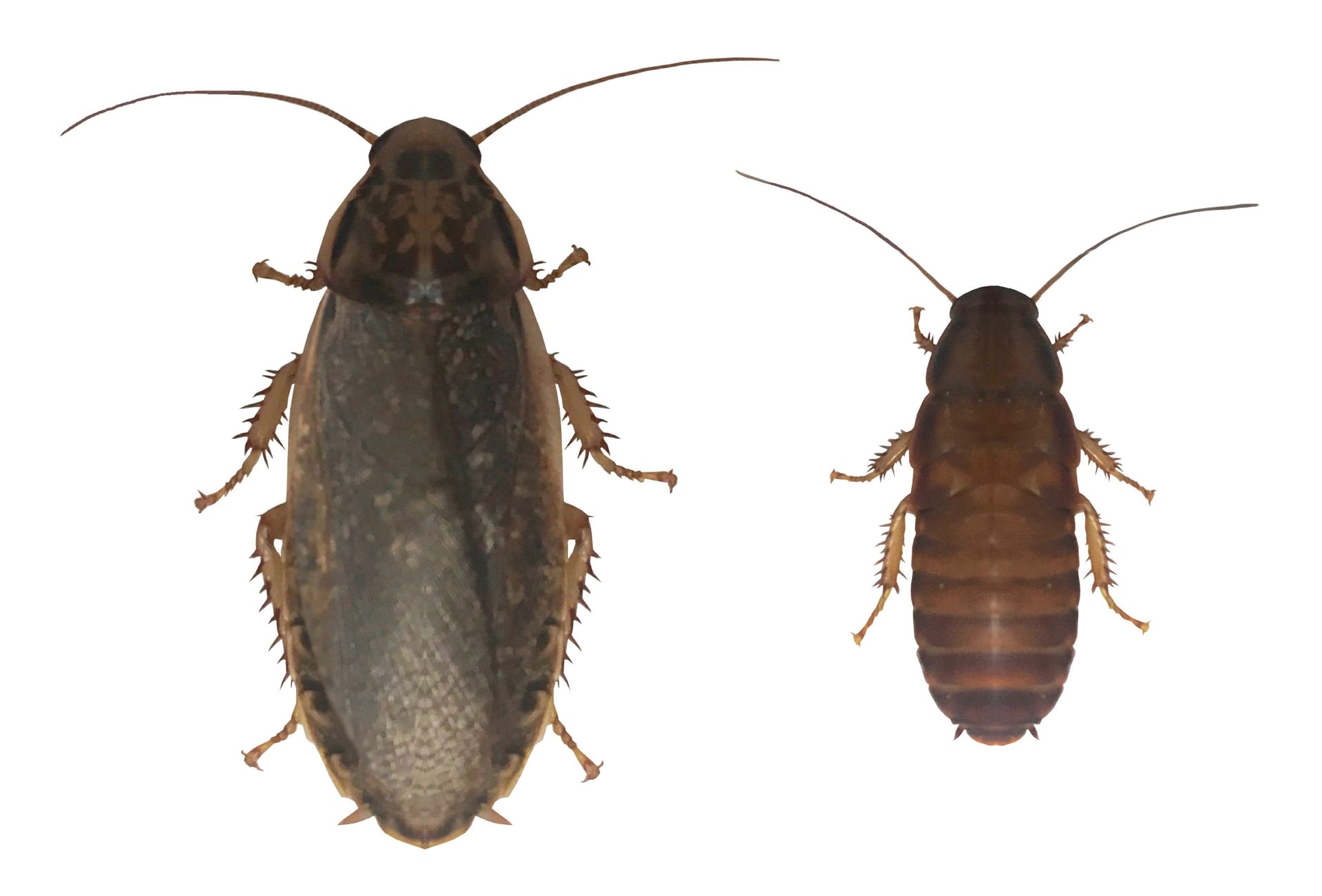
A small dark brown cockroach whose pronotum has a pale front border. Populations are almost entirely female and reproduce by parthenogenesis, living burrowed in moist soil.
Difficulty
Beginner
Lifespan
Little data
Size
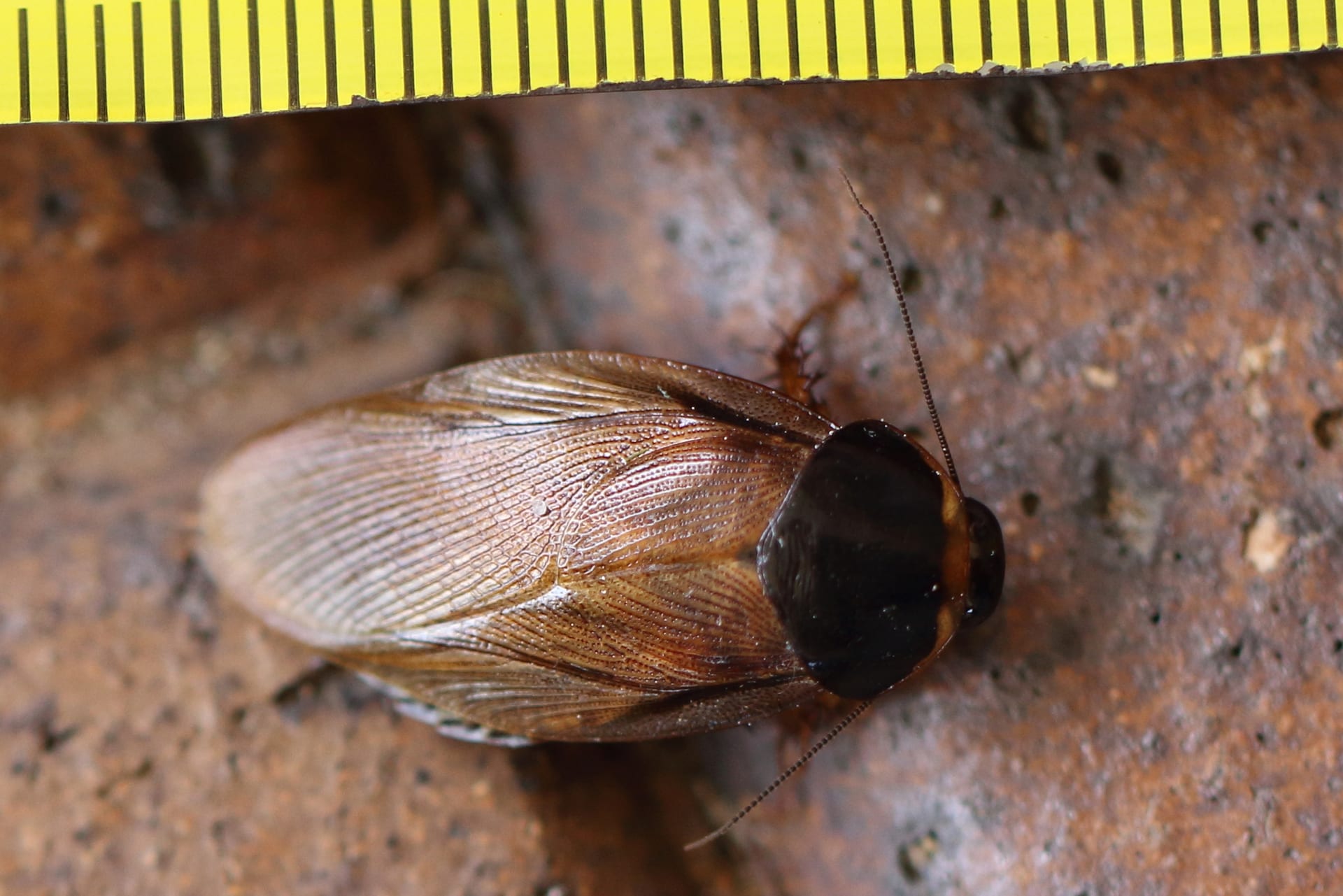
Body length 13-18 mm (Japanese sources); adults 18-25 mm (overseas sources)
Diet
Omnivorous (humus, plant matter, prepared insect food)
About
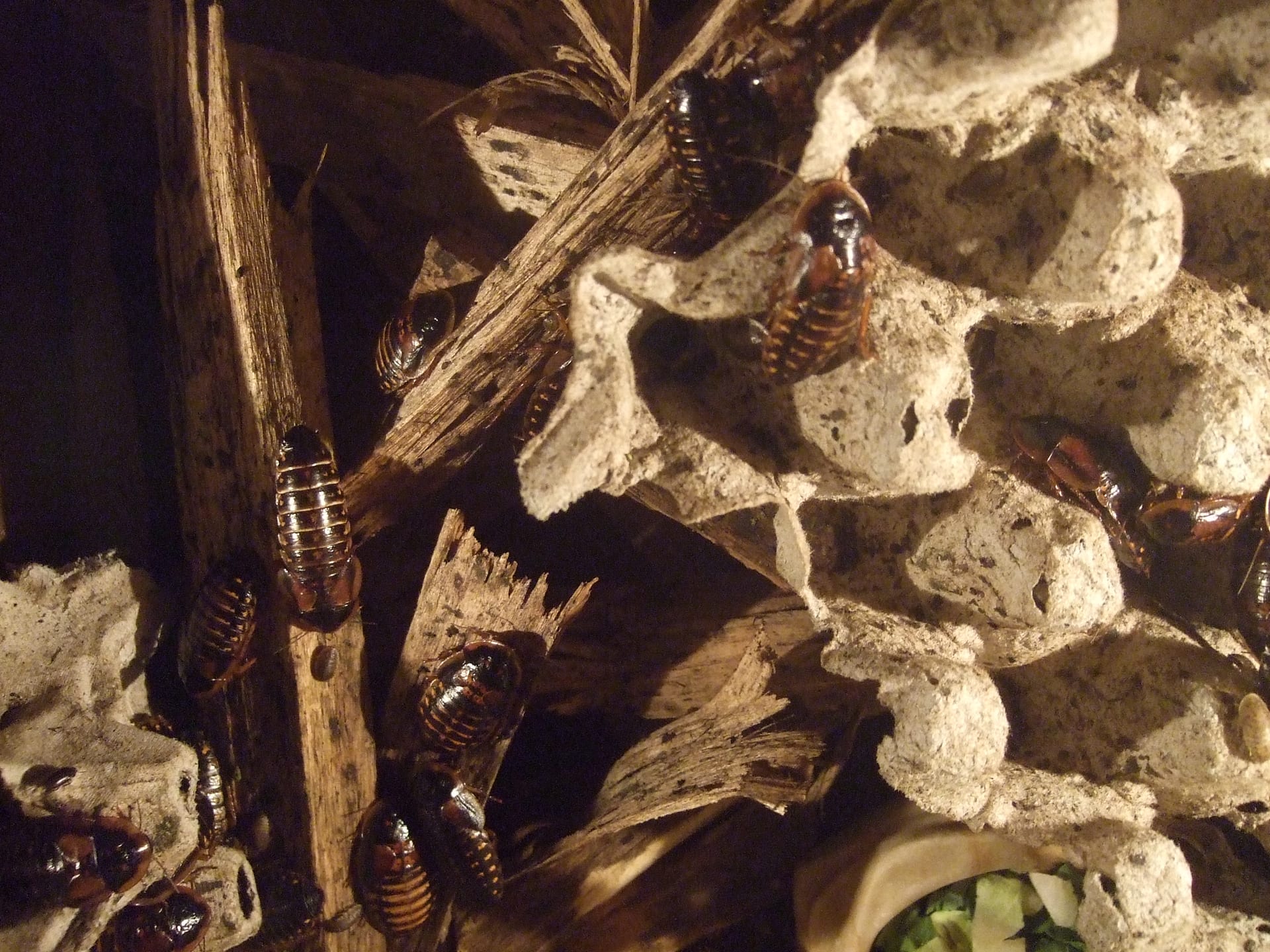
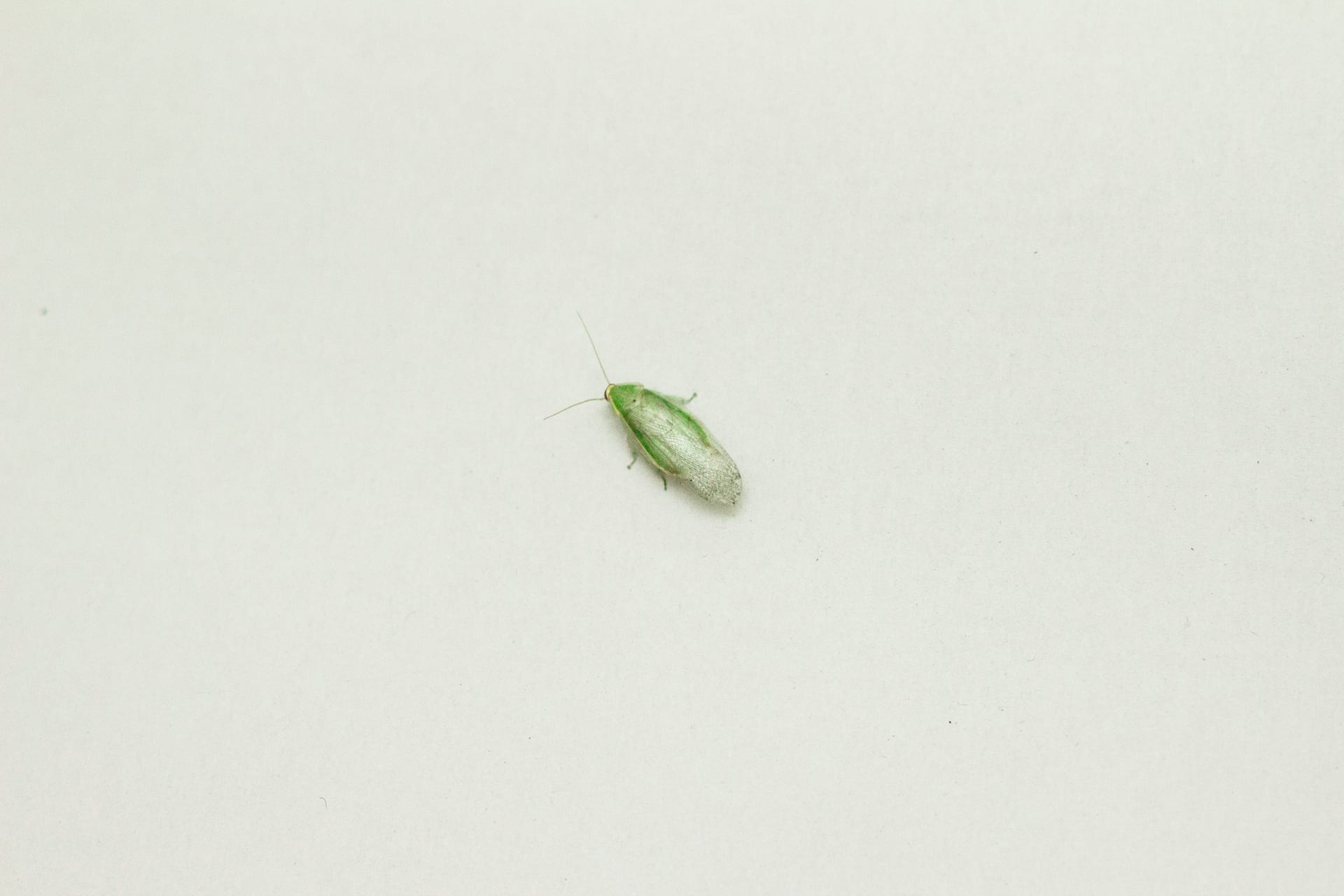
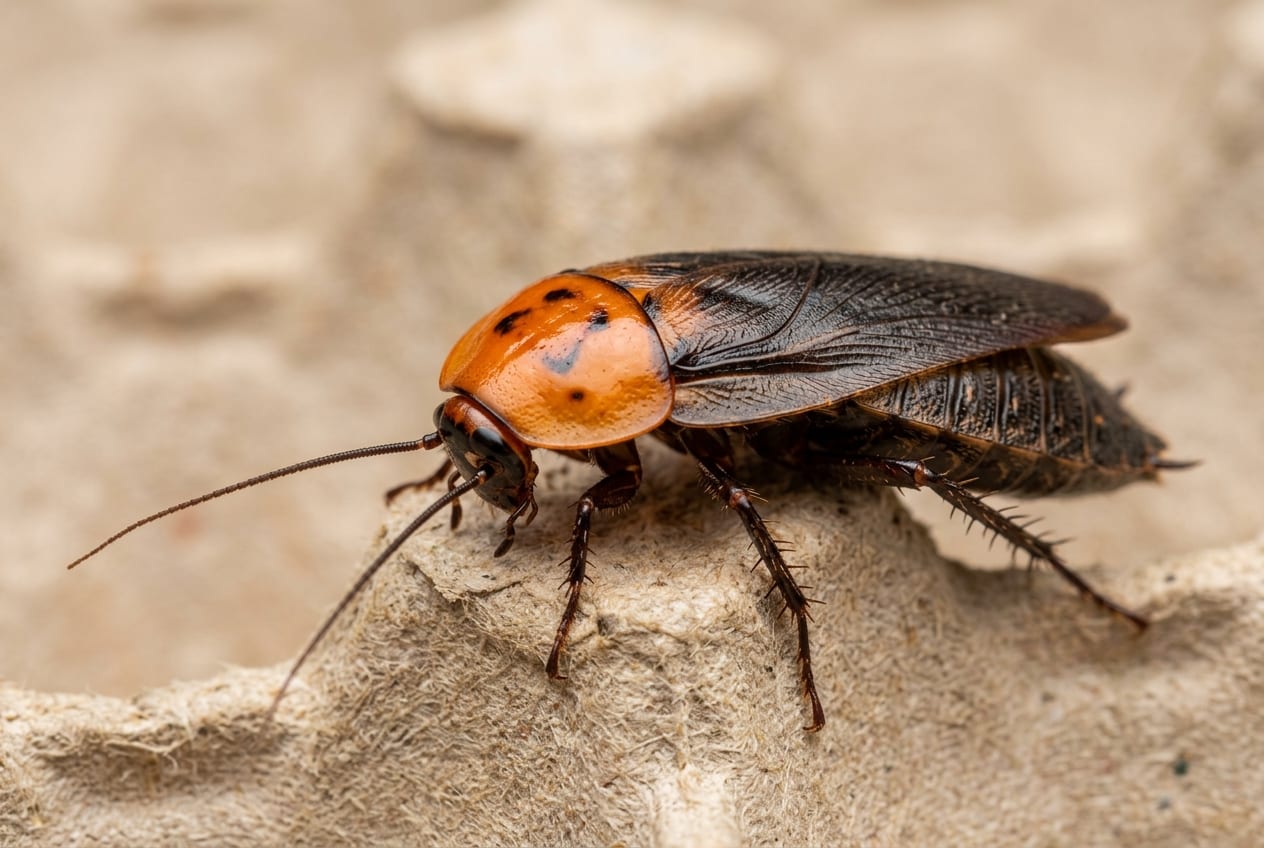
Pycnoscelus surinamensis (Linnaeus, 1758) is a burrowing cockroach of the family Blaberidae. It is thought to originate in the Indomalayan tropics and has spread around the world's tropics and subtropics, often carried in the soil of potted plants. In Japan it occurs in Kyushu (Oita Prefecture), the Nansei Islands, the Izu Islands and the Ogasawara Islands, where it is treated as an introduced species. The pronotum is glossy black with a pale front border and the wings are brown. Populations consist almost entirely of females, which produce female clones from unfertilised eggs by parthenogenesis. The ootheca is retained inside the body and live nymphs about 4.5 mm long are born. It burrows in loose soil, humus and compost and, because it loses water through its cuticle relatively quickly, is closely tied to moist soil. It is a plantation and garden pest in the tropics and gnaws the soft parts of plants in heated greenhouses. In Japan specialist shops sell it both as a feeder for small reptiles and amphibians and as a display species.
Source: Wikipedia (CC BY-SA 4.0)
Size of the Surinam cockroach
The Surinam cockroach grows to Body length 13-18 mm (Japanese sources); adults 18-25 mm (overseas sources).
Japanese sources give a body length of 13-18 mm, while overseas sources give 18-25 mm for adults.
Basic Info
Origin
Probably native to the Indomalayan tropics, now established across the tropics and subtropics (in Japan, Kyushu, the Nansei Islands, and the Izu and Ogasawara Islands)
Lifespan
Little data
Size
Body length 13-18 mm (Japanese sources); adults 18-25 mm (overseas sources)
References & Sources
Edited & verified by: BreederDirect editorial team
The taxonomic, regulatory, and husbandry data on this page are compiled and verified against the authoritative primary sources below.
Taxonomy & Authority
Regulations & Conservation Status
Not CITES-listed
It is not a designated invasive species, an uncategorised alien species or a taxon needing an identification certificate in Japan, and it is not listed by CITES (September 2026). It is treated as an introduced species in Japan and can be a greenhouse plant pest. A single insect can start a colony, so never put animals or used substrate outdoors and never release them.
Sources: Ministry of the Environment: List of regulated alien species, including taxa needing an identification certificate (JA) / Species+ CITES query (not listed)
Regulations may change. Always verify the latest information with the relevant authorities.
Surinam cockroach Listings
Loading latest listingsFind listings for this species