Source: Wikimedia Commons
Death's Head Cockroach
BeginnerBlaberus craniifer
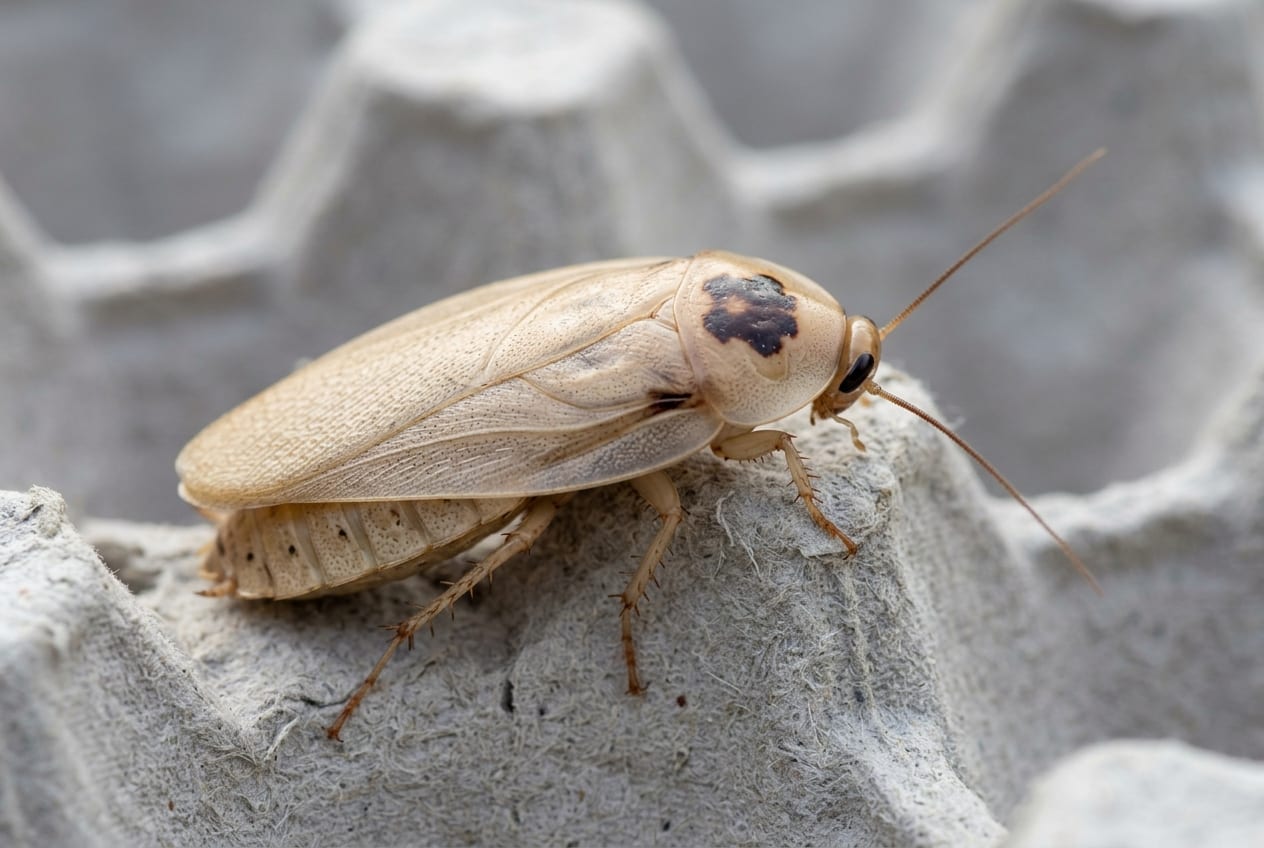
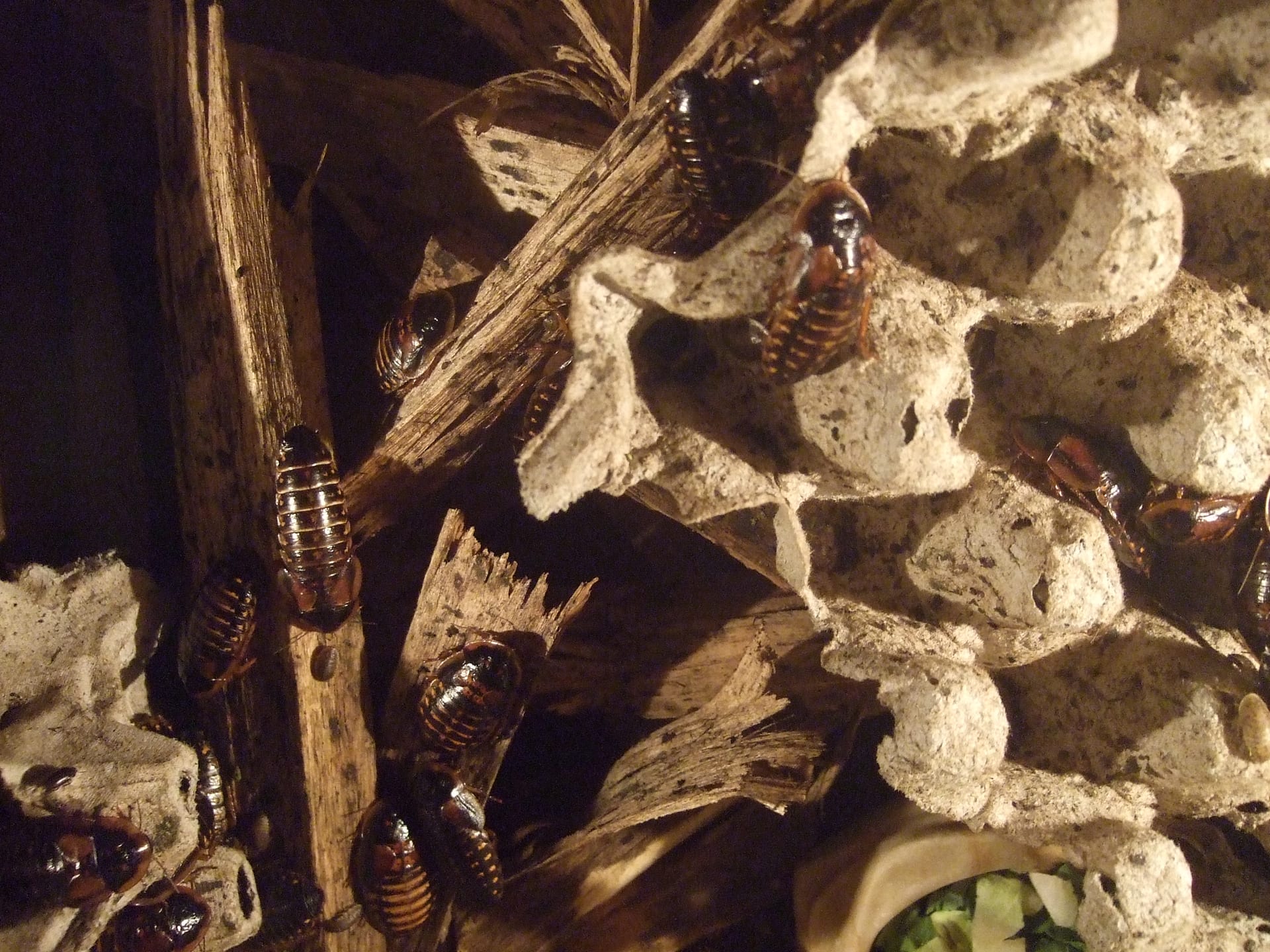
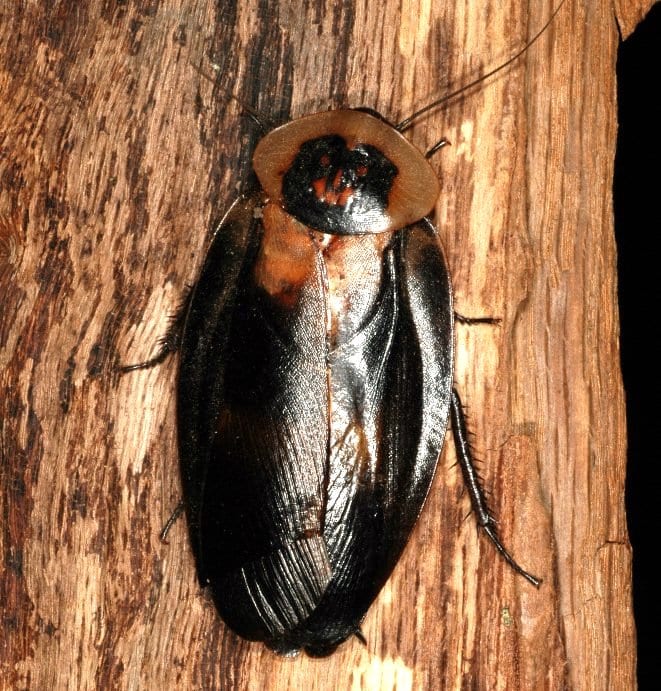
A medium-sized cockroach marked with a skull-like pattern on the pronotum and jet-black, cloak-like wings. It ranges from Mexico through Central America and the West Indies, cannot climb glass or fly, and is also used as a feeder.
Difficulty
Beginner
Temperature
21〜29℃
Lifespan
1-2 years
Size
5.3-5.7cm
Diet
Decaying plant matter, vegetables, fruit, grains, prepared insect food
About
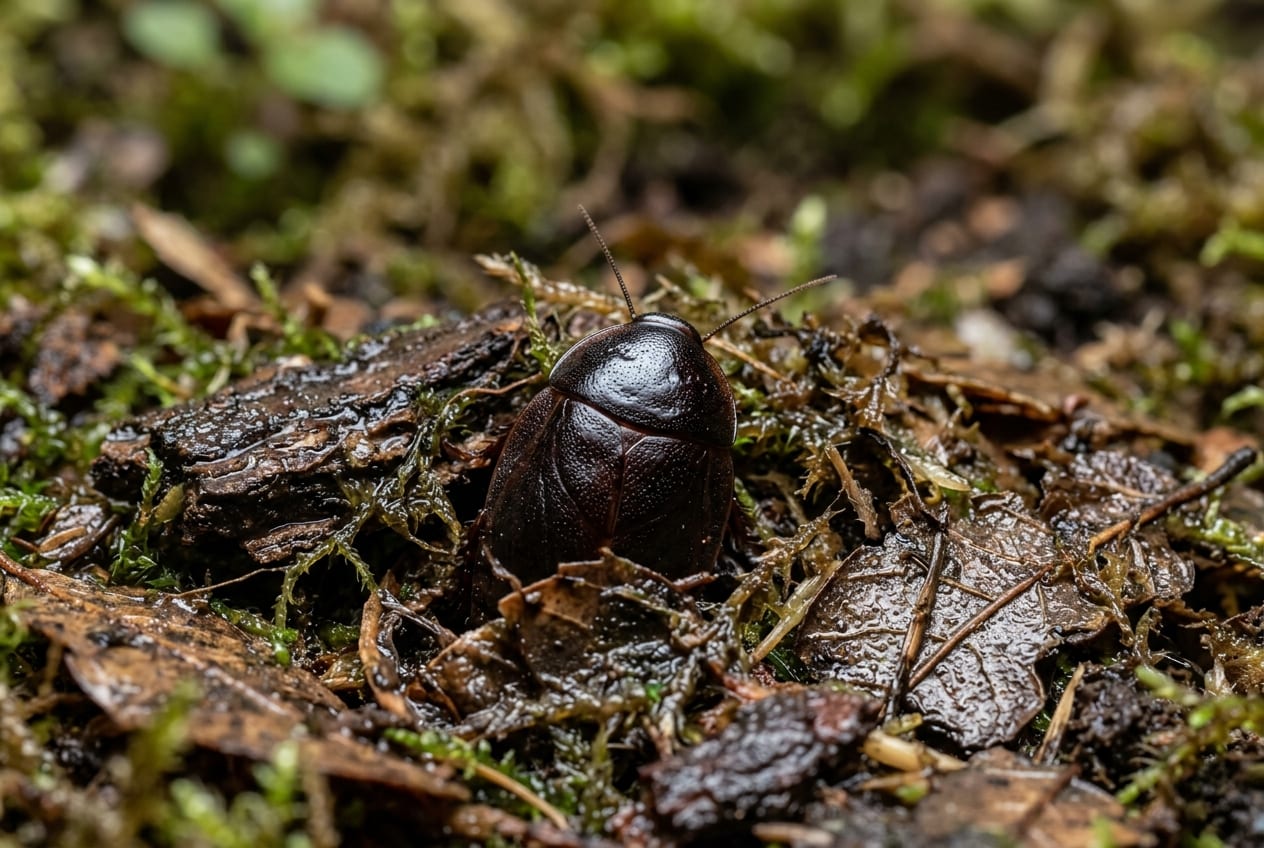
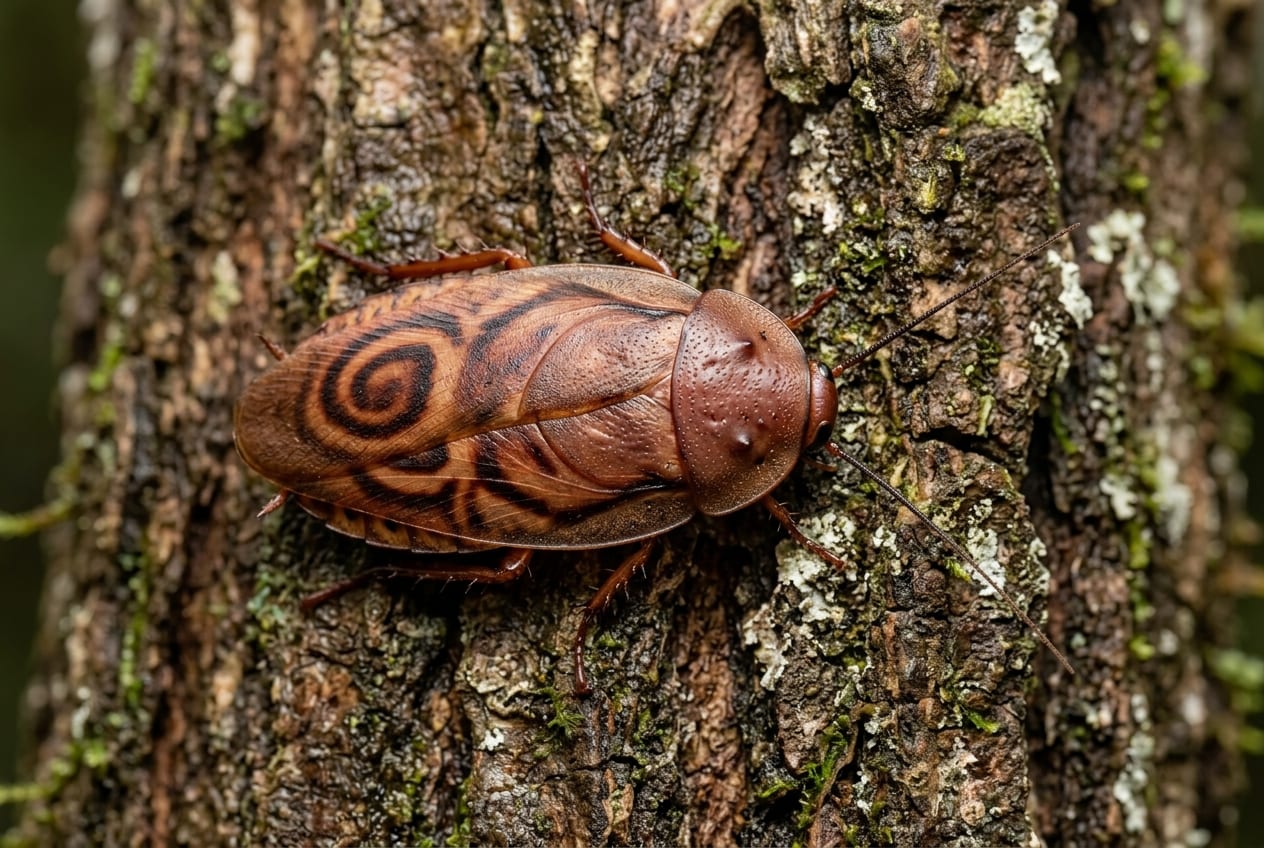
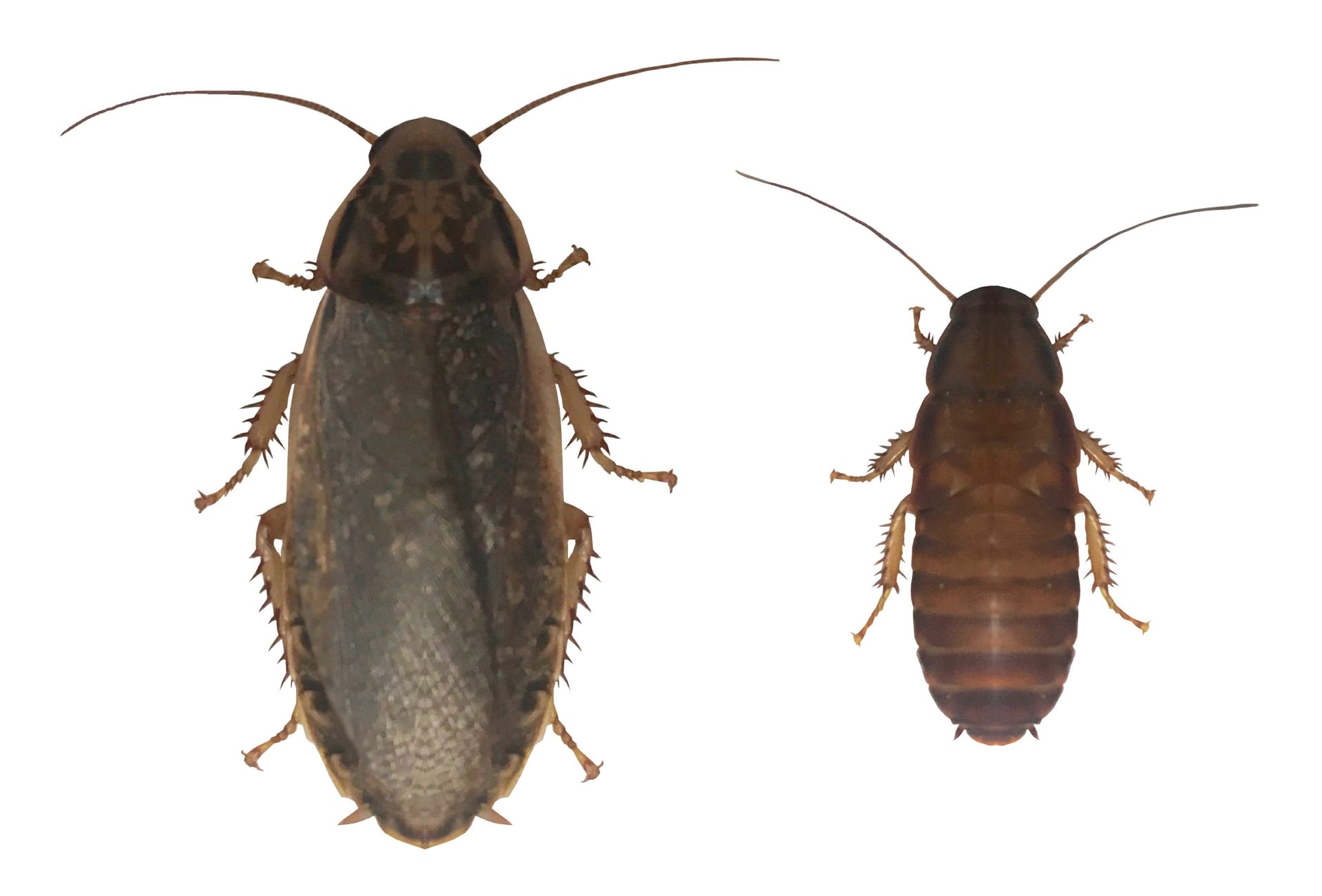
Blaberus craniifer is a blaberid cockroach native to Mexico, the West Indies and Central America, and introduced to southern Florida, where it lives on forest floors among leaf litter and rotting wood. The English name comes from the skull-shaped marking on the pronotum, and the epithet craniifer likewise derives from Latin for 'skull-bearer'. The jet-black, cloak-like wings are the other diagnostic feature, and together these separate it from the similar-looking B. discoidalis. In captivity males reach about 53 mm and females about 57 mm. Adults have pink flight muscles capable of sustained flight but normally only glide short distances, while nymphs are wingless and prefer to burrow. The species is ovoviviparous, with females calling males by sex pheromone. When a predator approaches, it burrows into soft substrate using its head and pronotum. Keep at 21-29 C; because it cannot climb glass it is easy to manage.
Source: Wikipedia (CC BY-SA 4.0)
Lifespan of the Death's Head Cockroach
The Death's Head Cockroach lives 1-2 years.
Size of the Death's Head Cockroach
The Death's Head Cockroach grows to 5.3-5.7cm.
Temperature & humidity for the Death's Head Cockroach
The ideal temperature for the Death's Head Cockroach is 21〜29℃.
Basic Info
Origin
Mexico, Central America and the West Indies (introduced to southern Florida)
Lifespan
Care Specifications
PeacefulGroupBreeding: Easy
Sources: Roach Crossing: Death's Head Roach / Wikipedia: Death's head cockroach / GBIF
References & Sources
Edited & verified by: BreederDirect editorial team
The taxonomic, regulatory, and husbandry data on this page are compiled and verified against the authoritative primary sources below.
Taxonomy & Authority
Accepted name: Blaberus craniifer Burmeister, 1838
Synonyms: Blabera varians Serville, 1838, Blabera luctuosa Stål, 1855, Blatta atropos Guérin-Méneville, 1857
Authority databases: GBIF
Nomenclature follows global taxonomic authority databases.
Regulations & Conservation Status
Not CITES-listed
Sources: CITES Appendices (species not listed)
Regulations may change. Always verify the latest information with the relevant authorities.
Death's Head Cockroach Listings
Loading latest listingsFind listings for this species