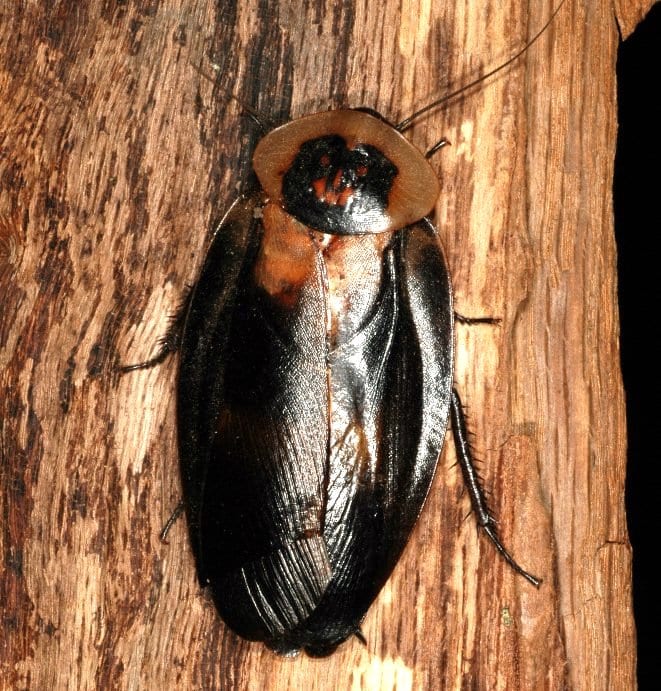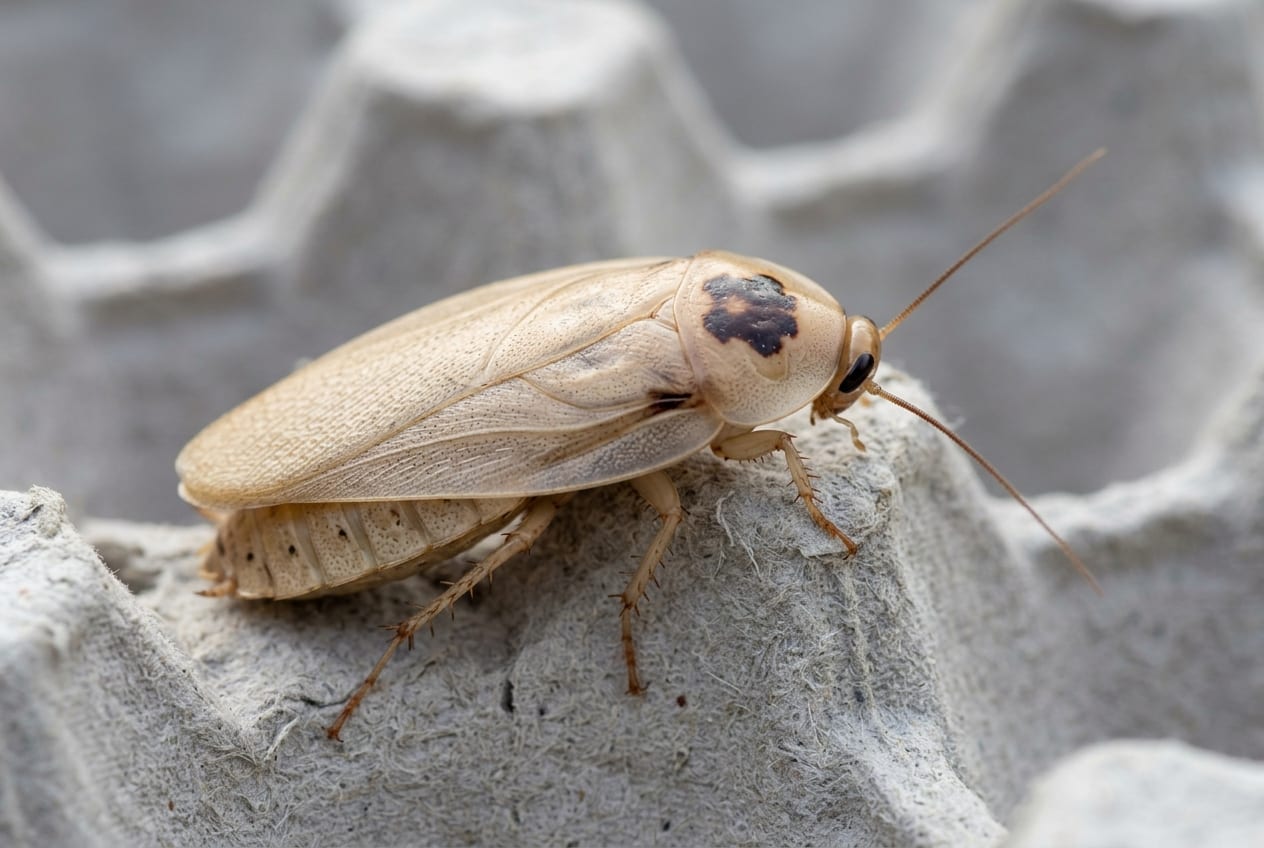
AI-generated image
Discoid Cockroach
BeginnerBlaberus discoidalis
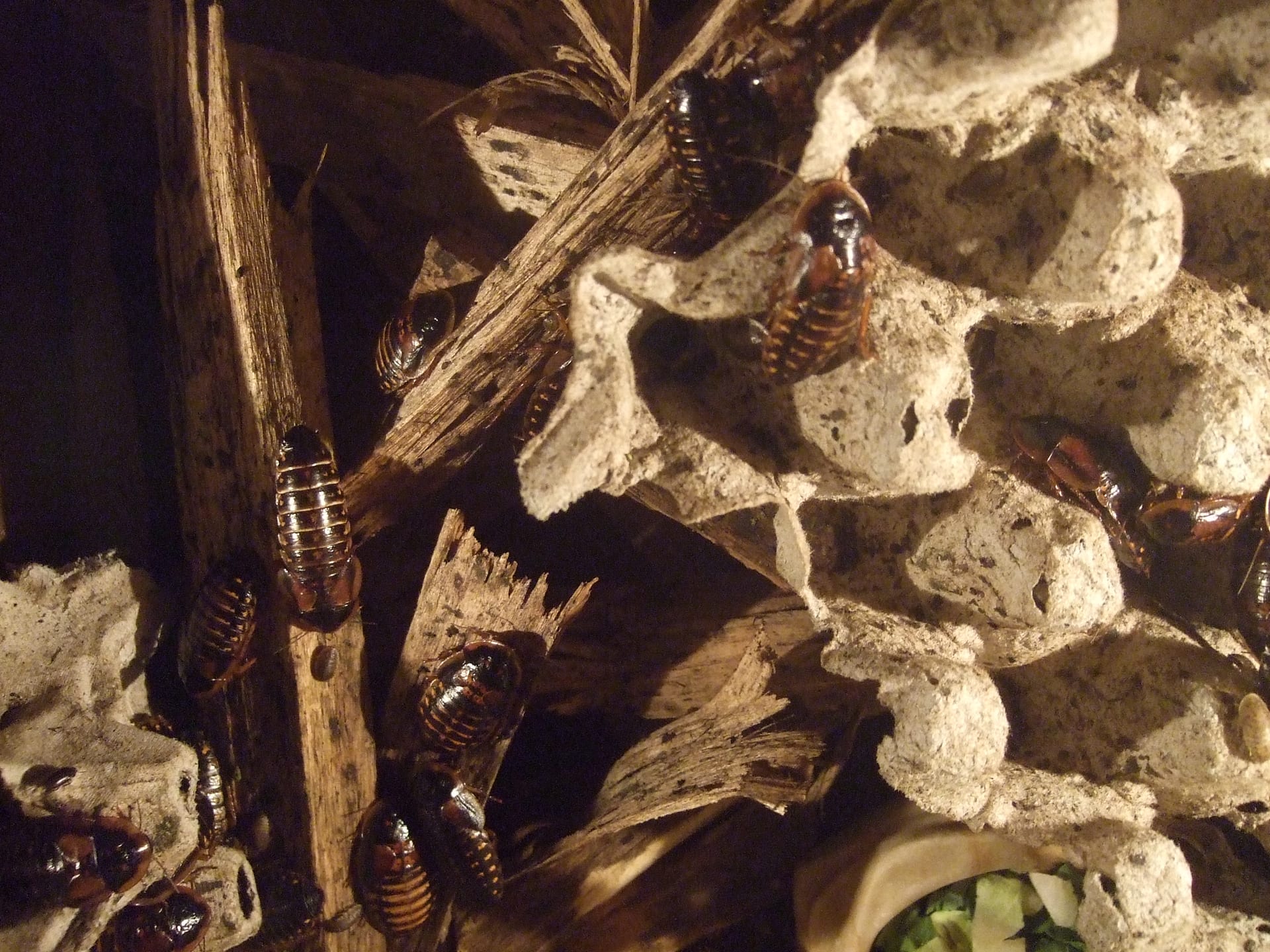
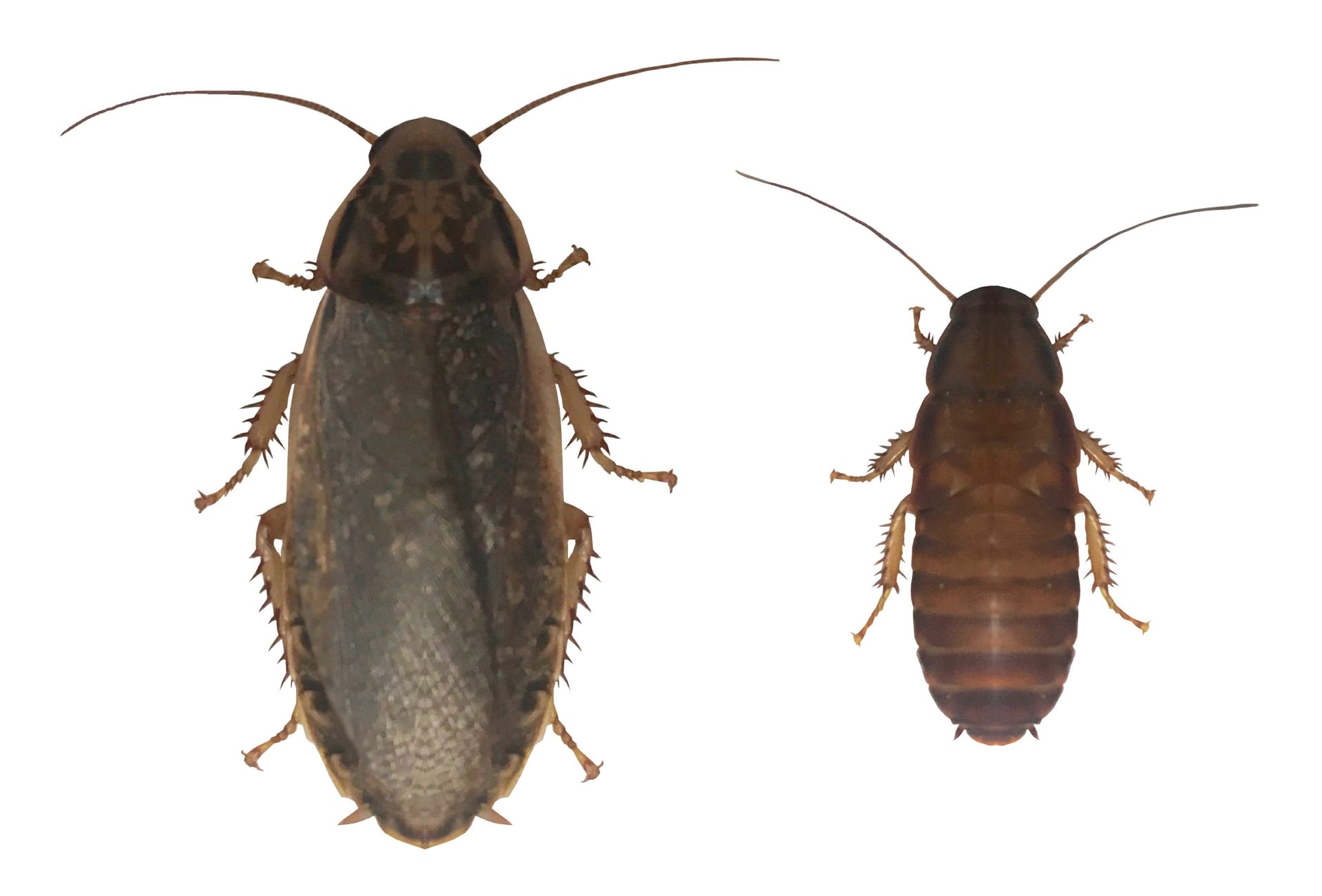
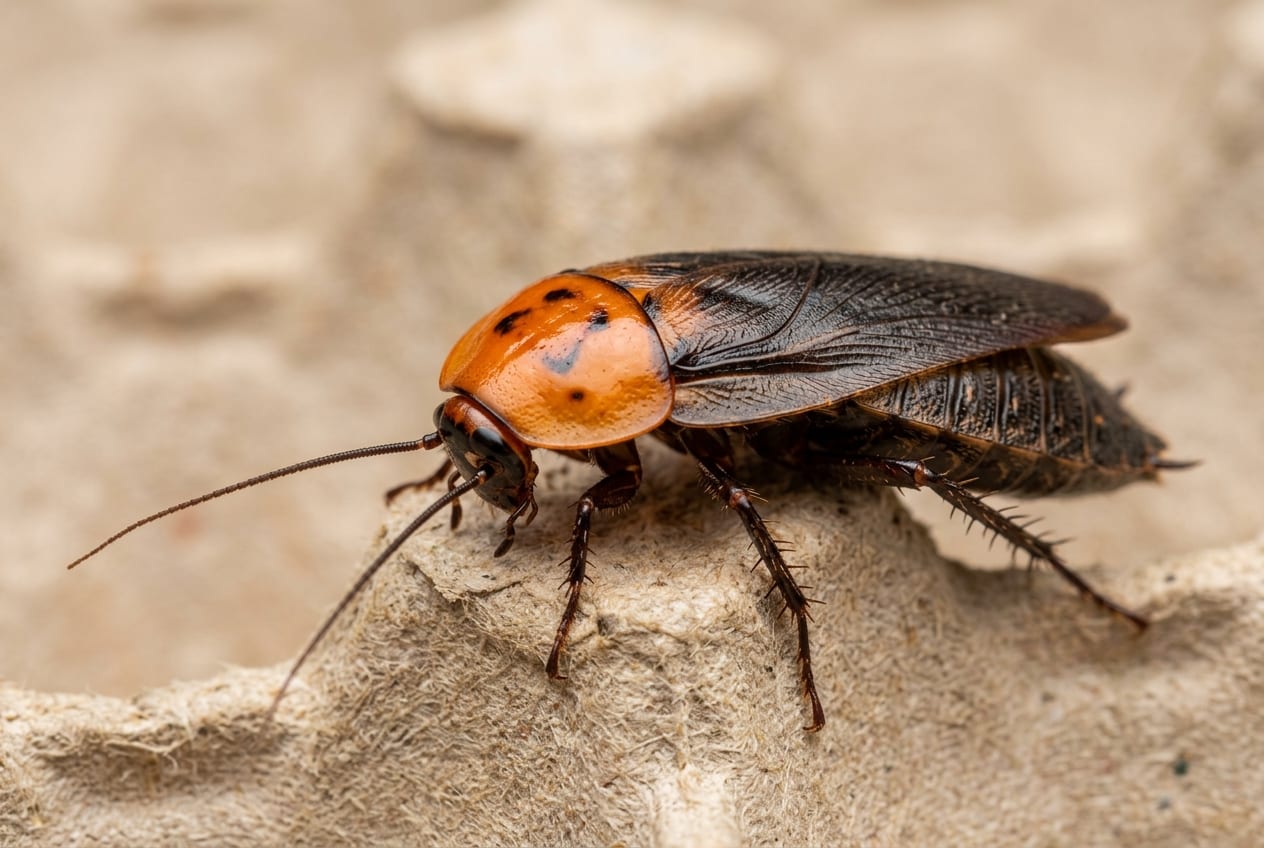
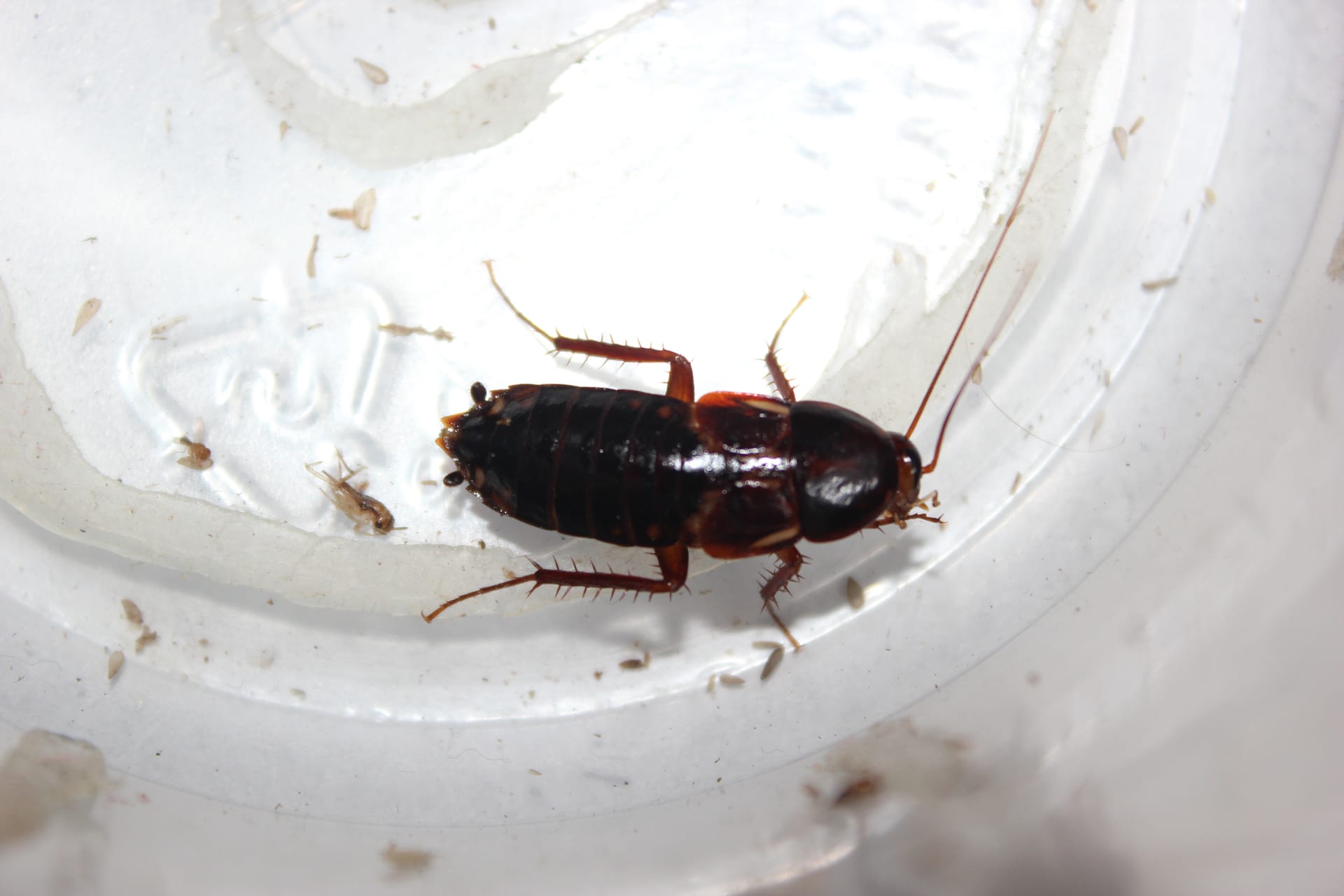
A large feeder cockroach native to Central America. Tan with a dark patch on the pronotum, it cannot climb glass or fly. It is hardy and fast-breeding, with nymphs maturing in as little as three months under good conditions.
Difficulty
Beginner
Temperature
21〜29℃
Lifespan
1-2 years
Size
3.5-5.7cm
Diet
Vegetables, fruit, grains, prepared insect food
About
Blaberus discoidalis is a large blaberid from Central America, also known in English as the tropical cockroach, West Indian leaf cockroach and Haitian cockroach. Published descriptions give adults as 35-45 mm, while captive specimens of about 57 mm (female) and 45 mm (male) are recorded. It is tan with a dark brown to black patch on the pronotum. Unable to climb glass or fly, it has long been used as a feeder for tarantulas, bearded dragons and other insectivores, and as a laboratory subject. It is hardy and fast-breeding: under ideal conditions nymphs reach adulthood in as little as three months. Females retain the eggs in a brooding pouch, where they are fertilised by the male spermatophore. Note that untracked stock in the trade is often hybridised with the related Blaberus boliviensis.
Source: Wikipedia (CC BY-SA 4.0)
Lifespan of the Discoid Cockroach
The Discoid Cockroach lives 1-2 years.
Size of the Discoid Cockroach
The Discoid Cockroach grows to 3.5-5.7cm.
Temperature & humidity for the Discoid Cockroach
The ideal temperature for the Discoid Cockroach is 21〜29℃.
Basic Info
Origin
Central America and the Caribbean (Haiti, Dominican Republic and neighbouring areas)
Lifespan
1-2 years
Care Specifications
PeacefulGroupBreeding: Easy
Sources: Roach Crossing: Discoid Roach / Wikipedia / GBIF
References & Sources
Edited & verified by: BreederDirect editorial team
The taxonomic, regulatory, and husbandry data on this page are compiled and verified against the authoritative primary sources below.
Taxonomy & Authority
Accepted name: Blaberus discoidalis Serville, 1838
Synonyms: Blabera cubensis Saussure, 1864, Blabera rufescens Saussure & Zehntner, 1894, Blabera subspurcata Walker, 1868
Authority databases: GBIF
Nomenclature follows global taxonomic authority databases.
Regulations & Conservation Status
Not CITES-listed
Sources: CITES Appendices (species not listed)
Regulations may change. Always verify the latest information with the relevant authorities.
Discoid Cockroach Listings
Loading latest listingsFind listings for this species