Source: Wikimedia Commons
Green Banana Cockroach
BeginnerPanchlora nivea
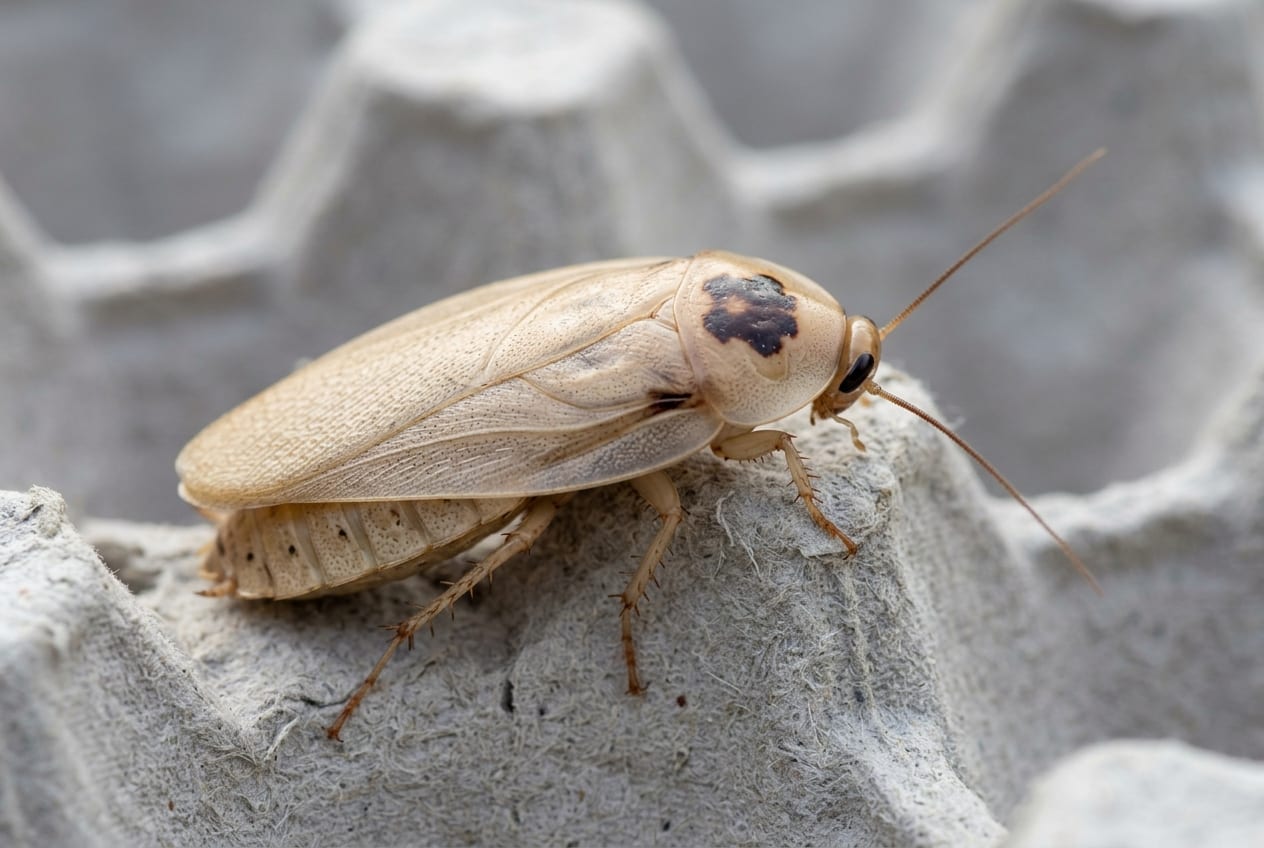
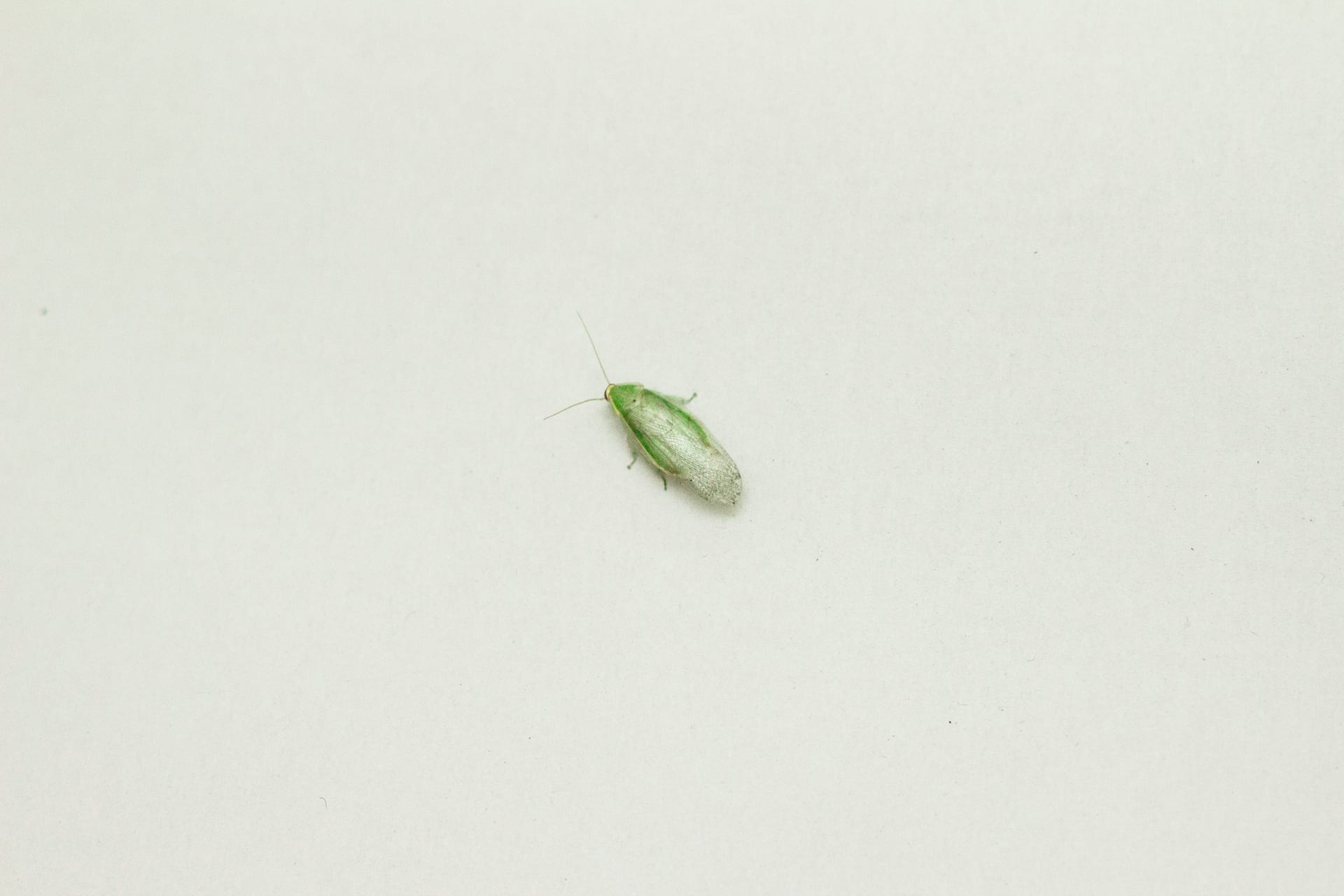
A small cockroach with pale yellow-green wings and a yellow line along each side. Adults of both sexes fly strongly, while the brown nymphs burrow. It is an outdoor species that does not establish indoors, so it is not treated as a pest, and it is widely traded as feeder stock.
Difficulty
Beginner
Temperature
21〜29℃
Lifespan
6 months to 1 year
Size
12-15mm in males, up to 24mm in females
Diet
Fruit such as banana and apple, rotting wood, dry prepared feeds
About
Panchlora nivea occurs in Cuba, the Caribbean and the US Gulf Coast from Florida to Texas, having reached North America in Caribbean fruit shipments. Adults are pale to yellowish green with a yellow line along each side; females reach 24 mm while the smaller males are 12-15 mm. Both sexes are winged and strong fliers, whereas the nymphs are brown to black and burrow. The ootheca is 3-4 mm long and holds 28 to 60 eggs, 46 on average; the female carries it internally until the eggs hatch. At 24 C the eggs hatch in about 48 days, after which males mature in some 144 days and females in about 181 days. The species lives outdoors in shrubs and trees and is not regarded as a pest because it does not establish indoors. It is nocturnal and attracted to lights, and is kept both as a display species and as feeder stock for reptiles and amphibians.
Source: Wikipedia (CC BY-SA 4.0)
Lifespan of the Green Banana Cockroach
The Green Banana Cockroach lives 6 months to 1 year.
Size of the Green Banana Cockroach
The Green Banana Cockroach grows to 12-15mm in males, up to 24mm in females.
Temperature & humidity for the Green Banana Cockroach
The ideal temperature for the Green Banana Cockroach is 21〜29℃.
Basic Info
Origin
Cuba, the Caribbean and the US Gulf Coast from Florida to Texas
Lifespan
6 months to 1 year
Care Specifications
PeacefulGroupBreeding: Easy
Sources: Roach Crossing: Green Banana Roach / Wikipedia / GBIF
References & Sources
Edited & verified by: BreederDirect editorial team
The taxonomic, regulatory, and husbandry data on this page are compiled and verified against the authoritative primary sources below.
Taxonomy & Authority
Accepted name: Panchlora nivea (Linnaeus, 1758)
Synonyms: Blatta nivea Linnaeus, 1758, Blatta chlorotica Pallas, 1772, Panchlora cubensis Saussure, 1862, Panchlora poeyi Saussure, 1862
Authority databases: GBIF
Nomenclature follows global taxonomic authority databases.
Regulations & Conservation Status
Not CITES-listed
Sources: CITES Appendices (species not listed)
Regulations may change. Always verify the latest information with the relevant authorities.
Green Banana Cockroach Listings
Loading latest listingsFind listings for this species