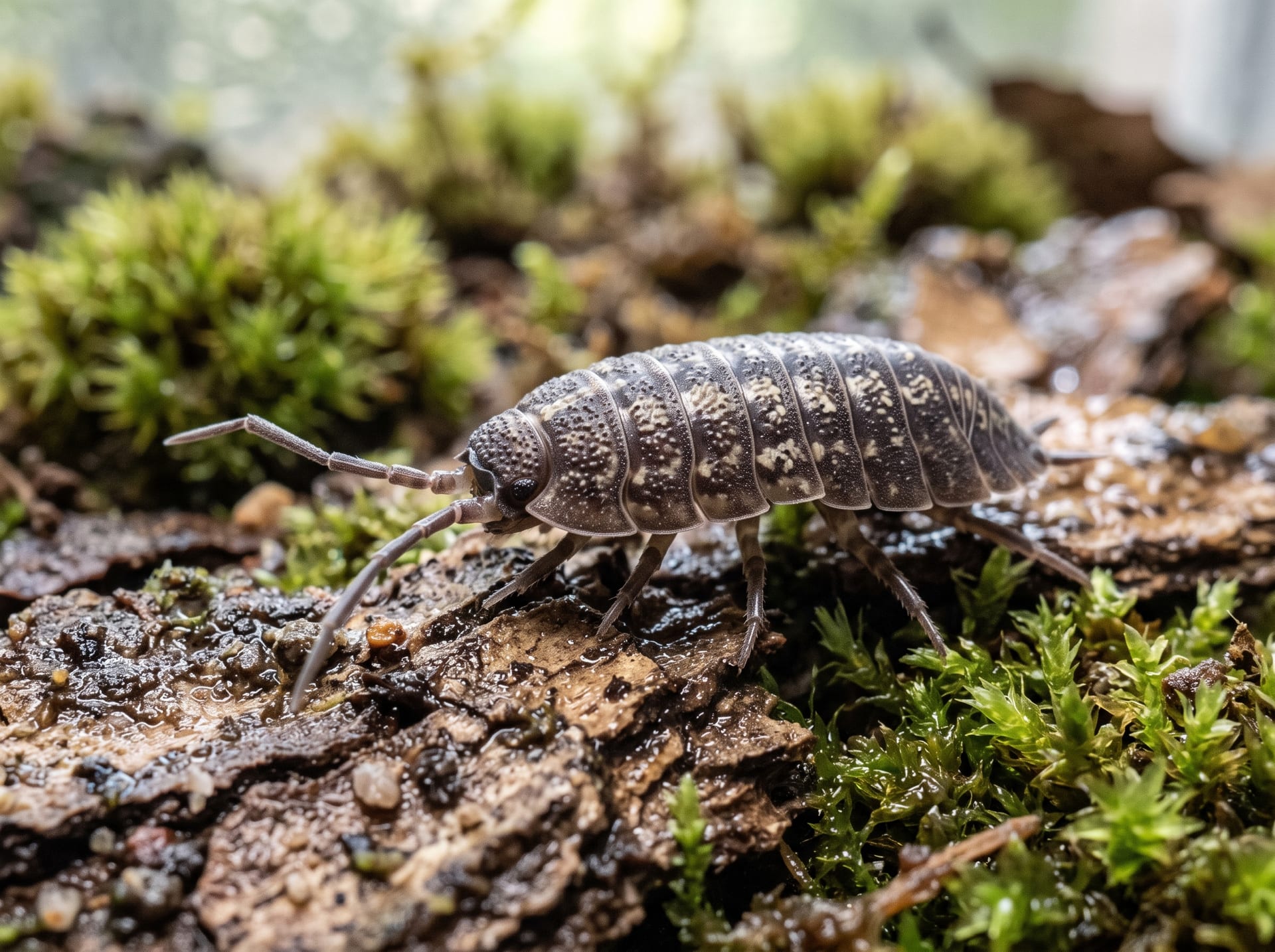
AI-generated image
Silvestrii Isopod
IntermediatePorcellio silvestrii
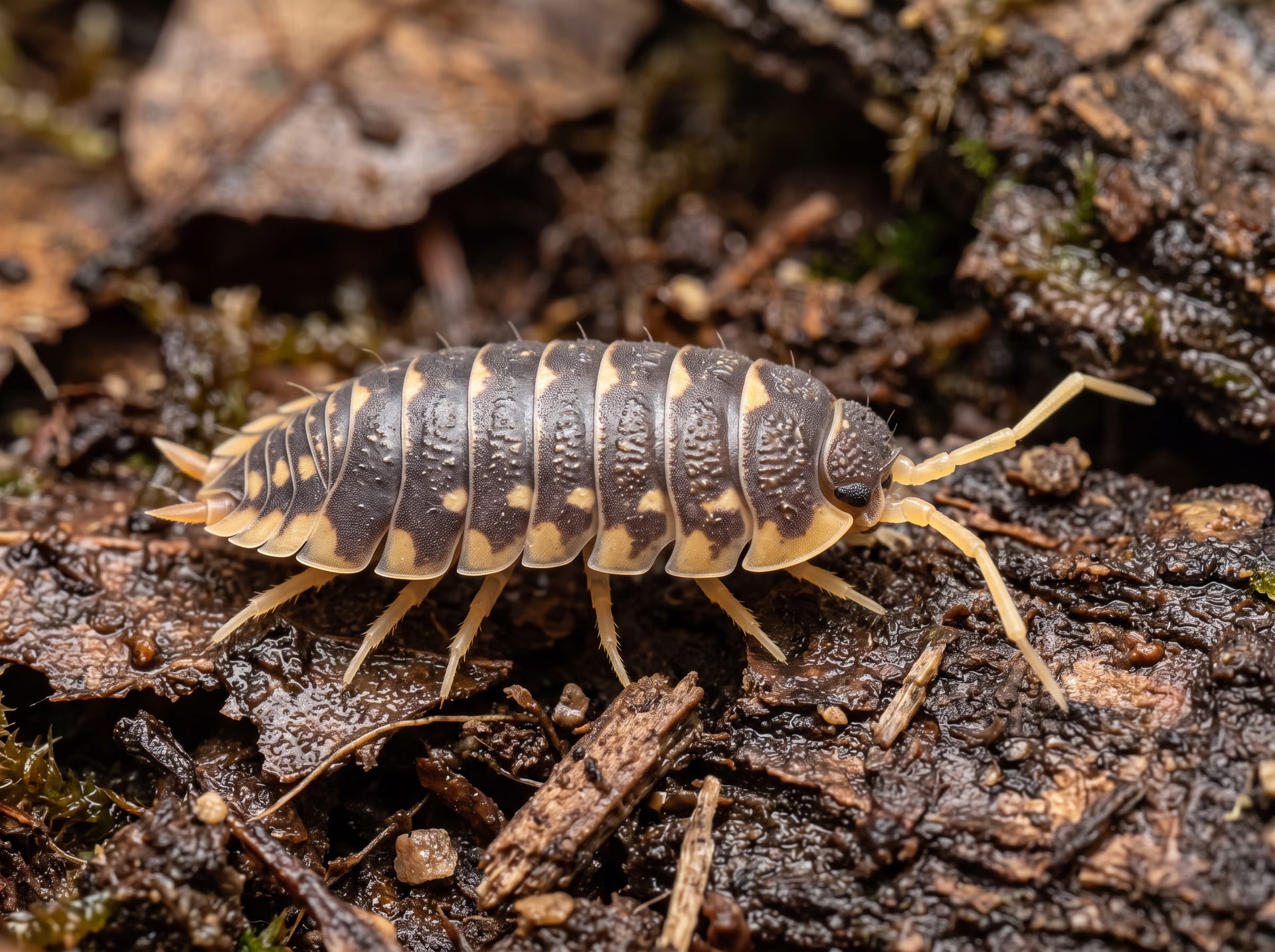
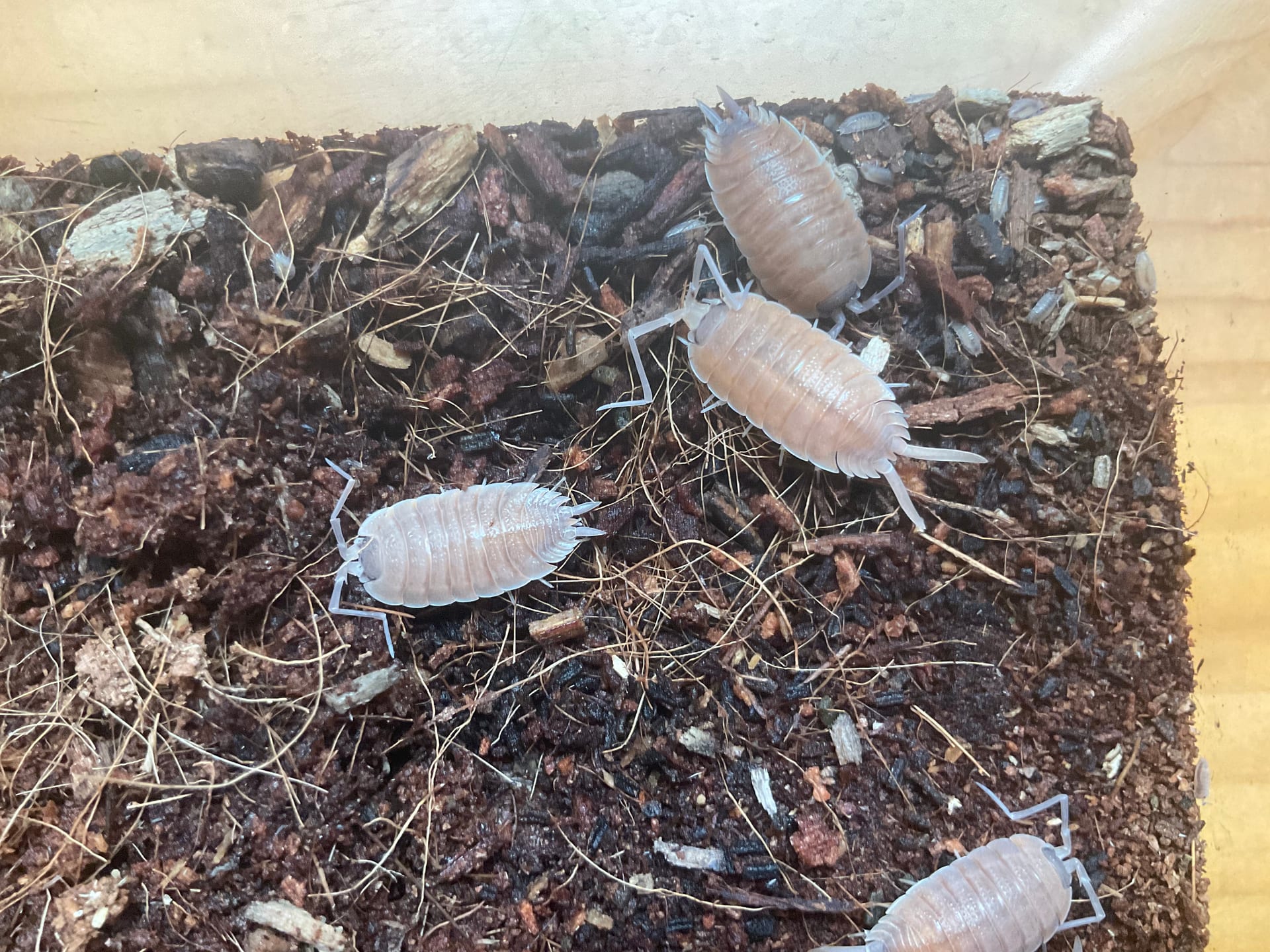
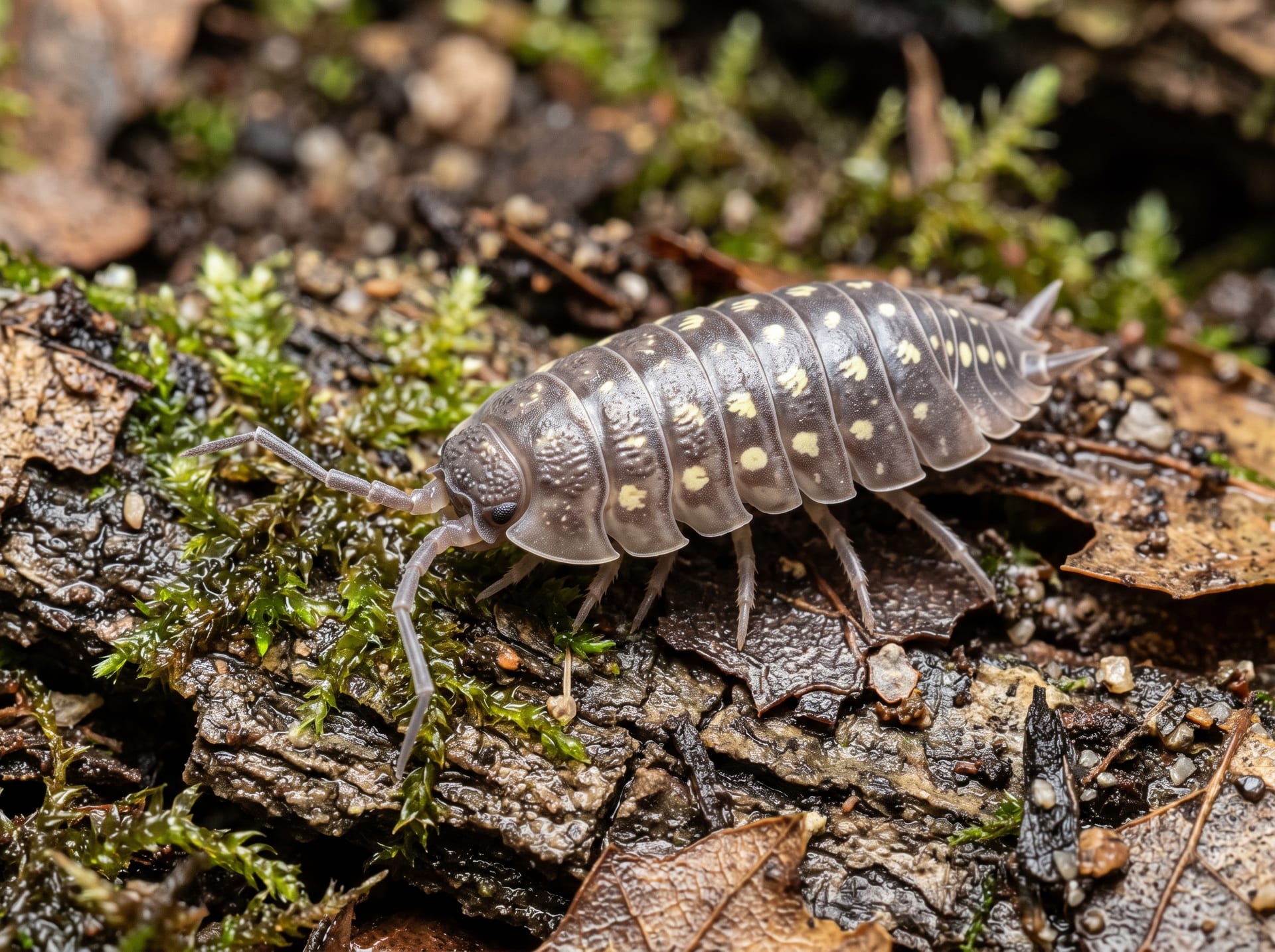
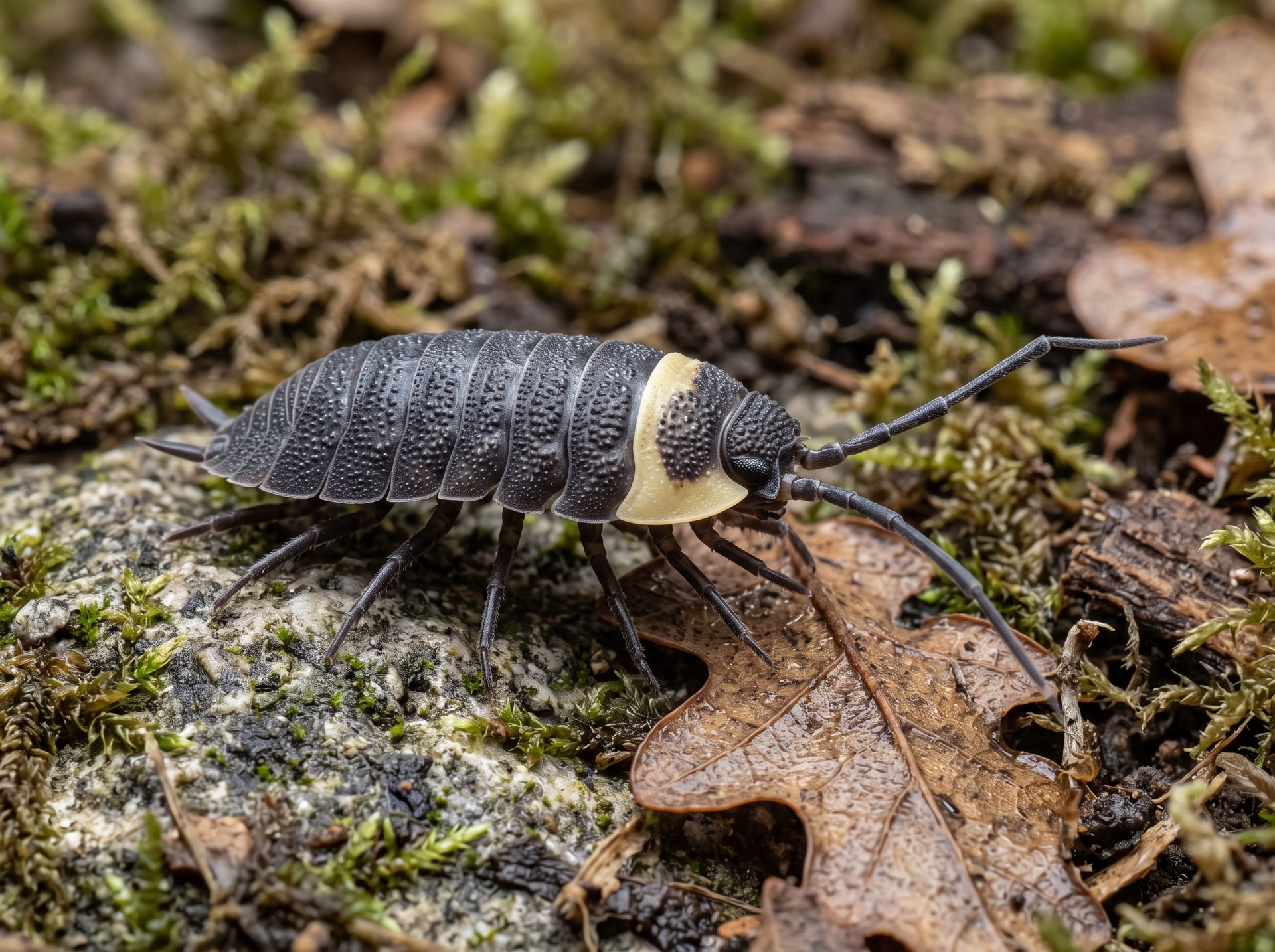
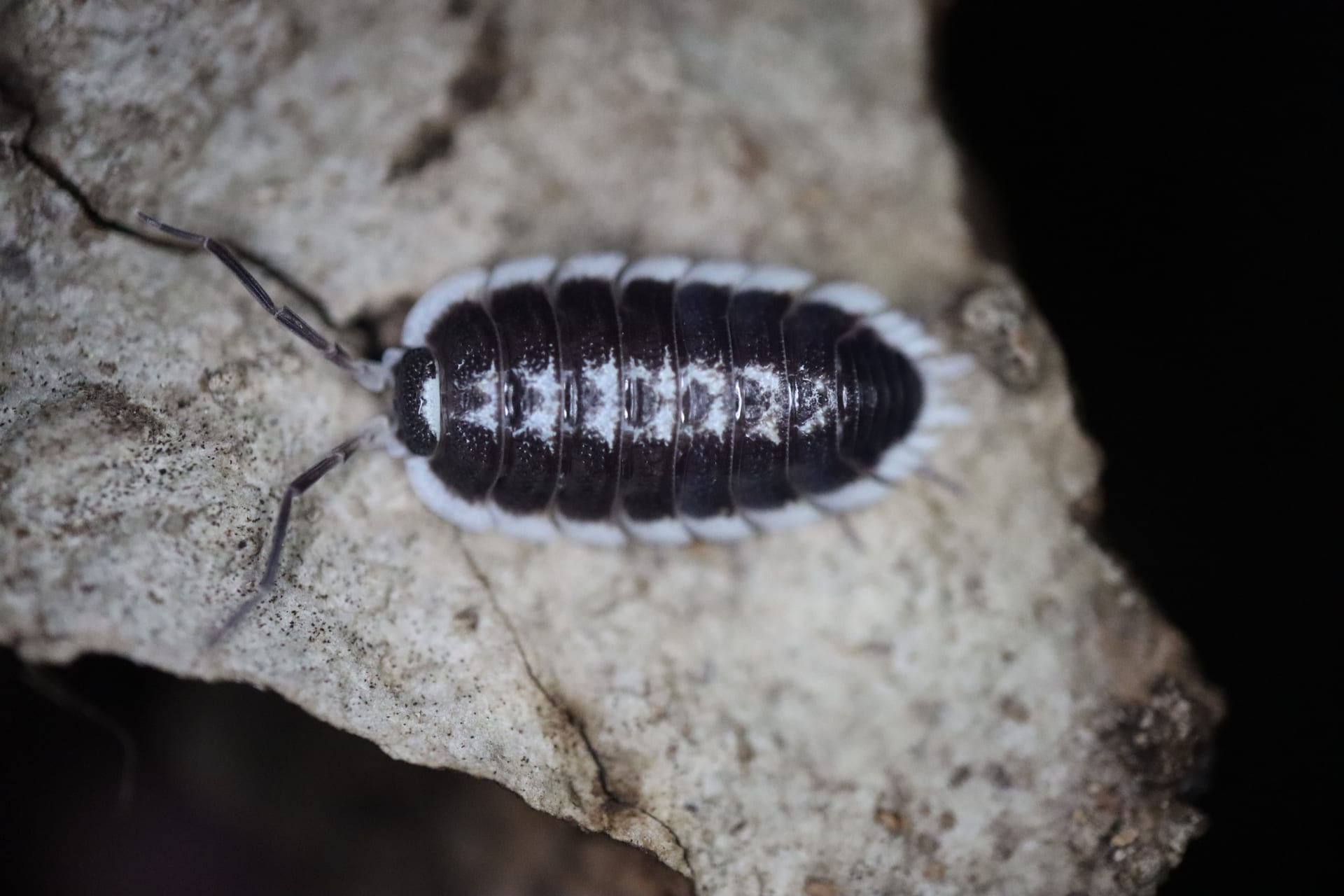
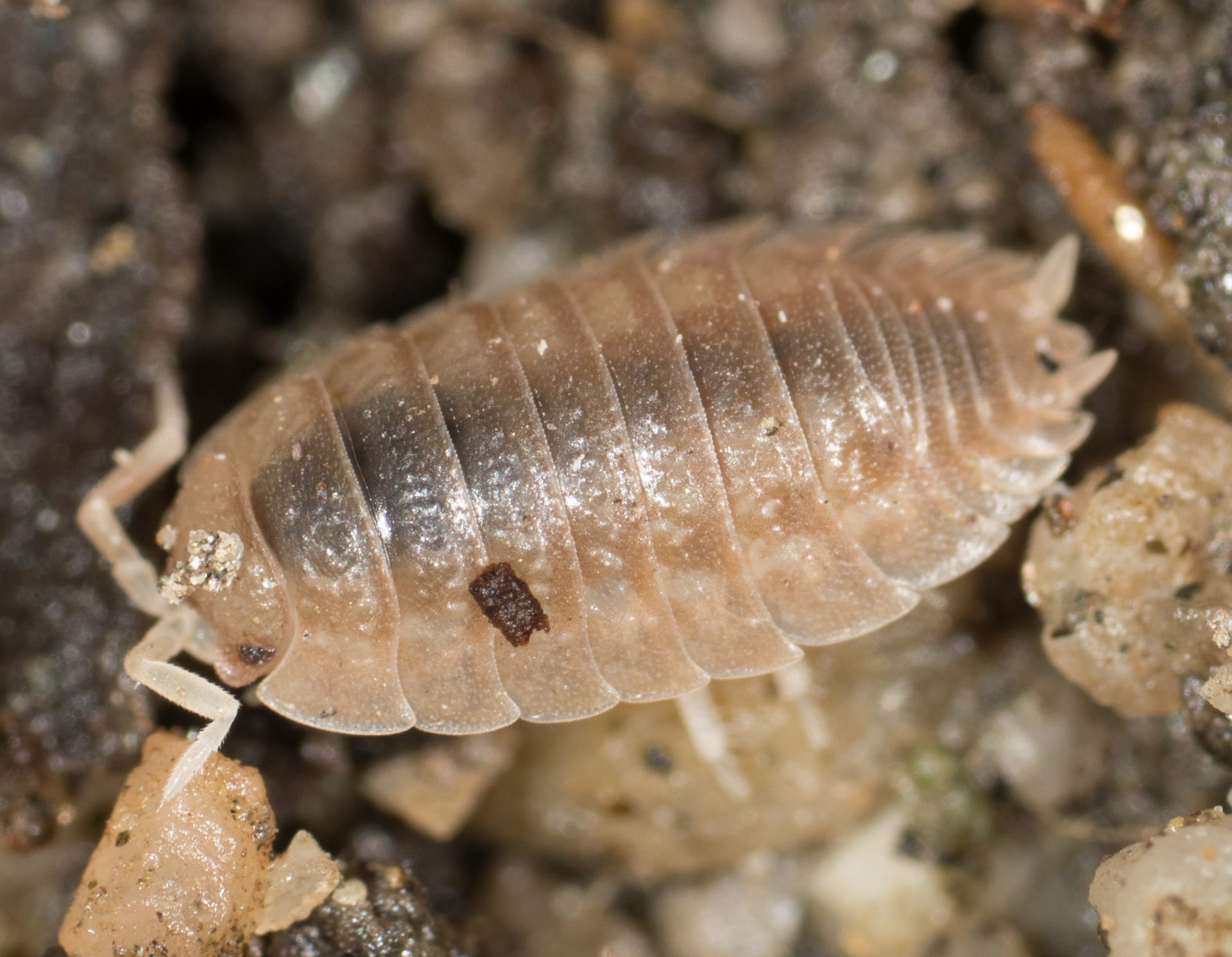
A woodlouse of pine forests in southern Spain. Males are bright orange and females grey or dull orange, a rare case of sexual dimorphism in isopods. Dislikes wet conditions and settles well in a drier, well-ventilated setup.
Difficulty
Intermediate
Temperature
18〜22℃
Lifespan
2-2.5 years
Size
Up to about 25mm
Humidity
50〜60%
Diet
Leaf litter and rotten wood as staples, with vegetables, fruit, fresh leaves, protein about twice a week and a calcium source.
About
Porcellio silvestrii, described by Arcangeli in 1924 from southern Spain, is named after the Italian entomologist Filippo Silvestri; WoRMS lists P. curvisetosus and P. perplexus as synonyms. Adults reach about 25mm. Sexual dimorphism is unusually clear for an isopod: mature males are bright orange while females are grey or dull orange, and a spotted 'Dalmatian' line is also known. It is sensitive to waterlogging and poor airflow, so ventilate well. Leaf litter and rotten wood are the staples; it also likes fresh leaves, plus vegetables, fruit, protein about twice a week and calcium. Calm in temperament, it is often visible by day and in the evening and moves about in groups.
Source: Wikipedia (CC BY-SA 4.0)
Lifespan of the Silvestrii Isopod
The Silvestrii Isopod lives 2-2.5 years.
Breeding is slower than average, maturity comes at about six months, and lifespan is 2-2.5 years.
Size of the Silvestrii Isopod
The Silvestrii Isopod grows to Up to about 25mm.
Temperature & humidity for the Silvestrii Isopod
The ideal temperature for the Silvestrii Isopod is 18〜22℃. Ideal humidity is 50〜60%.
It prefers a setup with both dry and damp zones like its native pine forests, at a slightly cool 18-22C and 50-60% humidity, with only about one third of the enclosure kept moist with moss and rotten wood.
Basic Info
Origin
Southern Spain
Care Specifications
PeacefulGroupBreeding: Moderate
Sources: Exuvium Isopods (size, temperature, humidity, lifespan, dimorphism) / Insektenliebe (temperature, behaviour) / WoRMS
References & Sources
Edited & verified by: BreederDirect editorial team
The taxonomic, regulatory, and husbandry data on this page are compiled and verified against the authoritative primary sources below.
Taxonomy & Authority
Accepted name: Porcellio silvestrii Arcangeli, 1924
Synonyms: Porcellio curvisetosus, Porcellio monticola silvestrii, Porcellio perplexus
Authority databases: GBIF
Nomenclature follows global taxonomic authority databases.
Regulations & Conservation Status
Not CITES-listed
Sources: CITES Appendices (species not listed)
Regulations may change. Always verify the latest information with the relevant authorities.
Silvestrii Isopod Listings
Loading latest listingsFind listings for this species