Source: Wikimedia Commons
Flavomarginatus Isopod
IntermediatePorcellio flavomarginatus
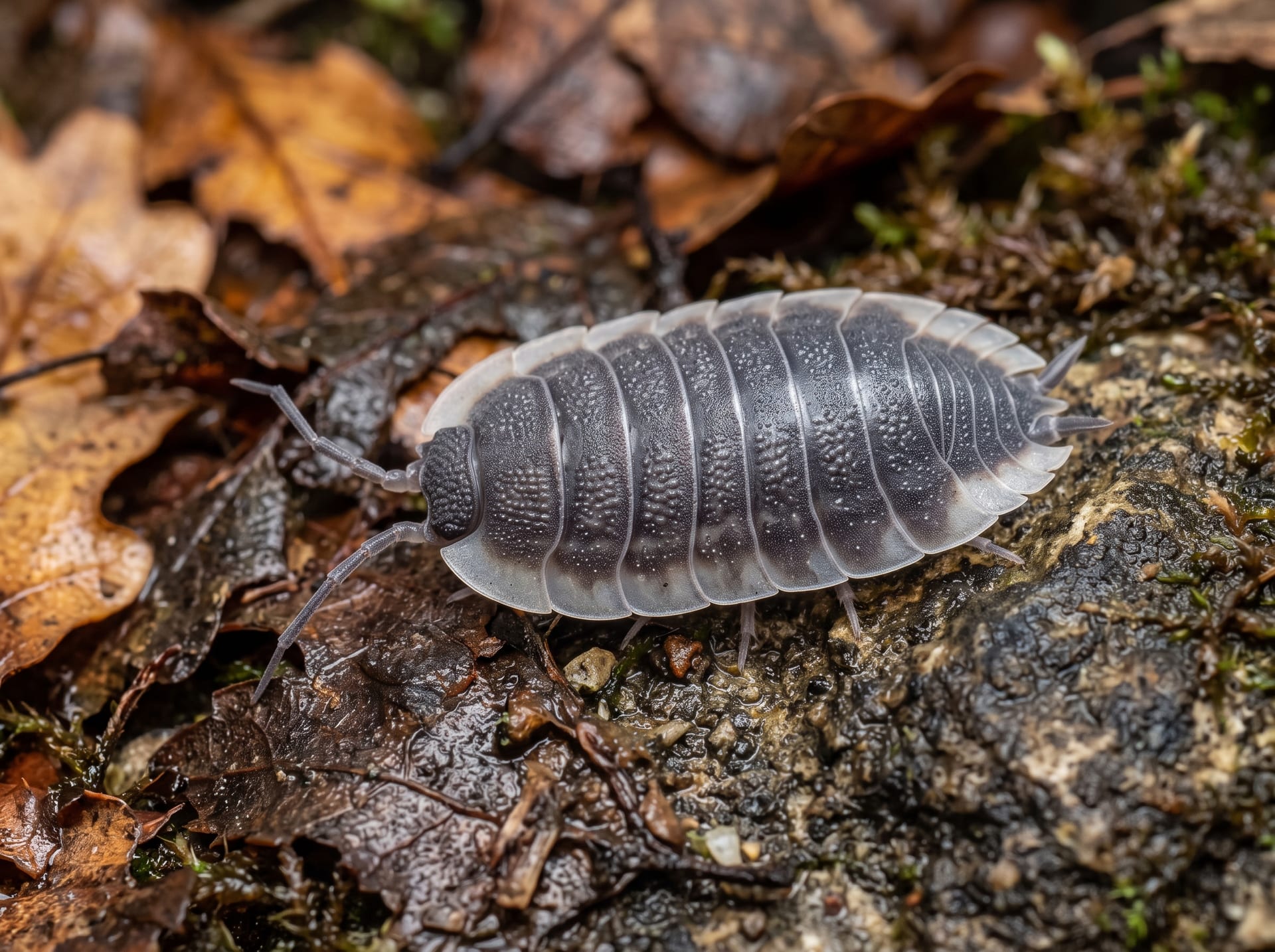
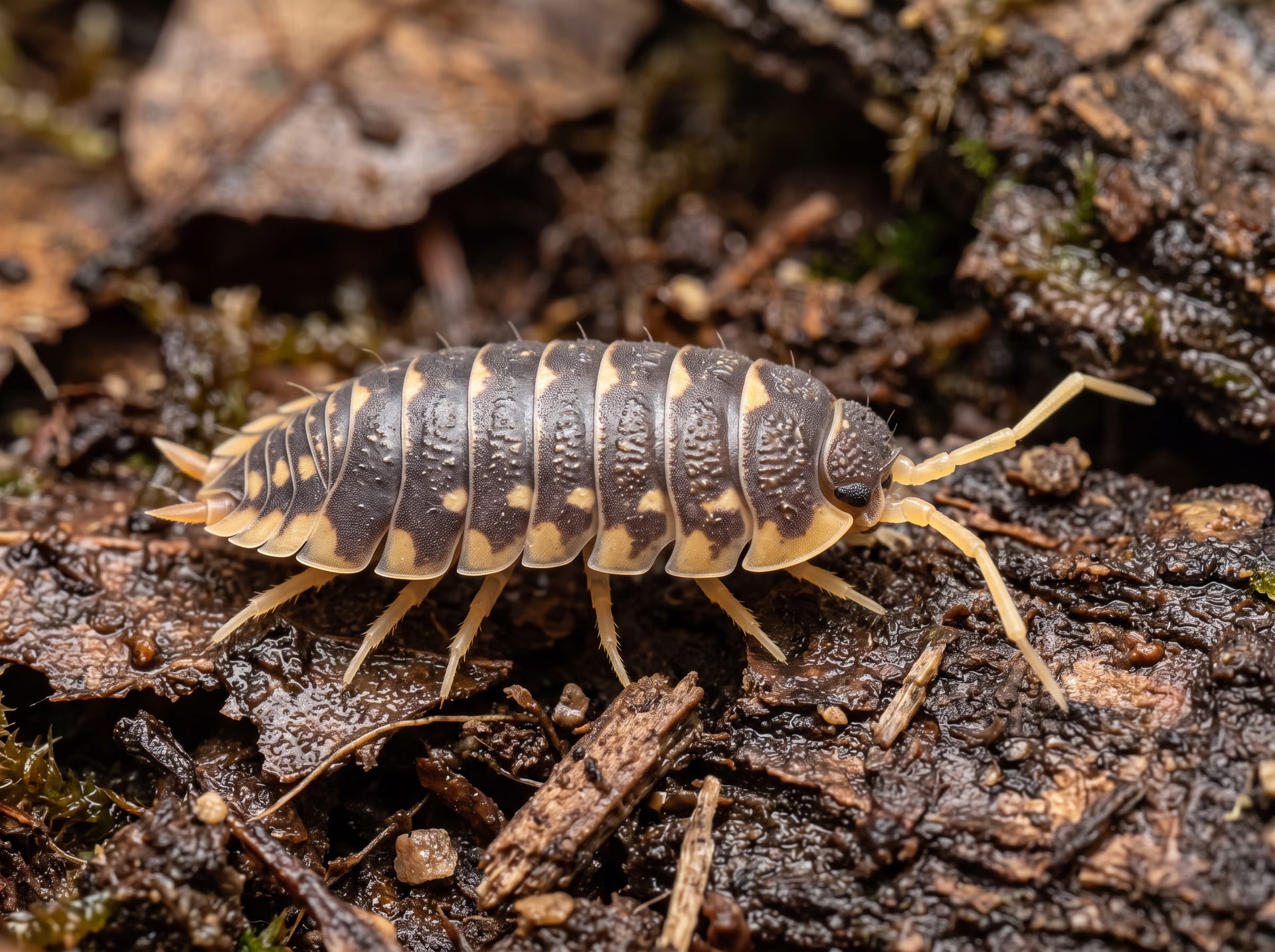
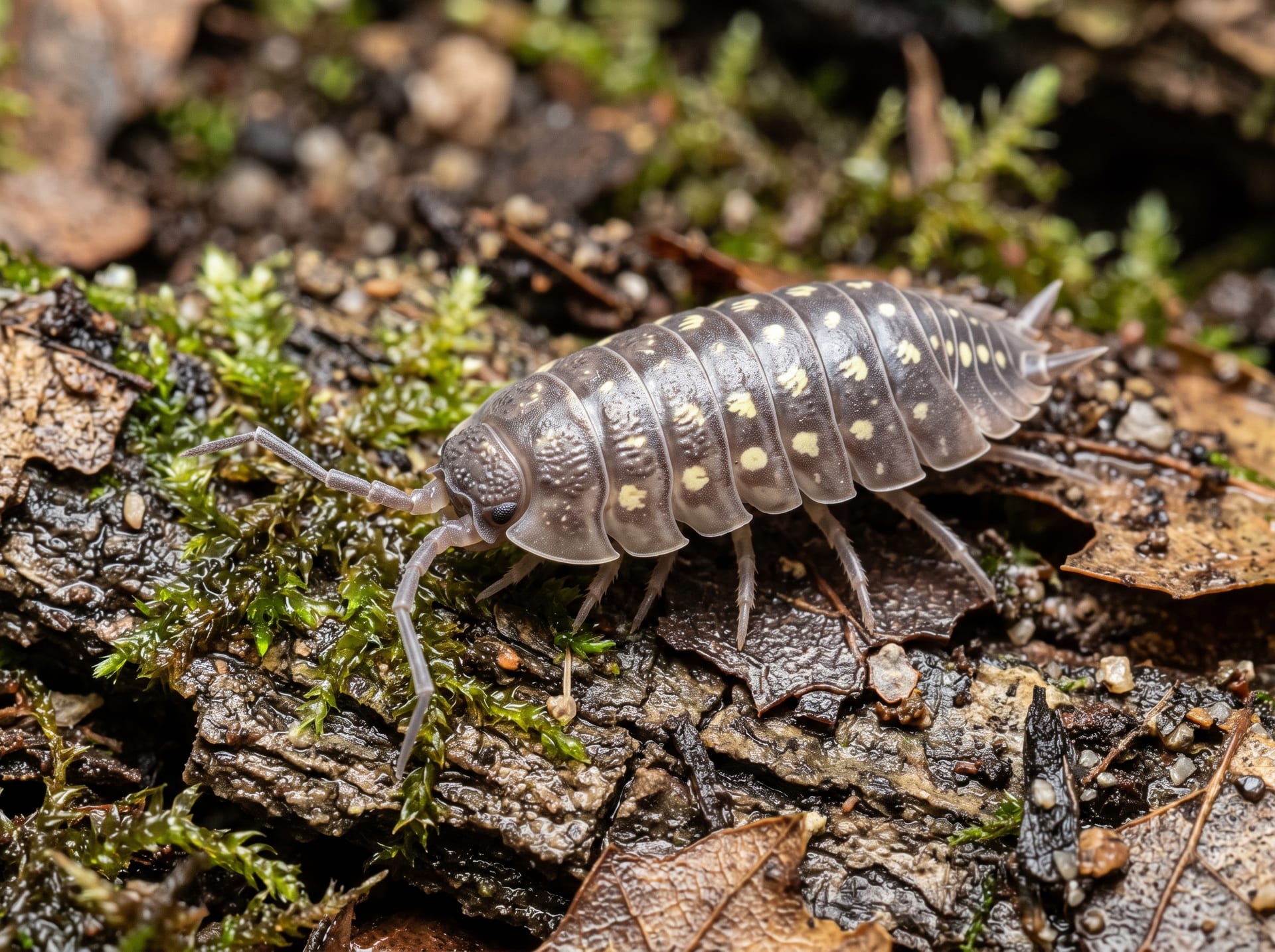
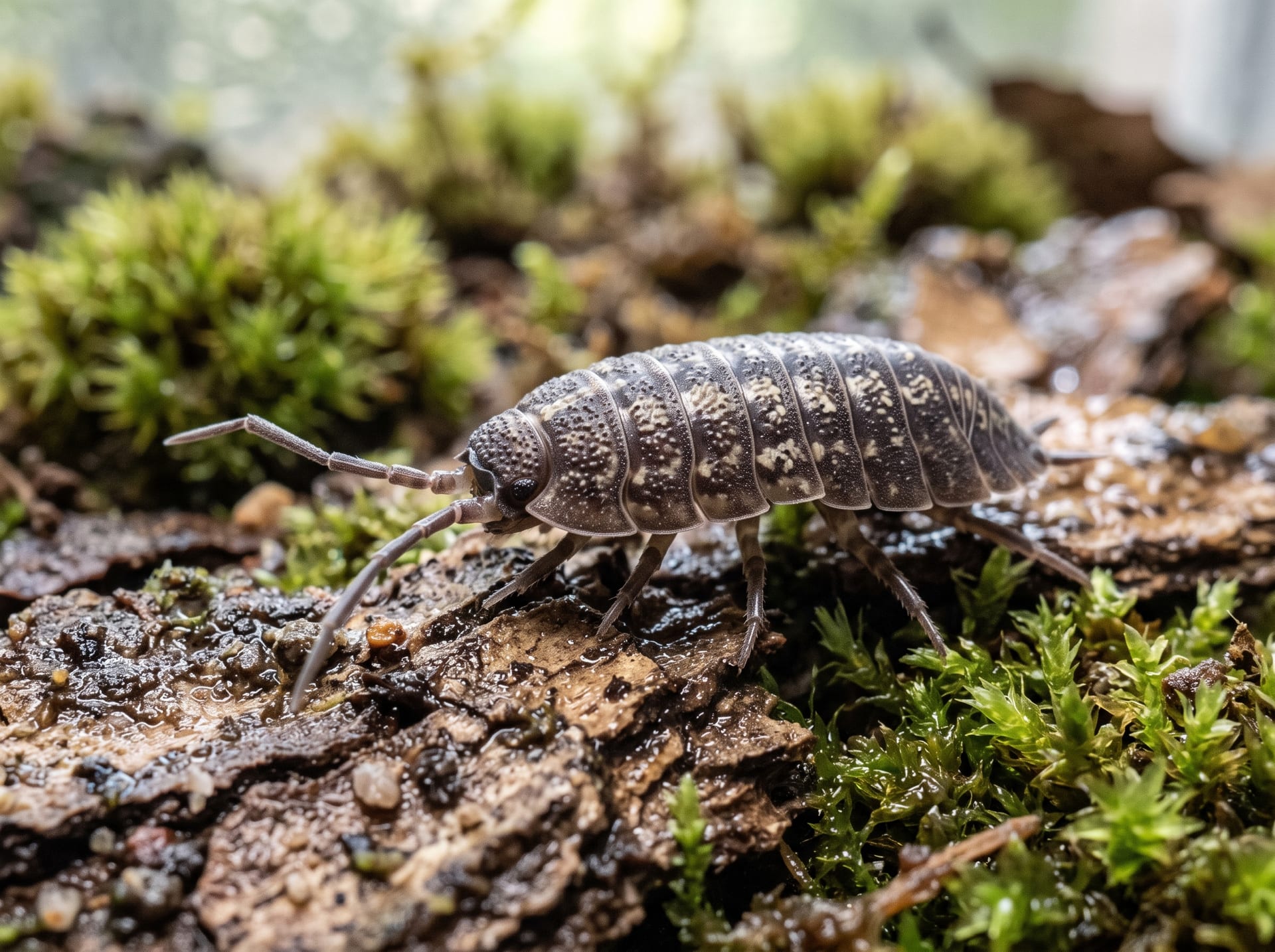
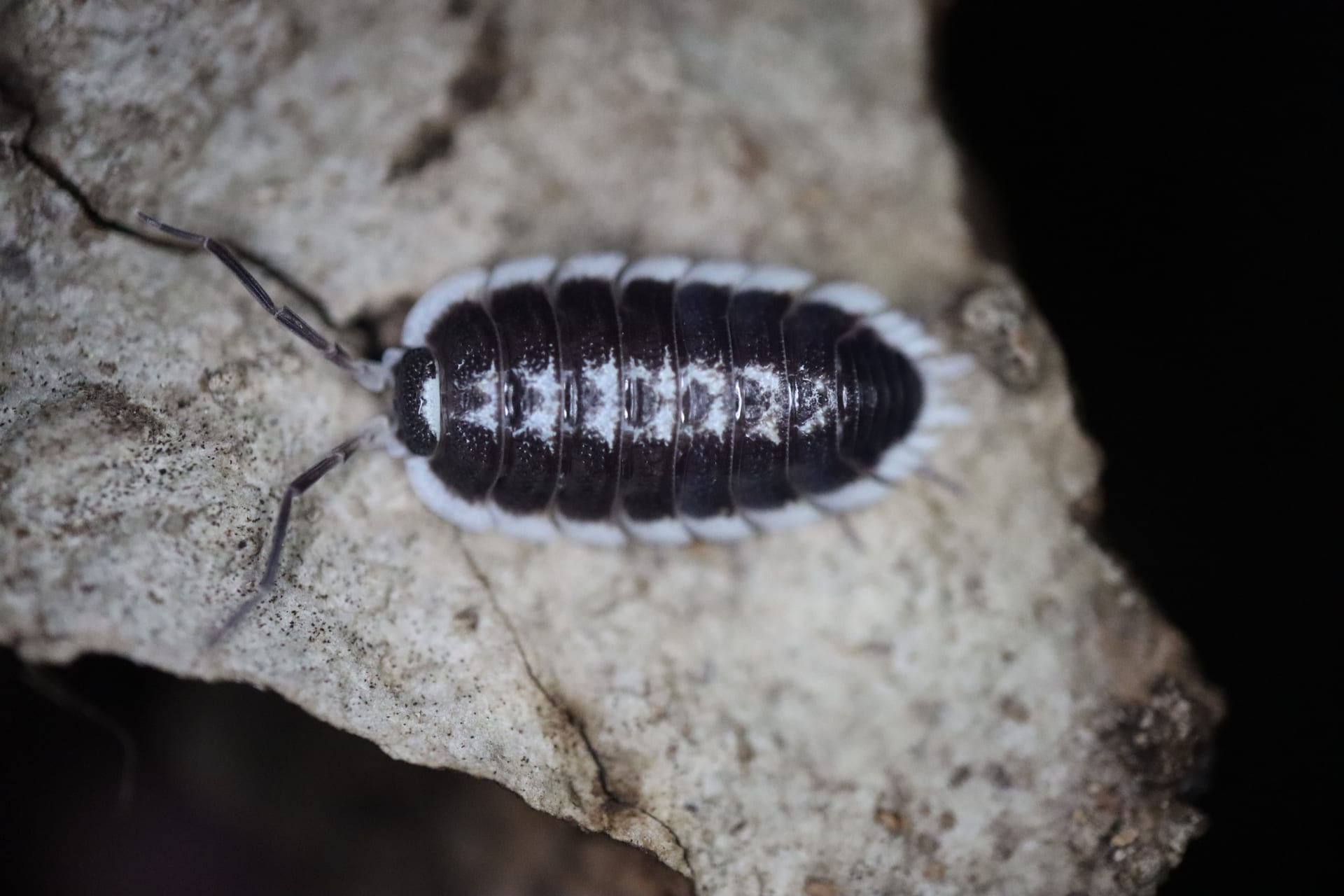
A diurnal woodlouse from Greece including Crete. A white serrated skirt frames the near-black body, with rows of pale dots on the back. Stable when the dry zone stays dry and airflow is good, but colonies crash under stagnant humidity.
Difficulty
Intermediate
Temperature
22〜25℃
Lifespan
2-3 years
Size
About 18-20mm
Humidity
45〜60%
Diet
Leaf litter, bark and rotten wood as staples, with vegetables, isopod food, protein and a calcium source.
About
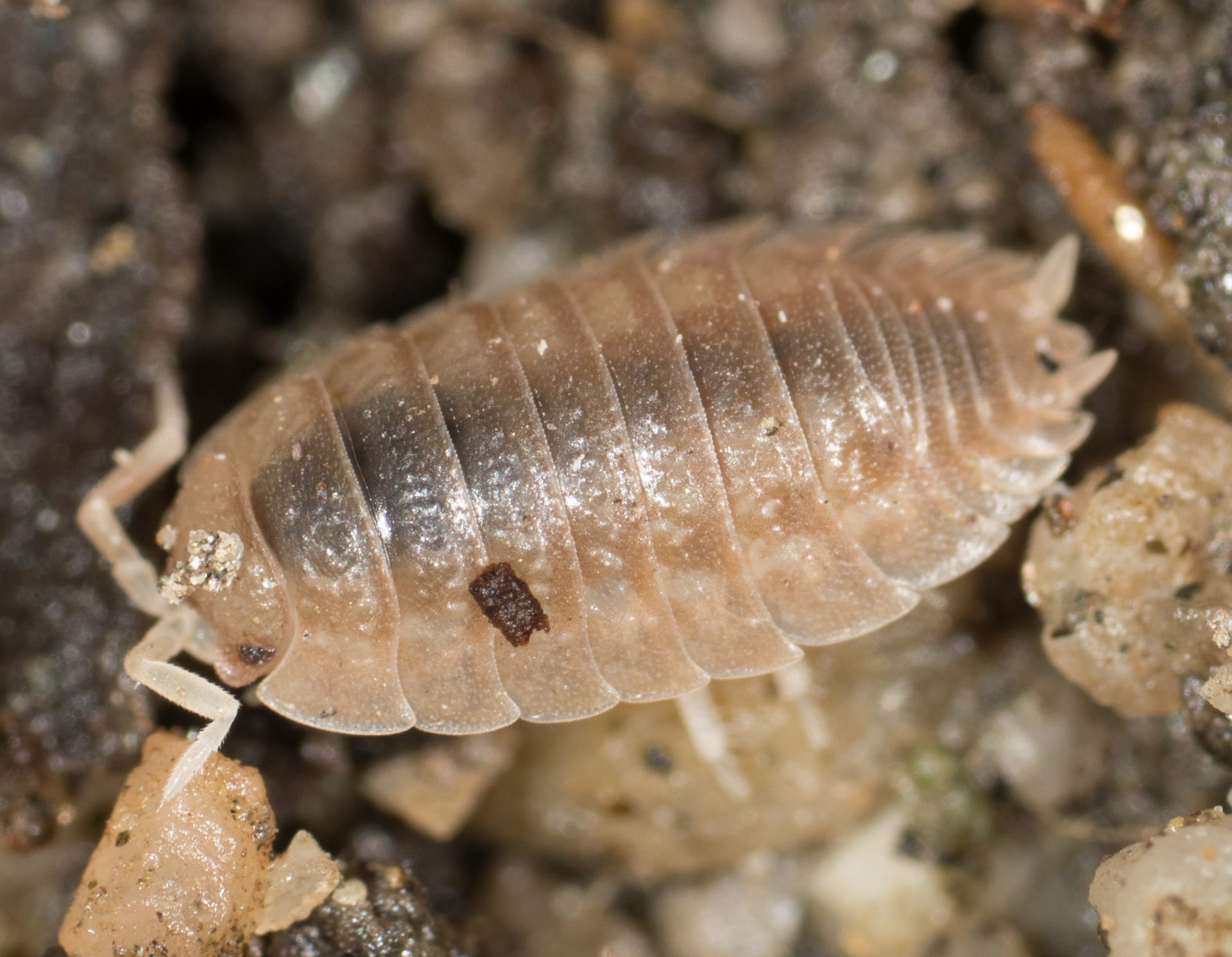
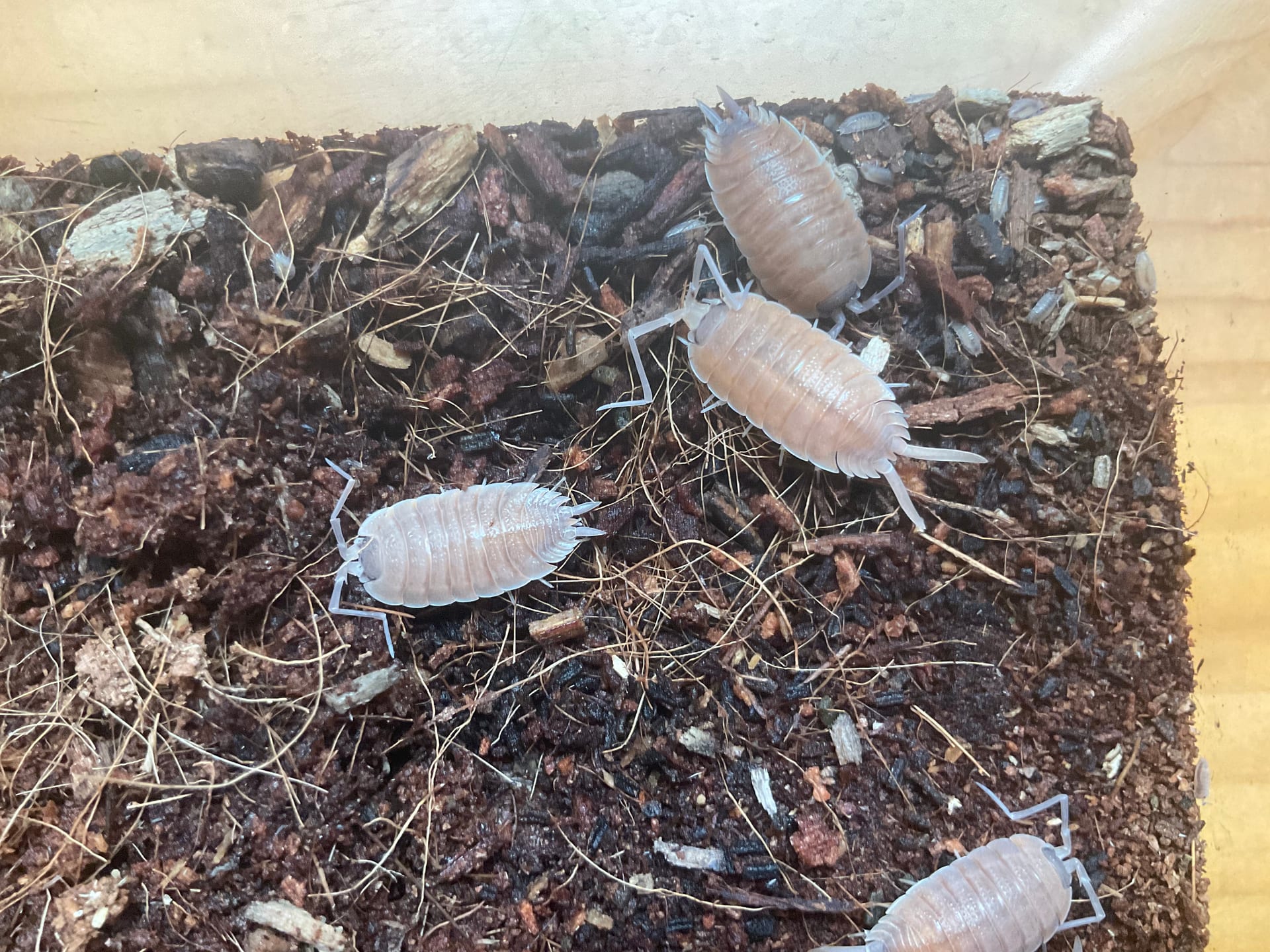
Porcellio flavomarginatus, described by Lucas in 1853, is a Greek woodlouse traded mainly as Cretan stock; WoRMS lists P. creticus, P. albomarginatus and several other names as synonyms. Adults are about 18-20mm. A white serrated skirt frames the near-black body and two rows of pale dots run along the back, making it one of the most eye-catching European woodlice. It is diurnal and shows itself readily after feeding or misting. Uniform tropical humidity is unnecessary, and colonies crash quickly when the enclosure becomes stagnant enough for condensation to form on the lid, so airflow comes first. Build the substrate from leaf litter, rotten wood and cork bark; leaves, bark, vegetables and isopod food are enough for feeding, with calcium always available. Once established it breeds steadily, and juveniles keep the adult pattern as they grow.
Source: Wikipedia (CC BY-SA 4.0)
Lifespan of the Flavomarginatus Isopod
The Flavomarginatus Isopod lives 2-3 years.
Size of the Flavomarginatus Isopod
The Flavomarginatus Isopod grows to About 18-20mm.
Temperature & humidity for the Flavomarginatus Isopod
The ideal temperature for the Flavomarginatus Isopod is 22〜25℃. Ideal humidity is 45〜60%.
Keep at 22-25C and 45-60% humidity with a clear split between a dry zone and a damp retreat.
Basic Info
Origin
Greece (including Crete)
Care Specifications
PeacefulGroupBreeding: Moderate
Sources: Insektenliebe (temperature, behaviour) / Exuvium Isopods (size, humidity, origin) / TC Insects (size, crash under stagnant humidity) / WoRMS
References & Sources
Edited & verified by: BreederDirect editorial team
The taxonomic, regulatory, and husbandry data on this page are compiled and verified against the authoritative primary sources below.
Taxonomy & Authority
Accepted name: Porcellio flavomarginatus Lucas, 1853
Synonyms: Porcellio albomarginatus, Porcellio andrius, Porcellio creticus, Porcellio decorus, Porcellio rechingeri
Authority databases: GBIF
Nomenclature follows global taxonomic authority databases.
Regulations & Conservation Status
Not CITES-listed
Sources: CITES Appendices (species not listed)
Regulations may change. Always verify the latest information with the relevant authorities.
Flavomarginatus Isopod Listings
Loading latest listingsFind listings for this species