Source: Wikimedia Commons
Orange Tree Spider
IntermediateAmazonius germani
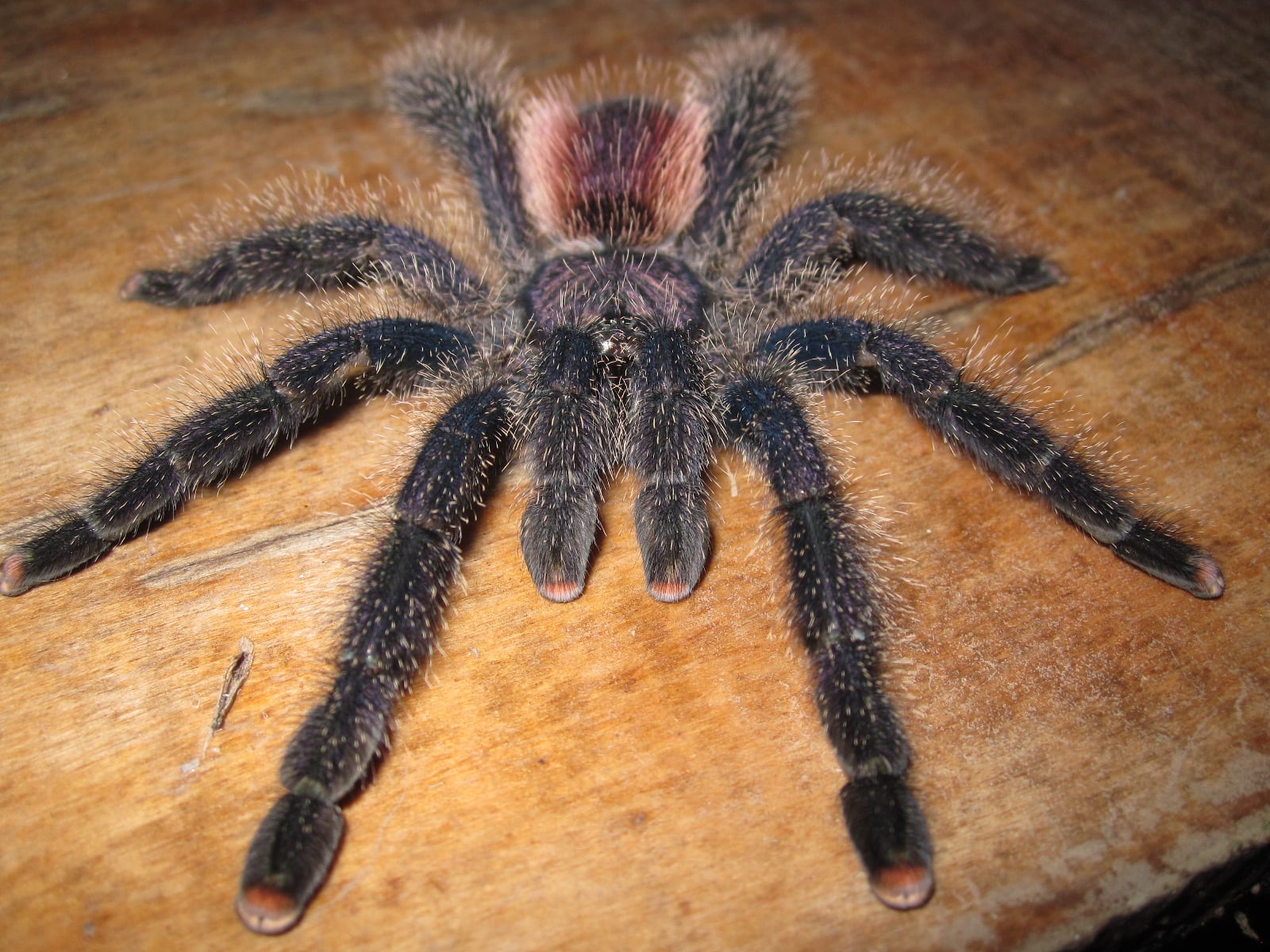
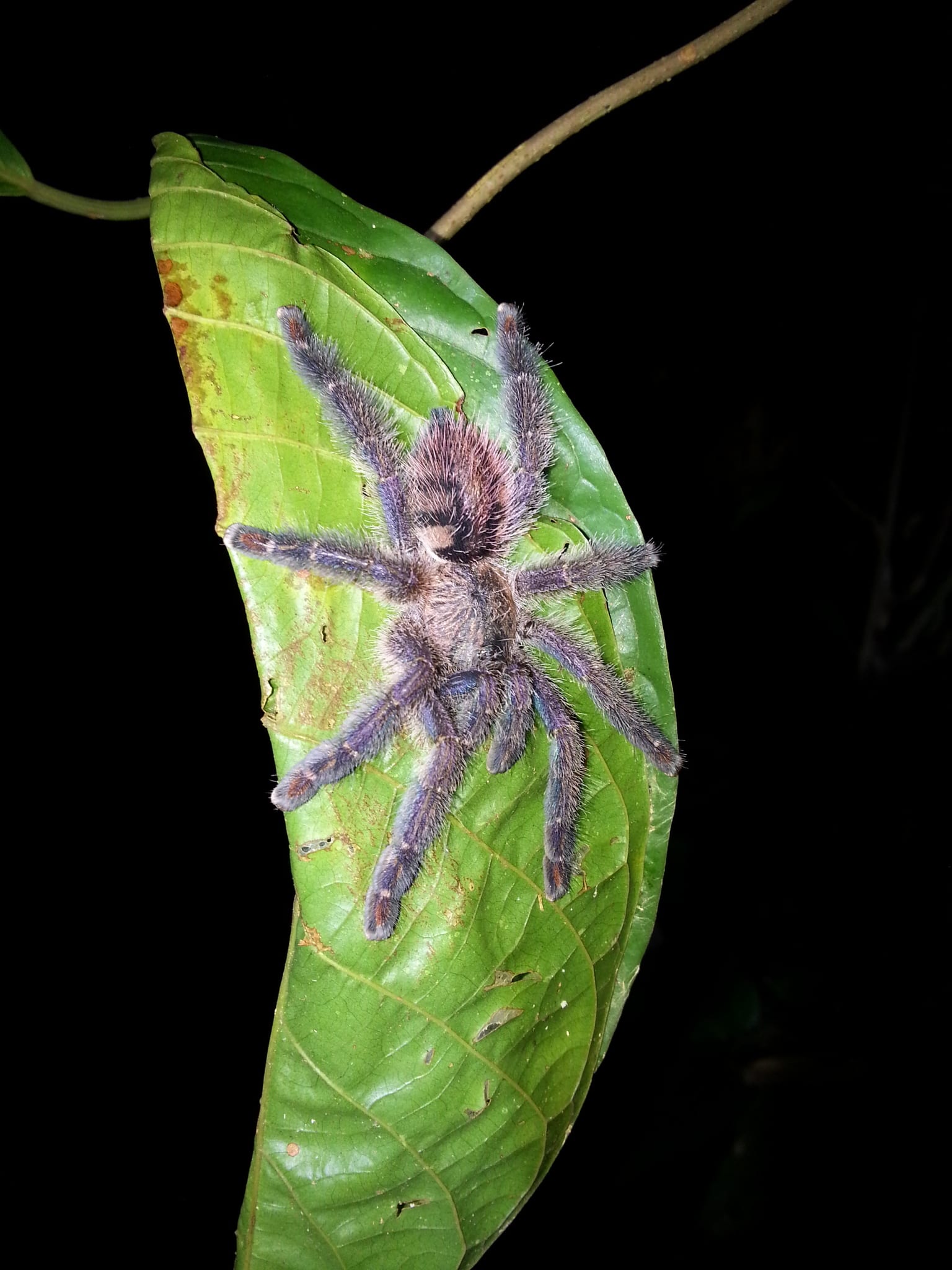
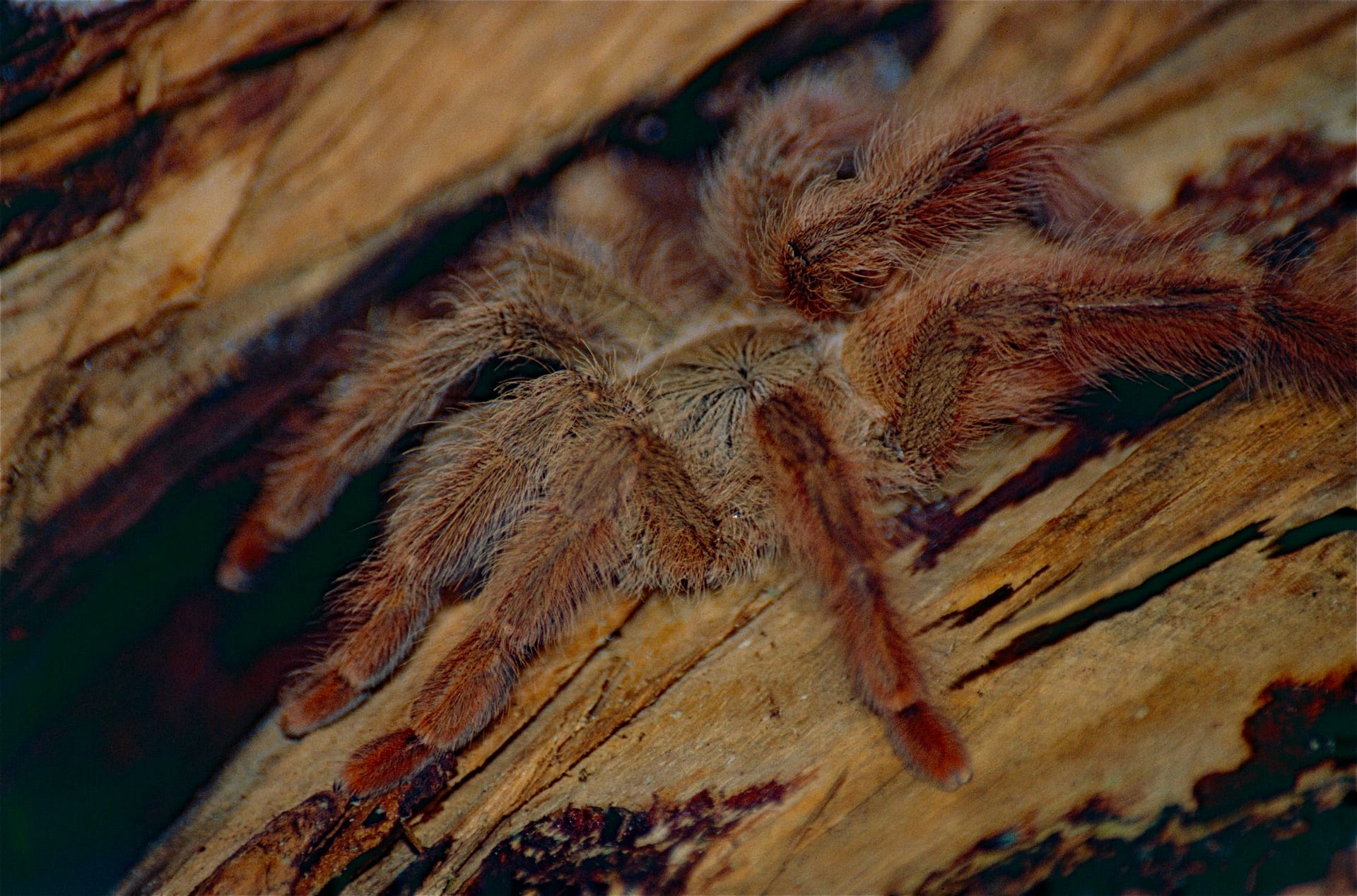
An arboreal tarantula with bright orange setae and a green or blue metallic sheen on the legs. It spins tube webs in tree crevices in lowland Amazon forest. It is fast and jumps well, so escapes during maintenance are a real risk.
Difficulty
Intermediate
Lifespan
Females 4-5 years; males 2-3 months after maturing
Size
Body about 5cm (female)
Diet
Active live insects such as crickets and roaches
About
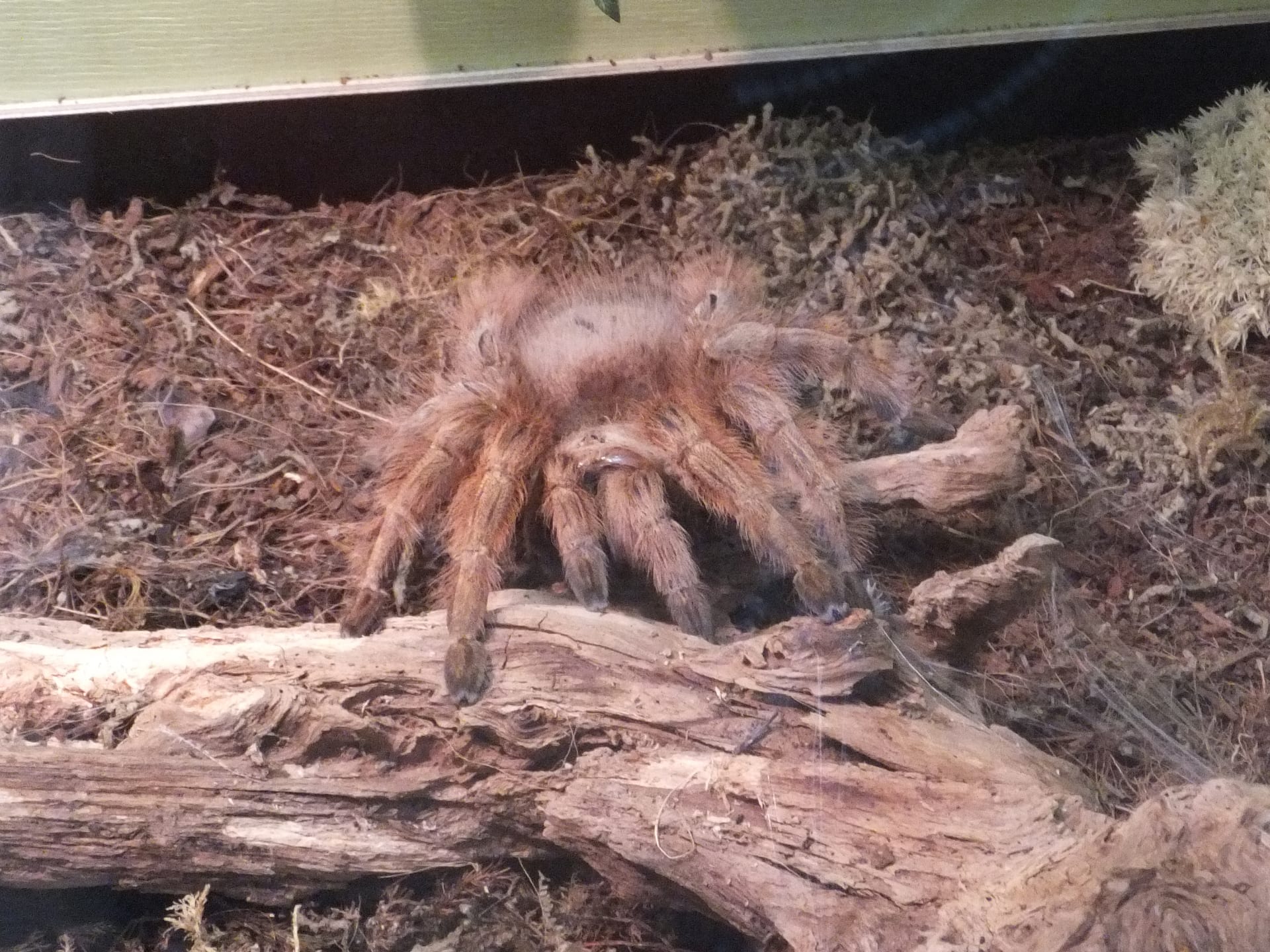
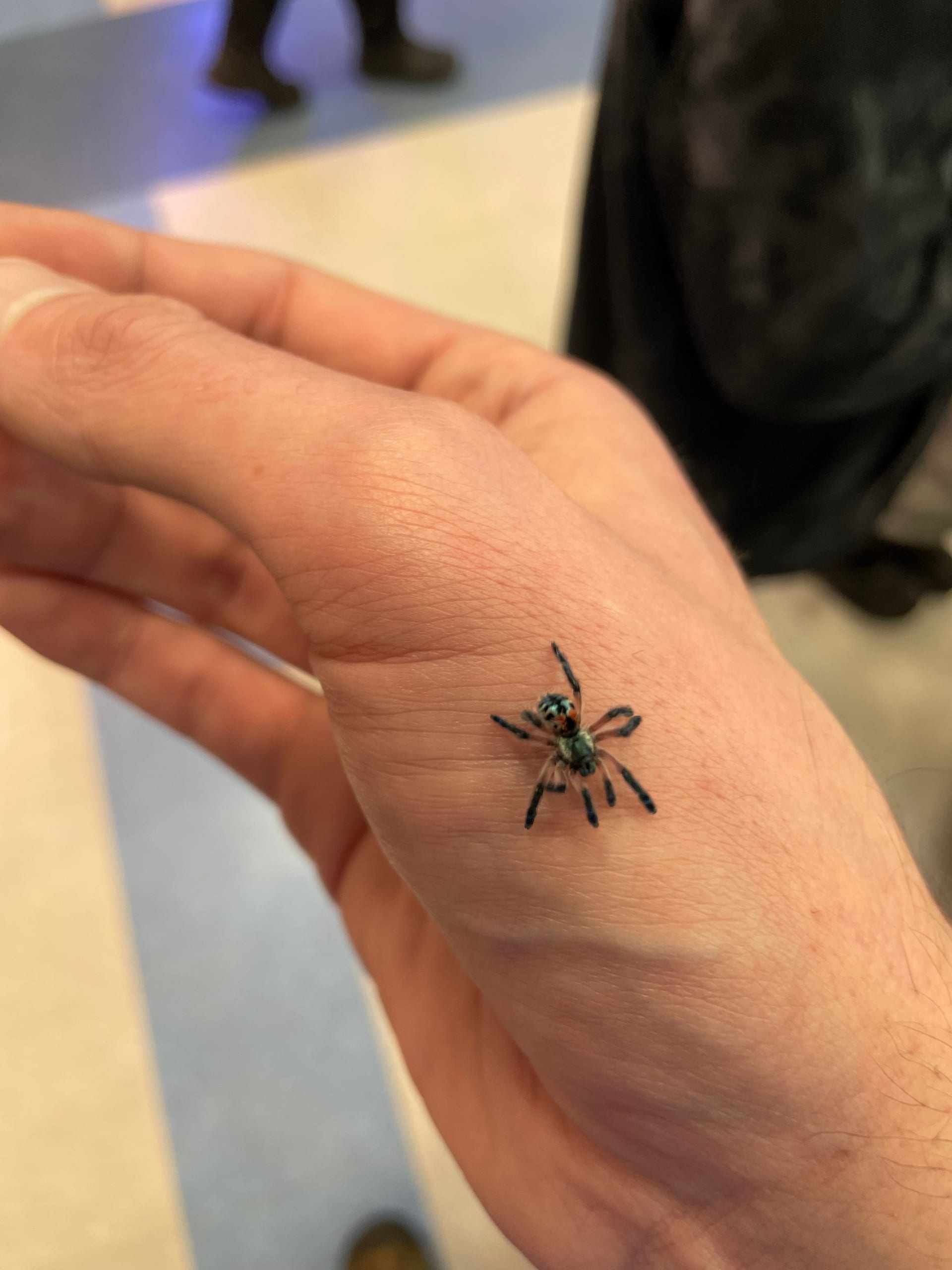
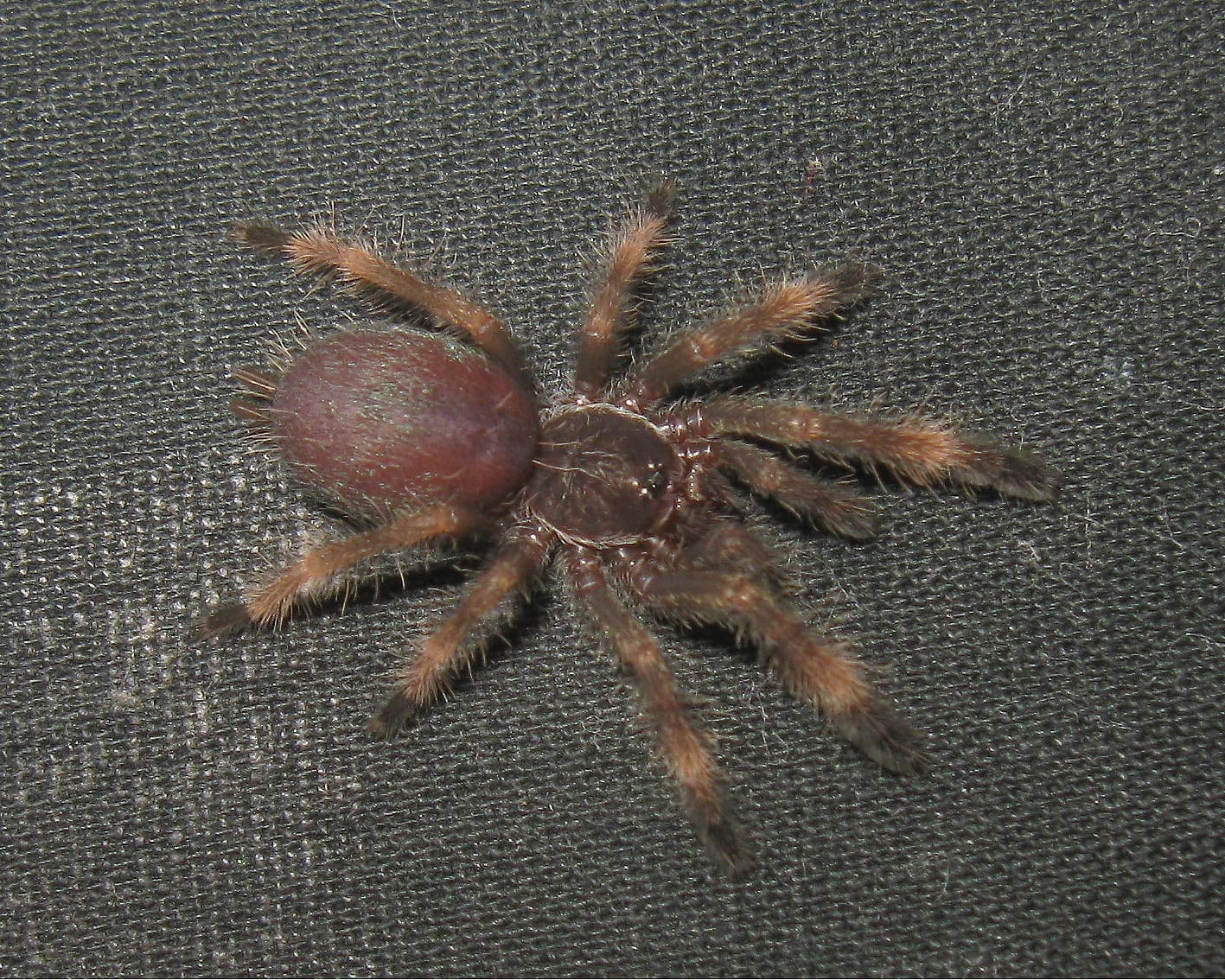
Amazonius germani was described in 2022 by Cifuentes and Bertani. Since Schmidt misidentified French Guianan specimens as Tapinauchenius gigas in 1994 it circulated in the hobby under that name; it was moved to Pseudoclamoris in 2018 and finally placed in the new genus Amazonius in 2022. It occurs in lowland Amazon rainforest in Venezuela, French Guiana, Colombia, Brazil and Peru, where it spins tube webs in tree crevices. Juveniles are orange with a black carapace, abdomen and tarsi and an orange-yellow pattern on the abdomen, while adults are orange with a beige carapace and a green or blue metallic sheen on the legs; males turn grey after their final moult. Females live only 4-5 years and males survive 2-3 months after maturing. The species is nervous, will sometimes adopt a threat posture, and both jumps and runs quickly, although its venom is considered weak.
Source: Wikipedia (CC BY-SA 4.0)
Lifespan of the Orange Tree Spider
The Orange Tree Spider lives Females 4-5 years; males 2-3 months after maturing.
Size of the Orange Tree Spider
The Orange Tree Spider grows to Body about 5cm (female).
Females reach about 5cm in body length.
Basic Info
Origin
Lowland Amazon rainforest in northern South America (Venezuela, French Guiana, Colombia, Brazil, Peru)
Lifespan
Females 4-5 years; males 2-3 months after maturing
Size
Care Specifications
Semi-aggressiveSolitary
Sources: Polish Wikipedia: Amazonius germani / Wikipedia: Amazonius germani / GBIF
References & Sources
Edited & verified by: BreederDirect editorial team
The taxonomic, regulatory, and husbandry data on this page are compiled and verified against the authoritative primary sources below.
Taxonomy & Authority
Accepted name: Amazonius germani Cifuentes & Bertani, 2022
Authority databases: GBIF
Nomenclature follows global taxonomic authority databases.
Regulations & Conservation Status
Not CITES-listed
Sources: CITES Appendices (species not listed)
Regulations may change. Always verify the latest information with the relevant authorities.
Orange Tree Spider Listings
Loading latest listingsFind listings for this species