Source: Wikimedia Commons
Large-clawed Scorpion
IntermediateScorpio maurus
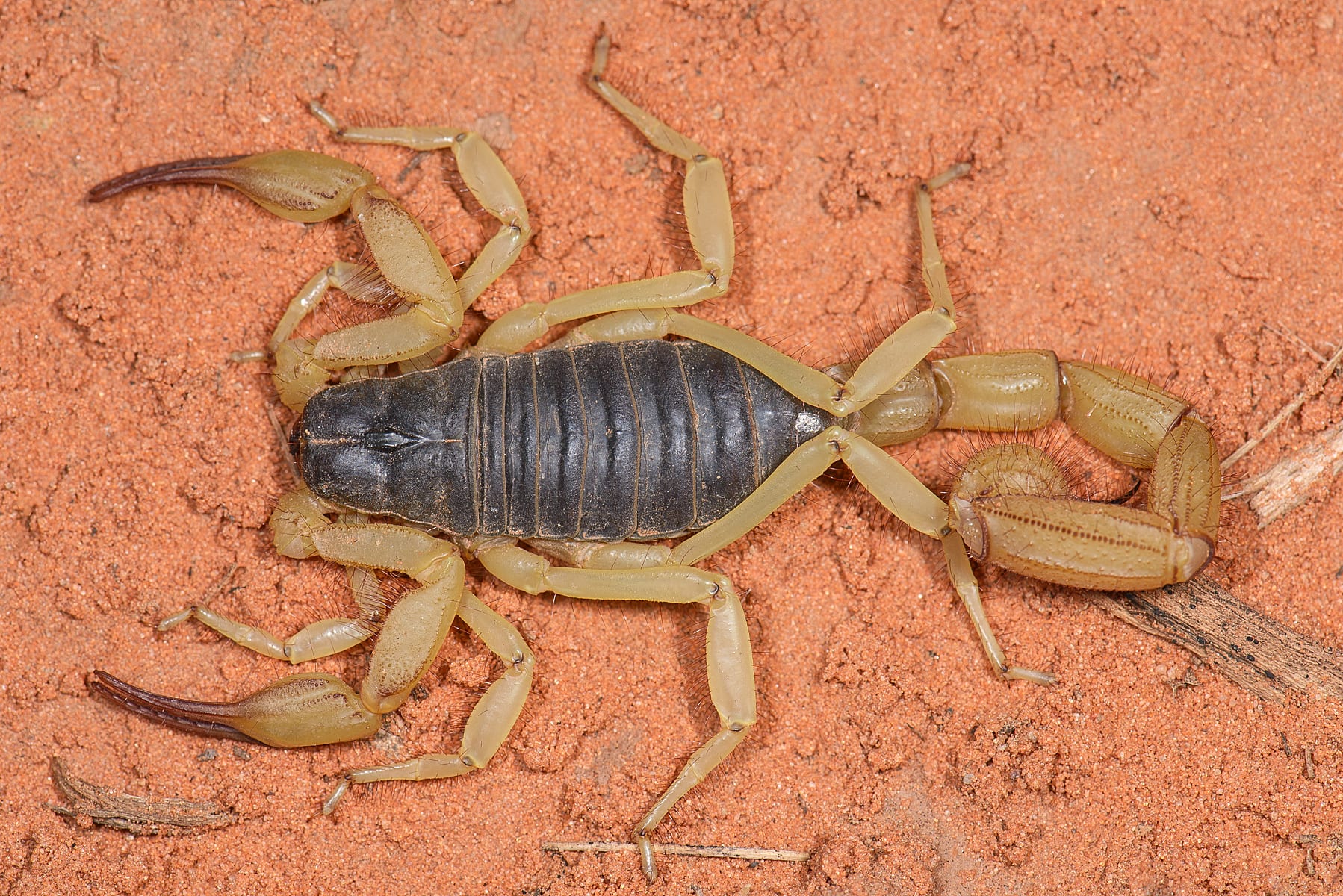
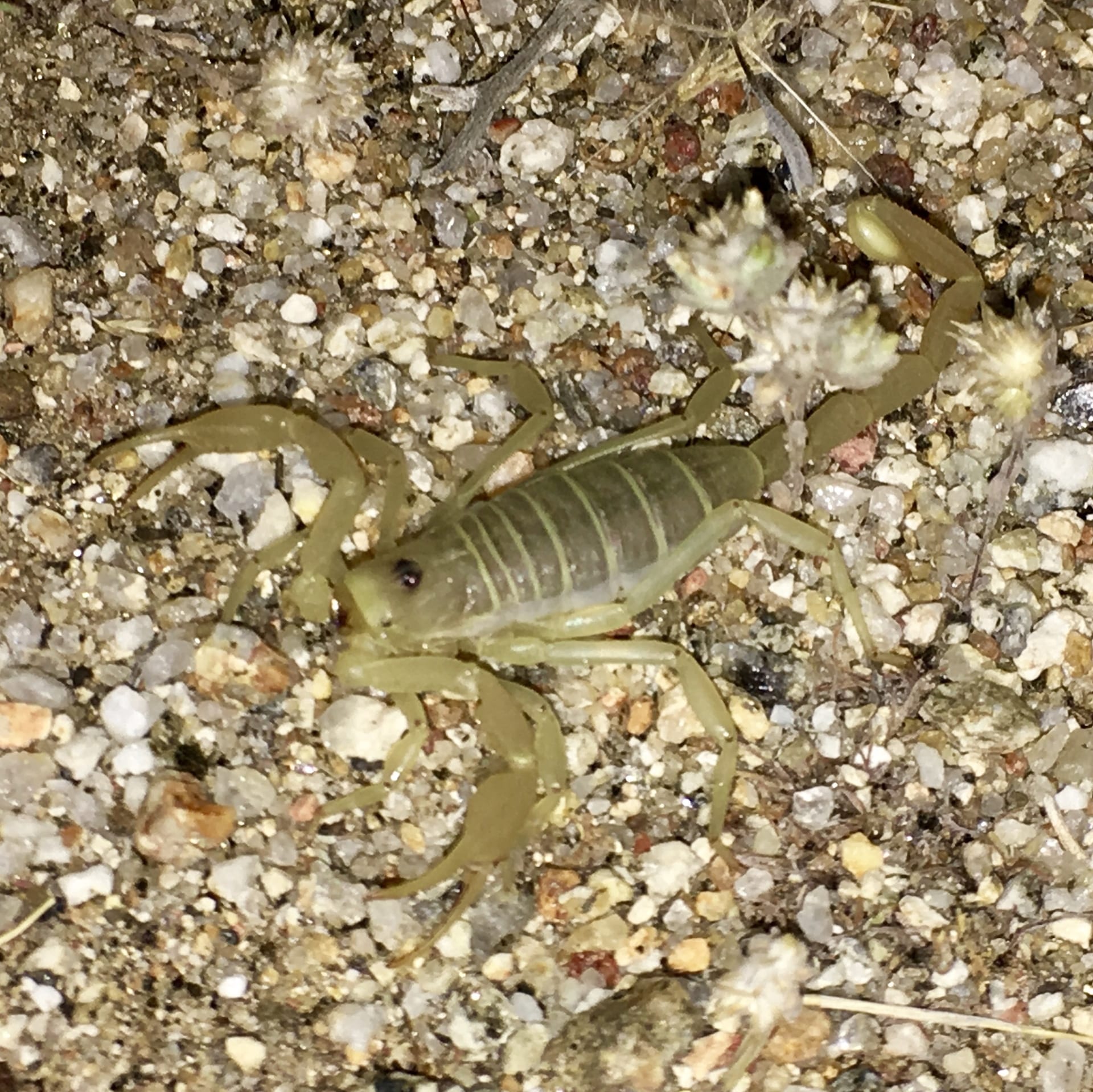
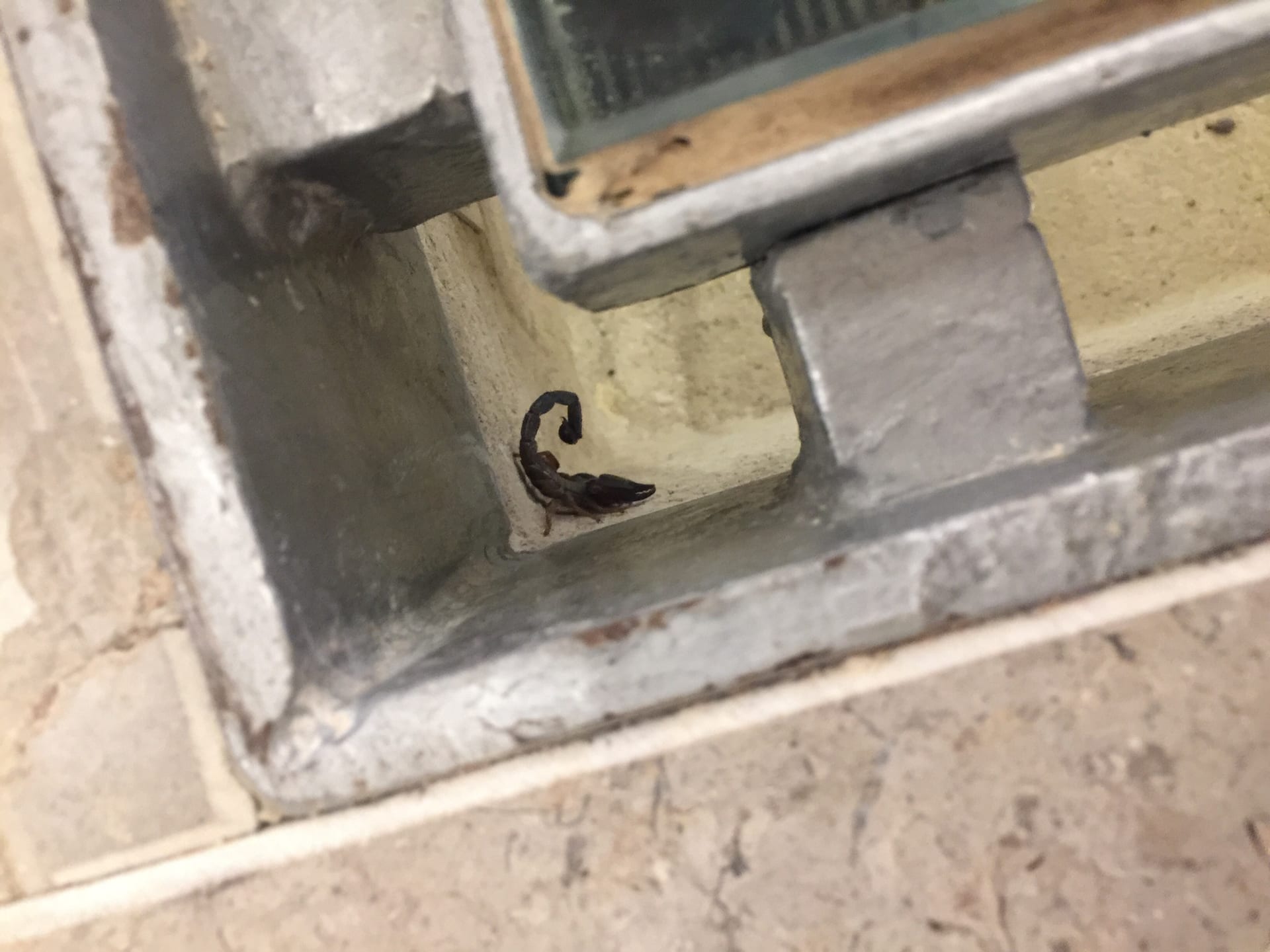
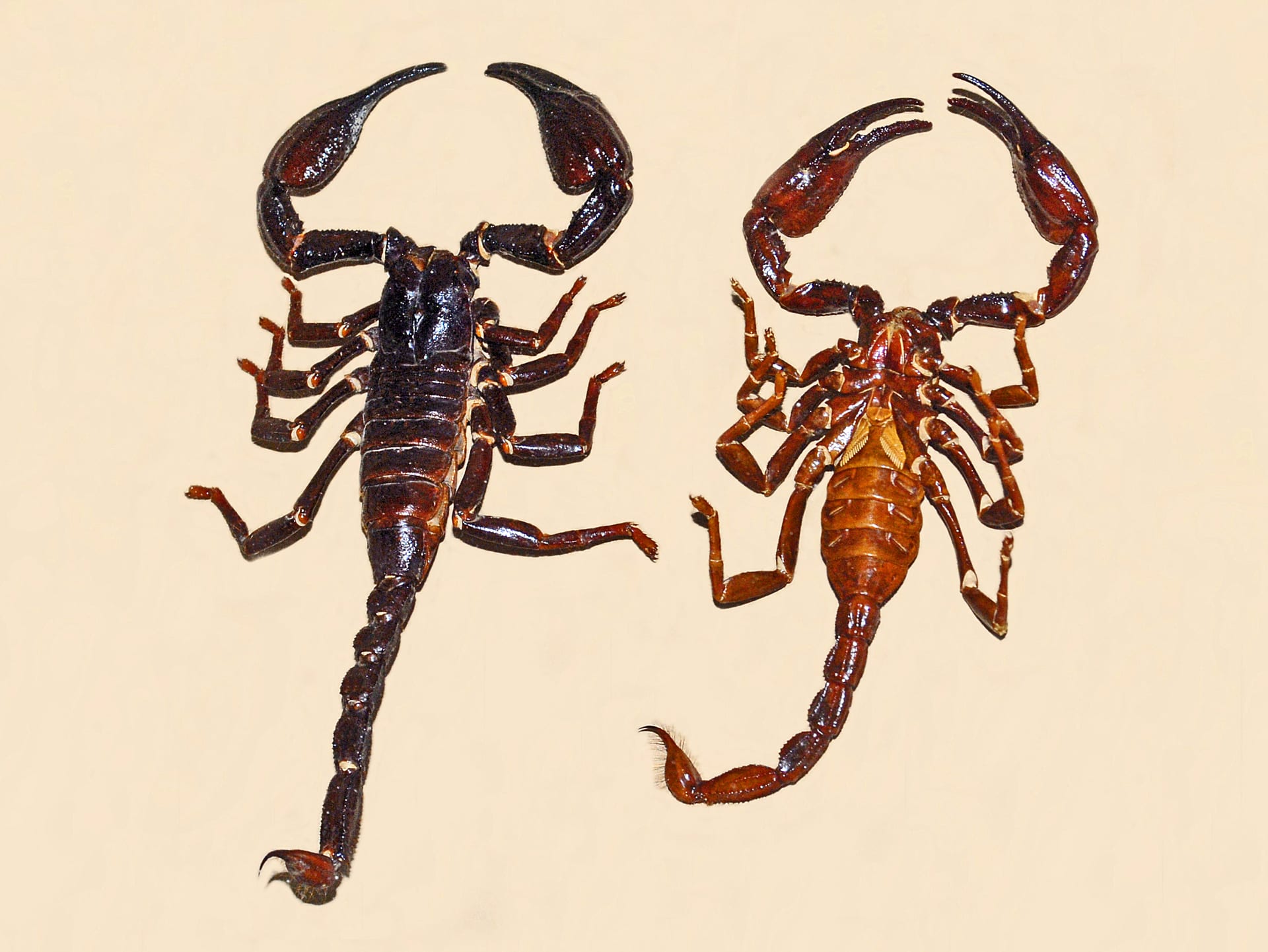
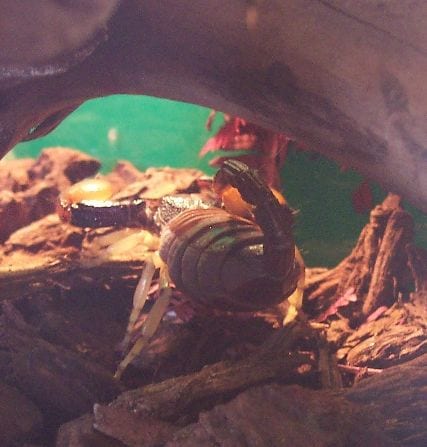
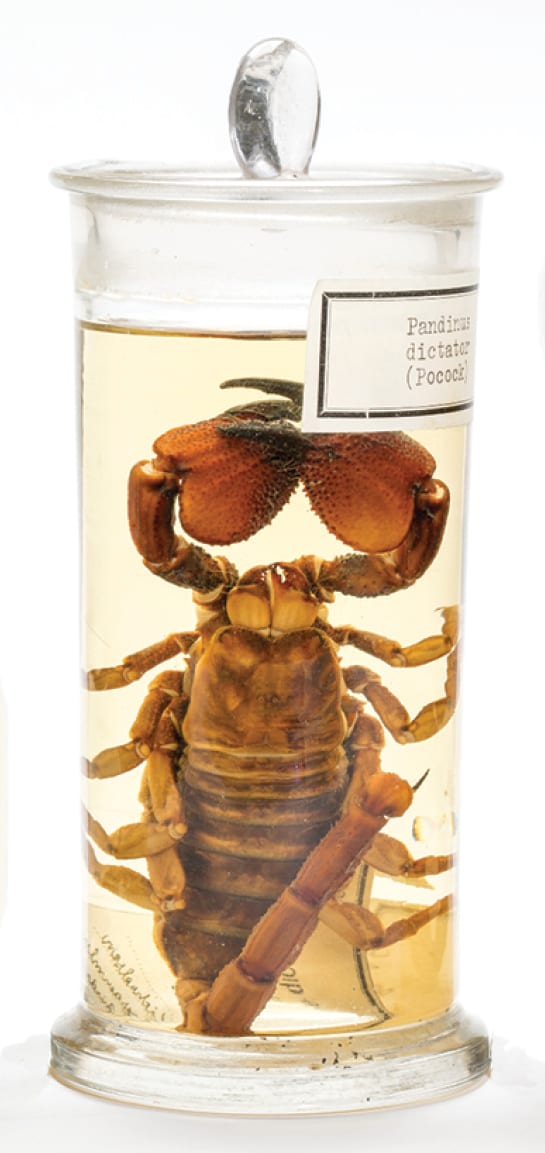
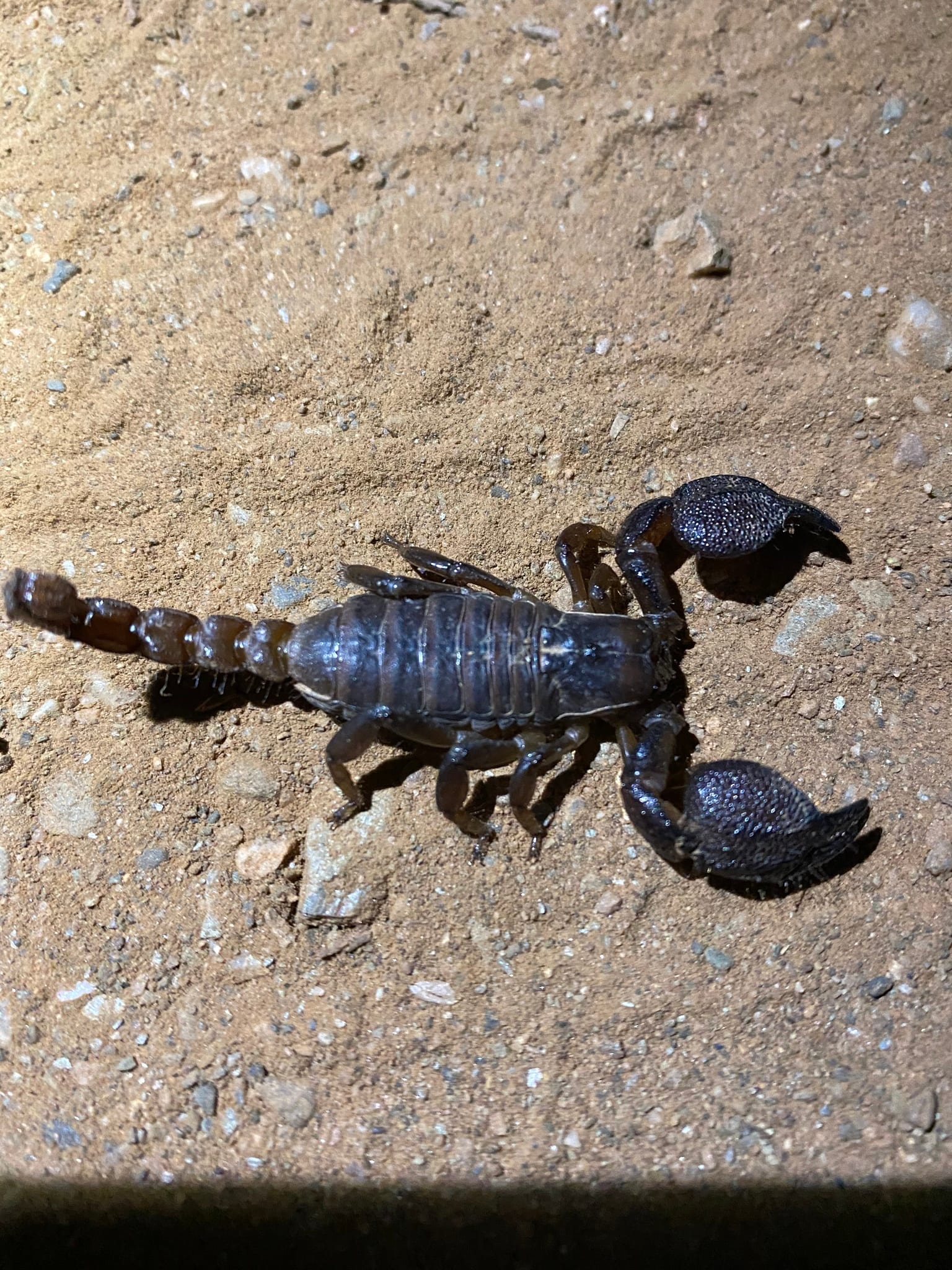
A scorpion of about 8cm from North Africa and the Middle East, with a brown body and golden claws. In the desert it digs extremely deep burrows, up to a metre down. Its venom is weak and it poses little danger to people.
Difficulty
Intermediate
Lifespan
About 10 years
Size
About 8cm (76mm) total length
Diet
Live insects such as crickets
About
Scorpio maurus is a small to medium scorpionid of North Africa and the Middle East, about 8 cm long. Its brown back and golden pincers have earned it the names large-clawed scorpion and Israeli gold scorpion. Nineteen subspecies have been described by Fet and colleagues, and the taxonomy remains unsettled. It lives in deserts and occasionally in sparse woodland, digging very deep burrows that can reach a metre down. Because of that habit, captives are said to do best with deep substrate whose lower layers are kept moist, so that the burrow itself stays comparatively humid. The venom contains a wide range of components, including proteases, phospholipases, protease inhibitors and delta-KTx potassium channel toxins, along with a weak neurotoxin called maurotoxin, but the species is not dangerous to humans and no fatalities have been recorded.
Source: Wikipedia (CC BY-SA 4.0)
Lifespan of the Large-clawed Scorpion
The Large-clawed Scorpion lives About 10 years.
Size of the Large-clawed Scorpion
The Large-clawed Scorpion grows to About 8cm (76mm) total length.
Basic Info
Origin
North Africa and the Middle East (Algeria, Tunisia, Morocco, Egypt, Syria, Turkey, Israel, Iraq and neighbouring countries)
Lifespan
About 10 years
Size
About 8cm (76mm) total length
Diet
References & Sources
Edited & verified by: BreederDirect editorial team
The taxonomic, regulatory, and husbandry data on this page are compiled and verified against the authoritative primary sources below.
Taxonomy & Authority
Accepted name: Scorpio maurus Linnaeus, 1758
Authority databases: GBIF
Nomenclature follows global taxonomic authority databases.
Regulations & Conservation Status
Not CITES-listed
Sources: CITES Appendices (species not listed)
Regulations may change. Always verify the latest information with the relevant authorities.
Large-clawed Scorpion Listings
Loading latest listingsFind listings for this species