Source: Wikimedia Commons
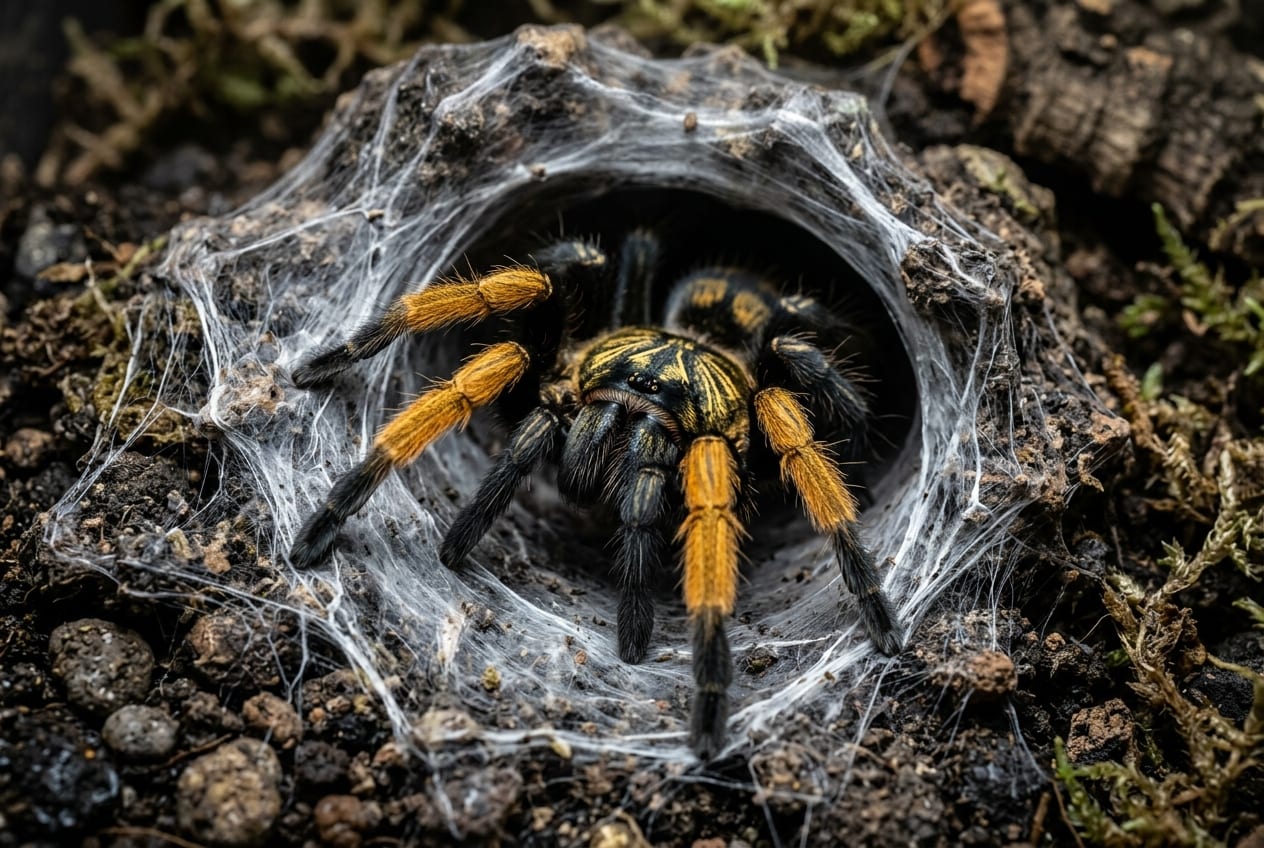
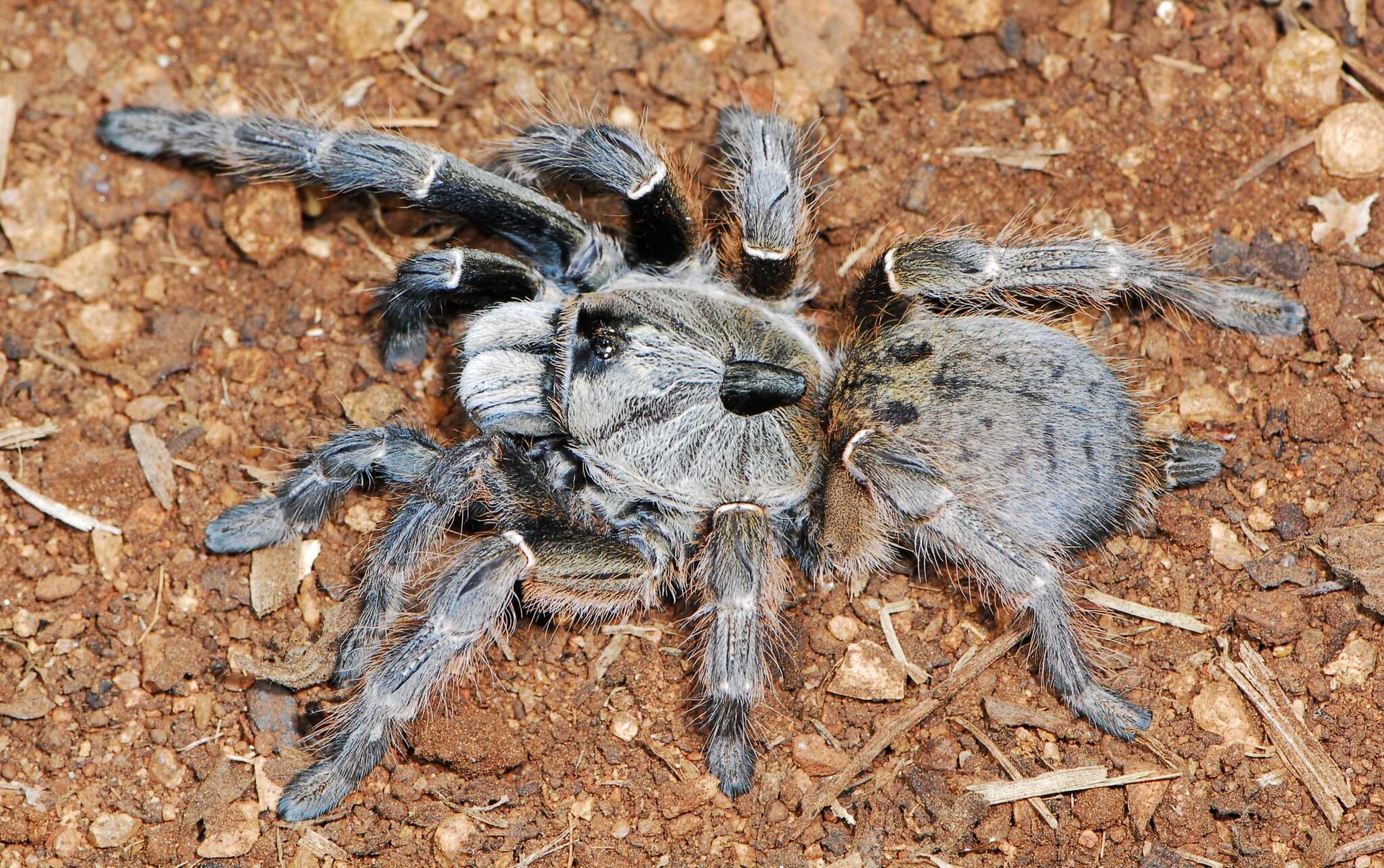
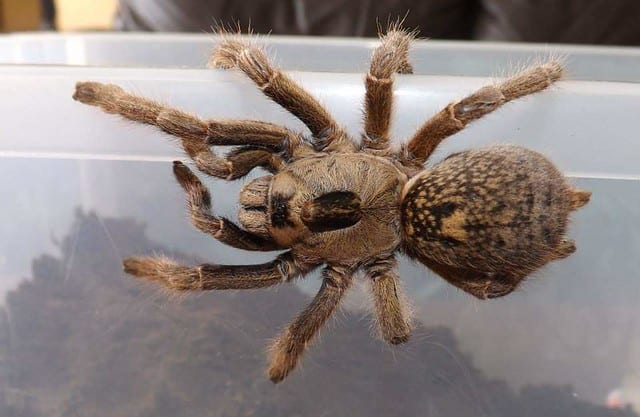
Greater horned baboon tarantula
AdvancedCeratogyrus brachycephalus
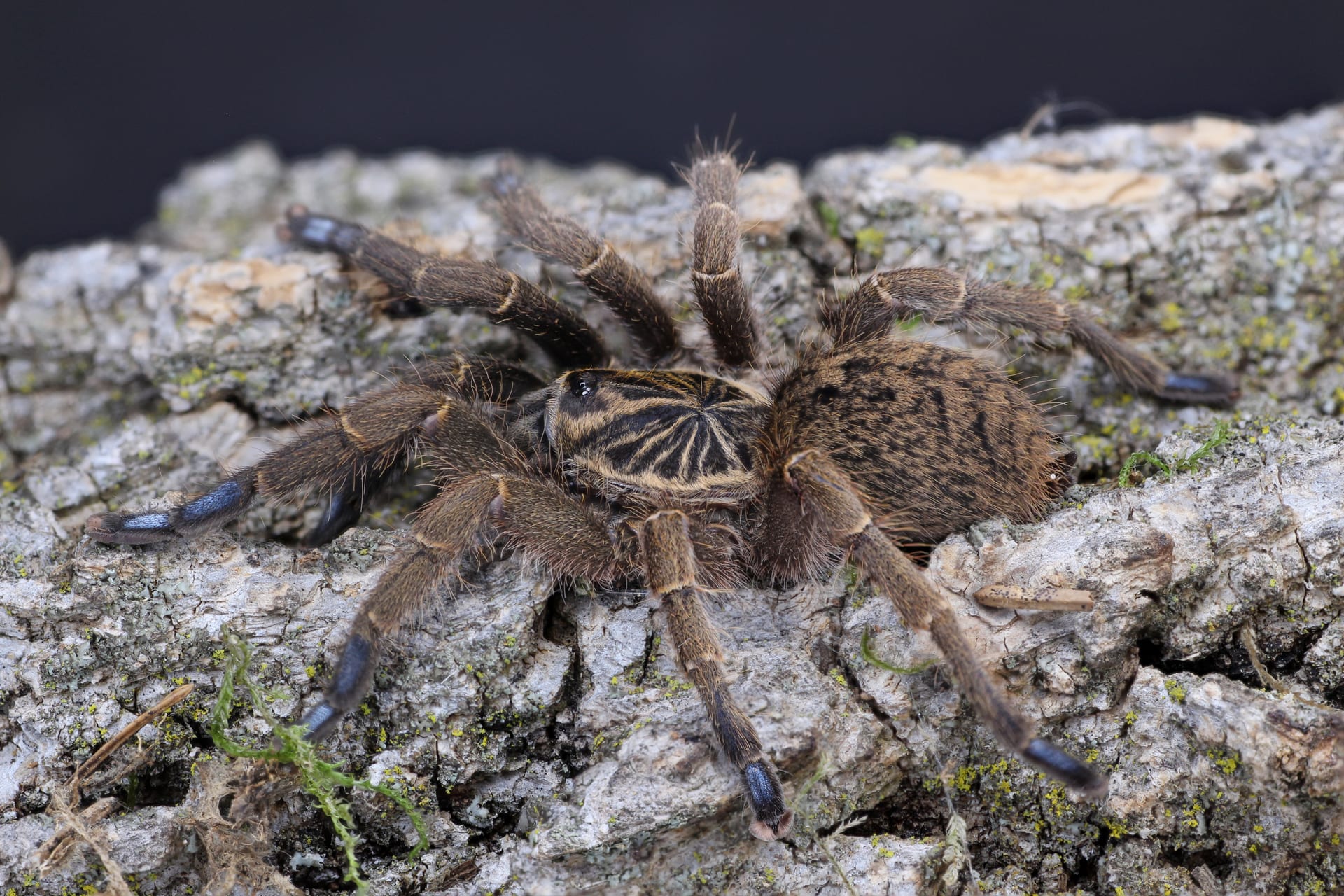
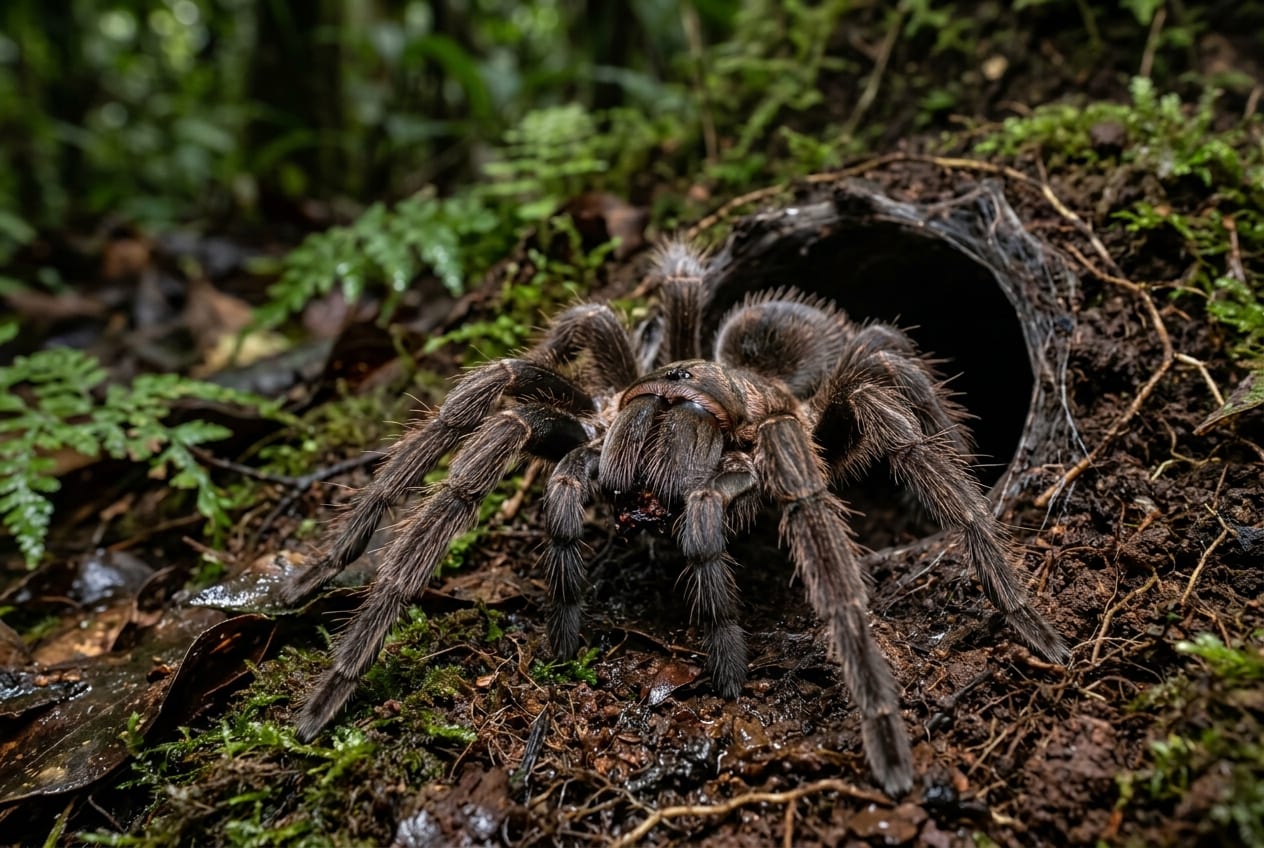
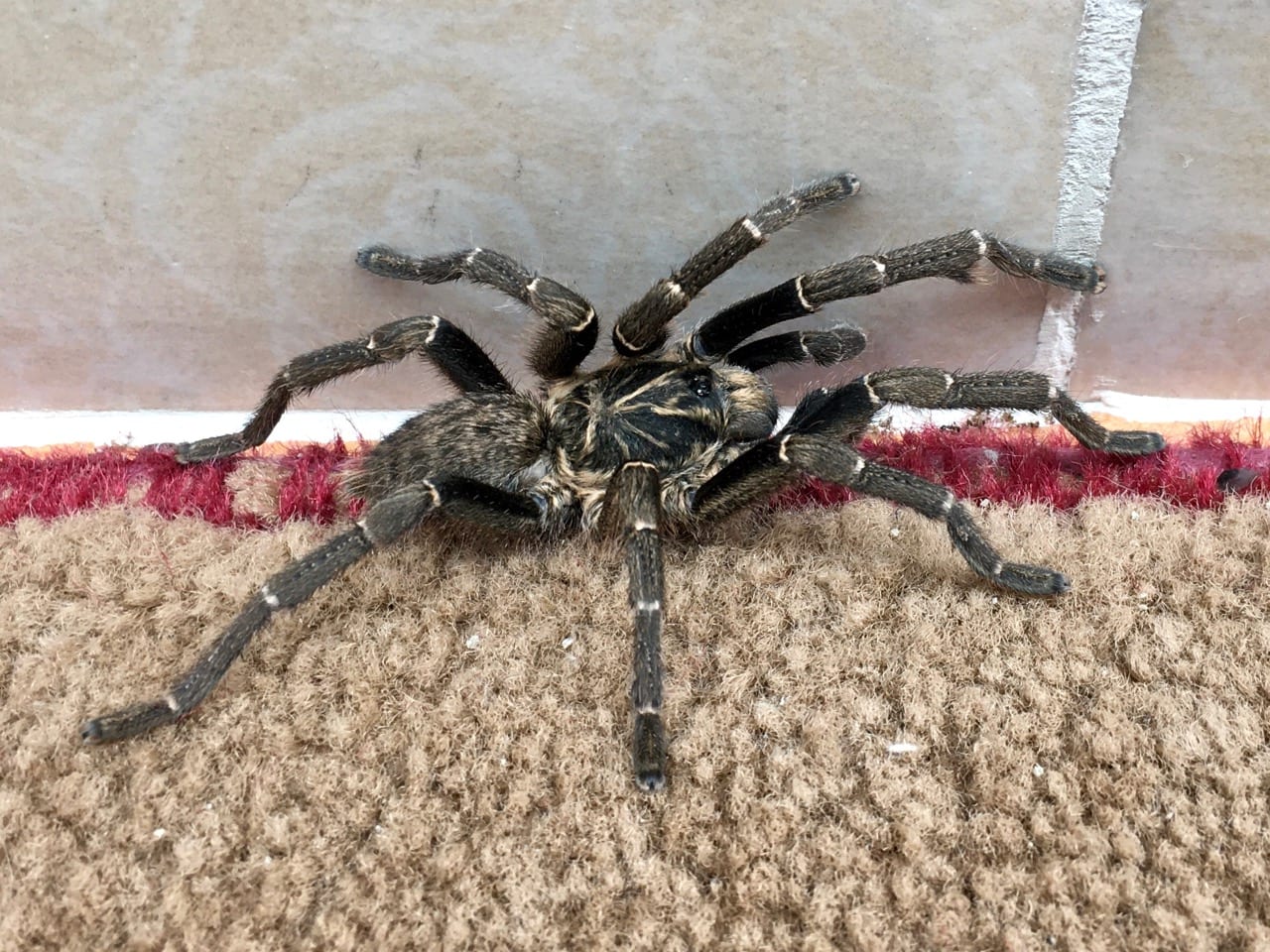
A burrowing tarantula from southern Africa with a large horn-like protuberance on its carapace. It reaches a leg span of about 12 cm and is extremely fast and defensive.
Difficulty
Advanced
Lifespan
Little data
Size
Leg span up to about 12 cm
Diet
Carnivorous (live insects such as crickets and roaches)
About
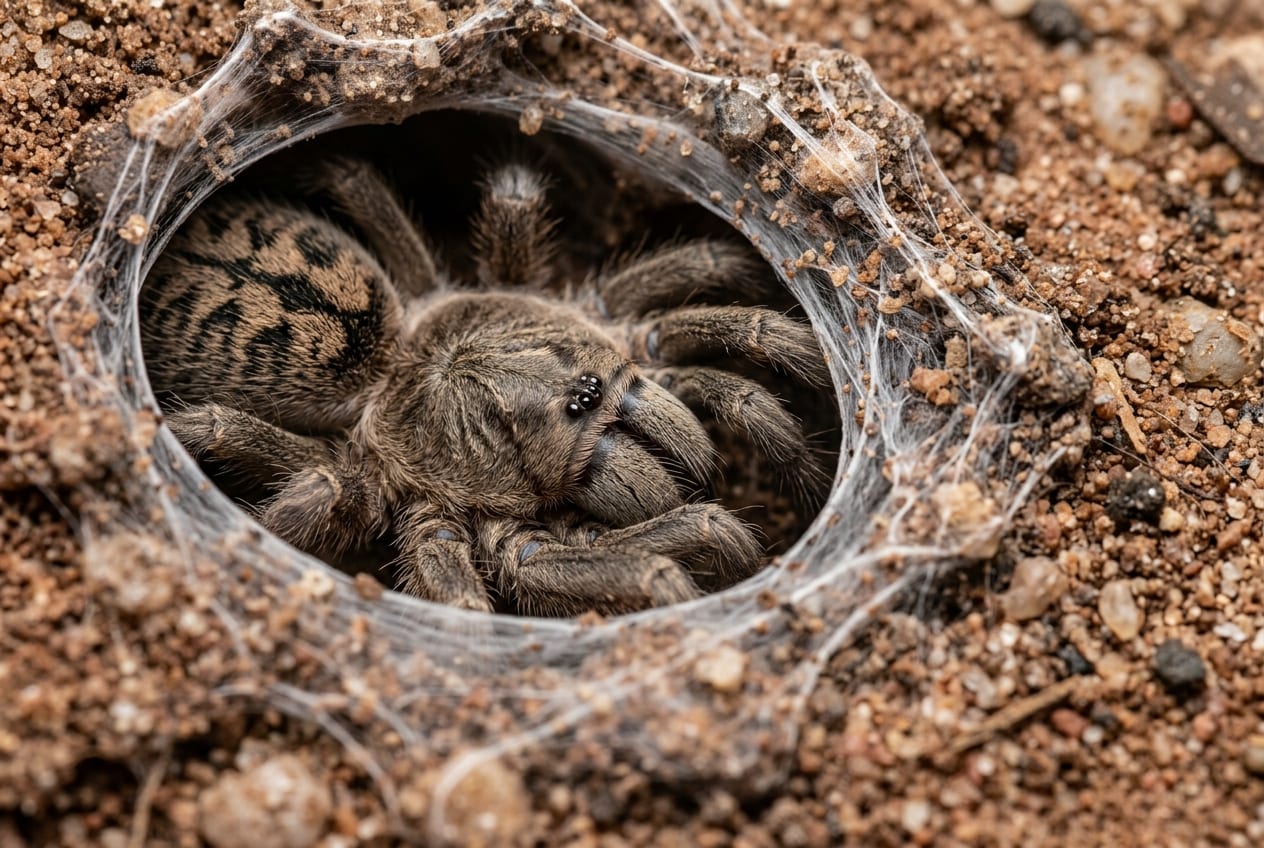
Ceratogyrus brachycephalus Hewitt, 1919 is an Old World terrestrial tarantula of the family Theraphosidae, named for the horn-like protuberance on its carapace. It is found in Botswana, Zimbabwe and South Africa and reaches a leg span of about 12 cm. It prefers to burrow, and without substrate to dig in it builds webbed tunnels. It is relatively common among hobbyists, but it is extremely fast and aggressive, so care is needed during maintenance. It has also been suggested that some animals sold as this species may actually be C. sanderi or hybrids. Care information for C. sanderi notes that it lacks urticating hairs and defends itself with speed, fangs and venom, and that bites cause strong pain, muscle cramping, nausea and headaches, though they are not considered medically significant. In Japan specialist shops offer animals, including wild-form stock.
Source: Wikipedia (CC BY-SA 4.0)
Lifespan of the Greater horned baboon tarantula
Primary data on the lifespan and temperature needs of this species are scarce.
Size of the Greater horned baboon tarantula
The Greater horned baboon tarantula grows to Leg span up to about 12 cm.
Basic Info
Origin
Southern Africa (Botswana, Zimbabwe, South Africa)
Lifespan
Little data
Size
Leg span up to about 12 cm
Diet
References & Sources
Edited & verified by: BreederDirect editorial team
The taxonomic, regulatory, and husbandry data on this page are compiled and verified against the authoritative primary sources below.
Taxonomy & Authority
Regulations & Conservation Status
Not CITES-listed
It is not a designated invasive species, an uncategorised alien species or a taxon needing an identification certificate in Japan, and it is not listed by CITES (September 2026). It is a non-native tarantula, so keep it in escape-proof housing and never release captive animals.
Sources: Ministry of the Environment: List of regulated alien species, including taxa needing an identification certificate (JA) / Species+ CITES query (not listed)
Regulations may change. Always verify the latest information with the relevant authorities.
Greater horned baboon tarantula Listings
Loading latest listingsFind listings for this species