Source: Wikimedia Commons
Giant Amazon Whip Spider
AdvancedHeterophrynus batesii
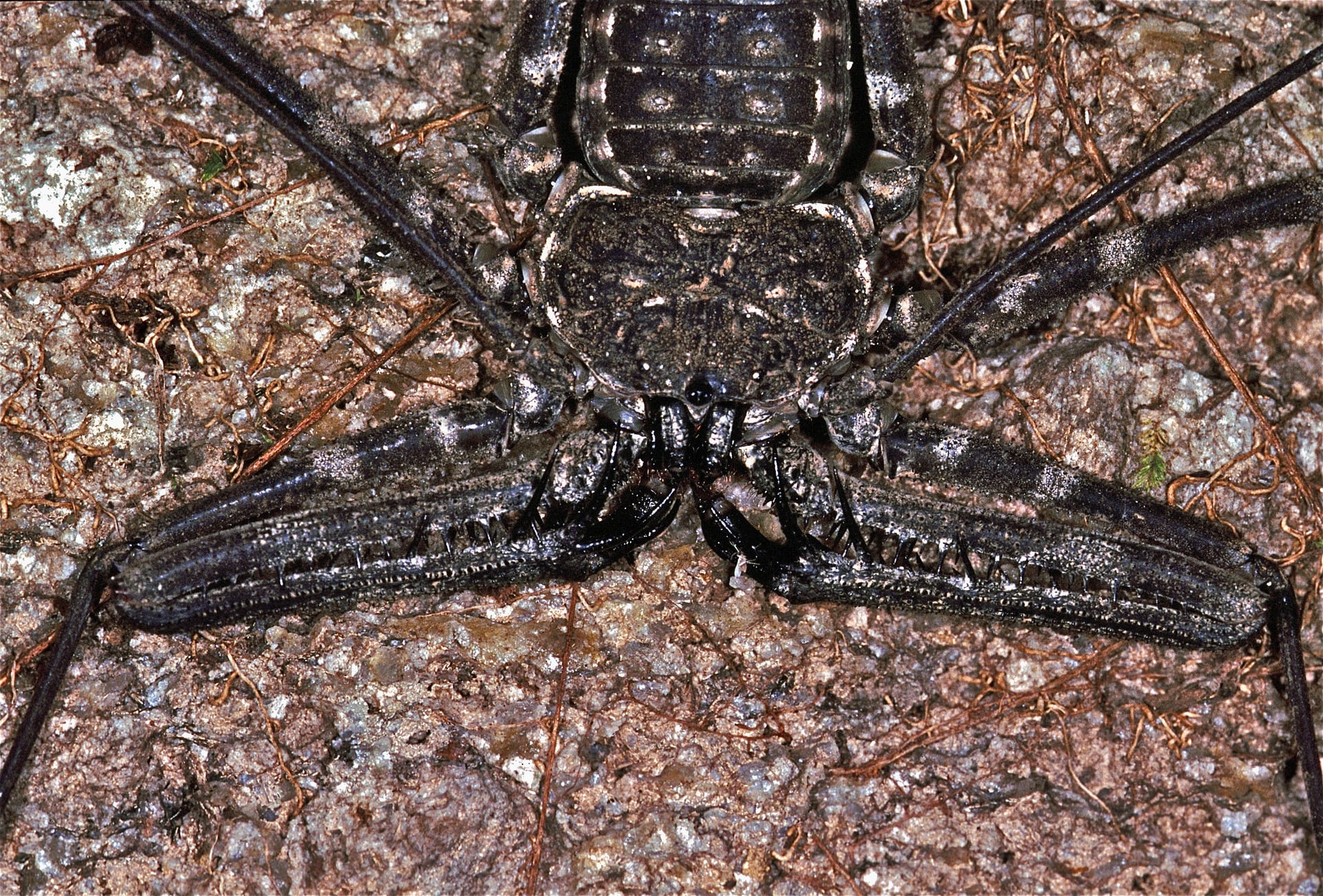
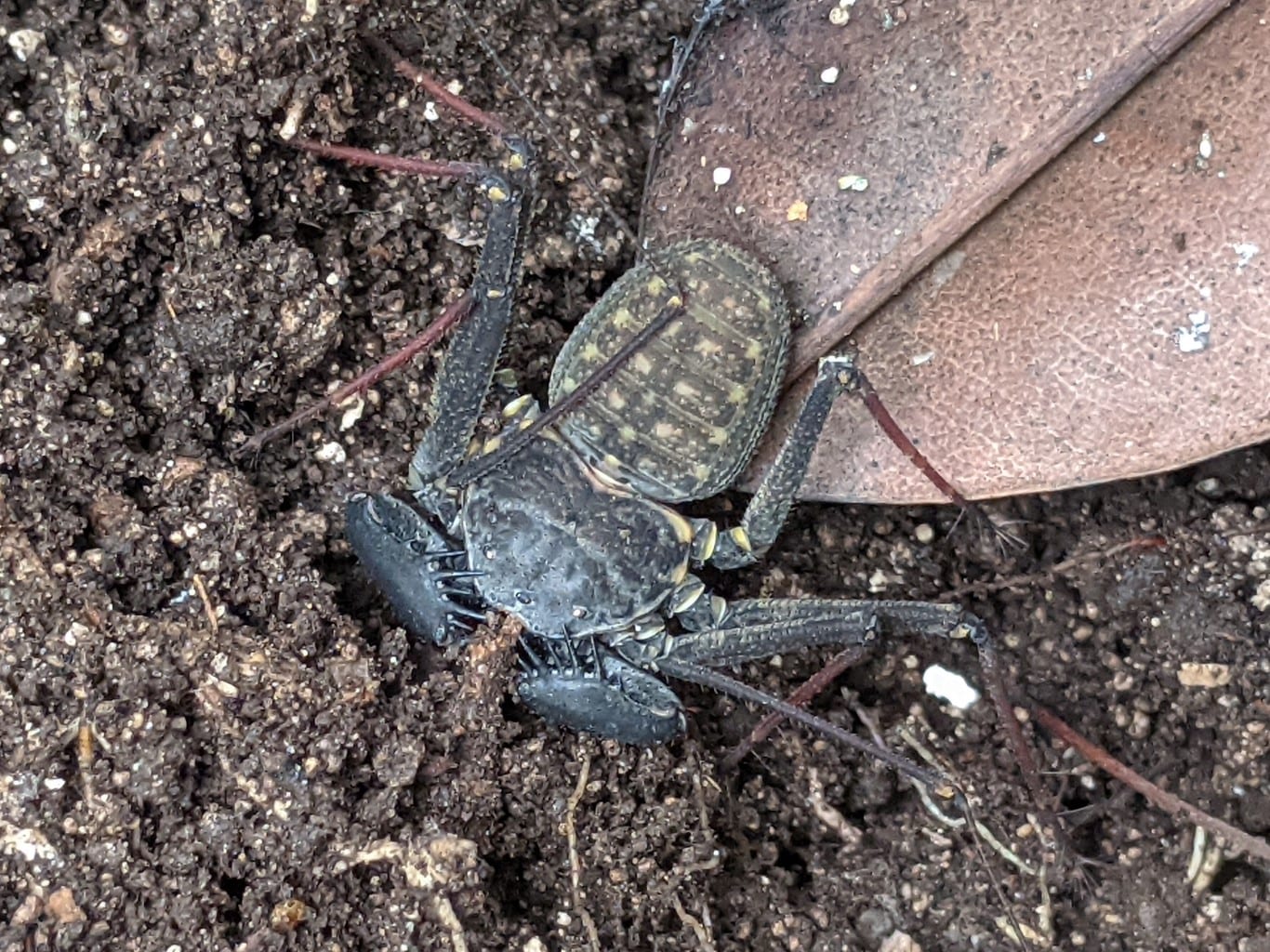
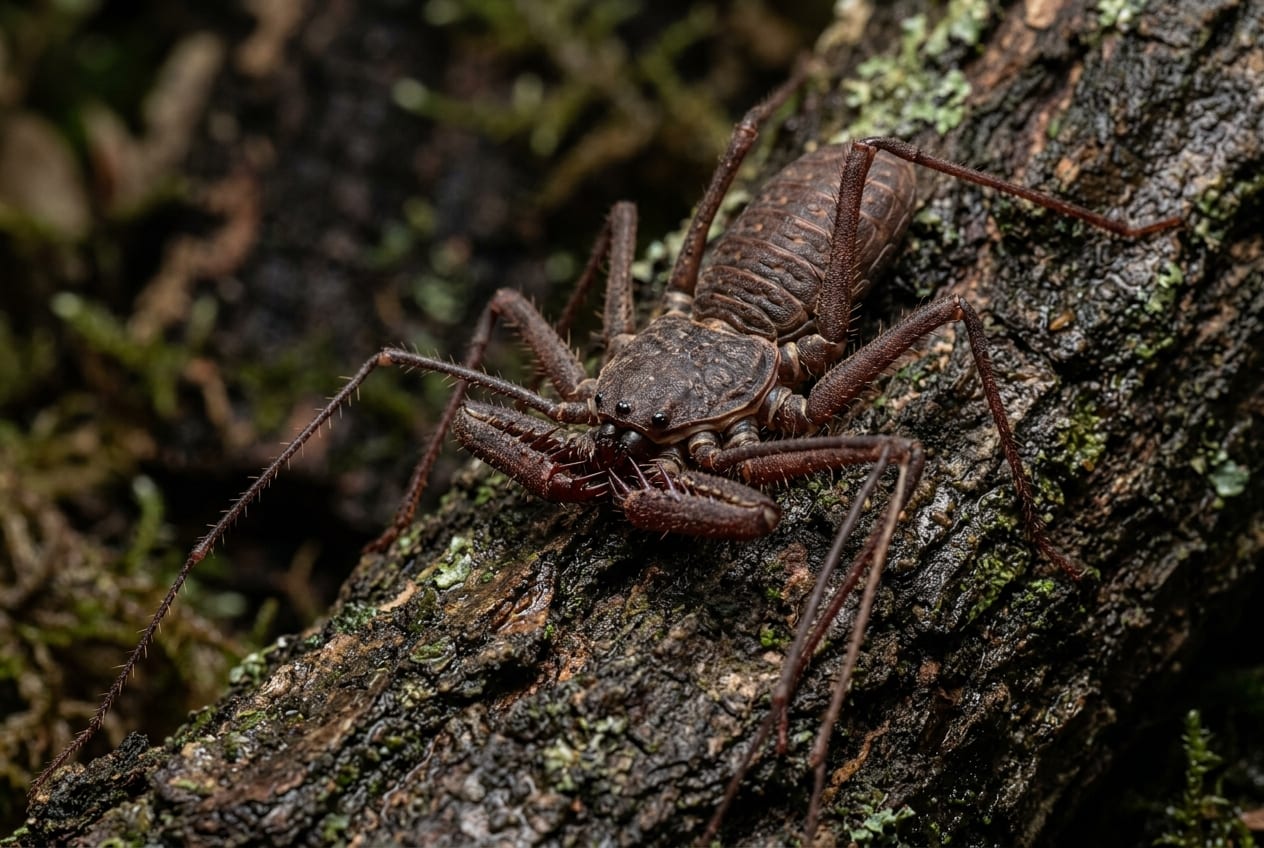
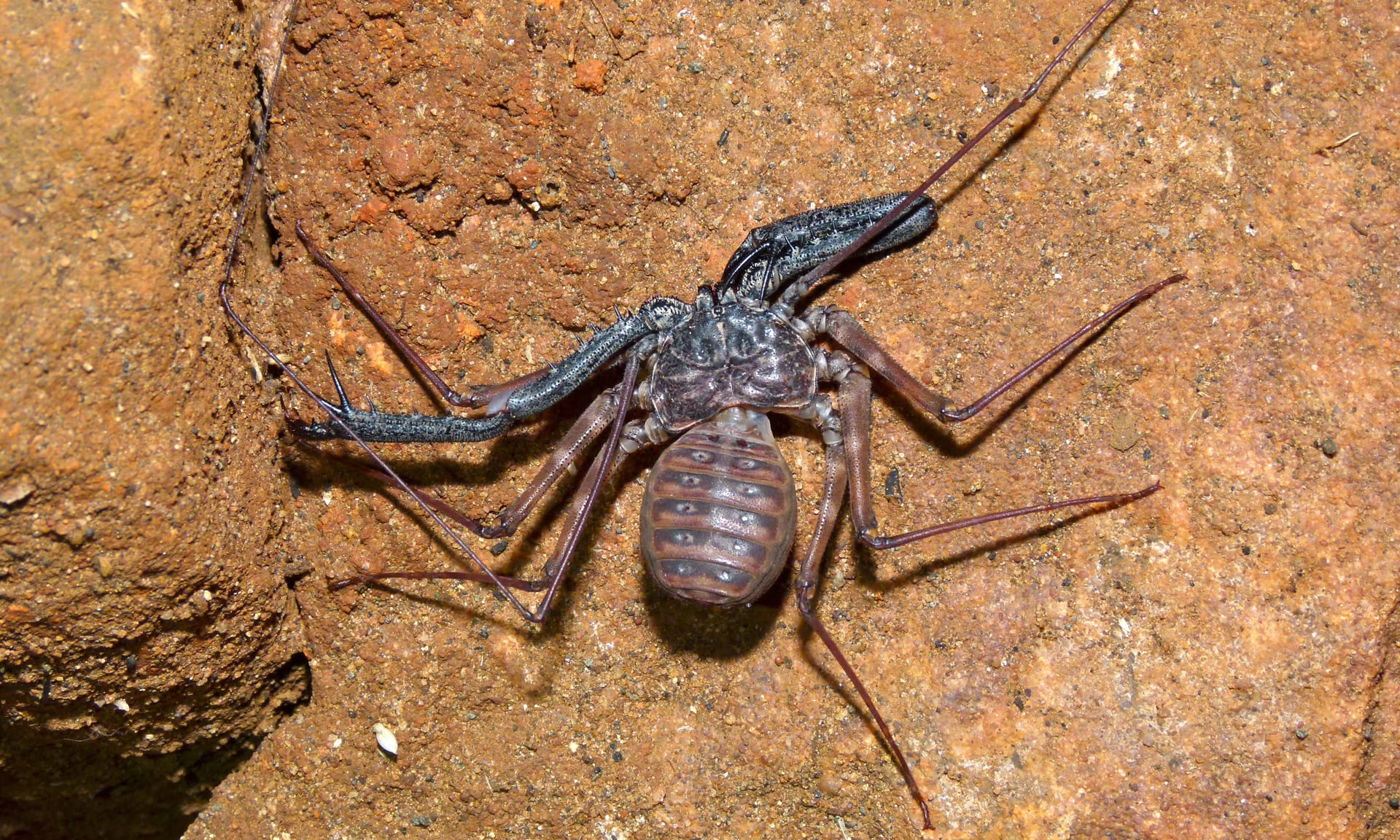
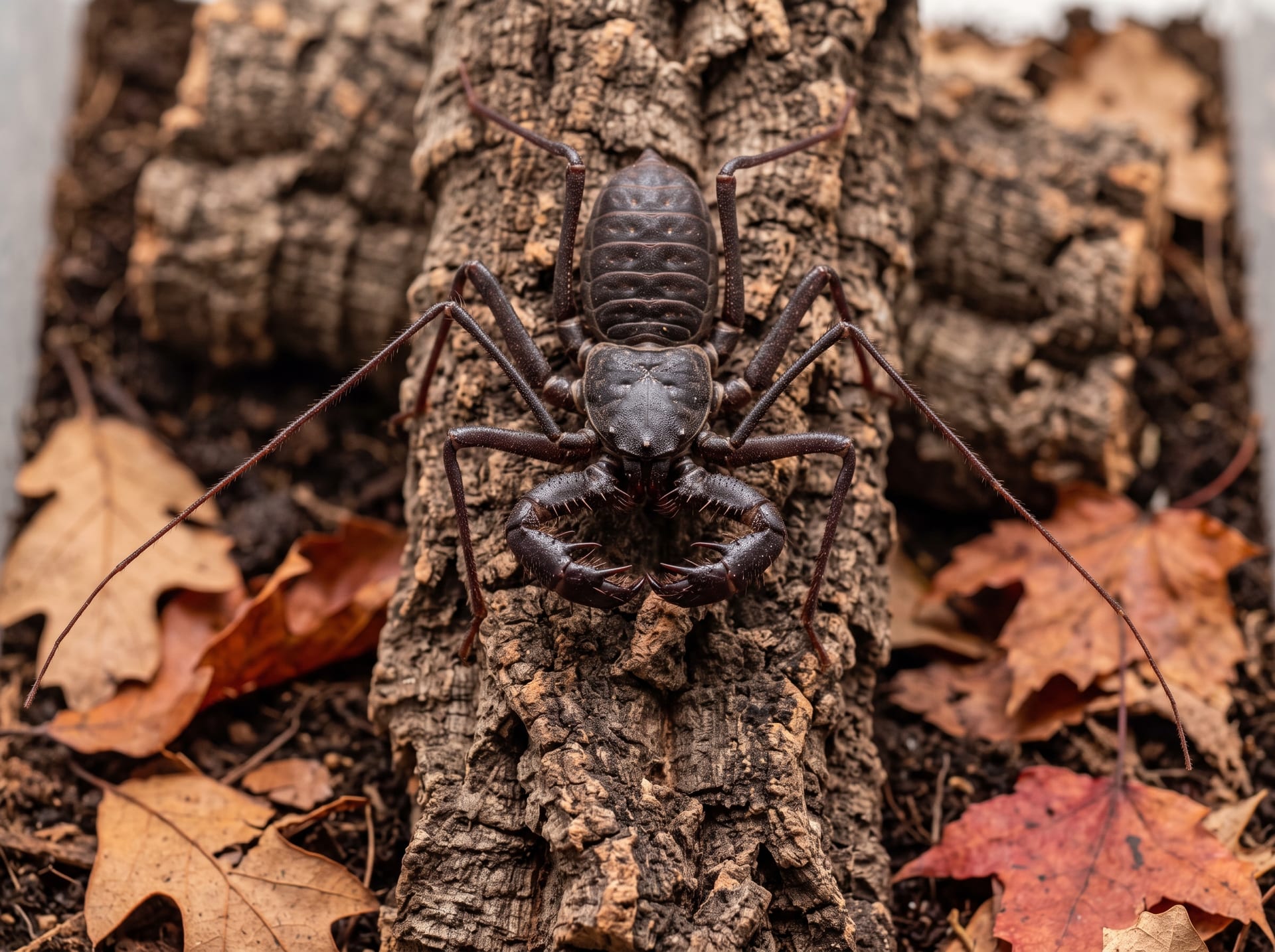
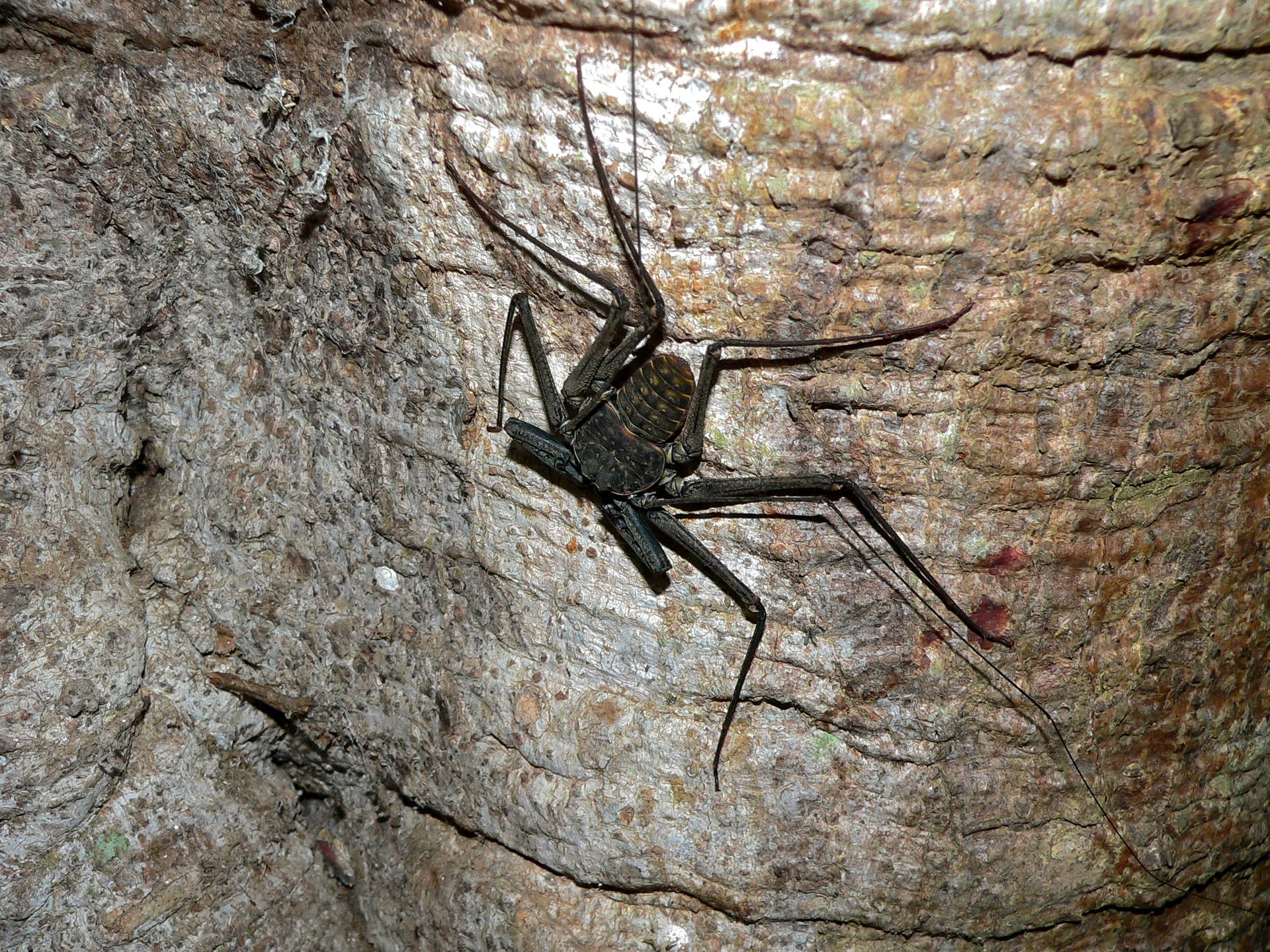
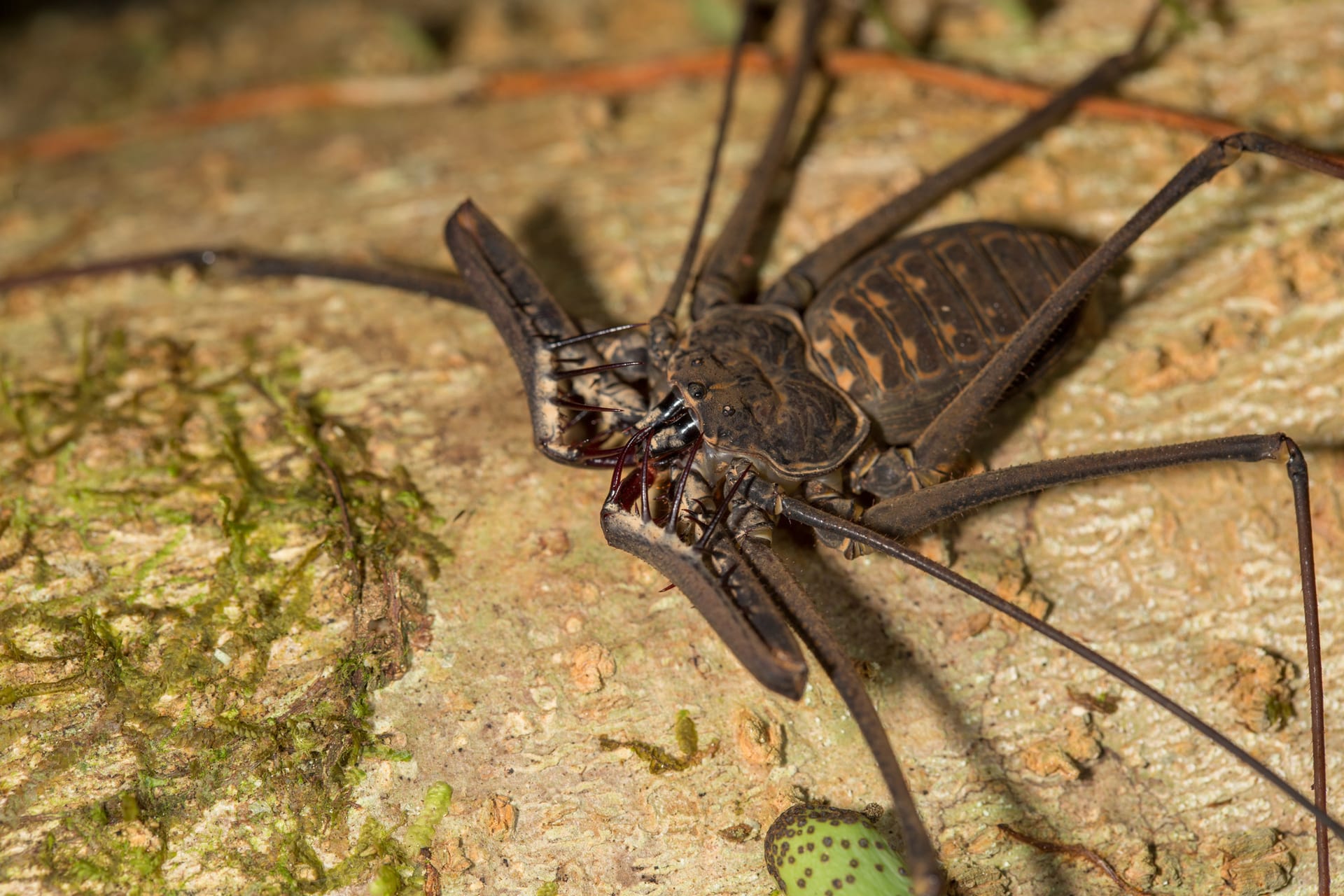
One of the world's largest whip spiders, from the western Amazon rainforest. An adult male's pedipalps span about 20cm when unfolded, said to be the longest of any arachnid. Venomless but delicate and hard to source, it suits experienced keepers.
Difficulty
Advanced
Temperature
23〜26℃
Lifespan
5-8 years
Size
Pedipalps up to about 20cm unfolded, with far longer whip-like first legs
Humidity
75〜85%
Diet
Insects such as crickets and red runner roaches
About
Heterophrynus batesii is a phrynid whip spider of the Amazon rainforest in Colombia, Ecuador, Peru, Brazil and Bolivia, one of the 17 species of Heterophrynus, placed in the monotypic subfamily Heterophryninae. An adult male's pedipalps reach about 20cm unfolded, said to be the longest of any arachnid, and the antenniform first legs are far longer still, giving this species and a close relative the greatest span of any arachnid. Animals usually enter the trade at around the third instar, already as large as adults of other species. They are sensitive to change and transport, and specialist suppliers refuse to ship them where temperatures fall below freezing. Moulting needs several times the body's length in clear space; without enough room away from the vertical surface, moults fail.
Source: Wikipedia (CC BY-SA 4.0)
Lifespan of the Giant Amazon Whip Spider
The Giant Amazon Whip Spider lives 5-8 years.
Size of the Giant Amazon Whip Spider
The Giant Amazon Whip Spider grows to Pedipalps up to about 20cm unfolded, with far longer whip-like first legs.
Temperature & humidity for the Giant Amazon Whip Spider
The ideal temperature for the Giant Amazon Whip Spider is 23〜26℃. Ideal humidity is 75〜85%.
Keeping follows the general amblypygid guideline of 23-26 C and 75-85% humidity, in an enclosure tall and wide enough for the animal's span.
Basic Info
Origin
Western Amazon of South America (Colombia, Ecuador, Peru, Brazil, Bolivia)
Care Specifications
References & Sources
Edited & verified by: BreederDirect editorial team
The taxonomic, regulatory, and husbandry data on this page are compiled and verified against the authoritative primary sources below.
Taxonomy & Authority
Accepted name: Heterophrynus batesii (Butler, 1873)
Synonyms: Phrynus batesii Butler, 1873, Heterophrynus nicefori Amado & Morales, 1986
Authority databases: GBIF
Nomenclature follows global taxonomic authority databases.
Regulations & Conservation Status
Not CITES-listed
Sources: CITES Appendices (species not listed)
Regulations may change. Always verify the latest information with the relevant authorities.
Giant Amazon Whip Spider Listings
Loading latest listingsFind listings for this species