Complete Guide to Keeping Whippets | Small Sighthounds with Sleek Build and Gentle Temperament
The Whippet is a medium-sized sighthound bred from crosses between Greyhounds and Terriers. Known for their gentle temperament and remarkable speed, they live quietly indoors. This guide covers their living environment, diet, health management, exercise needs, and training in detail.
Key Takeaways
The Whippet is a medium-sized sighthound bred from crosses between Greyhounds and Terriers. Known for their gentle temperament and remarkable speed, they live quietly indoors. This guide covers their living environment, diet, health management, exercise needs, and training in detail.
✍️
BreederDirect Editorial
The BreederDirect editorial team specializes in care information for animals, covering veterinary care and breeding to deliver beginner-friendly guides.
Find Dogs on BreederDirect
Buy directly from verified breeders
Browse Related Listings
Find Dogs listings related to this article on BreederDirect. Buy directly from verified breeders.
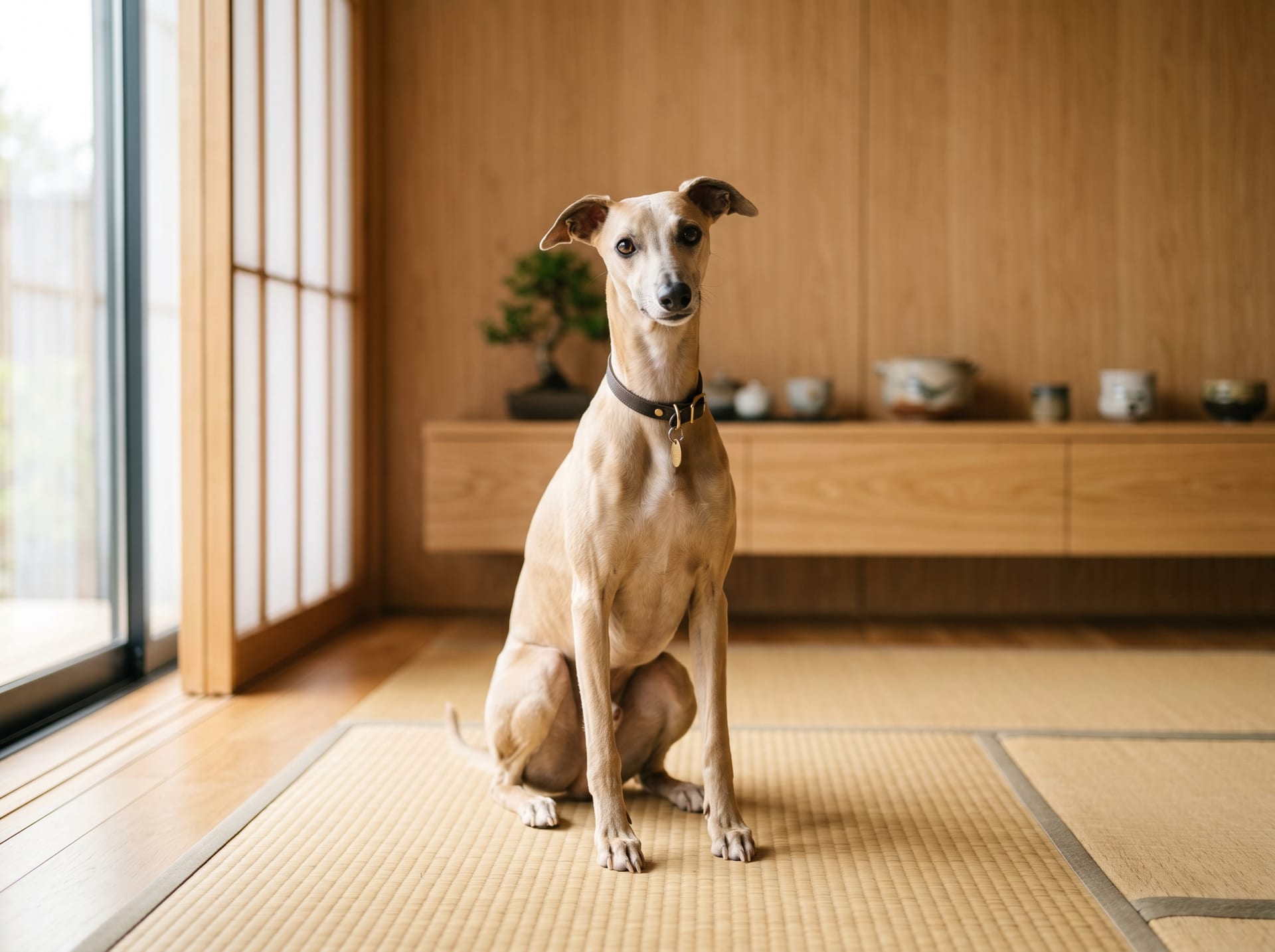
The Whippet is a medium-sized sighthound developed by coal miners in 19th-century England as a "poor man's racehorse." Despite their incredible speed of 50–60 km/h, they display a calm side at home, lounging peacefully on sofas—this contrast has captivated many dog lovers.
Basic Information
Item
Details
Place of Origin
England
Weight
12–22 kg
Height
47–57 cm
Lifespan
12–15 years
Coat Type
Short and smooth
Temperament
Gentle, sensitive, quick
Exercise Needs
Moderate to high (1–1.5 hours per day)
Shedding
Minimal
While Whippets resemble miniature Greyhounds in appearance, they are said to have greater adaptability as family dogs than Greyhounds.
Personality and Characteristics
Whippets are called "sighthounds that are unlike sighthounds" for how strong their bond with their owners is.
Gentle and sensitive: They are extremely sensitive to loud voices and criticism. Excessive scolding causes them to withdraw, making positive reinforcement training essential.
Compatibility with children and other pets: Generally good, though they may chase small animals (rabbits, hamsters, birds, etc.) due to their sighthound instincts. Living with an existing cat is possible if they're socialized to it from a young age.
The couch dog after exercise: After full-speed runs, they burrow into sofas or under blankets and rest for extended periods. Being able to keep them like "a large dog that stays calm indoors" is one reason for their popularity.
Necessary Living Environment
Living Space
Whippets have slim builds with little body fat, making them sensitive to cold. In winter, maintain room temperatures above 18°C and prepare specialized Whippet clothing and blankets.
Space: As a medium-sized dog, daily exercise opportunities are more important than space size.
Fence height: At least 1.8 m or higher (their speed allows them to jump over low fences).
Flooring: Non-slip materials are ideal over hardwood. Consider laying rugs or mats for joint protection.
Bed and Rest Space
Because of their thin frames, orthopedic dog mats that distribute pressure on the skeletal system are ideal. Many owners allow them to sleep on sofas or human beds, and their slim bodies take up surprisingly little space.
Diet Management
Whippets have sensitive digestive systems, and abrupt diet changes can easily cause diarrhea or vomiting. Change foods gradually over 1–2 weeks.
Adult calorie guidelines (ages 1–8): Approximately 55–65 kcal per kilogram of body weight (adjust based on activity level).
Because of their low body fat, weight changes are easily visible—a distinctive Whippet feature. Ribs should be palpable to touch (not visibly prominent) as a sign of ideal body condition.
Protein: High-protein food with 25–30% or more is optimal.
Fat: Around 12–18% (avoid extremely low-fat diets).
Twice daily feeding, and avoid strenuous exercise for 30 minutes to 1 hour after meals (to prevent gastric dilatation-volvulus).
Exercise Needs and Exercise Methods
Whippets need 1–1.5 hours of daily exercise, but "burst exercise" alternating between sprints and rest suits them best.
Recommended exercise patterns:
- Morning: 20–30 minutes of walking + 5–10 minutes of free running (dog park).
- Evening: 20–30 minutes of walking.
Ideally, secure free running at dog parks 3–4 times weekly. Note that leashed long-distance walks alone won't satisfy their running drive.
Training and Obedience
Whippets are intelligent and respond very well to positive reinforcement training. However, they also have an independent streak and are sensitive, so punishment-based training backfires.
Basic command acquisition timeline:
- Sit and down: Can acquire in 4–8 weeks.
- Recall: Most critical. Only remove the leash outdoors after complete mastery.
- Stay: High difficulty as their sighthound instincts make them move; long stays are challenging.
You cannot completely eliminate their instinct to run at visual stimuli. Always use a leash in parks or open spaces, or only release them in completely fenced areas.
Health Management and Diseases to Watch For
Whippets are relatively healthy, but attention to the following is important.
Heart disease: Arrhythmias and bradycardia may appear in Greyhound-type breeds. Regular auscultation and electrocardiography are recommended.
Hypothyroidism: If weight gain, coat changes, or lethargy appear in middle age or later, have thyroid hormone levels checked.
Anesthetic sensitivity: Sighthounds have low body fat and slow hepatic drug metabolism; always inform your veterinarian that your dog is a Whippet (sighthound) before surgery or anesthesia. They have high sensitivity to barbiturate anesthetics, with risk of overdose.
Thin skin: Their short coat and thin skin make them prone to abrasions and cuts. Make checking for injuries after walks a habit.
Grooming
Brushing 1–2 times weekly is sufficient due to their short coat, but dry them quickly after bathing (their slim build makes them chill easily). Trim nails every 3–4 weeks and clean ears 1–2 times monthly.
Summary
Contrary to the image of a "fast dog," Whippets are a breed with household calmness and deep affection for their owners. With proper exercise environments and cold-weather management, plus positive training to build trust, you can nurture a deep bond lasting 10+ years. Enjoy their distinctive sleek form and gentle temperament in your daily life.