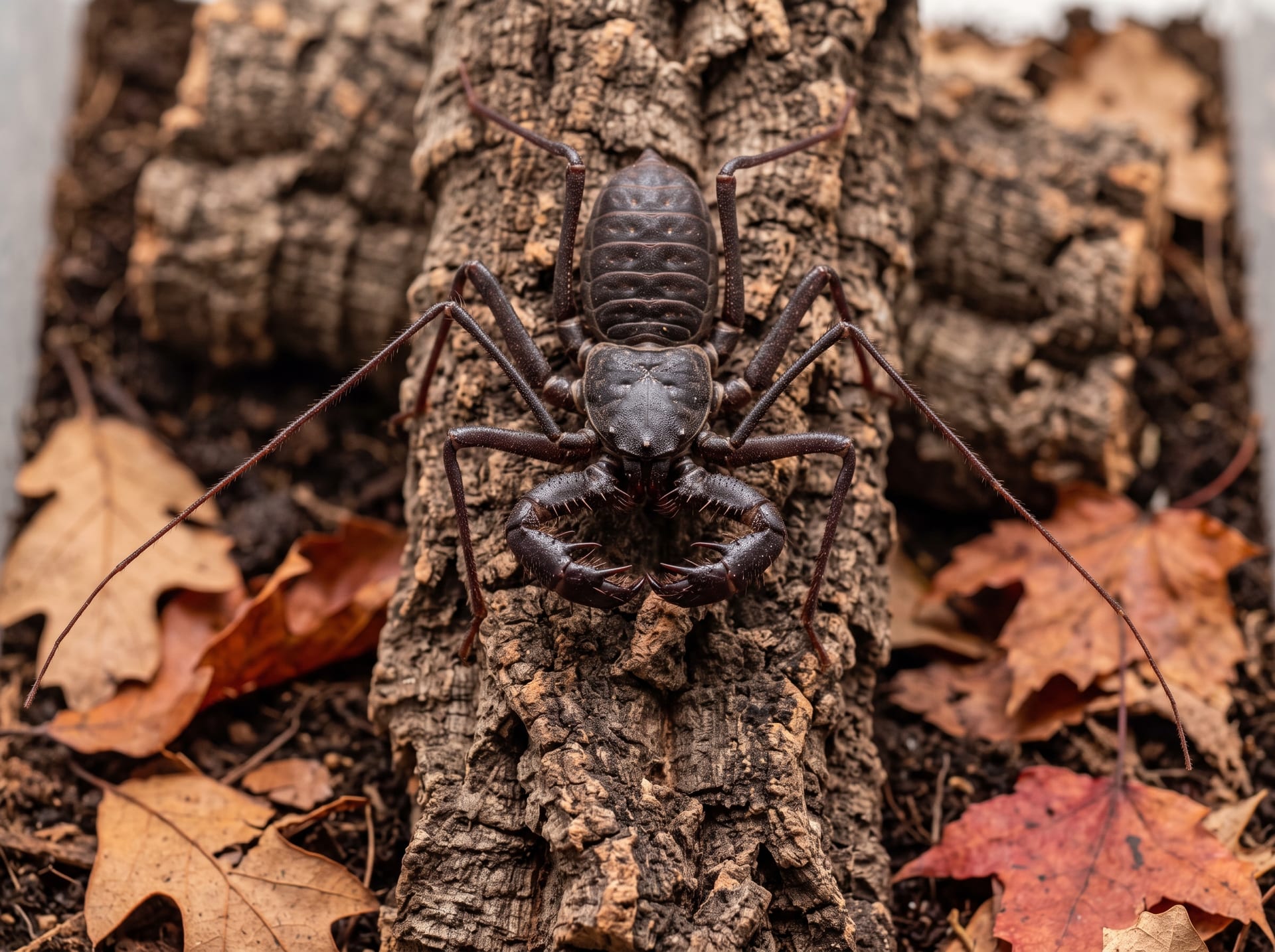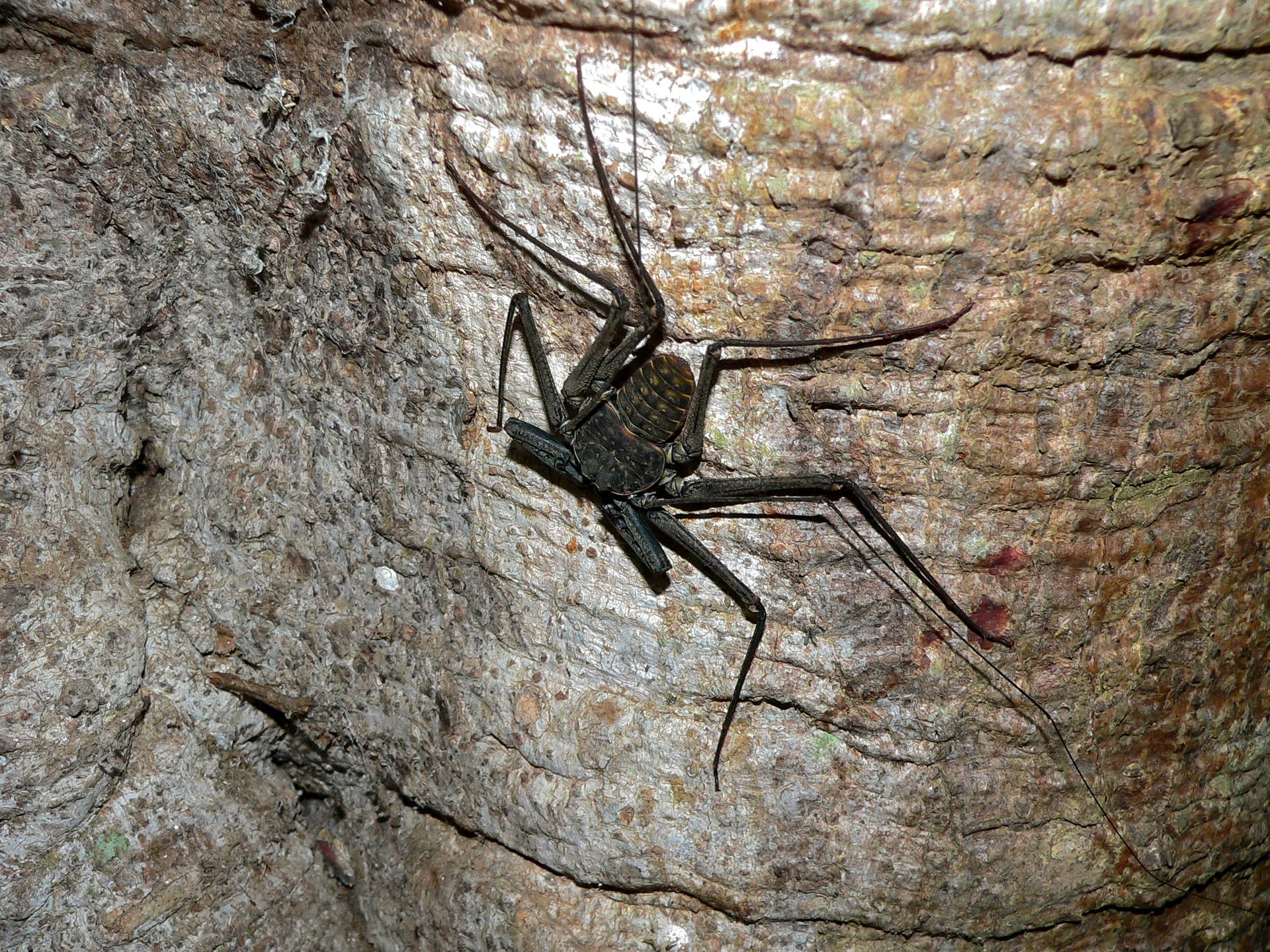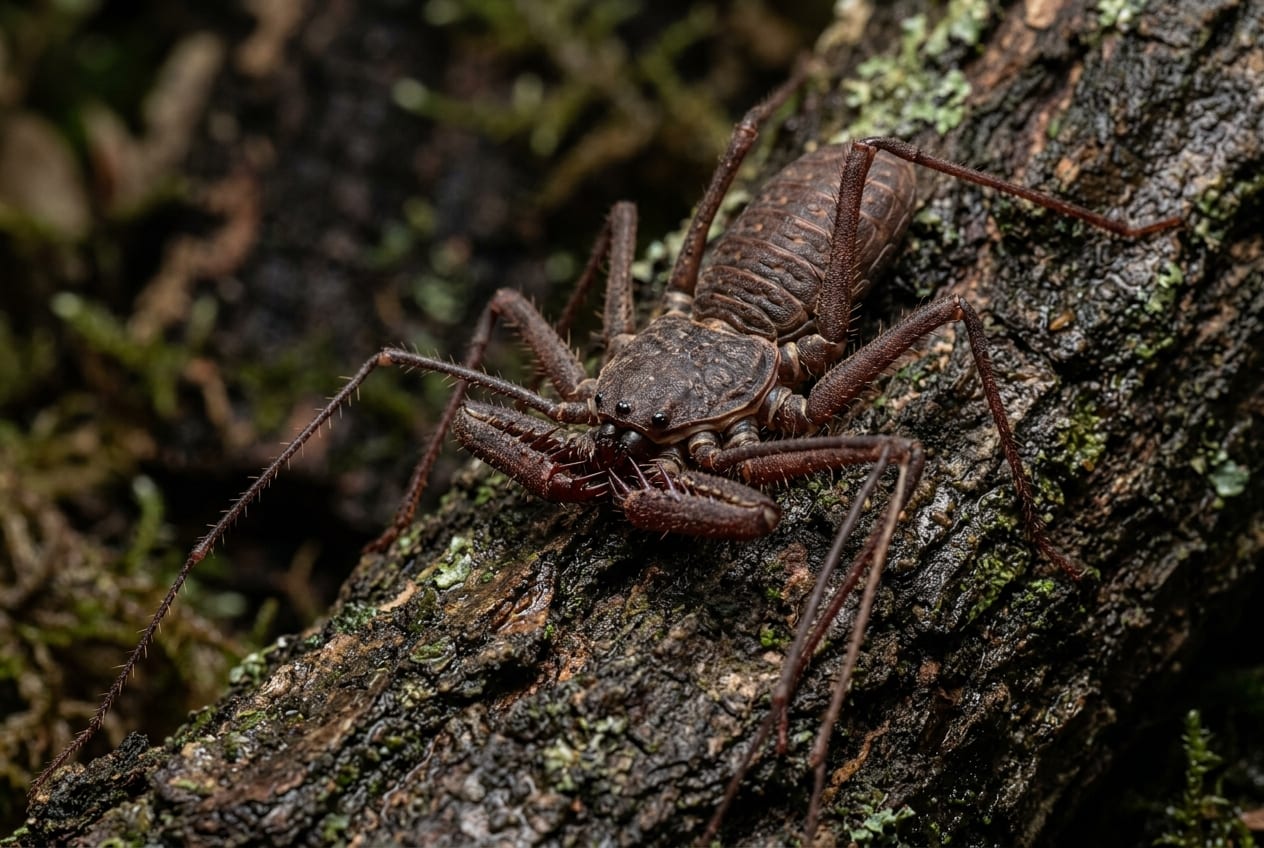
AI-generated image
Tanzanian Whip Spider
BeginnerEuphrynichus bacillifer
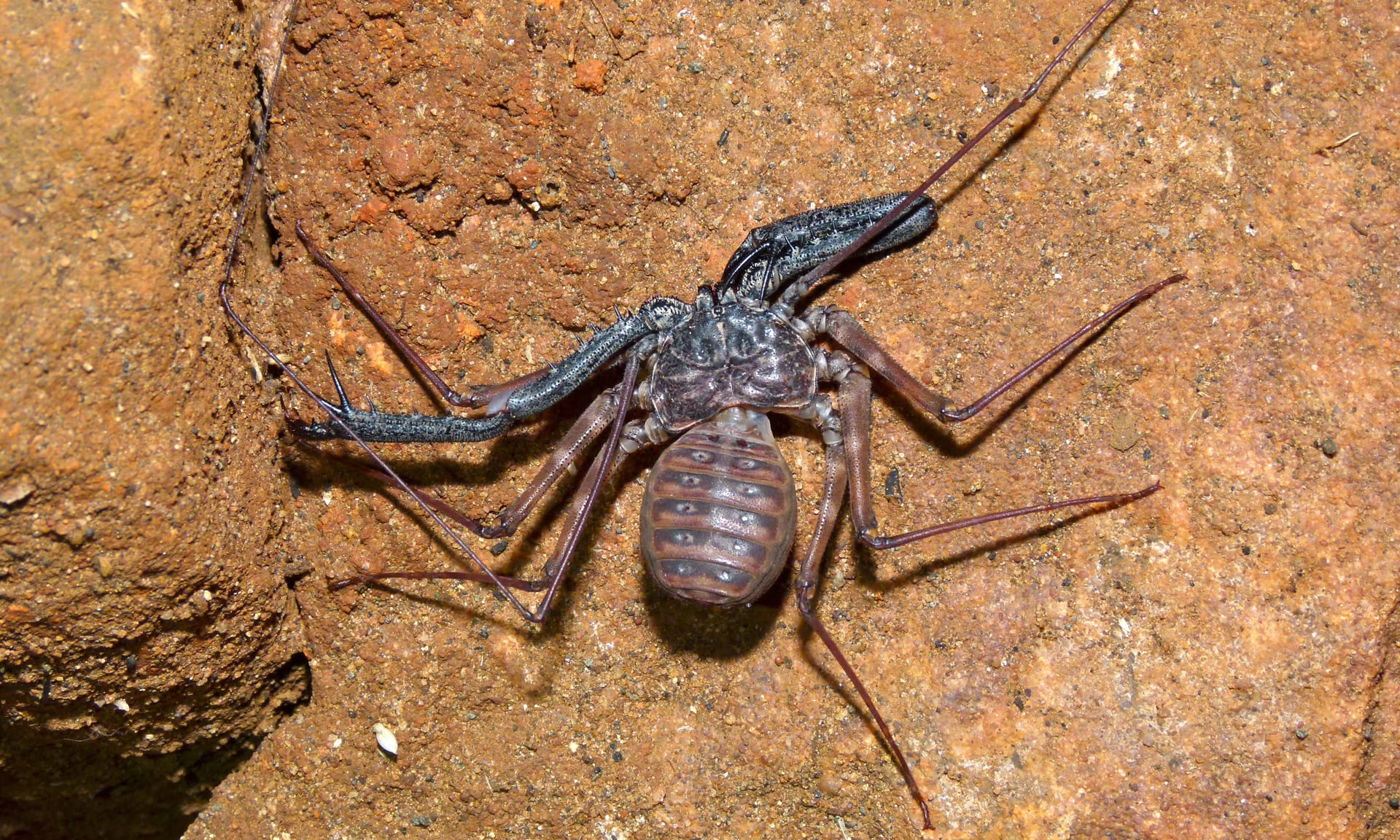
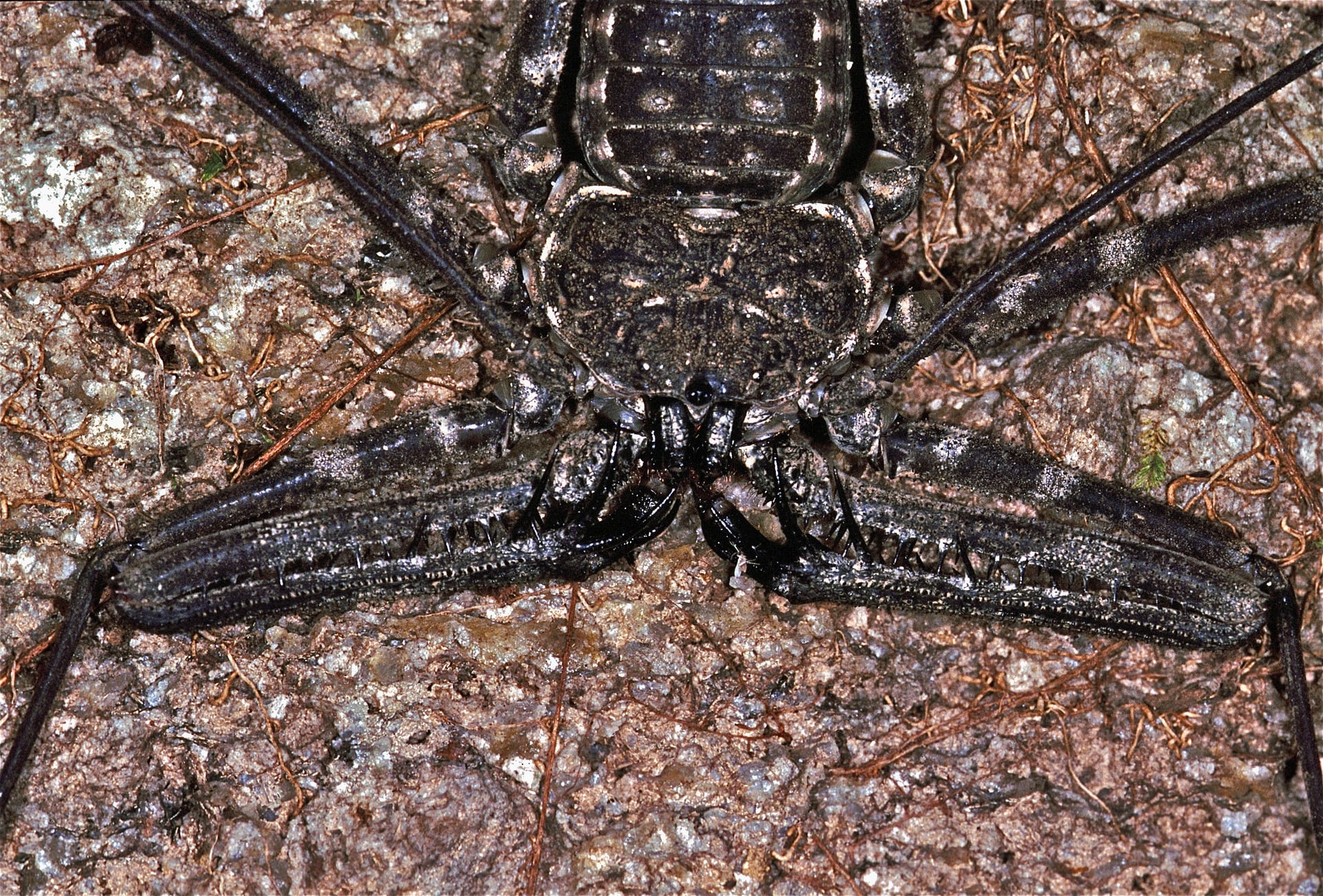
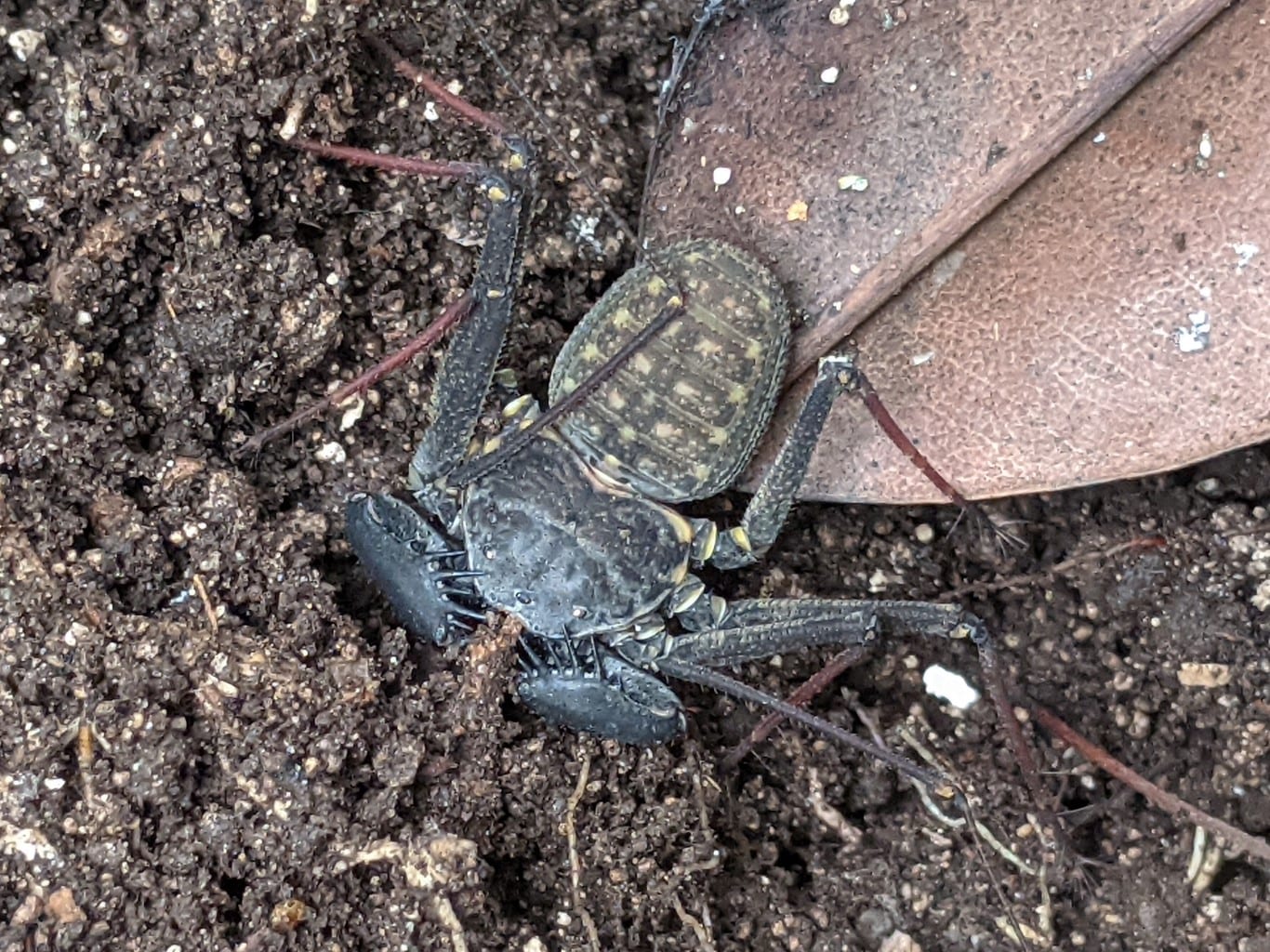
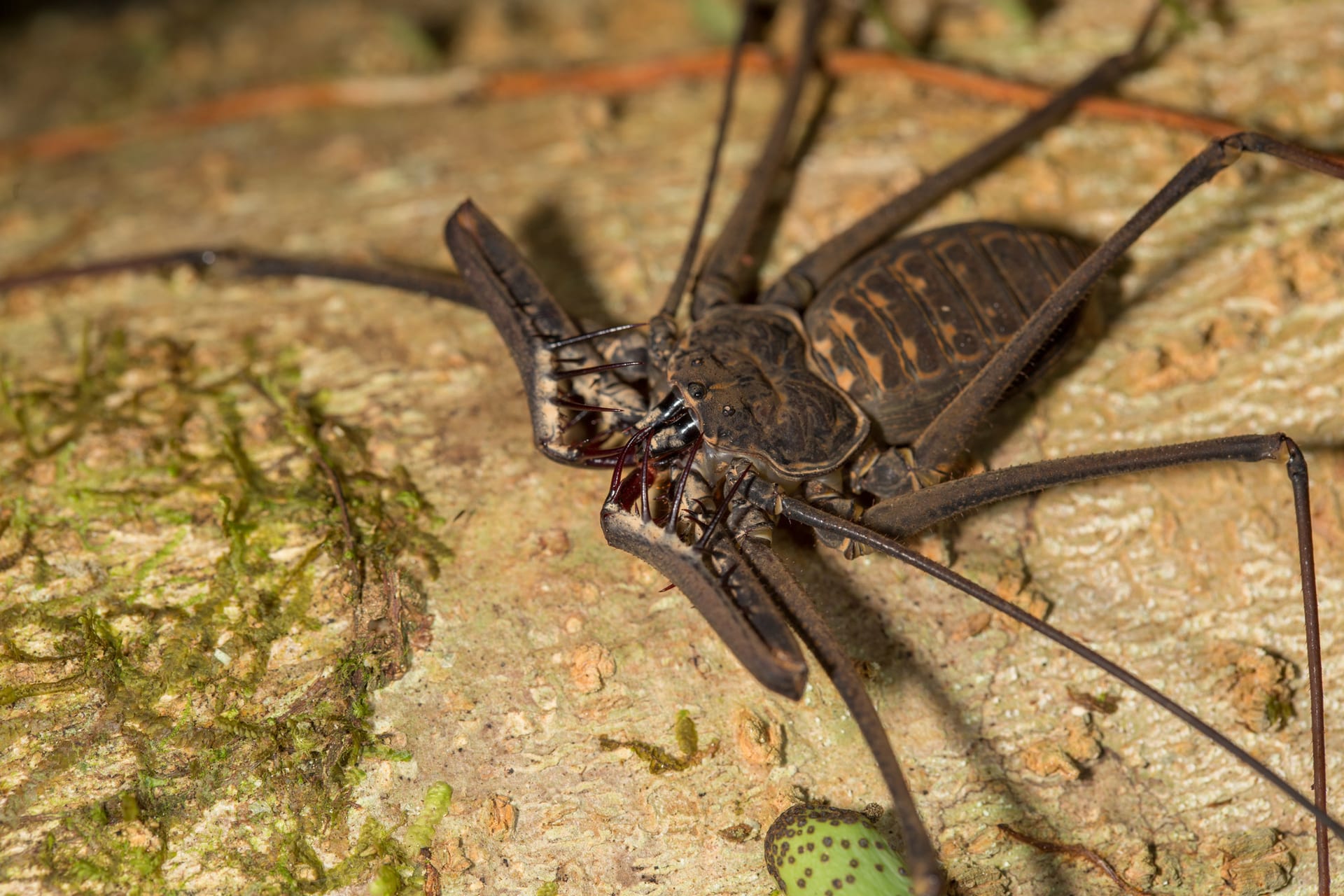
A large whip spider ranging from central to southern Africa, with a flattened body and extremely long pedipalps. Cannibalism is rarely seen, making it unusually well suited to group housing. It likes warmth and humidity and breeds readily.
Difficulty
Beginner
Temperature
28〜30℃
Lifespan
5-7 years
Size
Body up to 3.6cm, pedipalp tibia up to 8.5cm (genus-level figures)
Humidity
80〜95%
Diet
Small insects such as crickets and red runner roaches; woodlice (Porcellio scaber) are readily taken
About
Euphrynichus bacillifer is a phrynichid whip spider ranging widely from central to southern Africa. Its broad range makes it comparatively tolerant of fluctuation, so minor swings in climate or humidity are handled well, though constant warmth and humidity are needed to keep it active and healthy in the long term. Keep it in a well ventilated tall enclosure furnished with layered cork bark and stacked lava stone to create many crevices and climbing surfaces; the lava stone also stores and slowly releases moisture, stabilising humidity. Most notably the species is social: no cannibalism has been observed, so group housing works well. Pairs breed readily, and the young ride on the female's back until their first moult, after which they are reared together as a juvenile group.
Source: Wikipedia (CC BY-SA 4.0)
Lifespan of the Tanzanian Whip Spider
The Tanzanian Whip Spider lives 5-7 years.
Size of the Tanzanian Whip Spider
The Tanzanian Whip Spider grows to Body up to 3.6cm, pedipalp tibia up to 8.5cm (genus-level figures).
Euphrynichus is a large genus, with body lengths up to 36mm and pedipalp tibiae up to 85mm.
Temperature & humidity for the Tanzanian Whip Spider
The ideal temperature for the Tanzanian Whip Spider is 28〜30℃. Ideal humidity is 80〜95%.
Hold 28-30 C and 80-95% humidity, mist regularly, and offer a shallow water dish with stones, which the animals will actually drink from.
Basic Info
Care Specifications
PeacefulGroupBreeding: Easy
Sources: Insektenliebe: Euphrynichus bacillifer / Wikipedia: Euphrynichus / GBIF
References & Sources
Edited & verified by: BreederDirect editorial team
The taxonomic, regulatory, and husbandry data on this page are compiled and verified against the authoritative primary sources below.
Taxonomy & Authority
Accepted name: Euphrynichus bacillifer (Gerstaecker, 1873)
Authority databases: GBIF
Nomenclature follows global taxonomic authority databases.
Regulations & Conservation Status
Not CITES-listed
Sources: CITES Appendices (species not listed)
Regulations may change. Always verify the latest information with the relevant authorities.
Tanzanian Whip Spider Listings
Loading latest listingsFind listings for this species