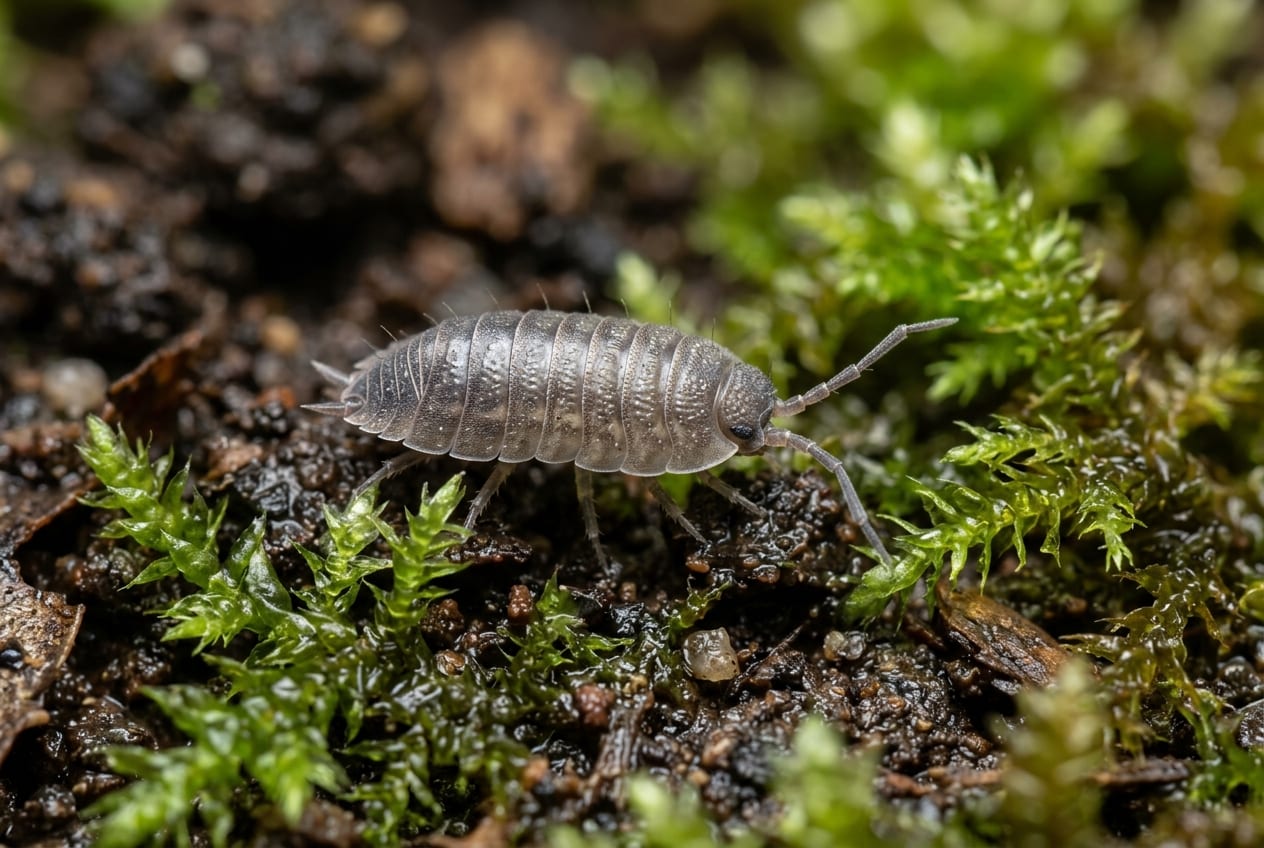
AI-generated image
Dwarf Grey Isopod
IntermediateNagurus cristatus
It multiplies slowly, so it is kept as a collector's species rather than as a working cleanup crew.
Difficulty
Intermediate
Temperature
20〜26℃
Lifespan
1-2 years
Size
4-6mm
Diet
Leaf litter and rotten wood as staples with cuttlebone for calcium, plus small amounts of protein and vegetable
About
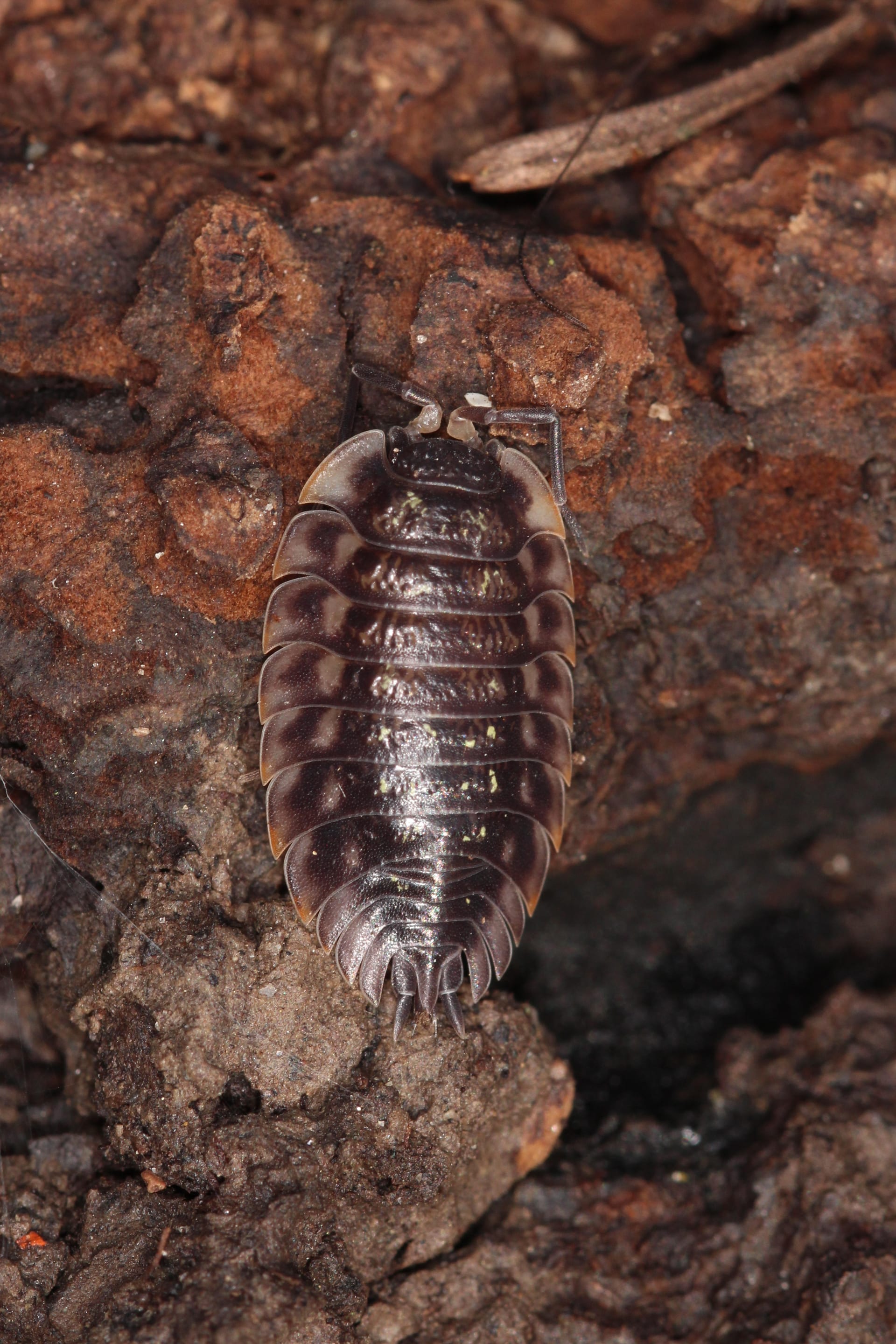
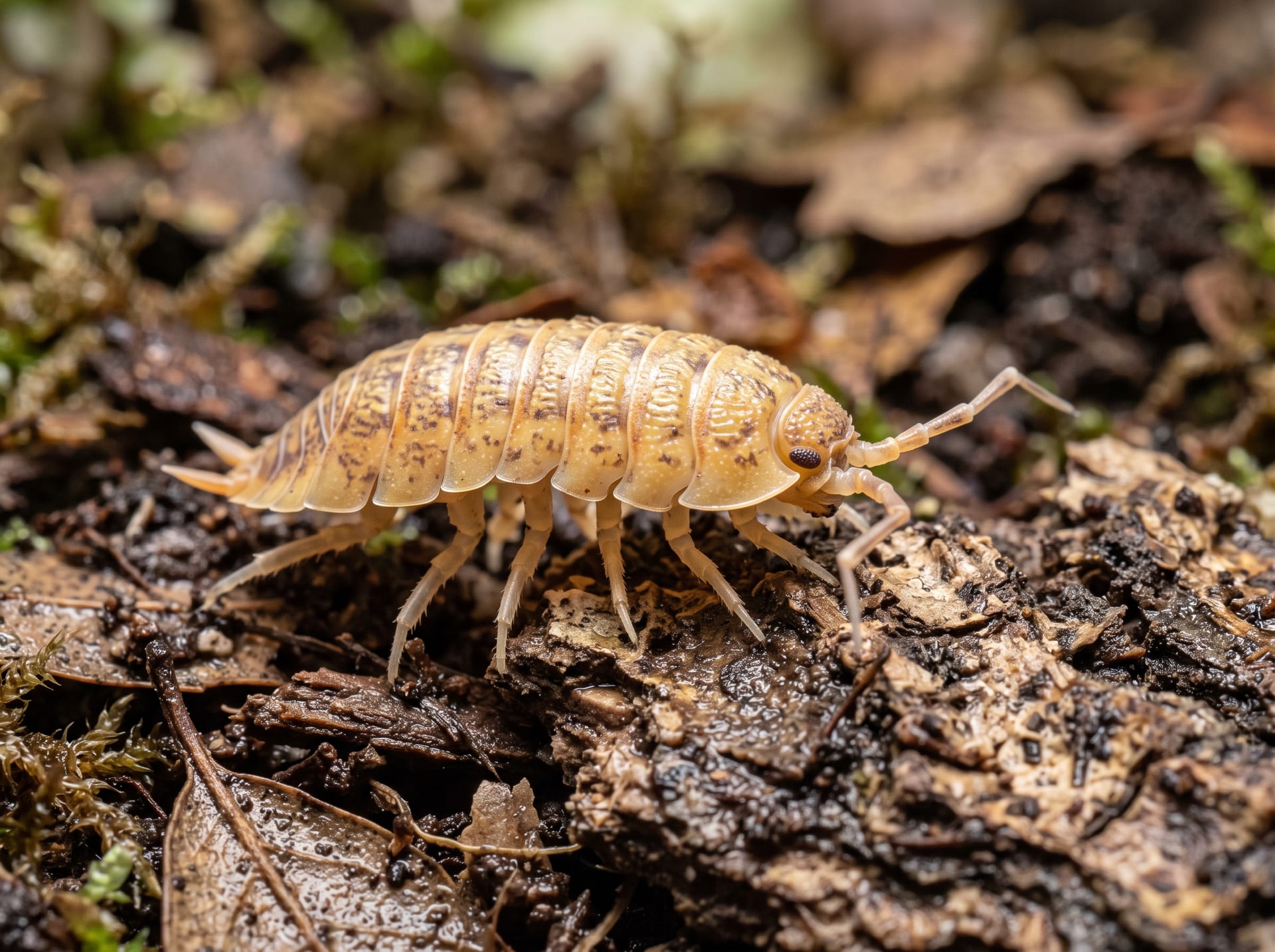
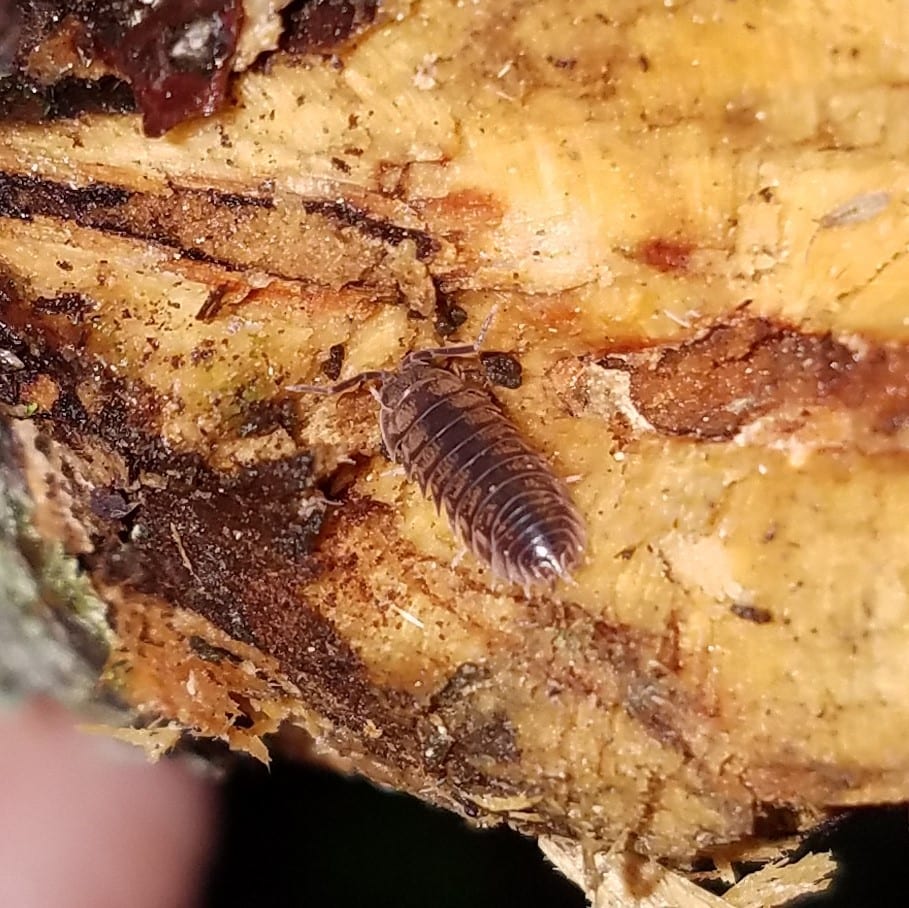
Nagurus cristatus, described by Dollfus in 1889 from a Surinam holotype, is a small woodlouse now recorded across North and South America, Southeast Asia and Oceania, and treated as an alien in Europe: a classic tramp species. Adults are only 4-6mm, grey to brownish-grey. The specific name cristatus means crested, and under good light a subtle ridging shows on the back; it is far less dramatic than a dwarf spiked isopod but gives the animal a texture that smooth dwarf species lack. The genus is rarely offered in the Western hobby, so it is collected for genus-level rarity as much as for looks. Care follows other small humidity-loving dwarfs: stable temperatures of 20-26C, a moisture gradient, deep leaf litter and gentle ventilation. Reproduction is slow, and a starter group can take several months before visible young appear, so pair it with a fast species such as dwarf whites if a working cleanup crew is needed straight away.
Source: WoRMS
Lifespan of the Dwarf Grey Isopod
The Dwarf Grey Isopod lives 1-2 years.
Size of the Dwarf Grey Isopod
The Dwarf Grey Isopod grows to 4-6mm.
Temperature & humidity for the Dwarf Grey Isopod
The ideal temperature for the Dwarf Grey Isopod is 20〜26℃.
Basic Info
Origin
South America (holotype from Surinam), now spread pantropically; recorded as alien in Europe
Lifespan
Care Specifications
PeacefulGroupBreeding: Moderate
Sources: TC Insects Nagurus cristatus 'Dwarf Grey' (size, temperature, breeding) / WoRMS (distribution, alien records) / GBIF
References & Sources
Edited & verified by: BreederDirect editorial team
The taxonomic, regulatory, and husbandry data on this page are compiled and verified against the authoritative primary sources below.
Taxonomy & Authority
Regulations & Conservation Status
Not CITES-listed
Sources: CITES Appendices (species not listed)
Regulations may change. Always verify the latest information with the relevant authorities.
Dwarf Grey Isopod Listings
Loading latest listingsFind listings for this species