Source: Wikimedia Commons
Common Shiny Woodlouse
BeginnerOniscus asellus
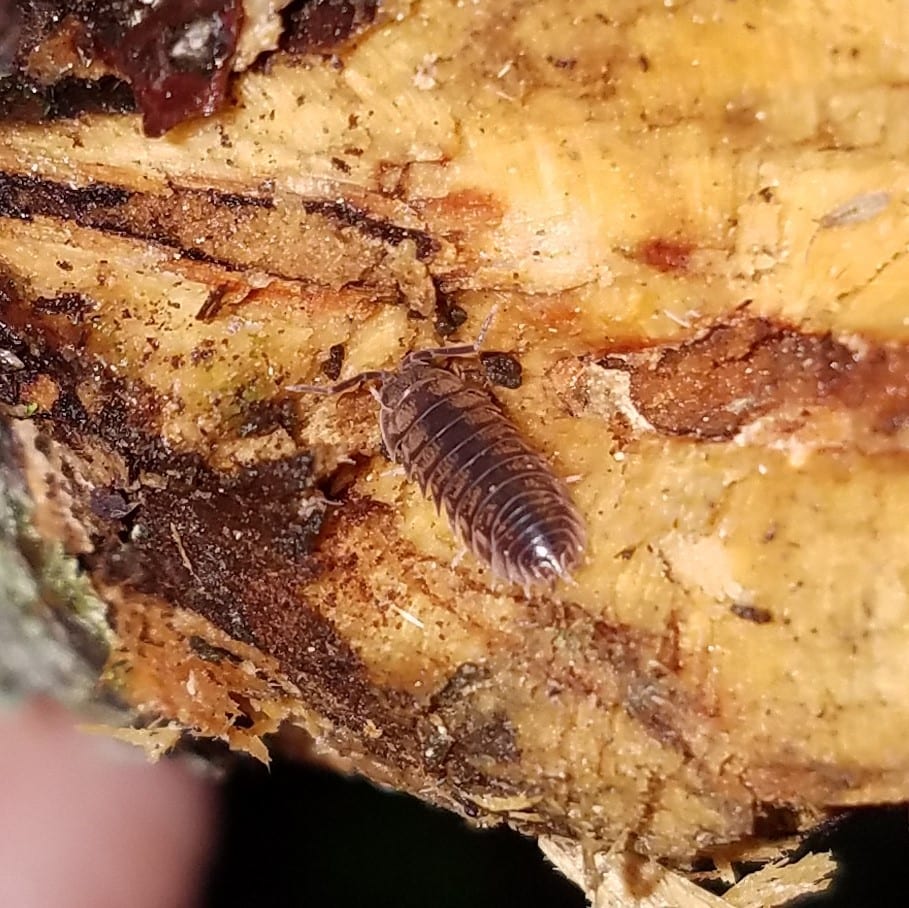
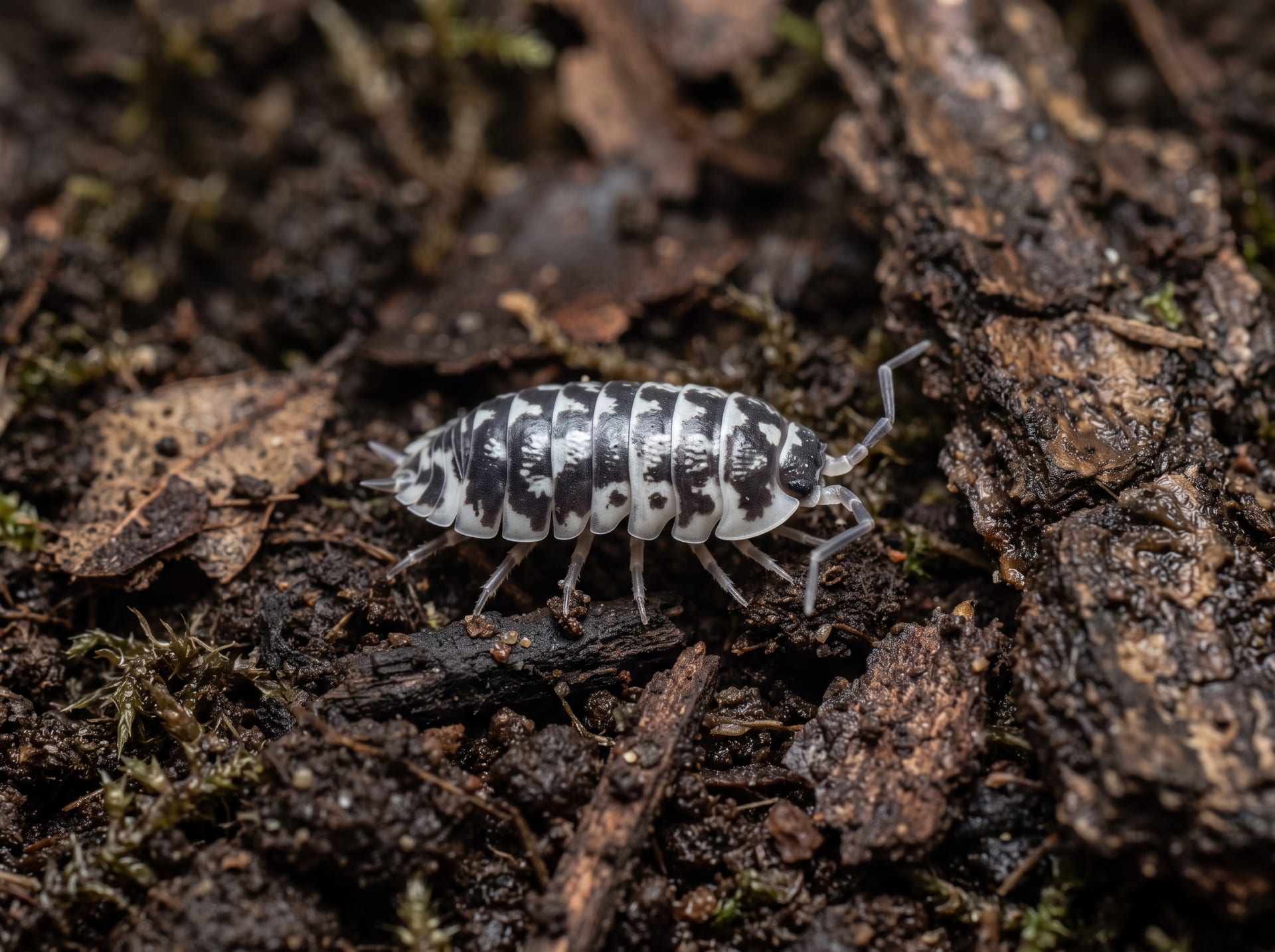
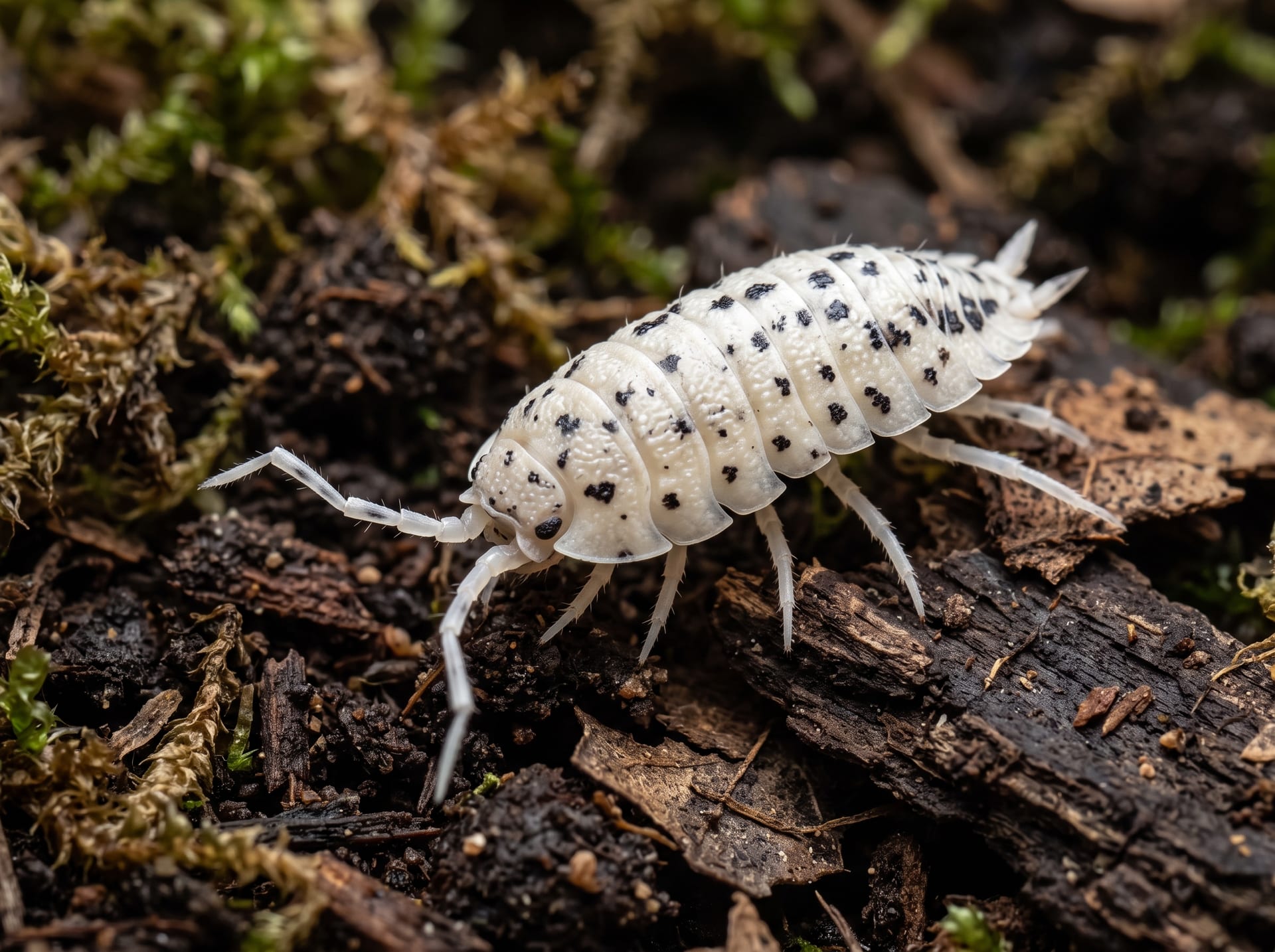
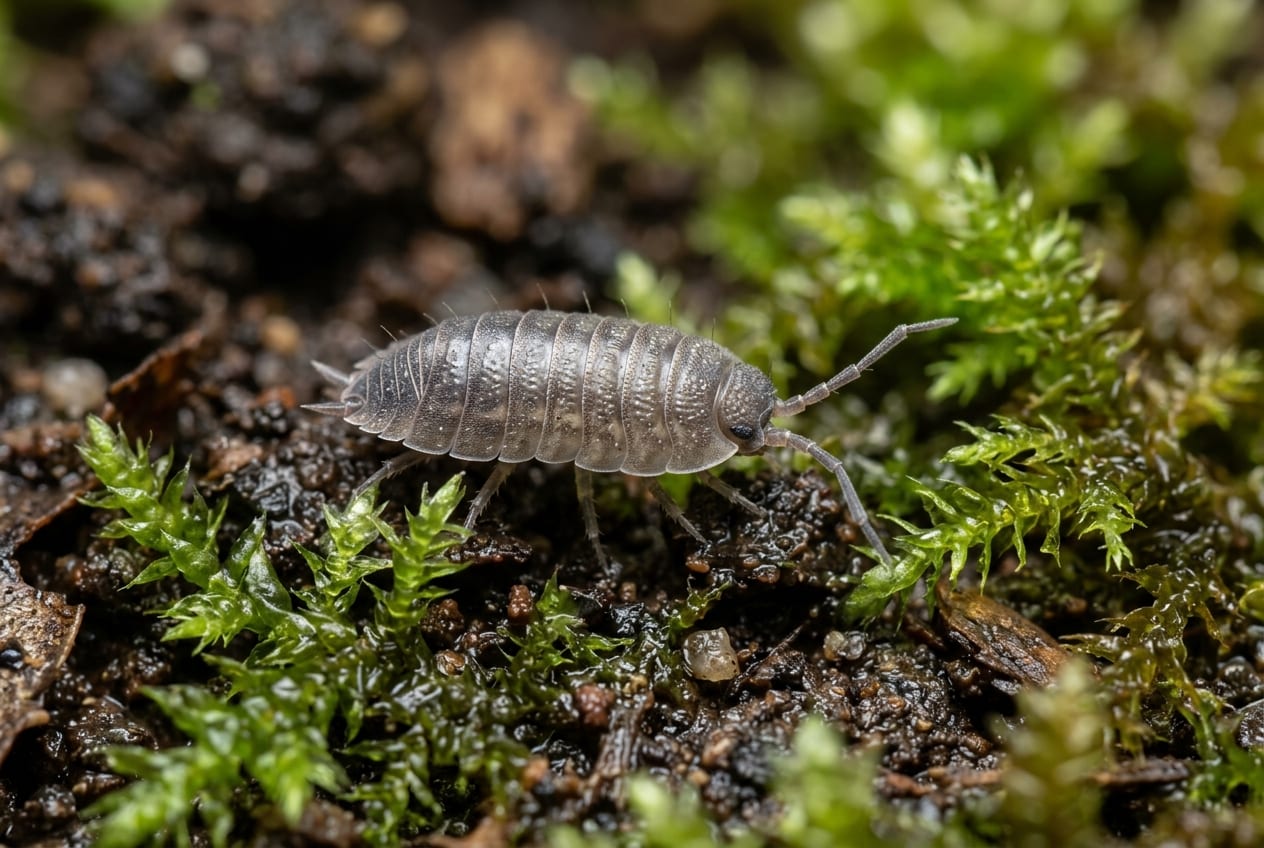
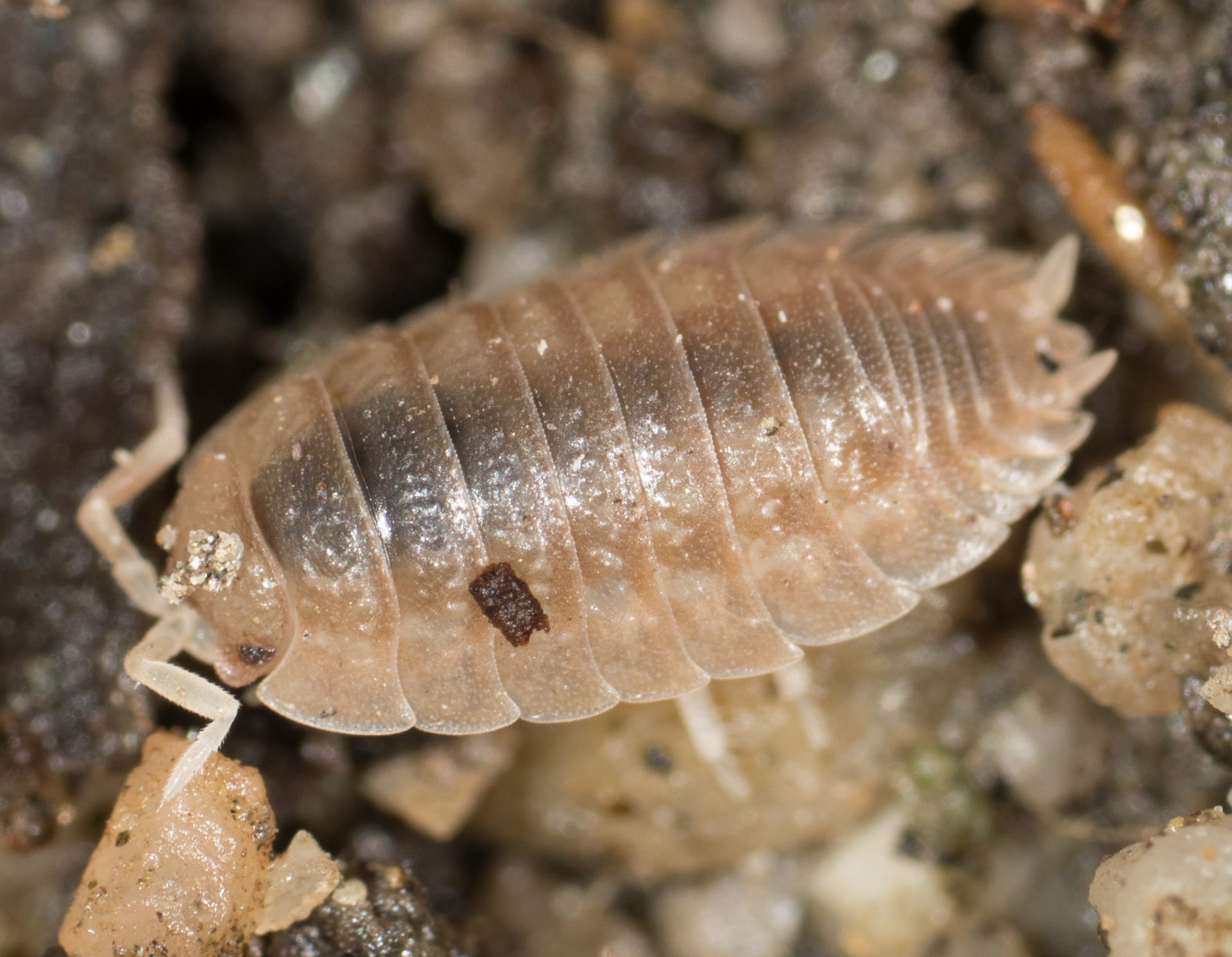
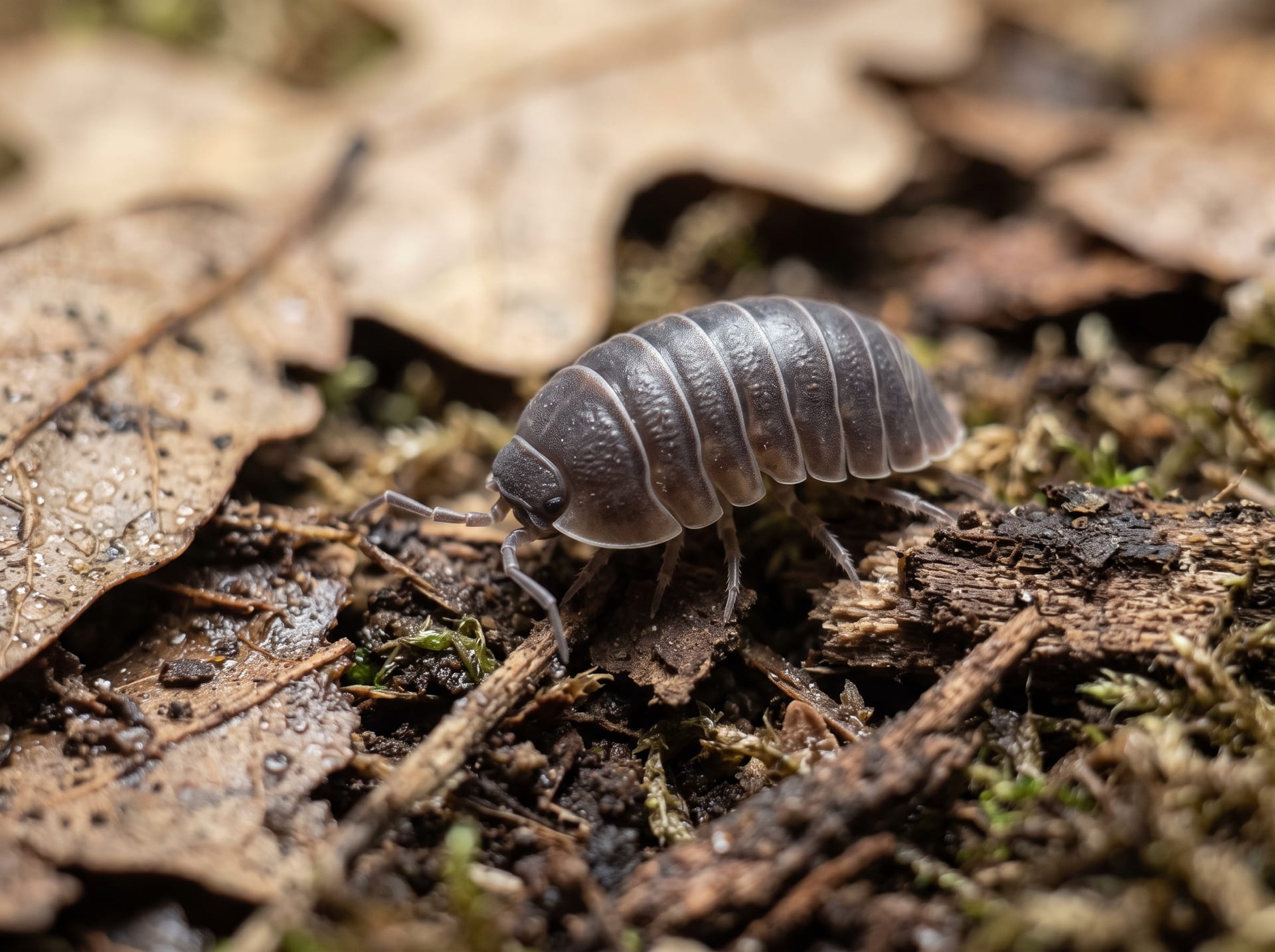
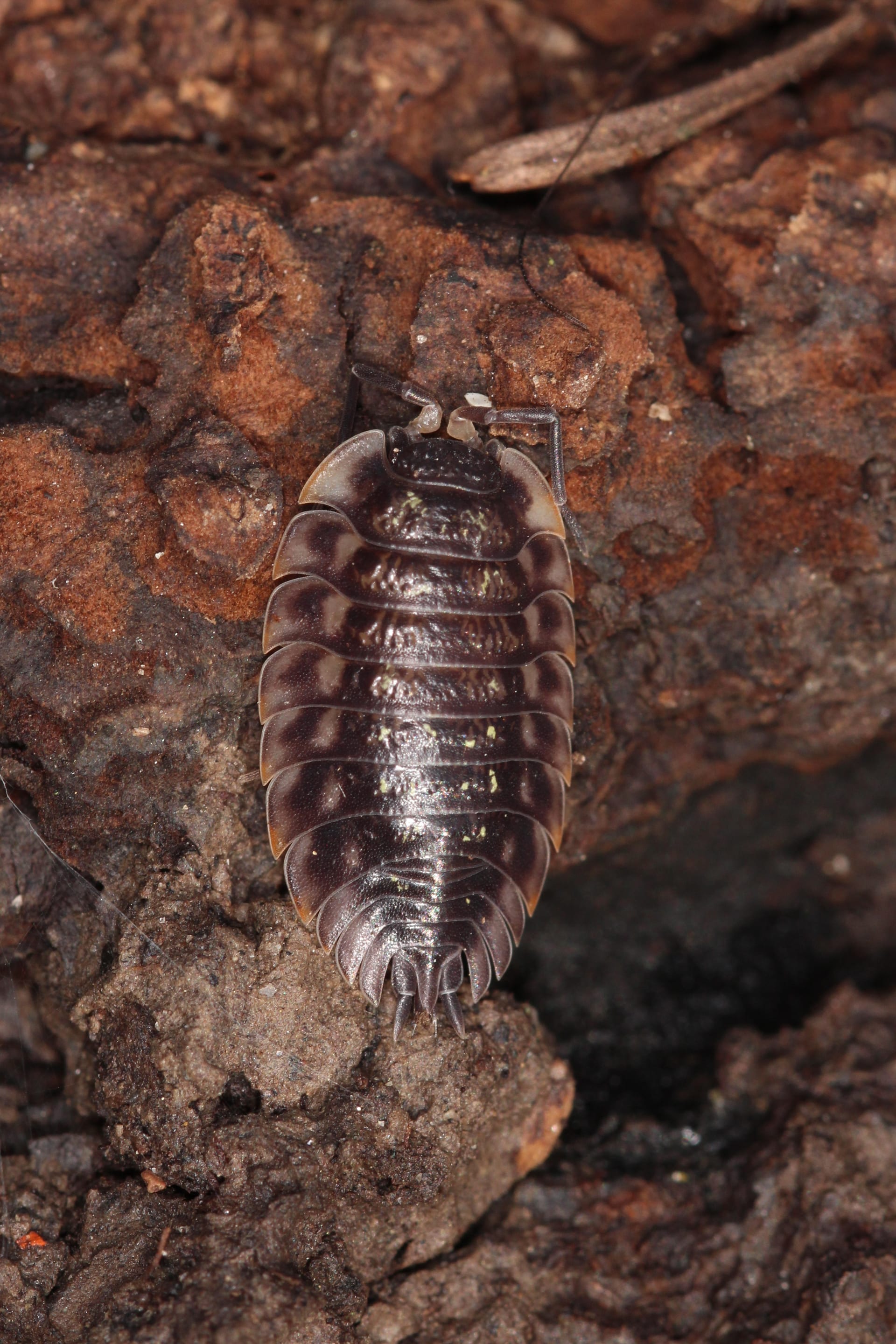
A glossy European woodlouse found under rotting wood and stones almost everywhere in its range. The flat body has slightly flared edges, and juveniles show orange markings. Being temperate it needs no heating, which has made it a standard beginner species.
Difficulty
Beginner
Lifespan
2-4 years
Size
Up to about 16mm
Diet
Leaf litter and rotten wood as staples with a little vegetable, permanent calcium such as cuttlebone, and occasional protein
About
Oniscus asellus, named by Linnaeus in 1758, is a woodlouse of the British Isles and western and northern Europe that has also been introduced to Mexico and the eastern United States. Adults reach 16mm long and about 6mm wide, with a shiny brown-grey, relatively flat body whose edges flare slightly outwards. Juveniles look different, rough-surfaced and marked with orange. It is a classic synanthrope, living in gardens, walls and even inside houses. Being temperate it is easy to keep and needs no heating. Set up a gradient with one end damp and the other drier, and keep ventilation moderate. Build the floor from flake soil and rotted wood under a generous layer of leaf litter, which is the base of the diet rather than decoration. Keep cuttlebone permanently available and add a little protein now and then. Females carry eggs and then young in a brood pouch beneath the body, and the released juveniles colour up over successive moults. Like Porcellio scaber it cannot conglobate, relying on speed and cover instead.
Source: Wikipedia (CC BY-SA 4.0)
Lifespan of the Common Shiny Woodlouse
The Common Shiny Woodlouse lives 2-4 years.
Size of the Common Shiny Woodlouse
The Common Shiny Woodlouse grows to Up to about 16mm.
Basic Info
Origin
Western and northern Europe (British Isles, Portugal to Sweden, east to Ukraine, the Azores and Madeira); introduced to the Americas
Lifespan
2-4 years
Size
Up to about 16mm
Care Specifications
PeacefulGroupBreeding: Easy
Sources: PostPods Oniscus asellus 'Orange' (care, breeding) / Insektenliebe Oniscus asellus 'Mardi Gras' / Wikipedia (size, distribution) / WoRMS
References & Sources
Edited & verified by: BreederDirect editorial team
The taxonomic, regulatory, and husbandry data on this page are compiled and verified against the authoritative primary sources below.
Taxonomy & Authority
Regulations & Conservation Status
Not CITES-listed
Sources: CITES Appendices (species not listed)
Regulations may change. Always verify the latest information with the relevant authorities.
Common Shiny Woodlouse Listings
Loading latest listingsFind listings for this species