Source: Wikimedia Commons
Curly Isopod
BeginnerCylisticus convexus
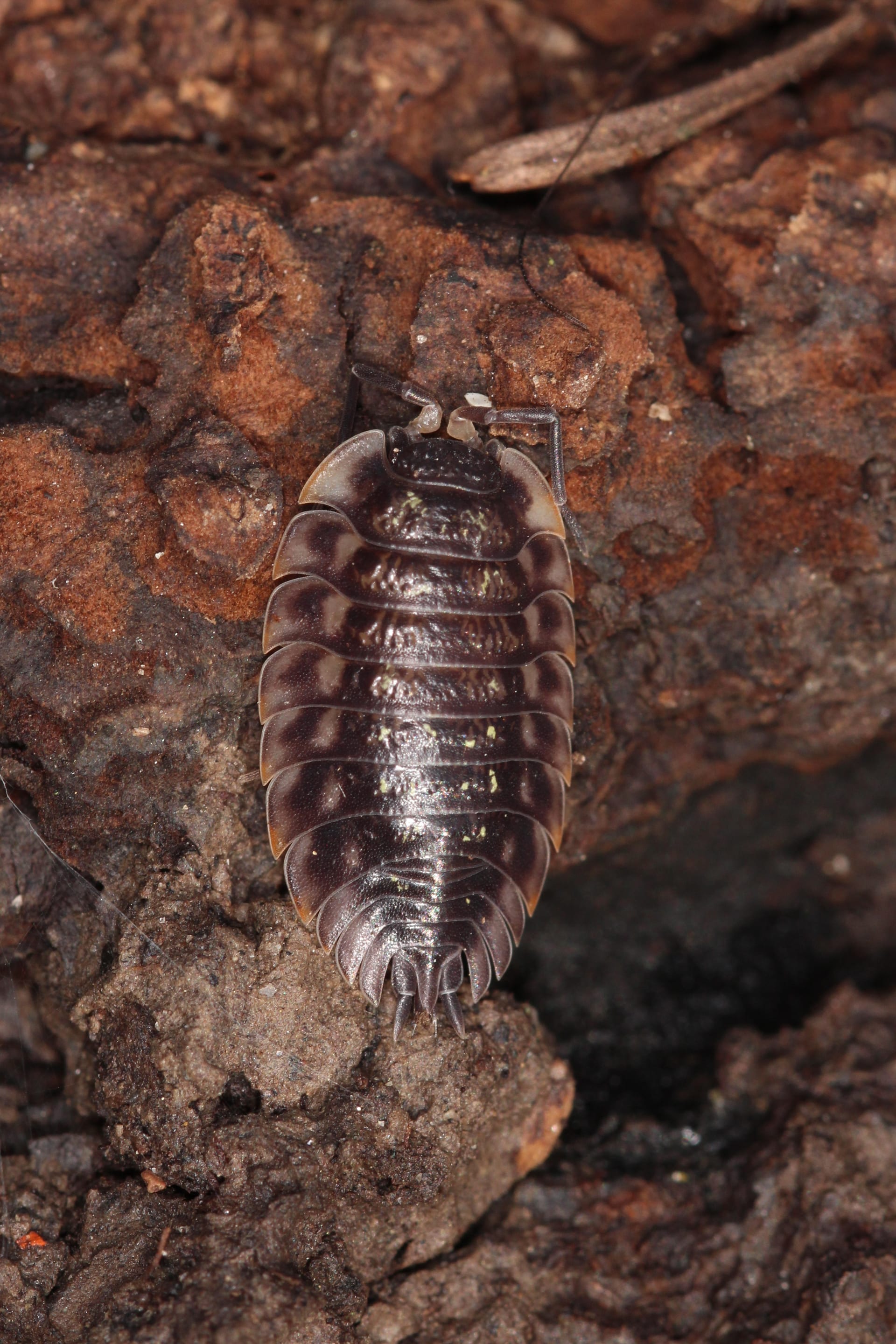
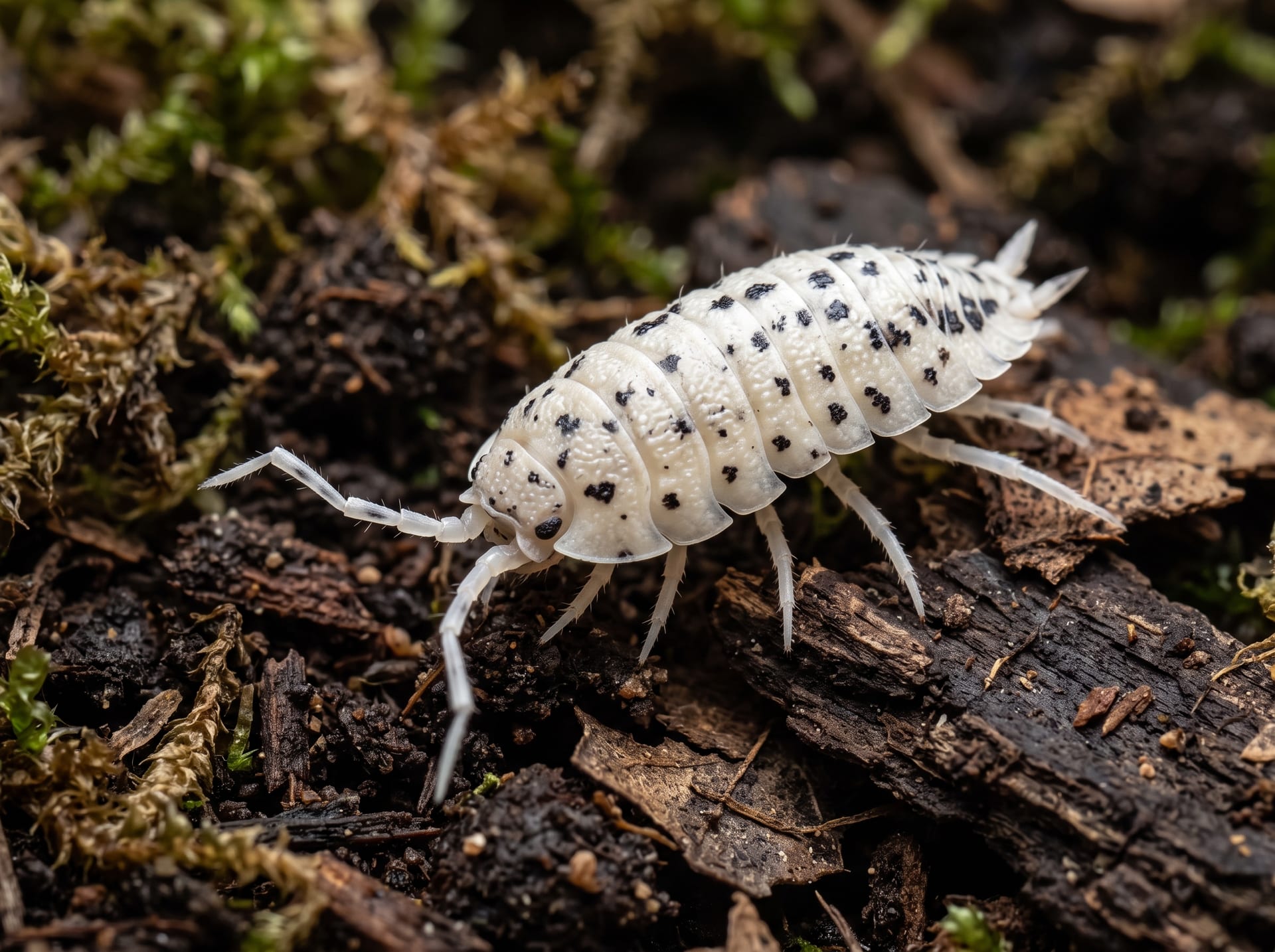
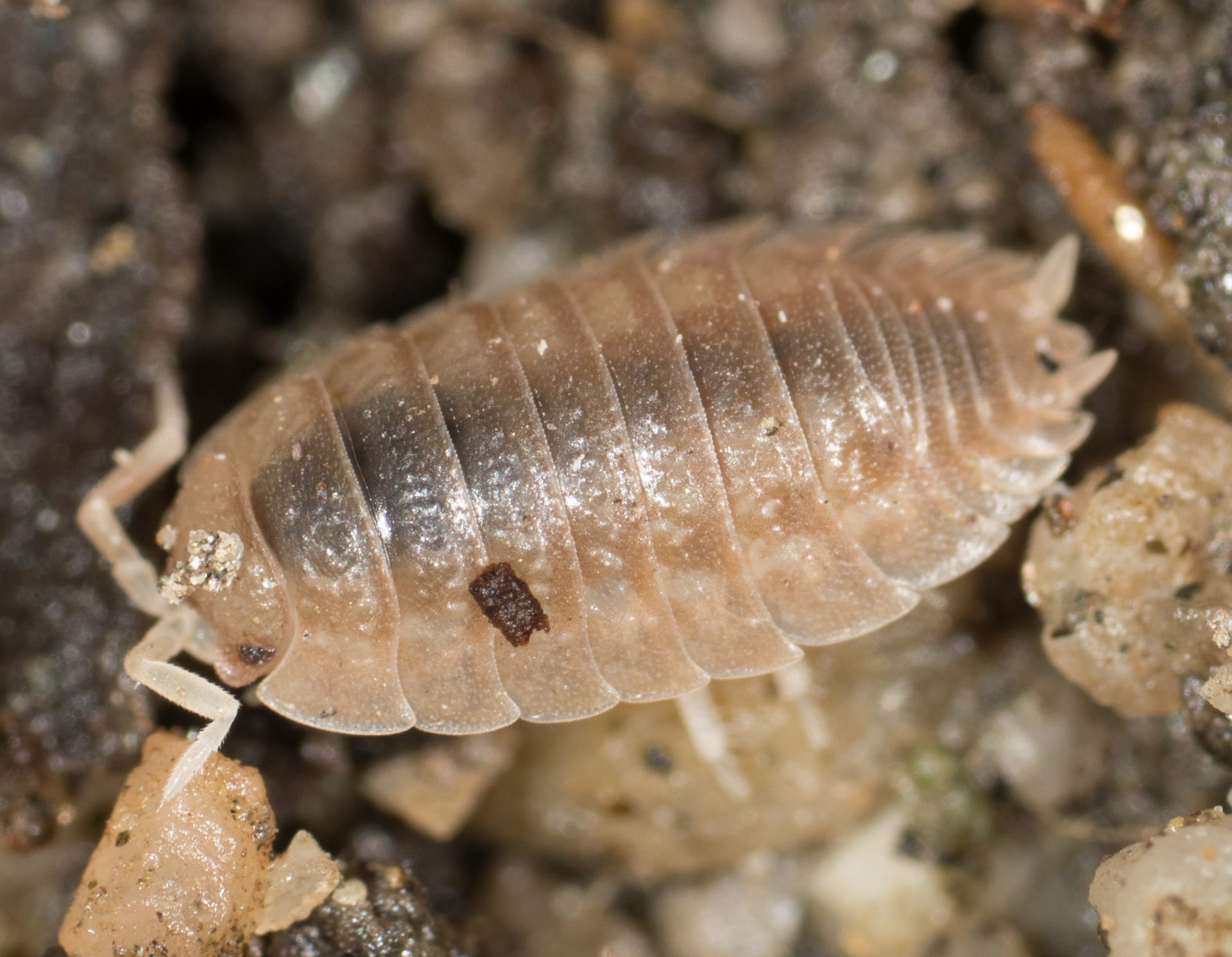
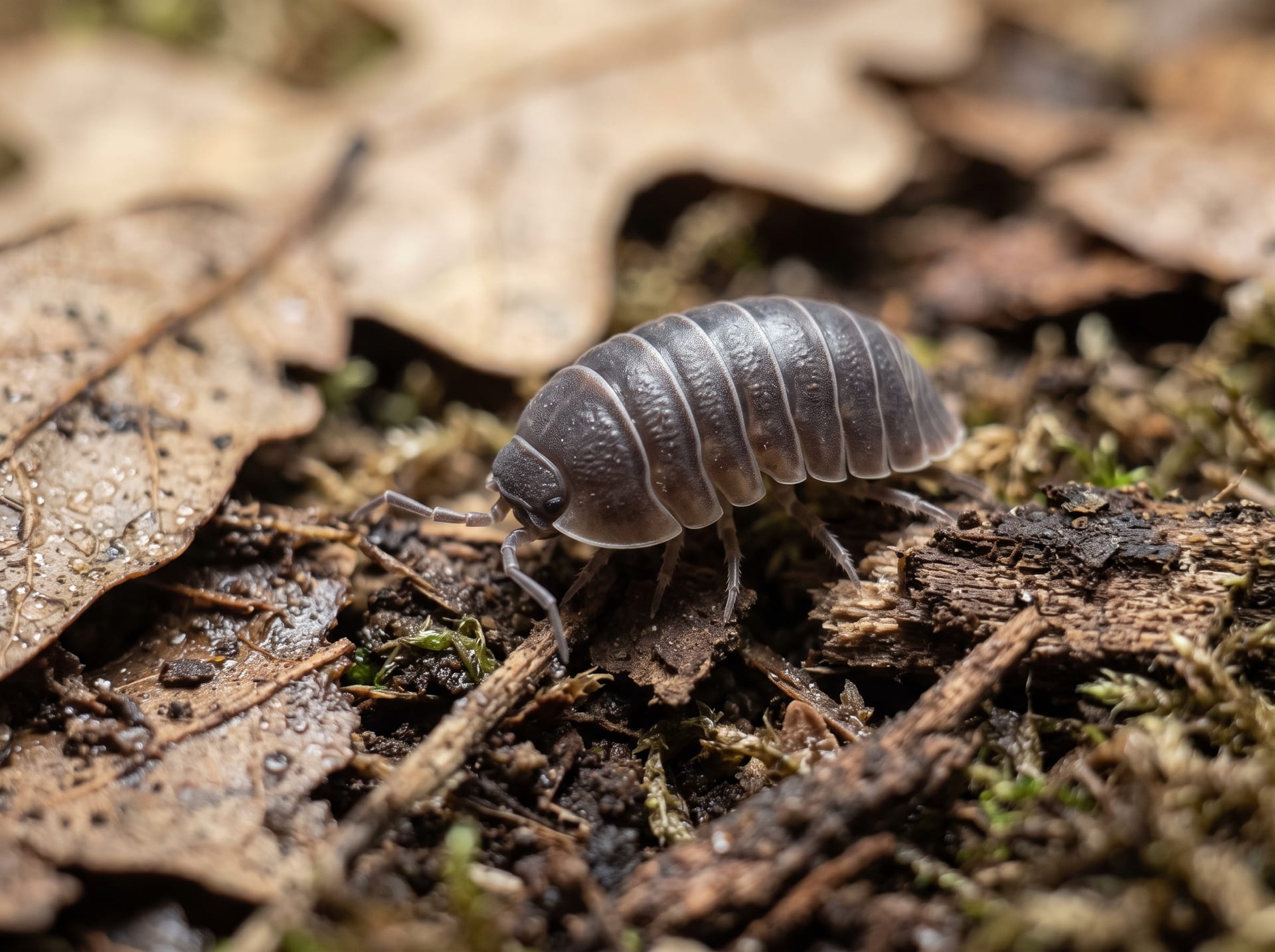
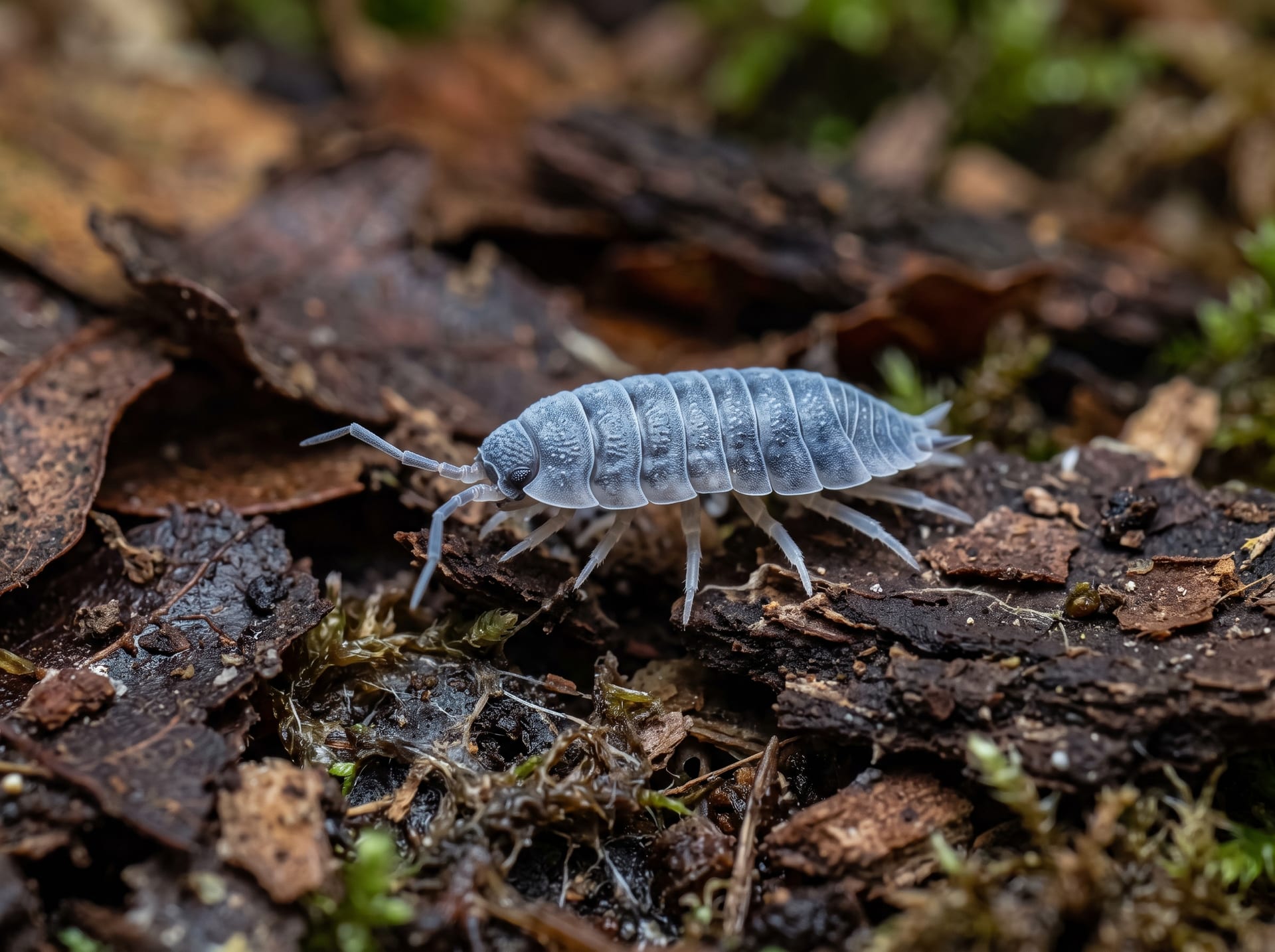
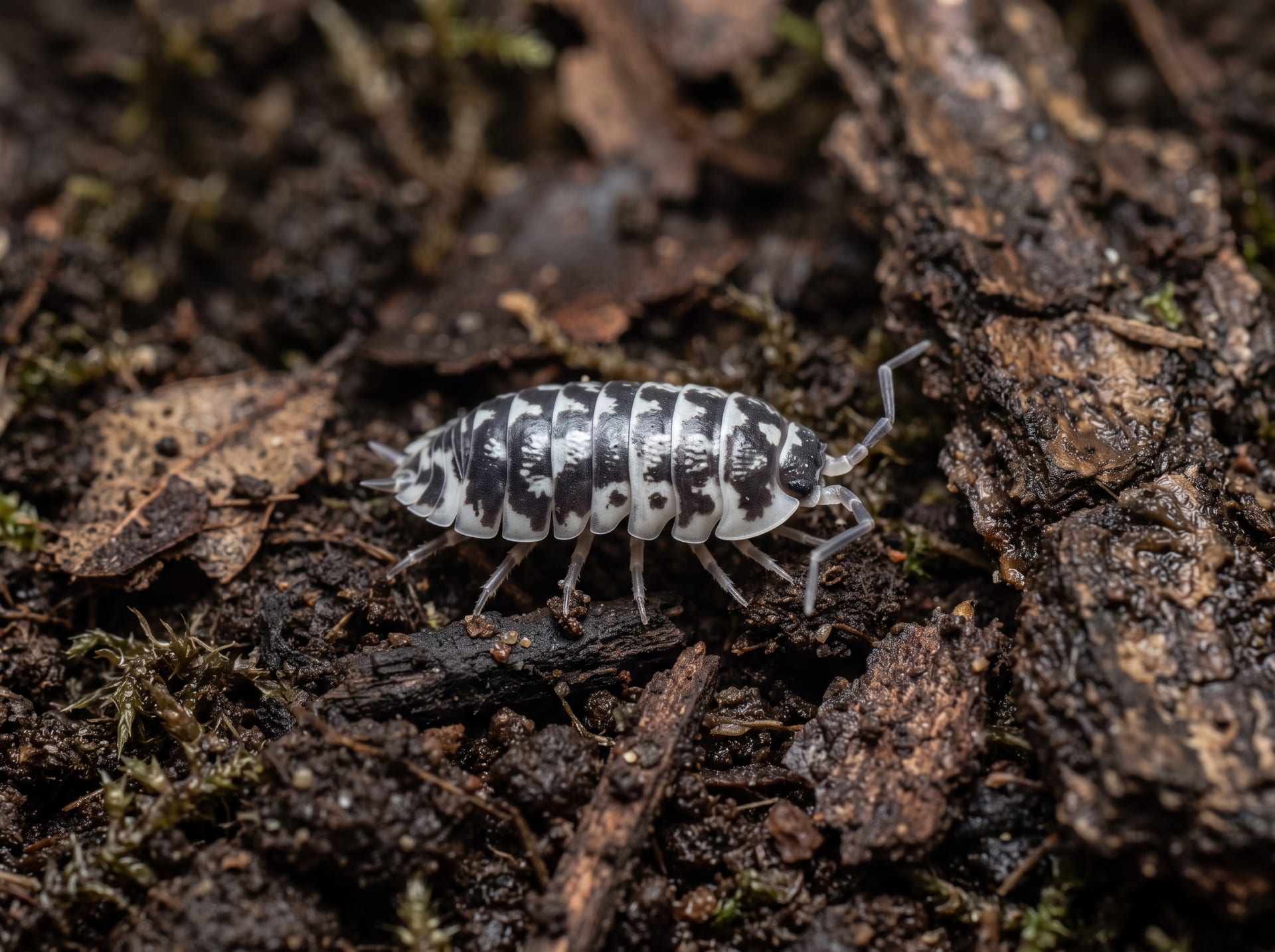
A woodlouse native to Europe and now established worldwide. It rolls up, but the antennae and long uropods stick out of the incomplete ball. Colour ranges from grey to wine-red; hardy, fast-breeding and popular as a cleanup crew.
Difficulty
Beginner
Temperature
15〜28℃
Lifespan
2-4 years
Size
About 10-15mm
Humidity
50〜65%
Diet
Leaf litter and rotten wood as staples, with isopod food, fish flakes, vegetables and fruit for protein and plant matter.
About
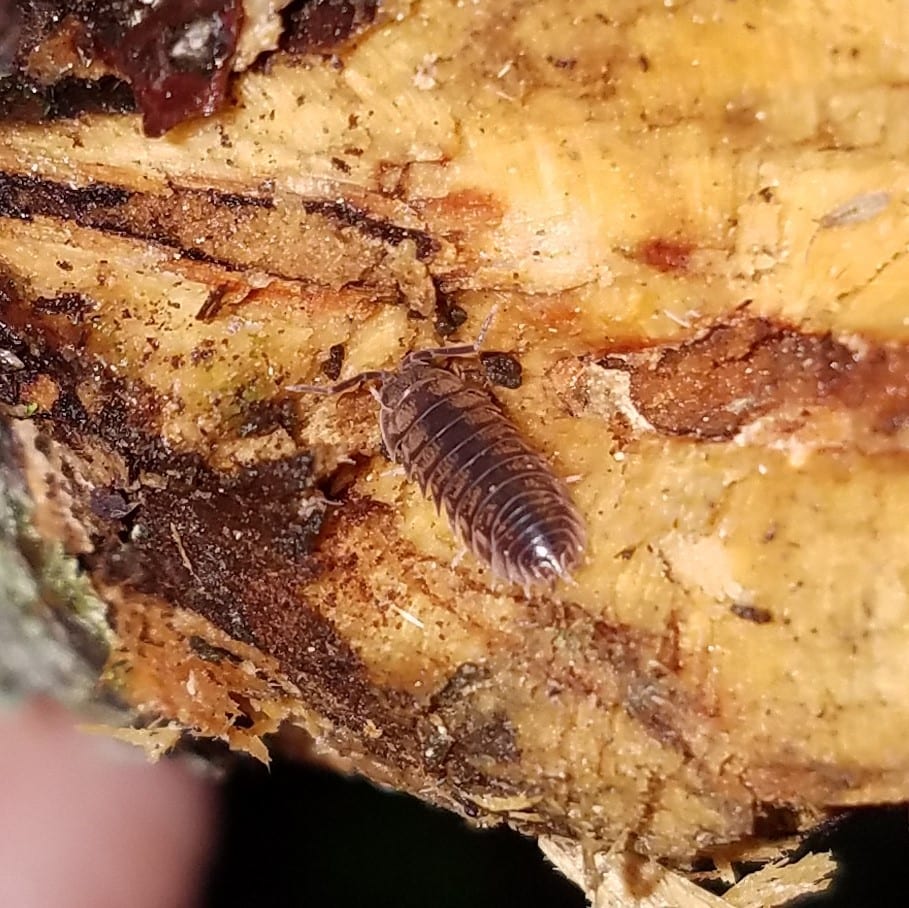
Cylisticus convexus, described by De Geer in 1778, is a woodlouse of the family Cylisticidae native from Europe to the Caucasus and introduced to North and South America and North Africa. It is often found around buildings and is called the 'urban woodlouse' in German. Adults are about 10-15mm, with colour ranging from slate grey and grey-brown to wine-red, and pale dashes along either side of the back. It can roll up, but the antennae and long pointed uropods protrude from the incomplete ball, which separates it from Armadillidium; it also has five pairs of pleopodal lungs. Leaf litter and rotten wood are the staples, and protein from isopod food or fish flakes boosts breeding. It is very active and prolific, and a pied line from Ukraine is traded as 'Ukraine Pied'.
Source: Wikipedia (CC BY-SA 4.0)
Lifespan of the Curly Isopod
The Curly Isopod lives 2-4 years.
Size of the Curly Isopod
The Curly Isopod grows to About 10-15mm.
Temperature & humidity for the Curly Isopod
The ideal temperature for the Curly Isopod is 15〜28℃. Ideal humidity is 50〜65%.
Care is easy at 15-28C and 50-65% humidity, with about two thirds of the substrate kept moist and moss or bark as hides.
Basic Info
Origin
Europe to the Caucasus (introduced to North America, North Africa and South America)
Care Specifications
PeacefulGroupBreeding: Easy
Sources: Exuvium Isopods (size, temperature, humidity, care) / KMK Isopods (care guide) / Insektenliebe (temperature) / Wikipedia (de) (size, distribution, morphology) / WoRMS
References & Sources
Edited & verified by: BreederDirect editorial team
The taxonomic, regulatory, and husbandry data on this page are compiled and verified against the authoritative primary sources below.
Taxonomy & Authority
Accepted name: Cylisticus convexus (De Geer, 1778)
Synonyms: Oniscus convexus, Cylisticus laevis, Porcellio armadilloides, Porcellio spinifrons, Porcellio glaber
Authority databases: GBIF
Nomenclature follows global taxonomic authority databases.
Regulations & Conservation Status
Not CITES-listed
Sources: CITES Appendices (species not listed)
Regulations may change. Always verify the latest information with the relevant authorities.
Curly Isopod Listings
Loading latest listingsFind listings for this species