Source: Wikimedia Commons
Montipora Hispida
AdvancedMontipora hispida
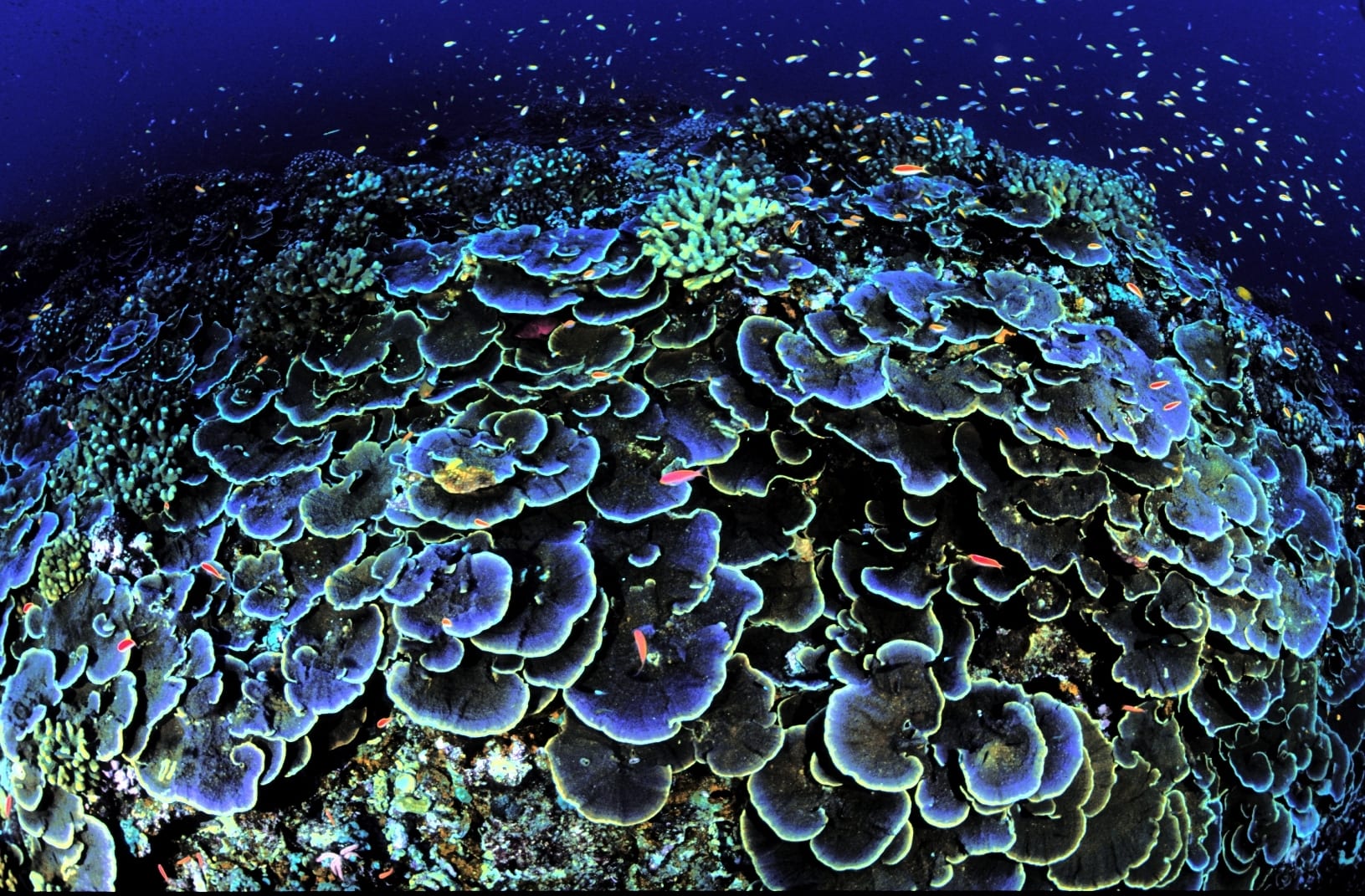
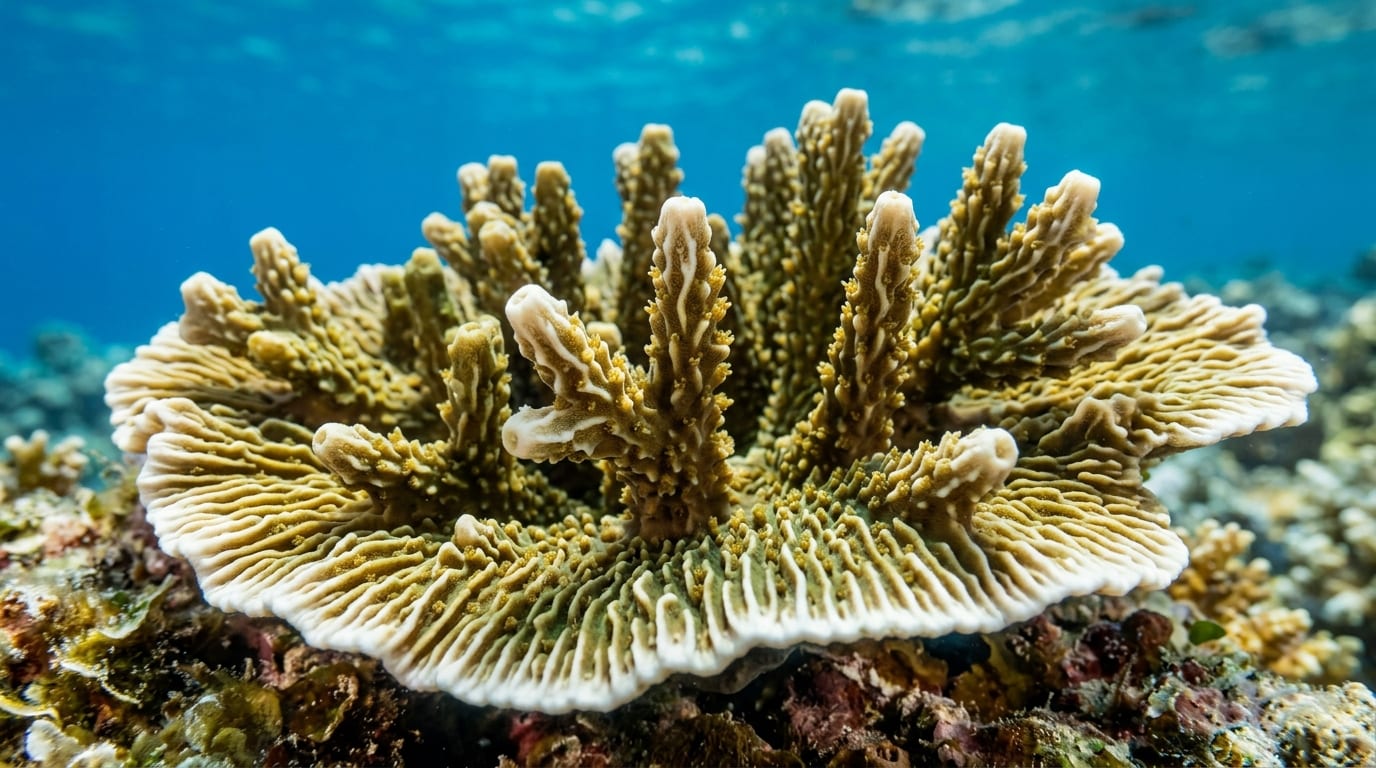
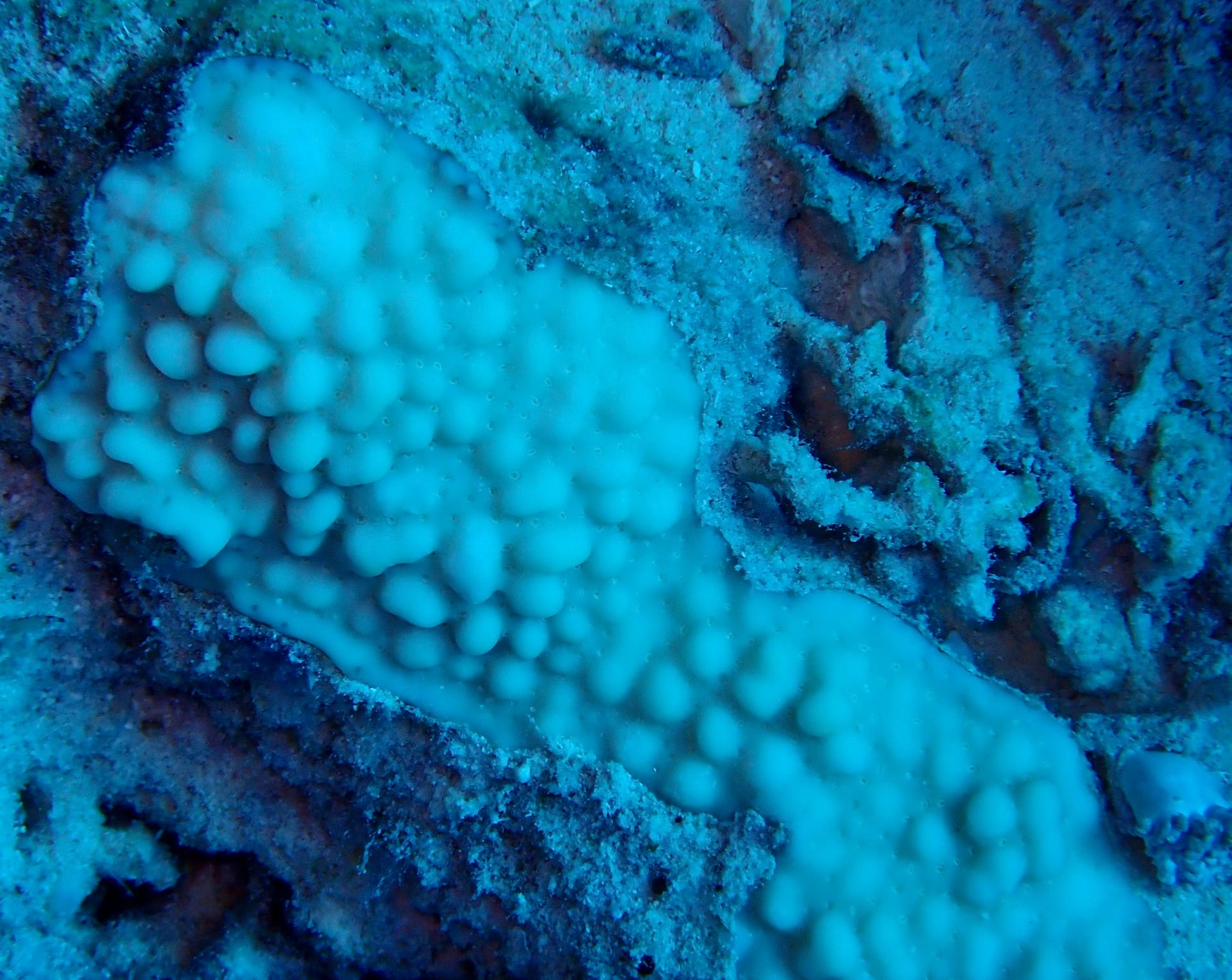
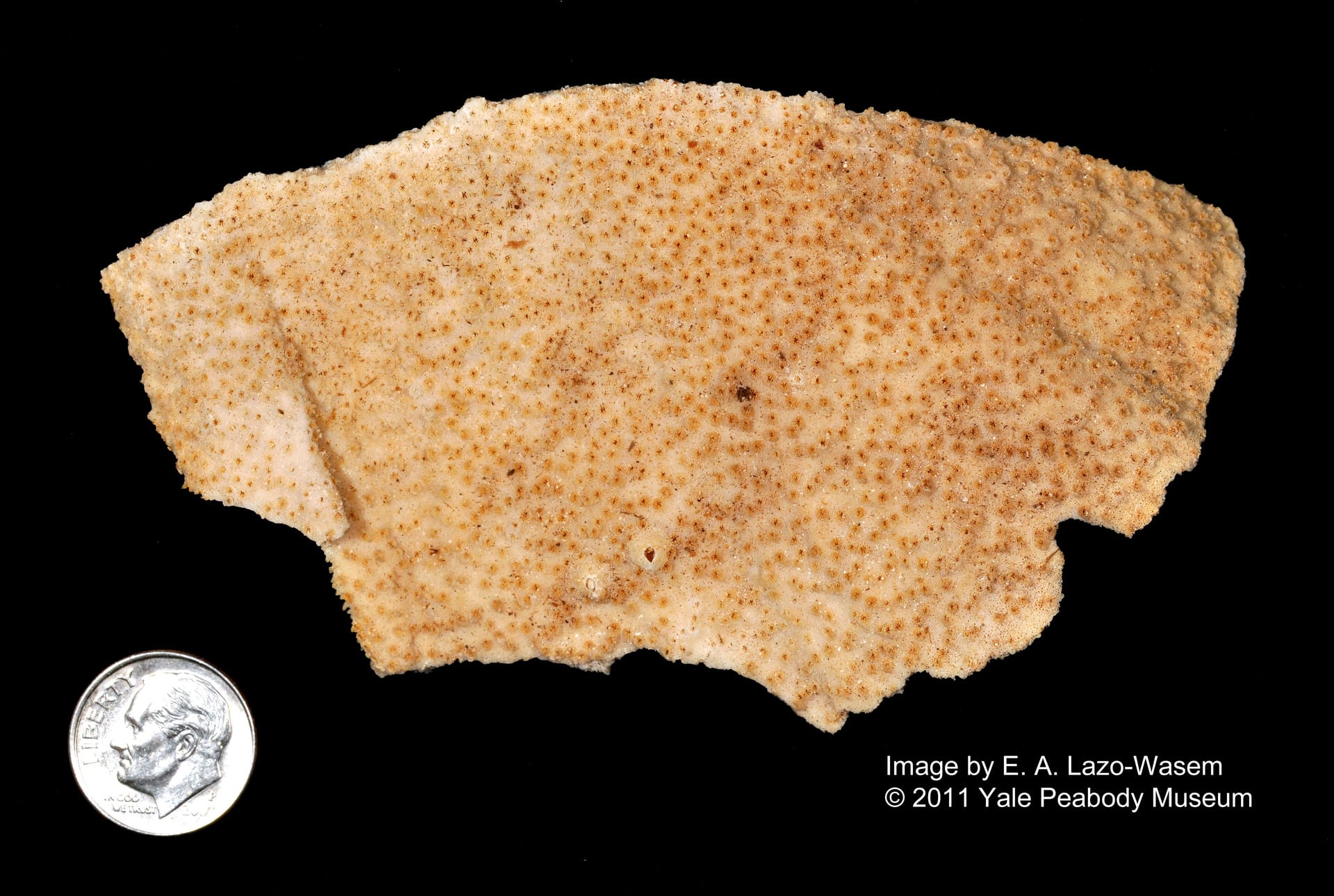
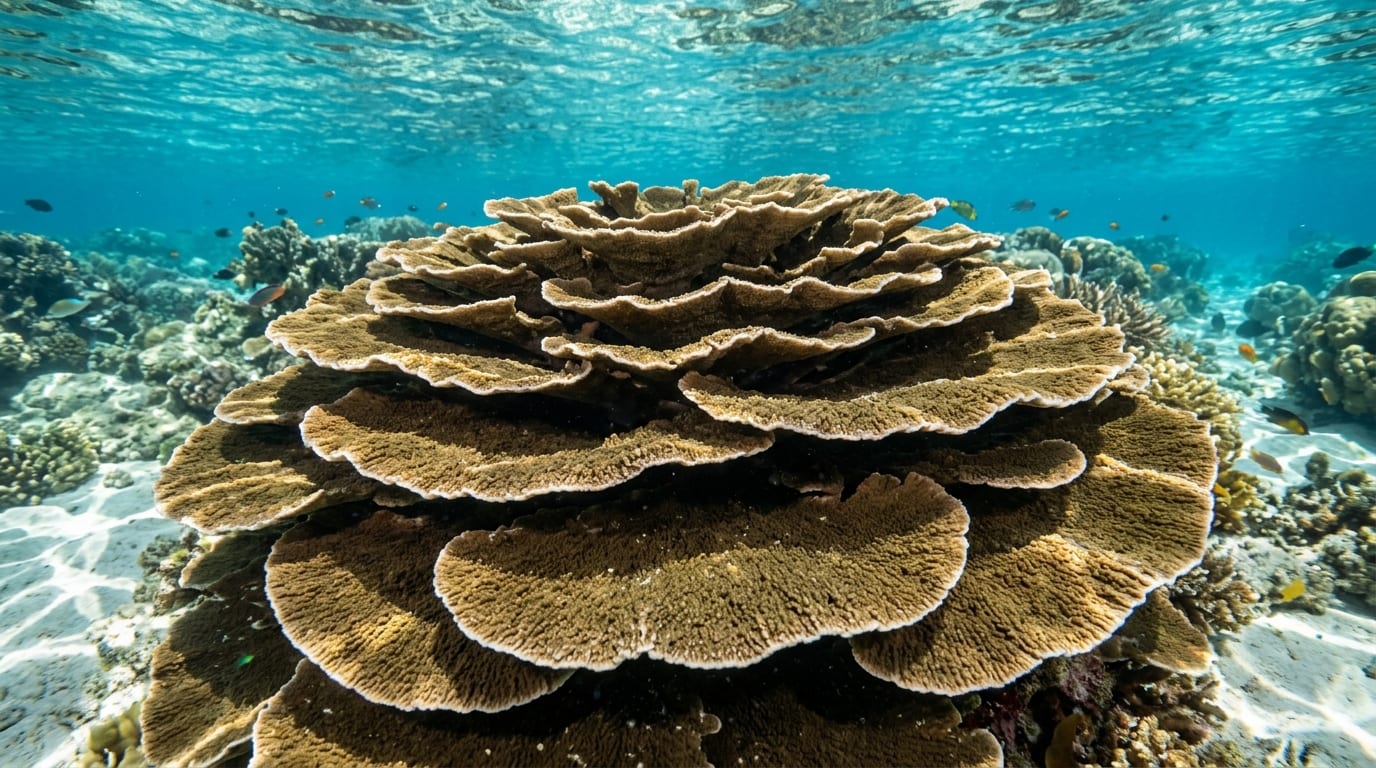
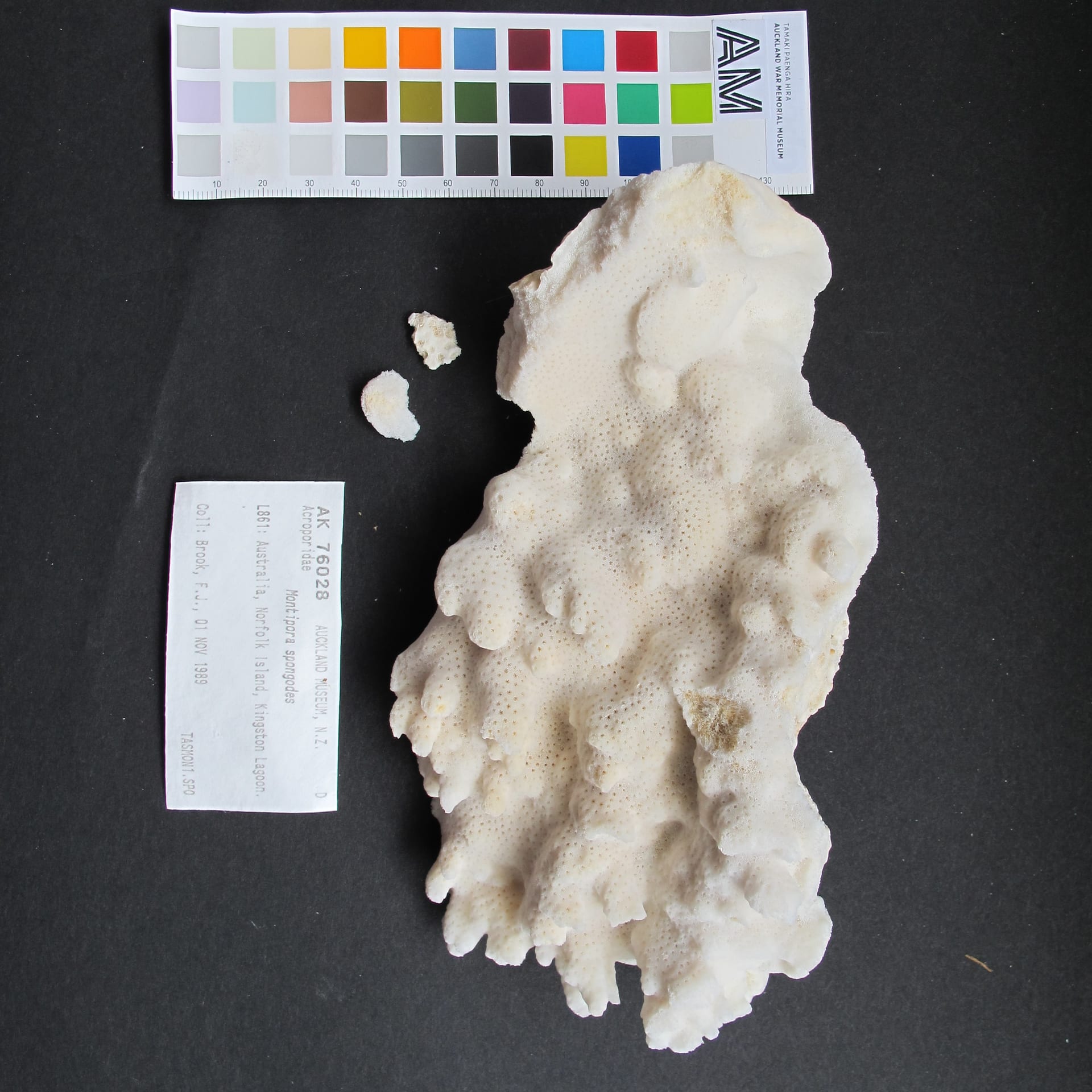
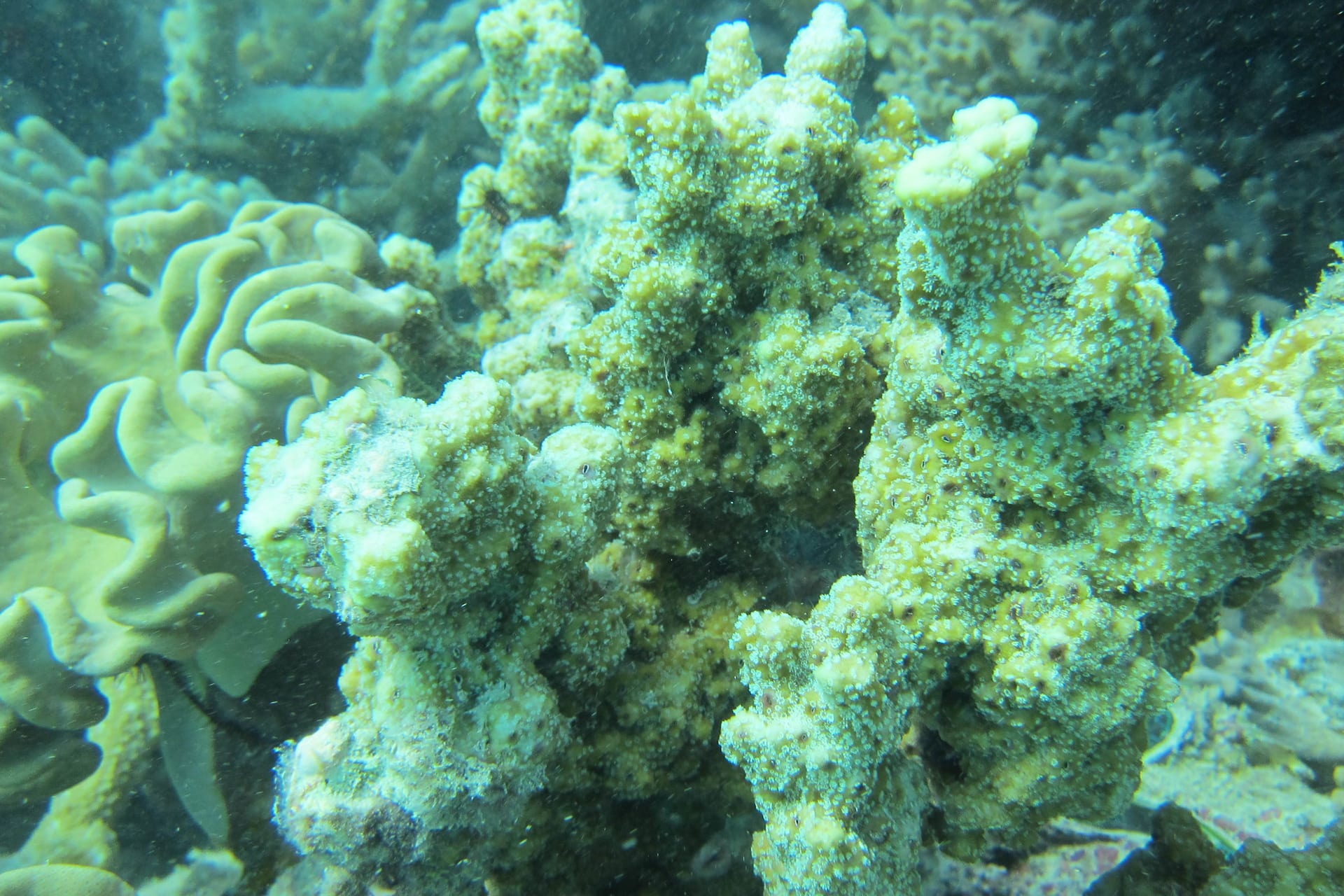
A Montipora that grows from encrusting through columnar to branching forms. Its surface is rough with fine spinules, the source of the epithet hispida, meaning bristly. An SPS that prefers strong light.
Difficulty
Advanced
Temperature
24〜27℃
Size
Colonies to several tens of cm
Diet
Mainly nutrition from symbiotic zooxanthellae, supplemented with powdered coral foods and phytoplankton.
About
Montipora hispida is a reef-building acroporid of the tropical and subtropical Indo-Pacific. SeaLifeBase gives its depth range as 0-40 m, a wider span than most congeners. Growth form varies greatly: the same species may spread as an encrusting sheet, thicken into columns, or send out stout branches. The surface is rough with fine spinules, and the epithet hispida, meaning bristly, refers to this texture. Colour is brown, greenish brown or purplish brown. It is zooxanthellate and draws most of its nutrition from photosynthesis. In the aquarium it wants strong light and strong flow, and it grows fast for a Montipora, so leave generous clearance from neighbouring corals. Stable alkalinity and calcium govern colour and growth. The IUCN assessed it as Endangered in 2023, and as a scleractinian it is listed on CITES Appendix II.
Source: SeaLifeBase
Temperature & humidity for the Montipora Hispida
The ideal temperature for the Montipora Hispida is 24〜27℃.
Basic Info
Origin
Indo-Pacific, tropical to subtropical, on reefs from the surface down to about 40 m
Size
Colonies to several tens of cm
Temperature
24〜27℃
Diet
Mainly nutrition from symbiotic zooxanthellae, supplemented with powdered coral foods and phytoplankton.
Care Guide
Care Specifications
- Carbonate (KH)
- 8–12 dKH
- Water Temp.
- 24–27℃
- Specific Gravity
- 1.023–1.025
- Salinity
- 33–35 ppt
- Calcium (Ca)
- 400–450 ppm
- Magnesium (Mg)
- 1280–1350 ppm
SPSPeacefulLight: High (PAR>150)Flow: HighPlacement: Top
Sources: SeaLifeBase (Montipora hispida) / LiveAquaria (Smooth Encrusting Montipora Coral) / AlgaeBarn: Water Parameters 101
References & Sources
Edited & verified by: BreederDirect editorial team
The taxonomic, regulatory, and husbandry data on this page are compiled and verified against the authoritative primary sources below.
Taxonomy & Authority
Accepted name: Montipora hispida (Dana, 1846)
Synonyms: Manopora hispida Dana, 1846, Montipora expansa (Dana, 1846), Montipora hirsuta Bernard, 1897, Montipora plateformis Nemenzo, 1967
Authority databases: WoRMS
Nomenclature follows global taxonomic authority databases.
Regulations & Conservation Status
CITES Appendix IIIUCN EN · Endangered
Sources: CITES Appendix II (Scleractinia spp. listed as an order) / IUCN Red List 2025-2 (assessed 2023, via SeaLifeBase)
Regulations may change. Always verify the latest information with the relevant authorities.
Montipora Hispida Listings
Loading latest listingsFind listings for this species