Source: Wikimedia Commons
Montipora Foliosa
AdvancedMontipora foliosa
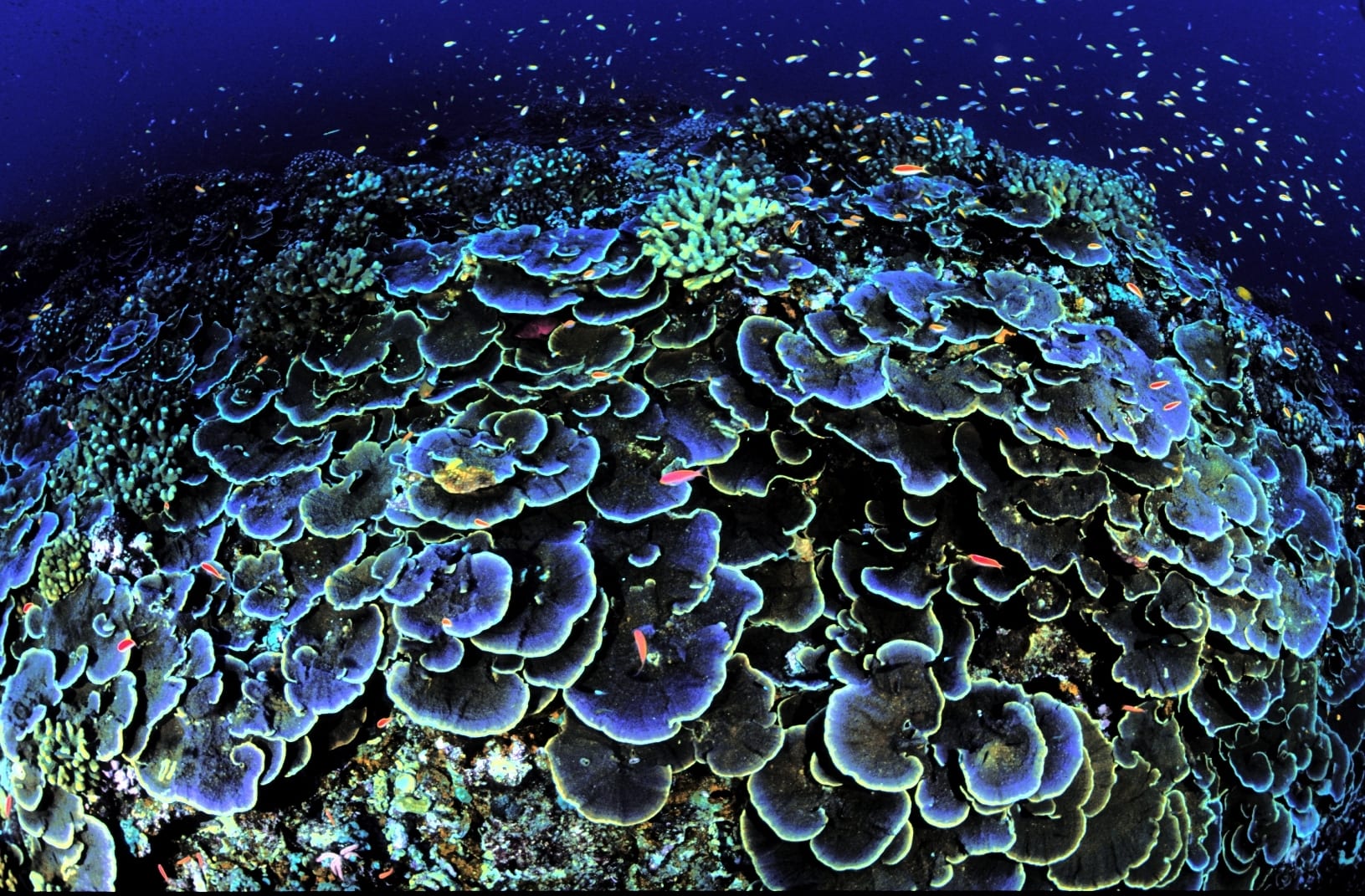
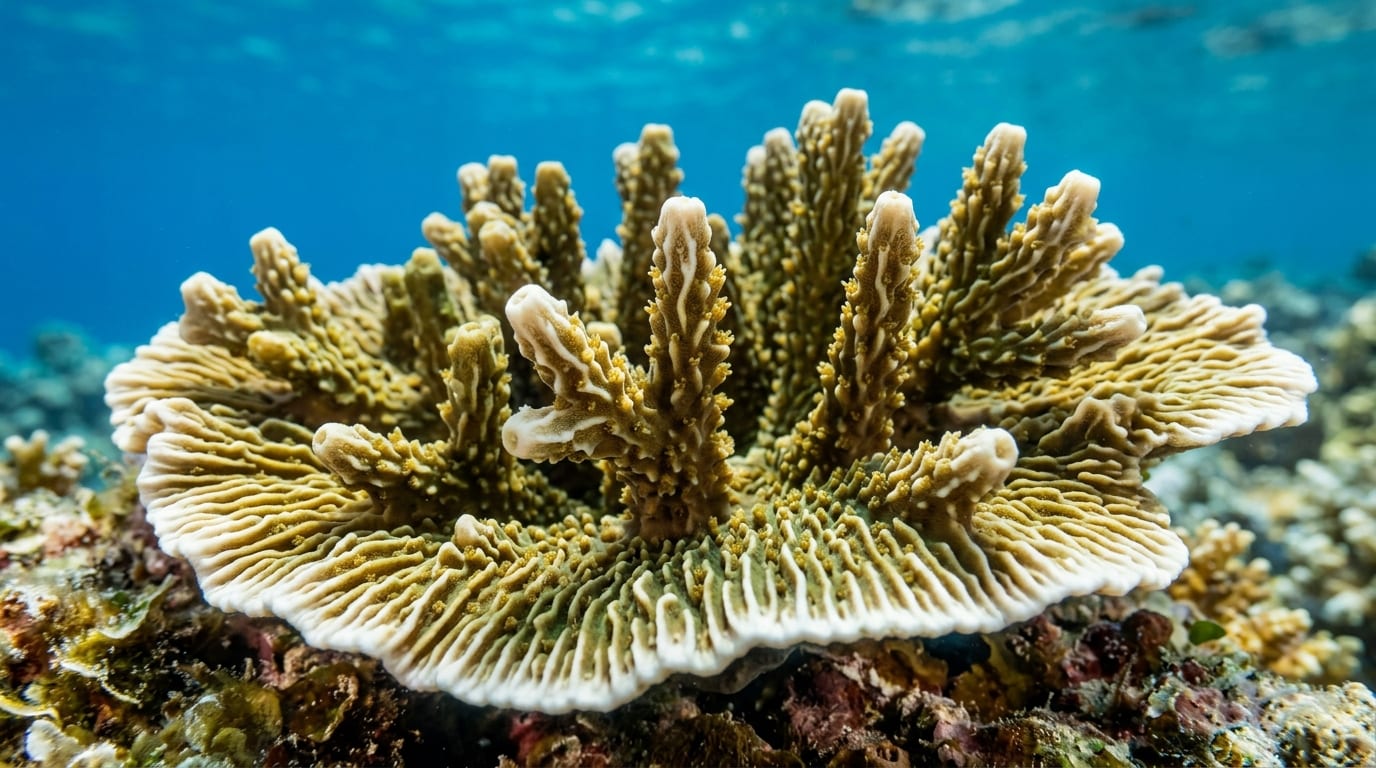
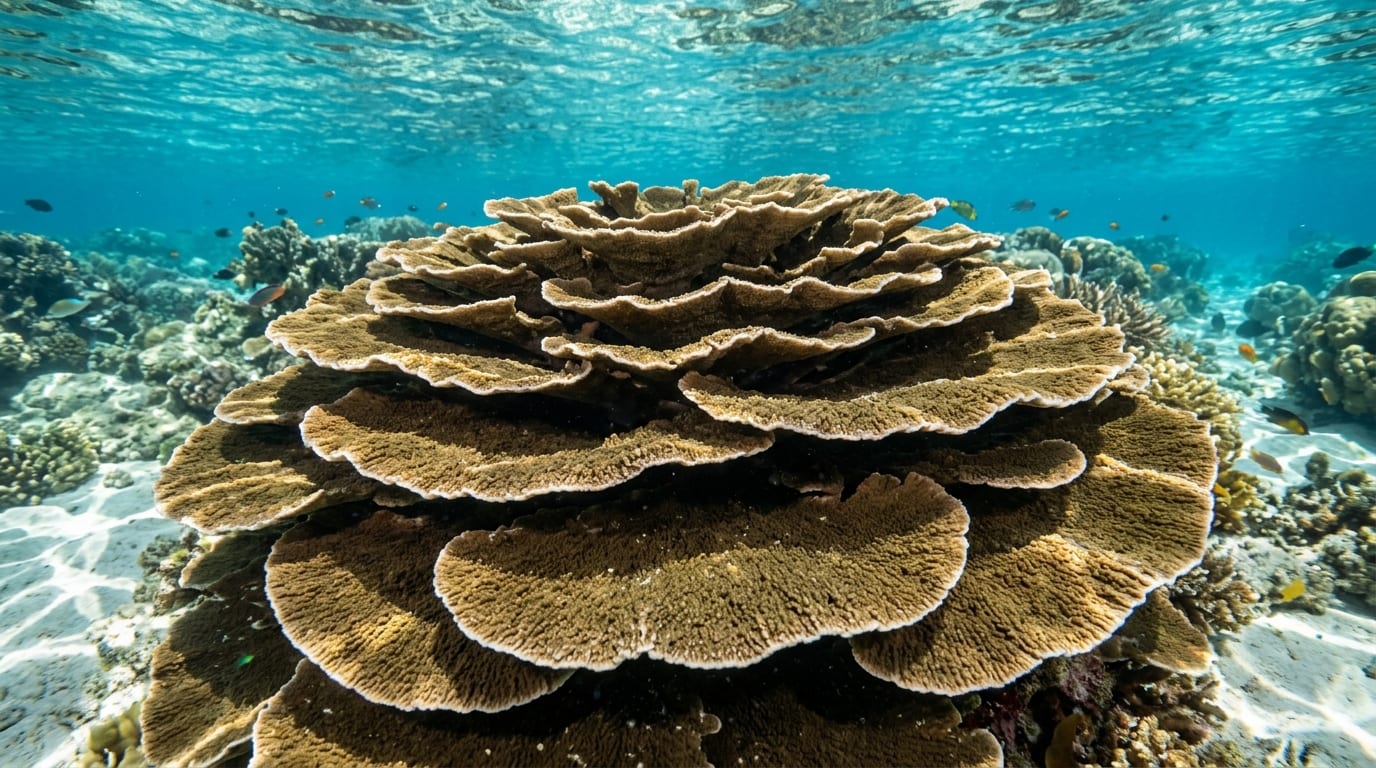
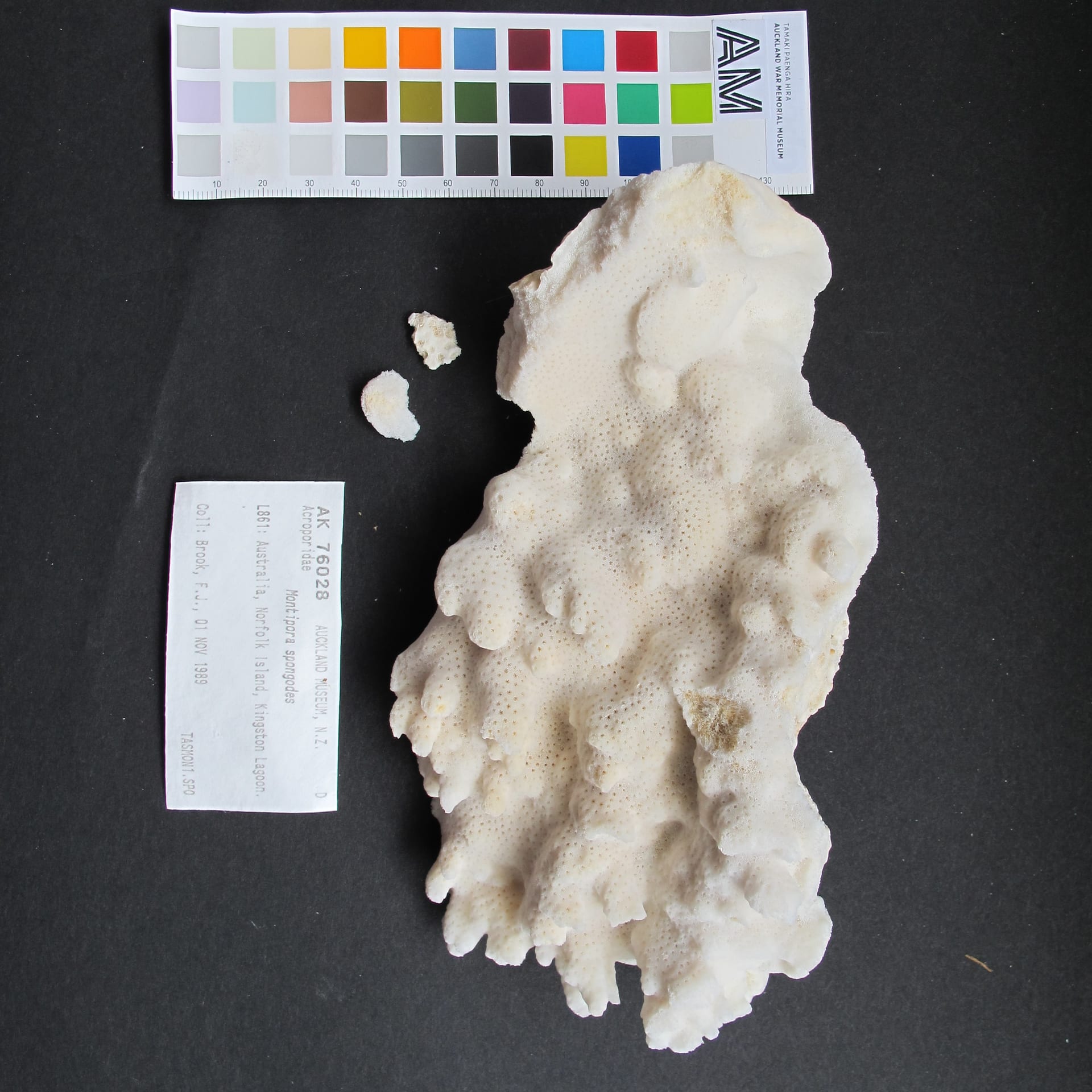
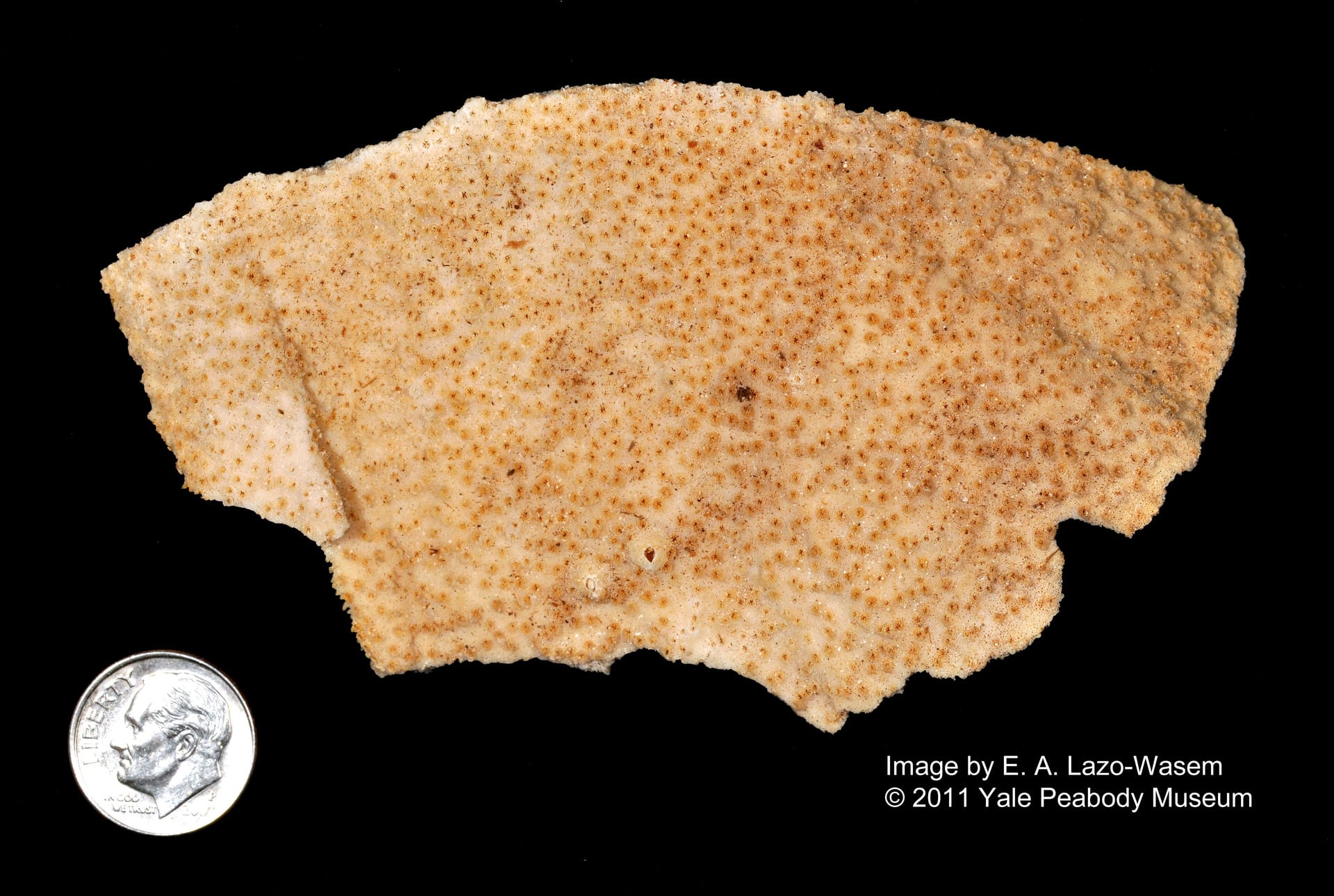
A foliose Montipora whose thin plates spiral into tiered, rose-like colonies. Fine ridges radiate towards the plate margins, which are often brightly rimmed. An SPS that prefers strong light.
Difficulty
Advanced
Temperature
24〜27℃
Size
Colonies to several tens of cm
Diet
Mainly nutrition from symbiotic zooxanthellae, supplemented with powdered coral foods and phytoplankton.
About
Montipora foliosa is a reef-building acroporid distributed across the tropical and subtropical Indo-Pacific. SeaLifeBase gives its depth range as 0-20 m, and it is most common on reef flats and the shallower parts of reef slopes. Colonies are built from thin plates that spiral over one another, producing a tiered, rose-like shape as they grow. Fine ridges radiate towards the plate margins, with the corallites arranged between them. Colour is typically brown or greenish brown, often with a brighter rim along the plate edge. It is zooxanthellate and draws most of its nutrition from photosynthesis. In the aquarium it needs strong light and randomised flow that keeps detritus from collecting between the plates. Because the tiers overlap, sediment tends to lodge under and between them, and tissue can recede from those points. The IUCN assessed it as Endangered in 2023, and as a scleractinian it is listed on CITES Appendix II.
Source: SeaLifeBase
Temperature & humidity for the Montipora Foliosa
The ideal temperature for the Montipora Foliosa is 24〜27℃.
Basic Info
Origin
Indo-Pacific, tropical to subtropical, on reefs from the surface down to about 20 m
Size
Colonies to several tens of cm
Temperature
24〜27℃
Diet
Mainly nutrition from symbiotic zooxanthellae, supplemented with powdered coral foods and phytoplankton.
Care Specifications
- Carbonate (KH)
- 8–12 dKH
- Water Temp.
- 24–27℃
- Specific Gravity
- 1.023–1.025
- Salinity
- 33–35 ppt
- Calcium (Ca)
- 400–450 ppm
- Magnesium (Mg)
- 1280–1350 ppm
SPSPeacefulLight: High (PAR>150)Flow: HighPlacement: Top
Sources: SeaLifeBase (Montipora foliosa) / LiveAquaria (Smooth Encrusting Montipora Coral) / AlgaeBarn: Water Parameters 101
References & Sources
Edited & verified by: BreederDirect editorial team
The taxonomic, regulatory, and husbandry data on this page are compiled and verified against the authoritative primary sources below.
Taxonomy & Authority
Accepted name: Montipora foliosa (Pallas, 1766)
Synonyms: Madrepora foliosa Pallas, 1766, Madrepora lima Pallas, 1766, Agaricia lima Lamarck, 1816, Madrepora patiniformis Esper, 1797
Authority databases: WoRMS
Nomenclature follows global taxonomic authority databases.
Regulations & Conservation Status
CITES Appendix IIIUCN EN · Endangered
Sources: CITES Appendix II (Scleractinia spp. listed as an order) / IUCN Red List 2025-2 (assessed 2023, via SeaLifeBase)
Regulations may change. Always verify the latest information with the relevant authorities.
Montipora Foliosa Listings
Loading latest listingsFind listings for this species