What Kind of Coral is Montipora (Ridged Coral)?
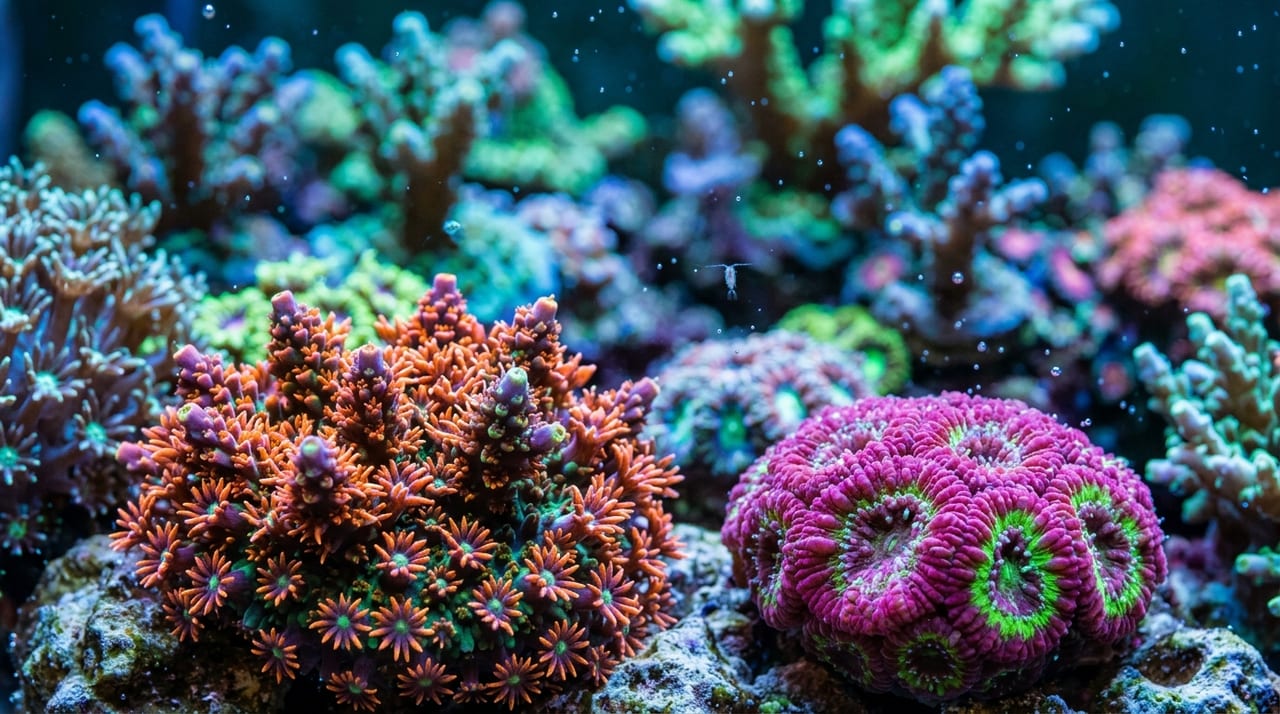
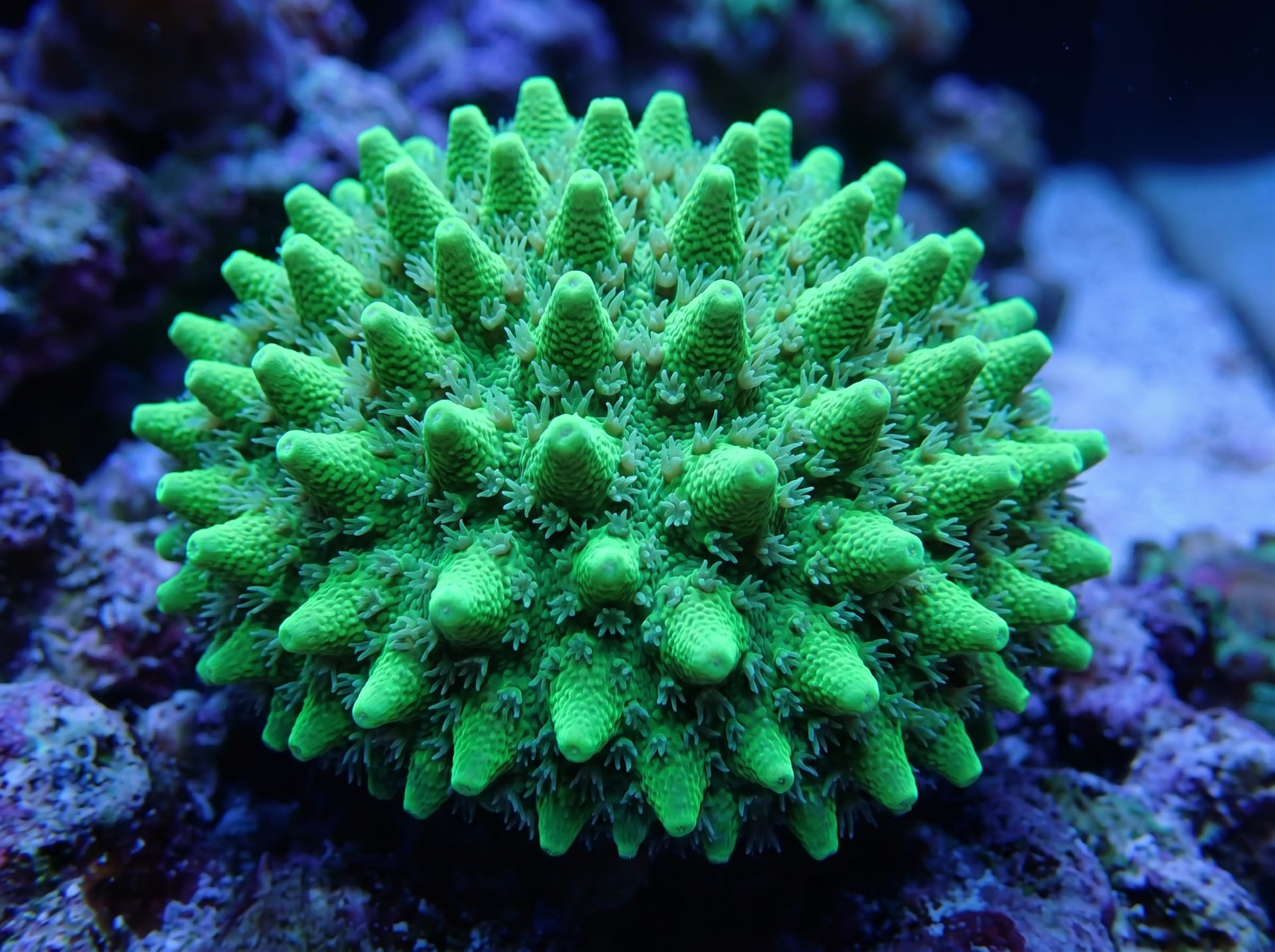
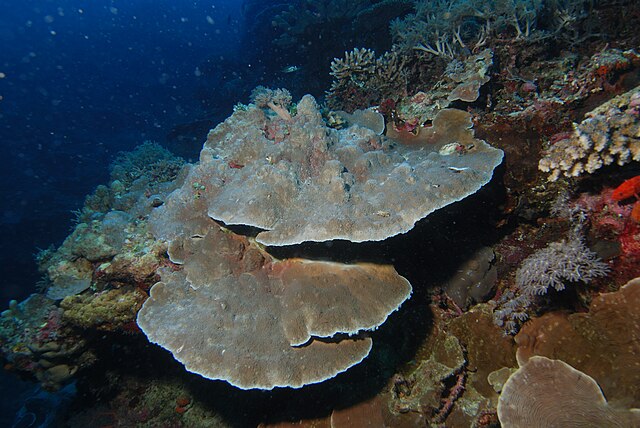
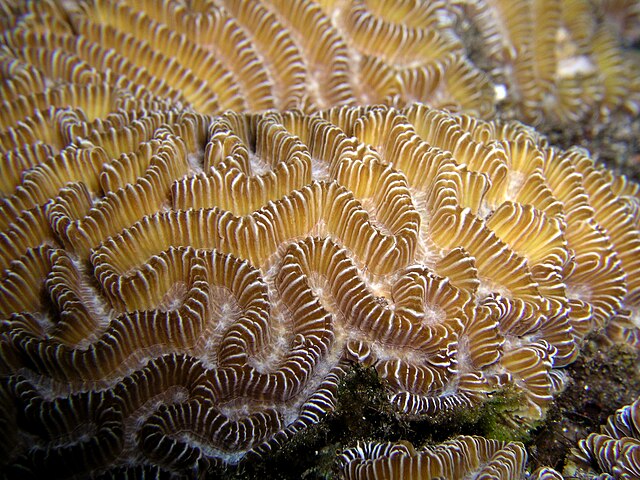
Montipora species (Montipora spp.) belong to the family Acroporidae within the order Scleractinia and are classified as SPS (small polyp stony corals). While the Japanese common name is "chidimi tosaka" (ridged coral), the aquarium industry widely knows them as "Montipora" or "Monti." They are distributed across tropical and subtropical coral reefs worldwide, with over 100 recorded species currently. Their growth morphologies—plating, foliose, mounding, and cup-shaped—are among the most diverse in the coral world.
Although classified in the same SPS category as Acropora (hard corals), Montipora is less sensitive to water quality than Acropora and is exceptionally well-suited as an SPS beginner species. With vibrant fluorescent coloration in red, green, pink, orange, purple, and multicolor, proper care conditions will bring stunning color to your aquarium.
Water Quality Parameters Required for Montipora Care
The following water quality parameters should be maintained for long-term healthy Montipora husbandry.
Alkalinity (KH)
The ideal range is 8–9 dKH. KH directly correlates with zooxanthellae photosynthetic activity, and rapid changes (fluctuations exceeding 0.5 dKH per day) trigger bleaching or RTN. Daily measurement and keeping fluctuations within 0.1–0.2 dKH is key to long-term success.
Calcium (Ca)
Maintain 420–440 ppm. Essential for skeletal formation, imbalances with KH cause precipitation, clogging pumps and heaters. Monitor KH × Ca products to prevent excess.
Magnesium (Mg)
The appropriate range is 1,250–1,350 ppm. Insufficient Mg impairs Ca and KH absorption, so manage all three elements as a system.
Nitrate (NO₃) and Phosphate (PO₄)
Montipora tolerates slightly higher nutrient levels compared to Acropora, but ideally NO₃ should be 1–5 ppm and PO₄ 0.03–0.08 ppm. In ultra-low nutrient (ULNS) environments, coloration deteriorates and polyps retract.
Water Temperature
25–27°C. When summer temperatures exceed 28°C, zooxanthellae begin to expel (bleaching). Maintain stability year-round with heater + cooler or air conditioning.
Specific Gravity (Salinity)
1.025–1.026 (equivalent to 35 ppt salinity). An ATO (automatic top-off system) is essential for maintaining stable specific gravity.
Lighting: Spectrum and PAR Values
Montipora thrives in medium to high PAR environments. A general guideline at polyp level is PAR 150–350 µmol/m²/s. They require less high light intensity than Acropora (which needs PAR 300–500) and grow and color well under moderately lower light.
Spectrum Selection Tips
Blue to violet wavelengths (420–480 nm) excite fluorescent proteins and reveal green, orange, and pink fluorescence. White wavelengths (6,500–14,000 K) drive growth rate. Using reef-grade LED fixtures (Radion G6, Hydra, Orphek Atlantik, etc.) and setting the blue-to-white ratio at 6–7:3–4 provides good balance between coloration and growth.
Light Acclimation for New Additions
Even in high-light aquariums, start newly acquired specimens at low PAR (30–50% power) and gradually increase over 2–4 weeks through "acclimation." Abrupt exposure to high intensity causes light stress bleaching.
Water Flow: Optimization by Growth Morphology
Optimal flow rate and direction vary depending on Montipora growth form.
Plating and Foliose Types
Representative species: M. capricornis, M. undata
These prefer random, turbulent flow. Strong, linear flow damages tissue and causes edge necrosis (RTN). Install multiple wavemakers to create a "turbulent environment" where water currents collide. Target flow velocity is 20–30 times the tank volume per hour.
Mounding and Encrusting Types
Representative species: M. monasteriata, M. digitata
These tolerate moderate to strong unidirectional flow. Orient the coral so its polyps face outward and open appropriately.
Branching (Finger) Types
Representative species: M. digitata (branching morph)
These prefer gentle, moderate flow. Thin branches risk breakage in strong currents.
Placement and Compatibility with Other Corals
Montipora exhibits low aggression via mesenterial filaments and relatively mild allelopathy. However, note the following precautions.
Avoid Direct Contact
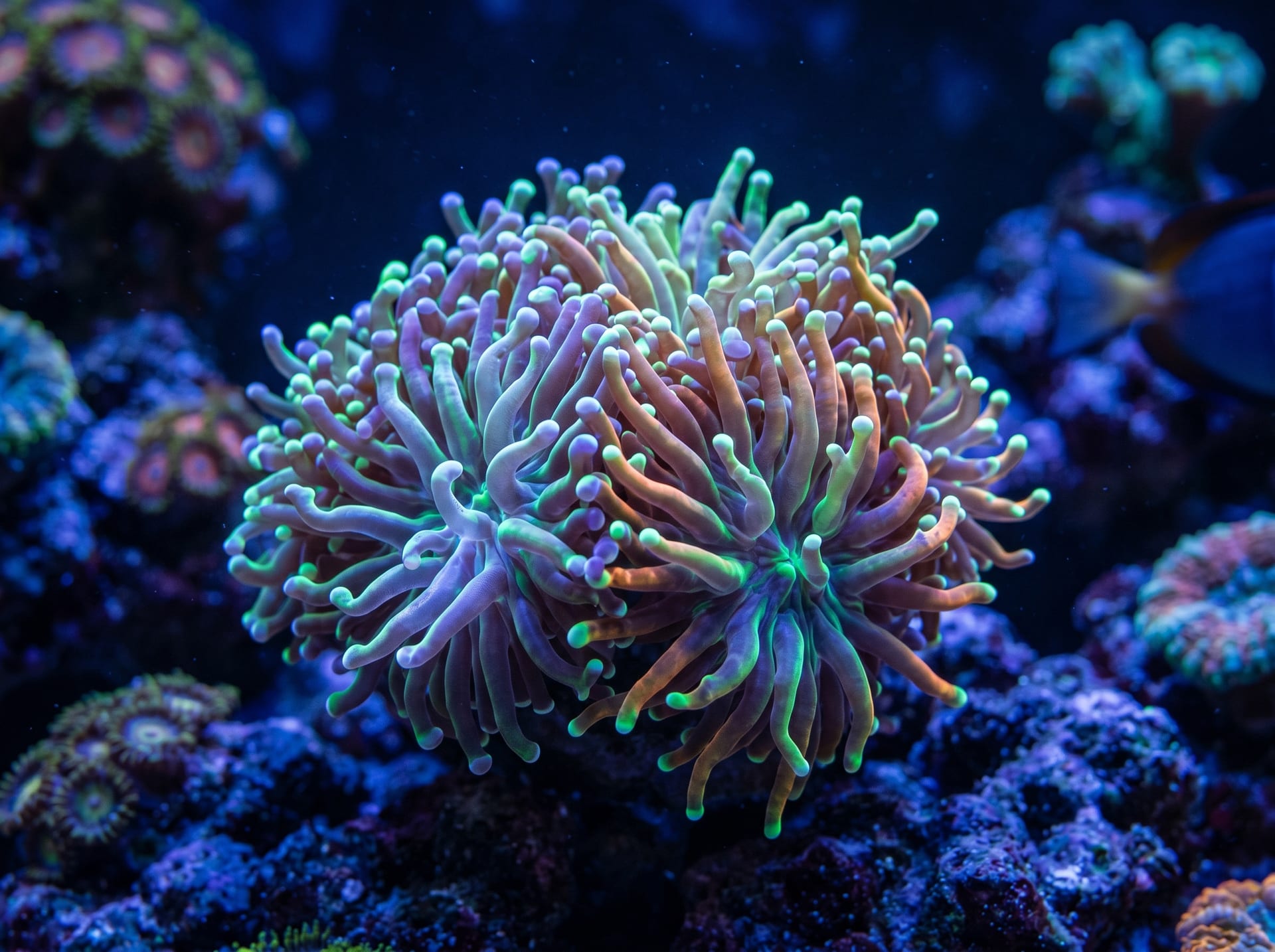
Contact with highly aggressive species such as Euphyllia (tentacle corals) or Favites/Platygyra (brain corals) is forbidden. Sweeper tentacles cause tissue burn.
Ensure Upper and Side Clearance
Plating Montipora depend on light from above. Avoid placing light-blocking specimens like soft corals or branching Acropora overhead; plan layouts carefully from the start.
Secure Attachment
For the first 24–48 hours after introduction, securely fix to live rock or dedicated frag racks using two-part epoxy adhesive (Instant Ocean Coral Glue, etc.). Dislodgment by current risks injuring nearby species through contact.
Feeding: Necessary or Not?
Montipora derives its primary energy from photosynthetic products of zooxanthellae (glucose, glycerol, etc.) and grows in captivity without supplemental feeding. However, weekly or twice-weekly additions of the following liquid and particulate foods improve growth rate and coloration.
- Phytoplankton (Nannochloropsis species): enriches the microbial community in the water column for indirect nutrition
- Amino Acid Additives (Brightwell Aquatics Amino Acids, Fauna Marin Ultra Min type): supports protein synthesis
- Polyp Food (Polyp-Lab Reef-Roids, etc.): add weekly around the coral with flow off
Excessive organic matter increases nitrate and phosphate; dose conservatively. Balance with protein skimming systems for efficient organic removal.
Reproduction (Fragmentation) and Selling
Montipora reproduces readily through asexual propagation via fragmentation. Cut plating types at edges in 1–2 cm units with scissors or cutters; trim branching types with nippers.
Fragment Creation Steps
- Prepare frag plugs (ceramic or plastic) and secure with two-part epoxy
- Immerse in a dedicated dip (Coral RX, Seachem ReefDip, etc.) for 5–10 minutes to remove flatworms and bacteria
- Place on frag racks in medium PAR, medium flow for 2–4 weeks
- When polyps open and new growth (white edges) appears, the fragment is ready for sale
A single plating Montipora colony yields dozens to hundreds of fragments, making it a stable revenue source for breeders. For BreederDirect's coral category listings, photography that showcases fluorescent coloration directly drives sales. Set camera white balance to "daylight" or "underwater," and illuminate primarily with 420–450 nm blue LEDs to capture vibrant green, red, and orange fluorescence.
Common Problems and Solutions
RTN (Rapid Tissue Necrosis)
Montipora readily succumbs to RTN, where brown tissue peels away. Causes include KH fluctuation, mechanical injury, and bacterial infection. Upon detection, cut the affected area with nippers, dip in Coral RX, then quarantine. Observe in a separate tank (QT).
STN (Slow Tissue Necrosis)
Tissue whitens and dies gradually over days to weeks. Low KH, excessively strong direct flow, or chronic stress from contact are common culprits. Dipping and environmental improvement can halt progression.
Zooxanthellae Overgrowth (Browning)
High nutrients and low light cause zooxanthellae to overgrow, turning natural fluorescence brown. Lower NO₃ to 1–3 ppm and increase lighting; recovery takes several weeks.
Montipora Nudibranch
White, sea-slug-like nudibranchs (Phestilla lugubris complex) graze on polyps. Observe at night with a microscope or magnifying glass and remove with tweezers. Dips (Salifert Flatworm Exit, Coral RX Pro) effectively eliminate them.
Summary: Montipora is the Ideal SPS Beginner Species
Though classified with Acropora in the SPS category, Montipora has mid-level care difficulty, making it ideal for aquarists first attempting SPS. The wealth of color and diverse growth morphologies significantly enhance tank aesthetics, and easy fragment propagation suits breeder operations. Maintaining stable water quality, appropriate light intensity, and random water flow will ensure long-term health and vitality.